If you are in Zanzibar and one of you wants a longer safari while the other wants beach time, you are having the most common argument in Tanzania travel. Here is the honest answer: a 3-day safari is a genuine, bucket-list experience, not a consolation prize. Tarangire and the Ngorongoro Crater in three days will amaze you. But the Serengeti in three days only works if you fly rather than drive. This guide settles the 3-versus-4 question, tells you honestly whether the Serengeti is truly a must-see, and shows you how to read a SafariBookings price that looks too good to be true, so you can book with confidence rather than doubt.
Should you give up a beach day? What the extra safari day actually adds, and what it costs
Your group is split, and both sides are right about something. The couple who want four days are right that the fourth day unlocks the Serengeti. The couple who want to protect their beach time are right that three days is already a real safari, not a token one. The way to settle it is not to argue about feelings but to look at exactly what the fourth day gives you and what it takes away. Here is that trade, laid out.
| Feature | 3-Day Safari | 4-Day Safari |
|---|---|---|
| Classic route | Tarangire, Lake Manyara, Ngorongoro Crater | Tarangire, Serengeti (2 nights), Ngorongoro Crater |
| Serengeti included | No (unless flown in) | Yes, properly |
| August migration & Mara crossings | Not on the classic road route | Yes, in the northern Serengeti |
| Time in the vehicle | Less; parks are close together | More; the Serengeti adds real driving unless you fly |
| Beach days kept in Zanzibar | One more | One fewer |
| Rough added cost per person | - | Typically a few hundred dollars more |
| Best for | Variety, minimal driving, protecting beach time | Seeing the Serengeti and the migration |
The honest verdict: if seeing the Serengeti matters to either of you, and you are travelling in August, the fourth day is worth the beach day you give up. The migration in the northern Serengeti is one of the genuinely great wildlife spectacles on earth, and you cannot fit it into three road days. But if your priority is a varied, low-stress first safari, or if protecting beach time keeps the peace in your group, three days of Tarangire and Ngorongoro is a bucket-list trip in its own right. Nobody in your group is settling.
The move that ends the argument: fly instead of drive. From Zanzibar, a road transfer to the northern circuit can eat a full day in each direction. A short domestic flight turns those lost travel days back into game-drive days, which can let you see the Serengeti and keep more beach time. It costs more, but on a short trip you are buying back the one thing you cannot make more of time.
What each option actually looks like, day by day
It is easier to settle a disagreement when you can picture the two trips rather than argue about them in the abstract. Here is how each unfolds in practice, assuming you fly into the northern circuit rather than drive, which is what we recommend from Zanzibar.
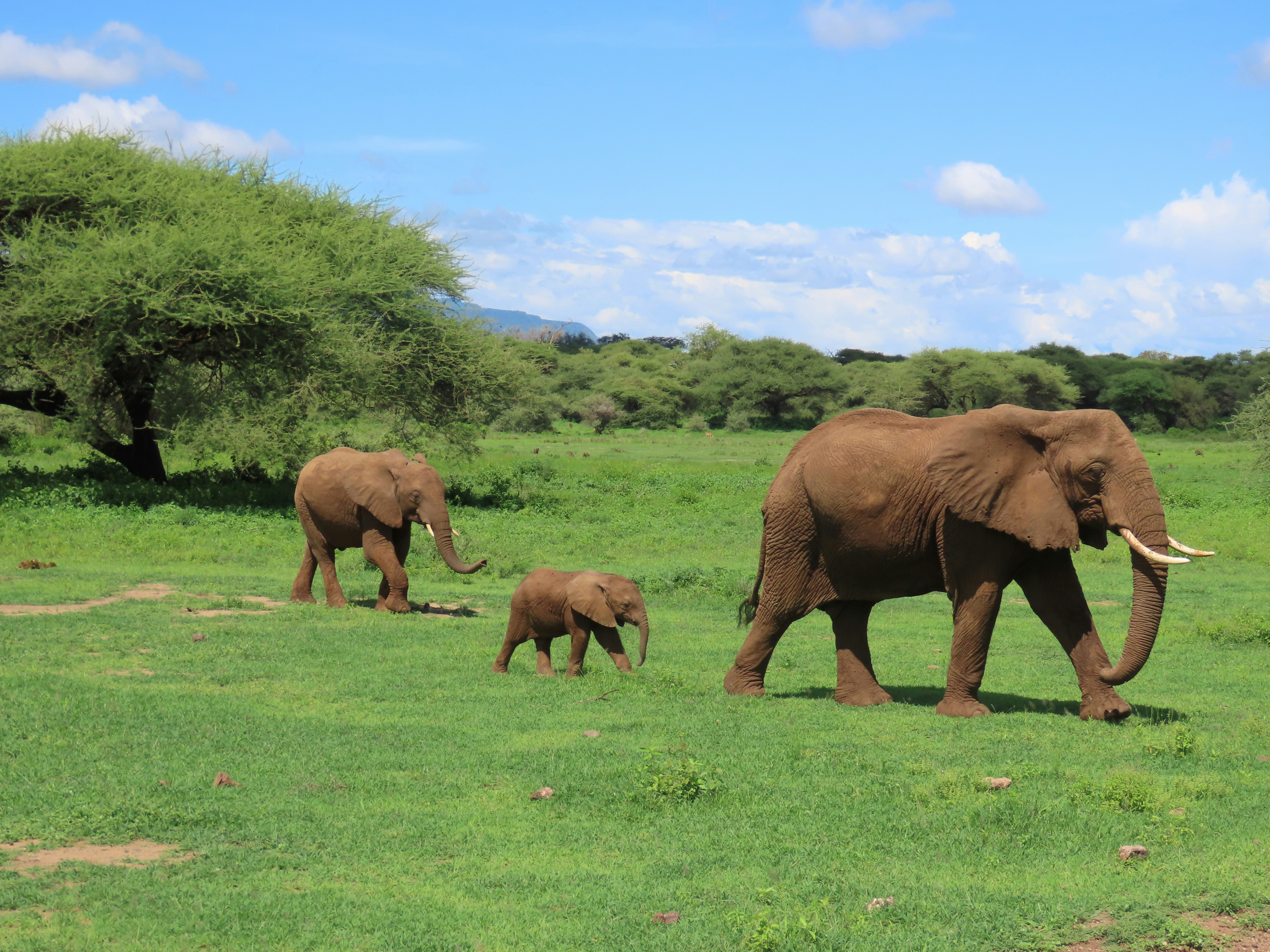
The 3-day trip. Day one takes you into Tarangire, where the elephant herds gather along the river and the baobabs give the landscape its unmistakable shape, before you settle into a lodge in the Karatu highlands near the crater. Day two can add Lake Manyara, a compact park of groundwater forest, hippos and flamingos that works well as a half-day, or a slower morning if you prefer. Day three is the Ngorongoro Crater itself, a full descent onto the floor with a picnic lunch among the wildlife, before you head home. Three days, three ecosystems, and remarkably little time in the vehicle because the parks sit close together.
The 4-day trip. The fourth day changes the whole character of the safari. Instead of Manyara as a half-day, you give the Serengeti two nights, which means two full days of game drives on the plains rather than a rushed pass through. In August that is the difference between reading about the migration and standing beside it. You still finish on the crater, but you reach it having already seen the greatest wildlife spectacle in Africa. The cost is one more day away from the beach and a few hundred dollars more per person; the reward is the Serengeti done properly rather than glimpsed.
Seen side by side, the choice is clearer than it feels when your group is debating it. Three days is complete and unhurried on its own terms. Four days is not "more of the same," it is a different, bigger trip that happens to include the same crater finish. Neither is wrong. They simply answer different questions about what you came to Africa to see.
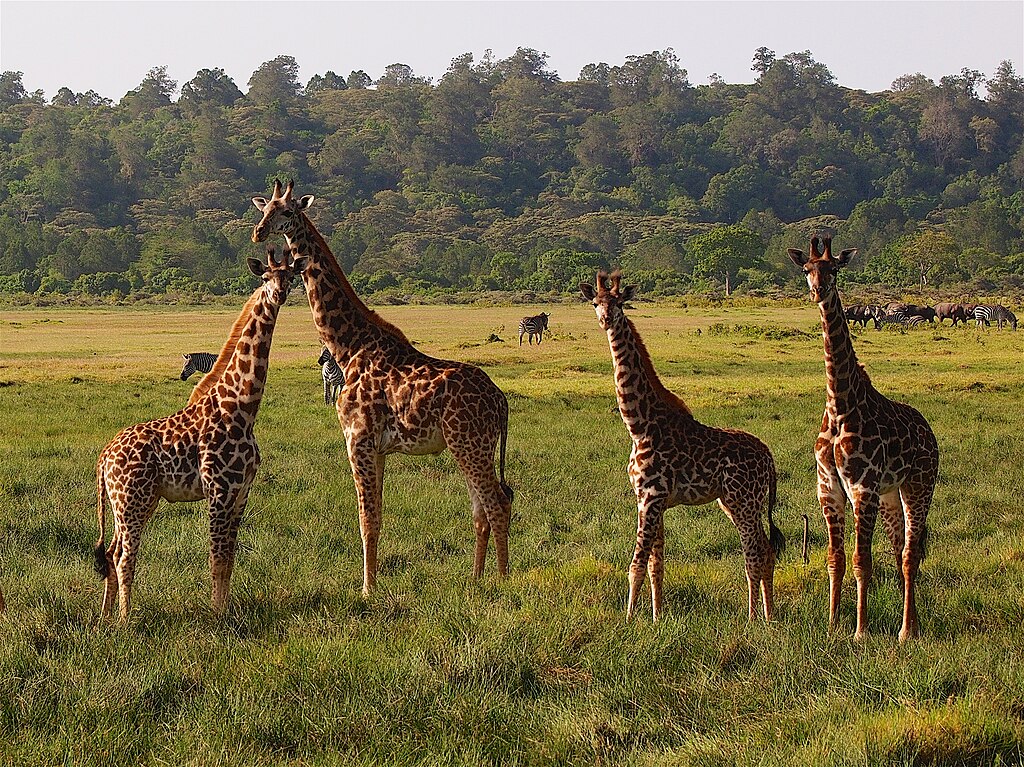
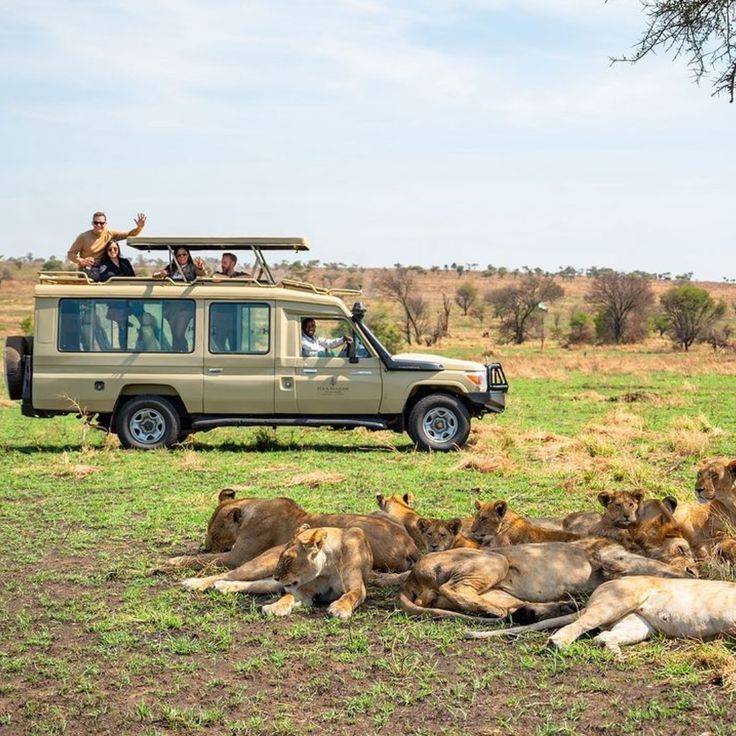
Is the Serengeti a must-see, or will Ngorongoro and Tarangire give you an equally incredible first safari?
This is the question that divides every safari forum, so here are the honest answers to the questions you are really asking, followed by what each park uniquely offers, so you can decide for yourselves.
Is the Serengeti really "another level," or is that hype?
It is largely true. The Serengeti is vast in a way that is hard to describe until you see it, and its predator density and the sheer scale of the plains genuinely set it apart. In August, with the migration and the Mara River crossings in the north, it is arguably the greatest wildlife show on the continent. Travellers who have done both often say it is a different world from the other parks. That is a fair assessment, not marketing.
So is a 3-day safari without the Serengeti a mistake?
No. This is where the hype misleads people. A 3-day Tarangire and Ngorongoro safari is a genuine bucket-list experience. The Ngorongoro Crater alone holds the densest concentration of large wildlife in Africa, and you can see almost all of it in a single day. Plenty of first-time visitors leave the crater rating it their favourite day of the whole trip. You will not come home disappointed because you skipped the Serengeti; you will only be disappointed if you tried to cram it into three road days and spent them in the car.
What if we only have three days but the Serengeti is non-negotiable?
Then fly, and accept a shorter time on the plains. A fly-in lets you spend a day and a half or two days in the Serengeti without the long drives, paired with the crater. It costs more than a road safari, but it is the only way to do the Serengeti justice in a short window. If flying is not an option, choose the crater circuit and save the Serengeti for a future trip when you can give it the days it deserves.
What each park uniquely offers, so no choice feels like settling
- Serengeti National Park. Endless plains, the highest predator density, and in August the Great Migration and Mara River crossings in the north. The park everything else is measured against.
- Ngorongoro Crater. The densest wildlife in Africa in one enclosed caldera: lion, elephant, buffalo and a real chance of black rhino, all in a single day. Unmatched for variety-per-hour and dramatic scenery.
- Tarangire National Park. Some of the largest elephant herds in Africa and iconic baobab landscapes. At its best in the dry season, which includes August.
- Lake Manyara National Park. A compact, varied park of groundwater forest, flamingos and hippos, often added as a half-day. A gentle, birdlife-rich complement rather than a headline park.
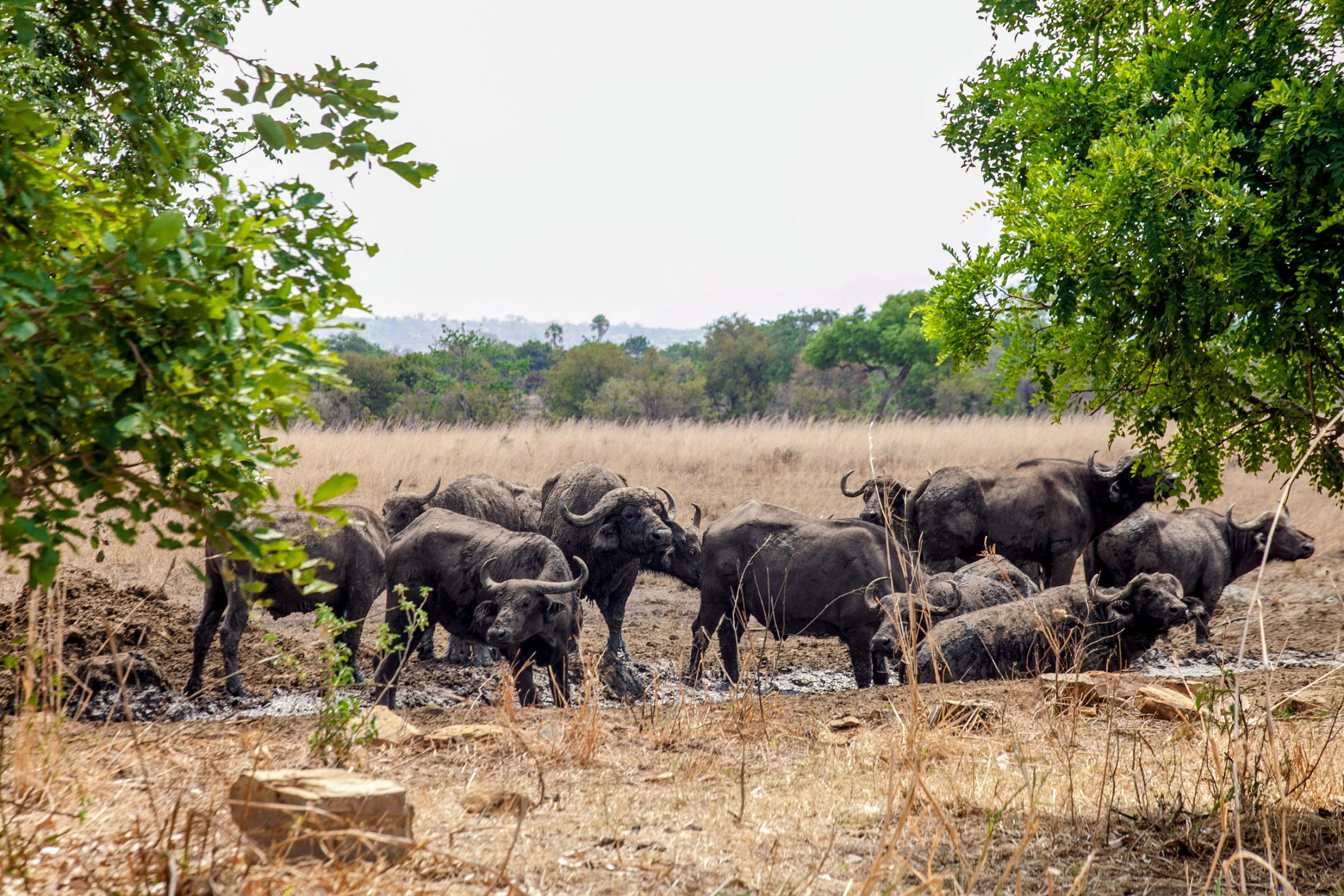
- Mikumi and Nyerere in the south. The practical choice if you are short on time from Zanzibar. Mikumi is an open, Serengeti-like plain; Nyerere offers a Rufiji River boat safari you cannot get up north.
For a full breakdown of the crater circuit options and prices, see our affordable Ngorongoro safari packages, or the first-timer guides to the Serengeti, the Ngorongoro Crater and Tarangire.
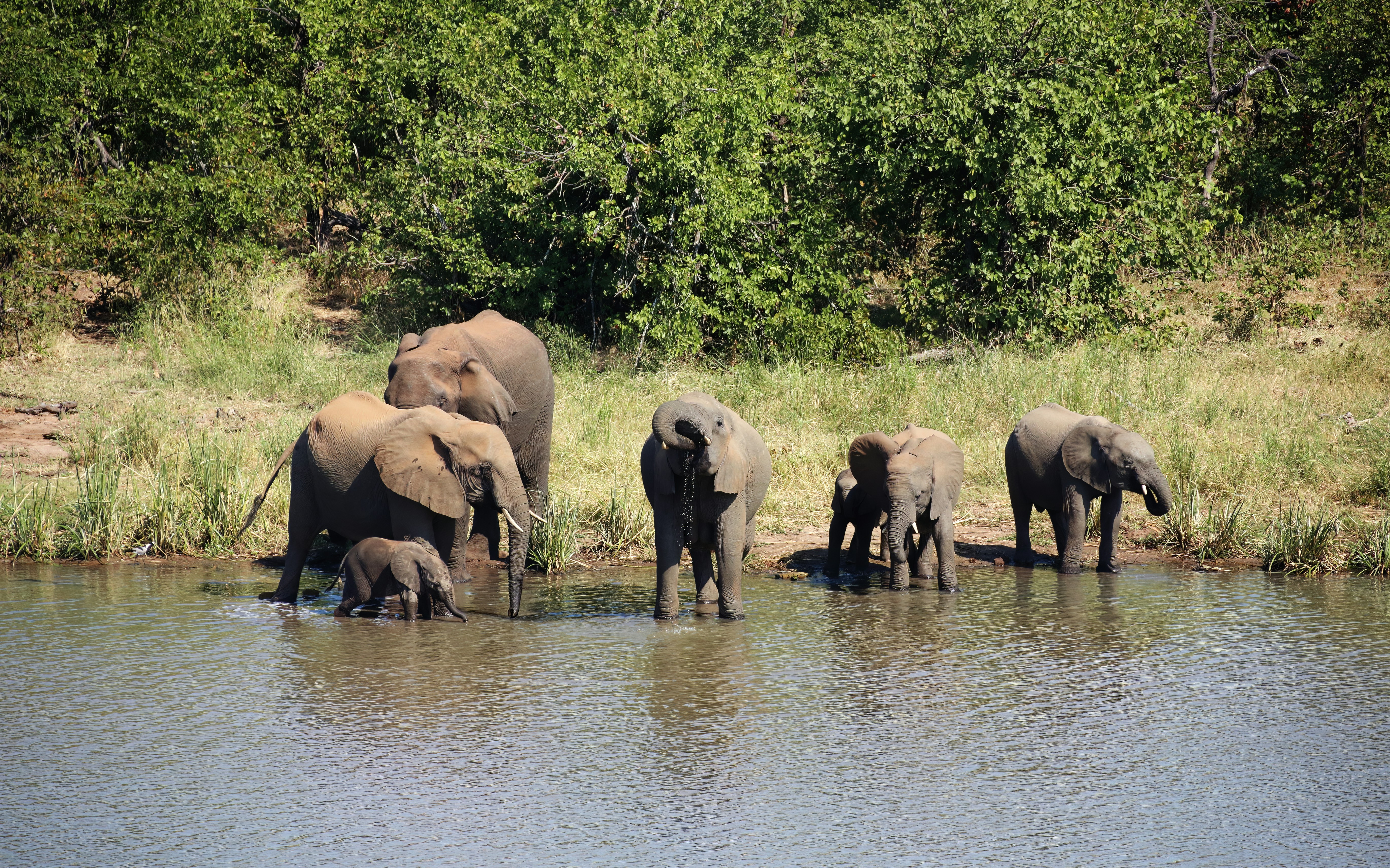
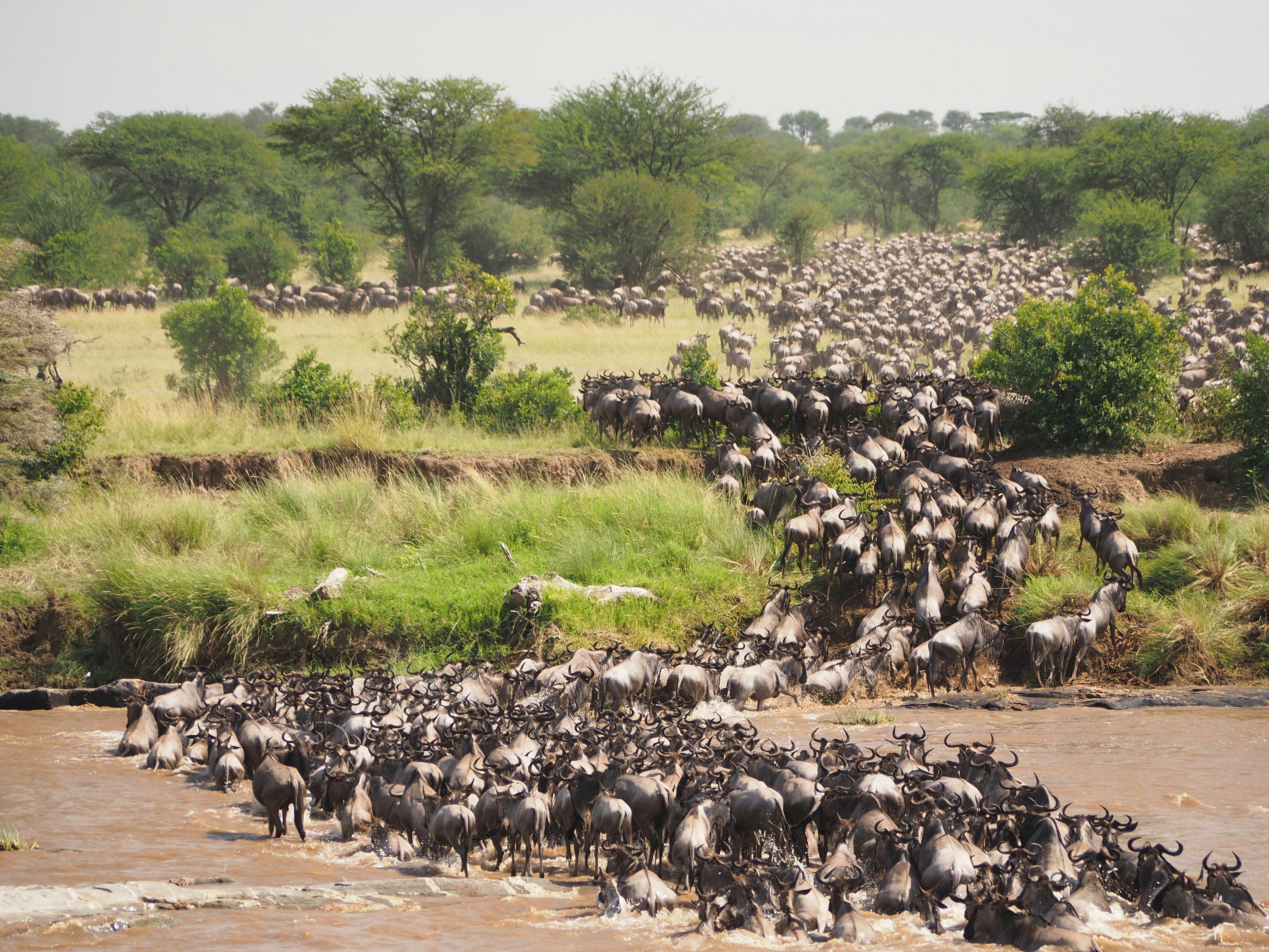
Why August specifically tips the scales toward the Serengeti
Timing matters more than most first-time visitors realise, and August is not a neutral month. It sits at the height of the dry season, which is the easiest time of year to see wildlife anywhere in Tanzania, because the vegetation thins out and animals concentrate around the remaining water. That alone makes any park a good bet in August, including the crater and Tarangire. But August also happens to be when the Great Migration reaches the far north of the Serengeti, and the herds mass along the Mara River for the crossings that most people picture when they imagine an African safari.
Those crossings are unpredictable and cannot be guaranteed on any given day, but the sheer concentration of wildebeest and zebra in the northern Serengeti in August is not in doubt, and neither are the predators that follow them. This is the one argument that genuinely strengthens the case for a fourth day. If you were travelling in, say, April, the migration would be elsewhere and the maths would shift back toward the crater circuit being more than enough. Because you are travelling in August, the Serengeti is at its most extraordinary, which is exactly why so many experienced travellers will tell you to find that extra day if you possibly can.
None of this diminishes the 3-day trip. The Ngorongoro Crater and Tarangire are superb in August too, and a great many visitors leave perfectly happy having never set foot in the Serengeti. It simply means that the specific window you are travelling in raises the ceiling on what four days can offer, and that is worth weighing honestly rather than dismissing to keep the peace in your group.
Those suspiciously cheap deals: how to tell a real operator from a price that is too good to be true
You found packages that seem too cheap and wondered whether the platform can be trusted. The platform is fine. SafariBookings is a legitimate, well-known marketplace. But it is important to understand what it is: a listing site that compares many different operators, not the company that runs your safari. The trip's quality and safety depend entirely on the individual operator behind the listing, so the real question is not "can I trust the website" but "can I trust this specific operator, and does this price include everything."
A safari price that looks too good to be true almost always has a layer quietly removed. Here is how the same route can produce two very different prices.
| What to check | A "too good to be true" quote | A real, complete quote |
|---|---|---|
| Ngorongoro Crater Fee (~$295/vehicle) | Often excluded, added at the gate | Included and stated |
| Domestic flights | Excluded, or a long drive substituted | Included or clearly priced |
| Vehicle | Shared/seat-in-vehicle group tour | Private 4x4 if that is what you want |
| Accommodation | Outside the parks, in distant towns | Inside or near the parks as described |
| Park fees | Vaguely "some fees apply" | Itemised in writing |
| Who runs it | Unclear reseller | A named, licensed operator you can verify |
Before you pay a deposit anywhere, run this checklist. It works for SafariBookings listings and for any operator you approach directly.
- Get every inclusion in writing. Especially the crater fee, park fees, flights and whether the vehicle is private. A verbal "yes, it's all included" is not a quote.
- Read recent reviews, and how far back they go. A long track record beats a brand-new page with perfect scores.
- Verify the operator is licensed and Tanzania-based. Ask for the licence number and check independent listings, not just their own website.
- Compare the marketplace price with a direct quote. Many travellers find booking direct with a local operator is better value and more flexible, because there is no reseller margin and decisions are made on the ground.
- Ask a question only a real operator can answer well. For example, whether a 3-day road trip to the Serengeti is a good idea. An honest operator will tell you to fly or shorten the route, not just take your money.
- Check the deposit terms. A reasonable deposit is normal; a demand for full payment upfront to an unverified company is a flag.
How to read a listing before you trust its price
When you are staring at several listings for what looks like the same trip at very different prices, resist the urge to sort by cheapest and book. Open each one properly and read past the headline. A trustworthy listing describes the itinerary in real detail, names the specific lodges or at least their category, states clearly whether the vehicle is private or a shared group tour, and itemises what the price covers rather than hiding behind a vague phrase like "park fees may apply." A listing that is thin on these details is not necessarily dishonest, but it is asking you to fill in the gaps with optimism, and the gaps are exactly where the cost you did not expect will appear later.
Pay particular attention to the operator behind the listing rather than the listing itself. On any marketplace, look at how many reviews the company has, how recent they are, and how far back the history stretches, because a long and consistent record is far more reassuring than a short burst of perfect scores. Read a few of the middling reviews, not just the glowing ones, since they tell you how a company behaves when something goes wrong, which is the moment that actually matters on a trip this far from home. Then take the two or three listings you like most and message each operator directly with the same set of questions. The replies will tell you as much as the reviews: a good operator answers specifically and quickly, while a reseller tends to be vague or slow because the trip is not really theirs to answer for.
This is also why many travellers choose to book directly with a Tanzania-based operator rather than through an overseas reseller. You deal with the people actually running your safari, which usually means clearer answers, better value and someone reachable on the ground if plans change. If you want to see how we present our own credentials, read why book direct with Kai Tours.
Which Safari fits your three days?
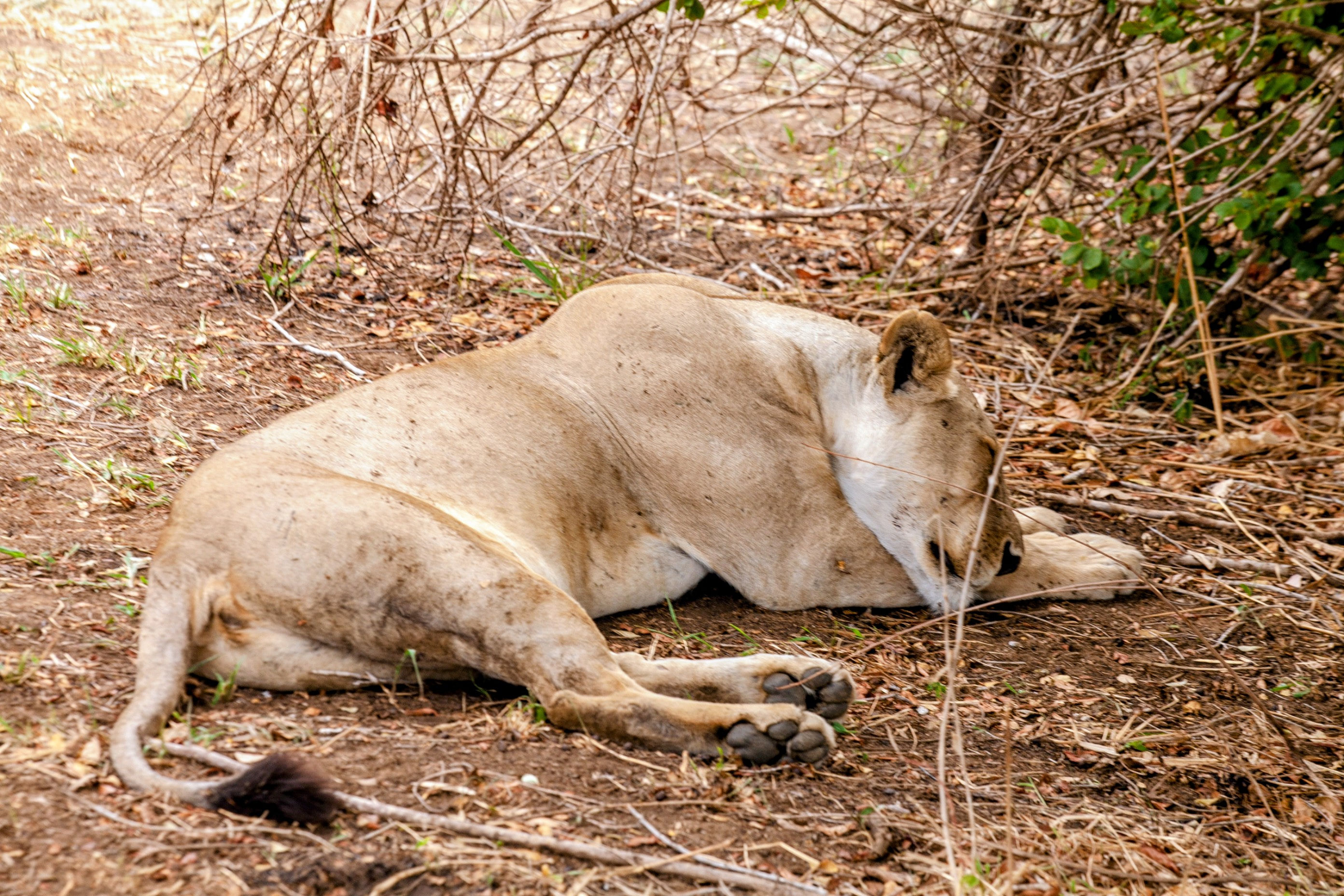
Based on your timeline and interests, here are our honest routing recommendations. Short on time? Stay south. Want the classics? Head north.
Classic Northern Circuit (3 Days)
Short on time? Fly south from Zanzibar
Not seeing the right one?
Browse all Ngorongoro packages from 2 to 5 days, budget to mid-range.
Compare All PackagesFrequently asked questions
Plan your 2027 safari honestly
Tell us your dates, your group size and whether the Serengeti matters to you, and we will map out both options honestly, including whether flying is worth it for your trip. No pressure, no obligation.
WhatsApp Enquiry Email Justus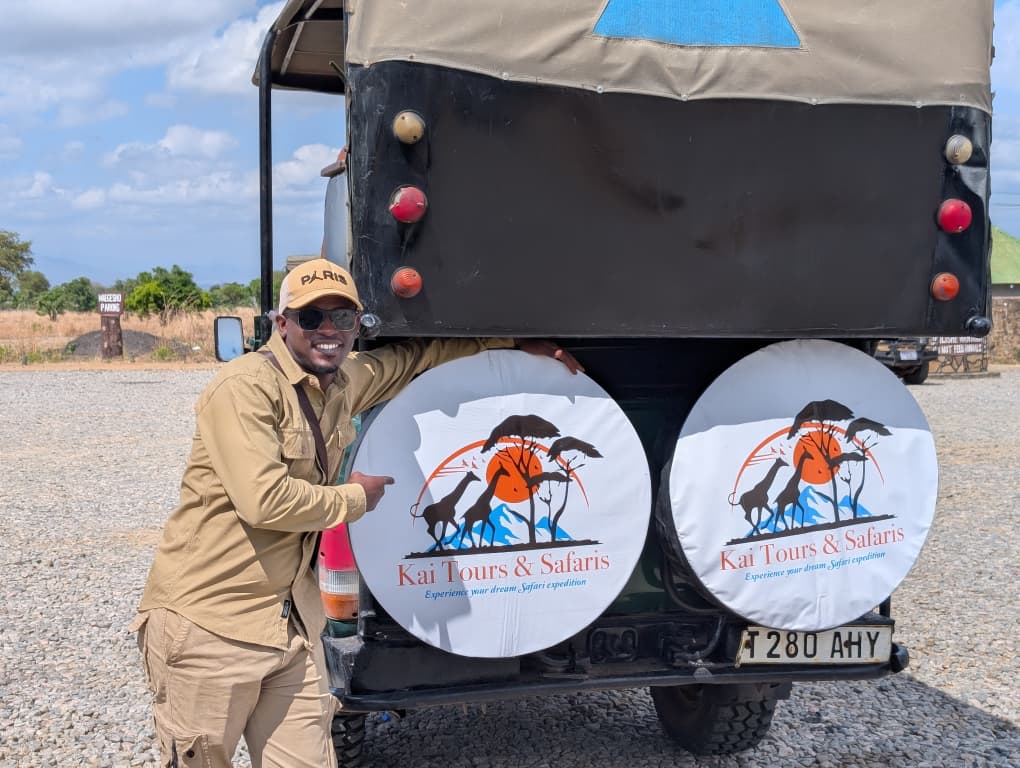
Written By:
Justus Kahwa - Safari Operations Manager, Kai Tours and Safaris
Plans 3 and 4-day safaris from Zanzibar and Arusha, and would rather tell you to fly, shorten or extend a route than sell you days in the car.