In Short
This is a fully private luxury safari Arusha, Tarangire, three nights in the Serengeti, and Ngorongoro built for solo travelers, couples and families who want the very best of Tanzania without compromise. Seven days is the sweet spot: enough time to settle into a relaxed safari pace, witness the drama of predator and prey, and descend into Ngorongoro Crater with a full heart. Expect high-end lodges and boutique tented camps, private guides, 4x4 vehicles with pop-up roofs, and pricing that typically lands between about USD 3,800 and 6,500 per person, depending on group size and season.
On This Page
Why This 7-Day Luxury Itinerary Works
Seven days is the sweet spot for discerning travelers: enough time to settle into a relaxed safari pace, to witness the drama of predator and prey, and to descend into Ngorongoro Crater with a full heart. The route balances iconic wildlife density with scenic variety baobab-dotted Tarangire, the endless Serengeti plains, and the crater's amphitheater of life while keeping drive times reasonable and nights restful in premium properties.
Kai Tours & Safaris runs this as a fully private experience with your own vehicle, dedicated English-speaking guides, 4x4 safari vehicles with pop-up roofs, and full-board accommodation in luxury lodges and tented camps. Luxury here means spacious rooms or suites, en-suite bathrooms with premium amenities, exceptional dining, and attentive service after long days in the field.
- Three full nights in the Serengeti, plus a full day in the Ngorongoro Crater
- Ngorongoro is the only place in Tanzania where you can reasonably expect to see the Big Five in a single day
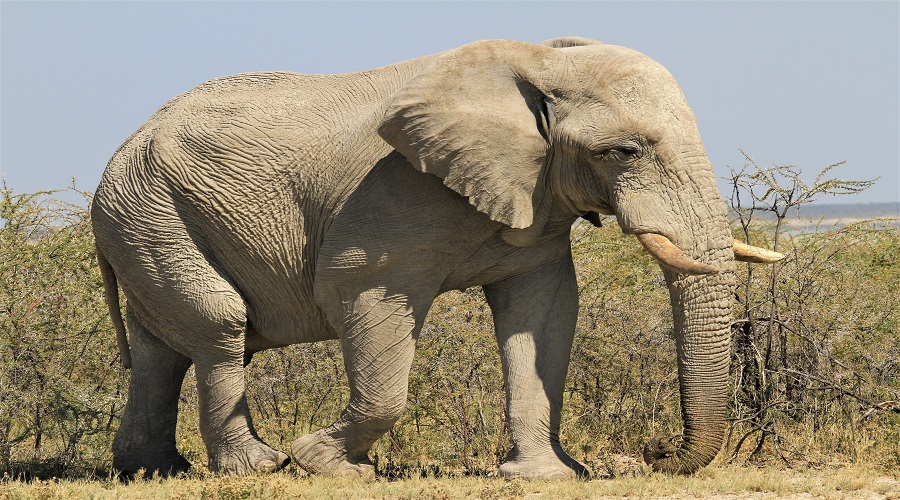
- Tarangire's high elephant concentrations and tree-climbing lions
- A photography-first rhythm that chases golden-hour light
- Private 4x4 safari vehicle with pop-up roof, dedicated to your party (typically 1-4 guests)
- High-end lodges and boutique tented camps throughout, full board
- An optional hot-air balloon safari over the Serengeti
- Day 1: Arusha to Tarangire: baobabs and first sightings
- Day 2: Tarangire full day: elephants, lions and light
- Day 3: Tarangire to central Serengeti: the plains open up
- Day 4: Serengeti full day: predators, herds and horizons
- Day 5: Serengeti to Ngorongoro Highlands: crater rim and Maasai culture
- Day 6: Ngorongoro Crater full day: the Big Five in one bowl
- Day 7: Ngorongoro to Arusha: farewell to the wild
Day-by-Day Itinerary
Day 1
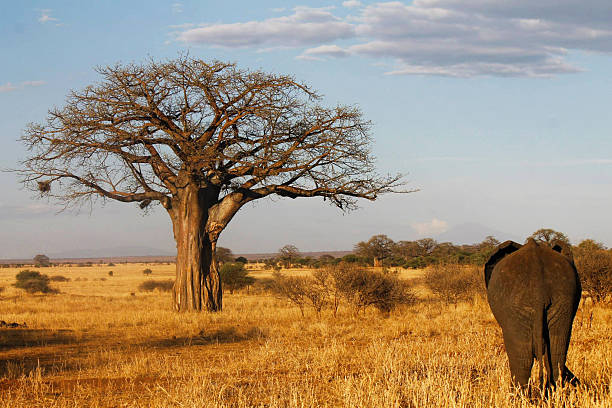
You roll out of Arusha as the light softens, heading southwest toward Tarangire National Park. The road opens into a landscape stitched with acacia and the occasional giant baobab, like ancient sentinels guarding the horizon. Check into your luxury lodge or boutique tented camp on the park's edge, think polished wood floors, four-poster beds, a private deck, and a dinner under the stars, with a briefing from your guide about the days ahead.
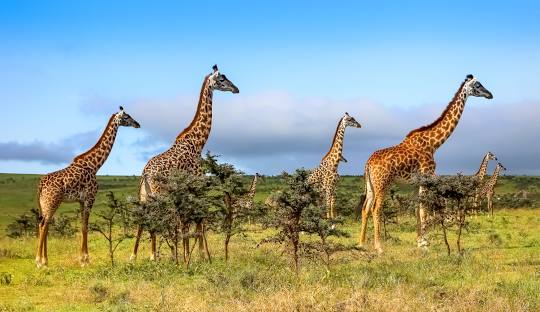
Your first game drive in Tarangire, where elephant herds move like slow rivers and giraffes silhouette against the sky. Tarangire is famous for high elephant concentrations and tree-climbing lions, and even on arrival afternoon drives you can tick off zebras, wildebeest, and buffalo.
Day 2
Dawn in Tarangire is a photographer's dream: cool air, long shadows, and animals active before the heat sets in. You'll spend the day weaving through floodplains and woodland, following your guide's radio chatter to where lions rest in the branches or leopards stash a kill. Luxury lodges here keep you close to the action, so you maximize time in the park rather than on tarmac, then return to a poolside sundowner and a gourmet dinner.
A riverside scene where elephants dig for water in dry season, calves splashing as matriarchs stand guard. For solo travelers and couples, this is the day you learn your guide's rhythm when to wait, when to move, and how to frame a shot with the baobabs as your backdrop.
Day 3
After breakfast, you drive west through the Ngorongoro Conservation Area, climbing onto the crater highlands before descending toward the Serengeti. The landscape shifts from forested slopes to open grasslands, and the air feels different wider, wilder. You'll enter Serengeti National Park en route, starting your game drive as you go, and settle into a luxury camp or lodge in the central Seronera area for three nights.
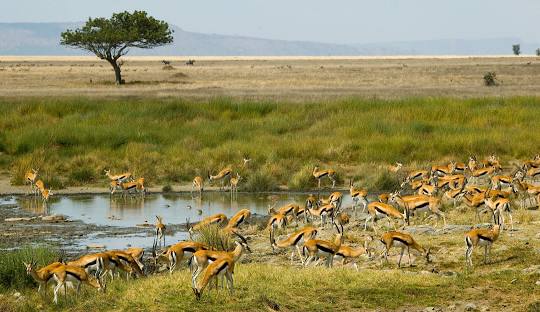
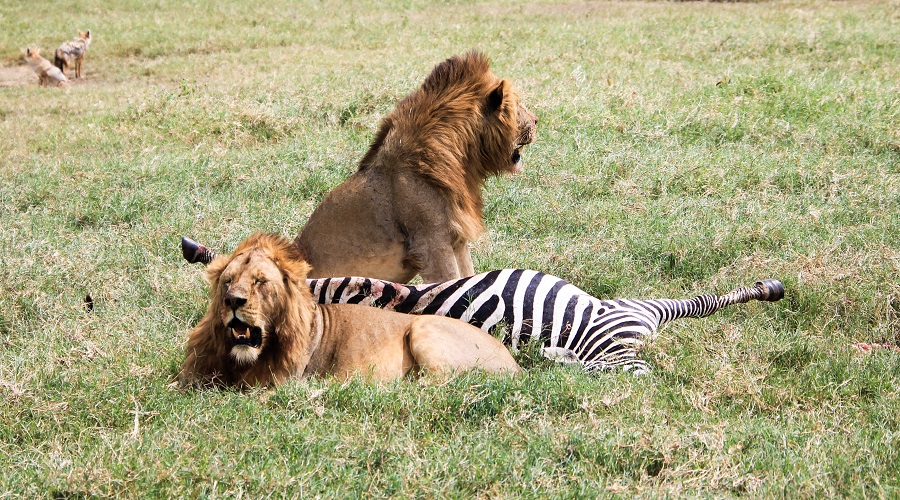
The first Serengeti sunset. In central Serengeti, big cats are residents year-round, and your evening drive might bring a lion pride on the move or hyenas slipping into the dusk. Your luxury lodge or tented camp offers a spacious suite or room with en-suite bathroom, dinner under the stars, and a plan for two full Serengeti days ahead.
Day 4
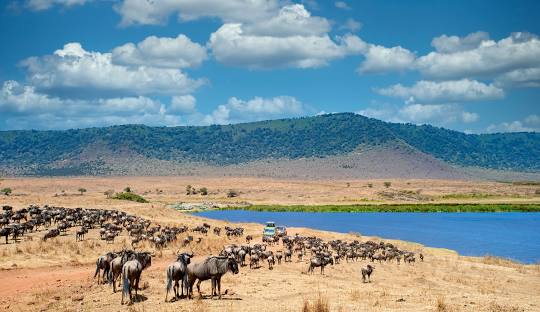
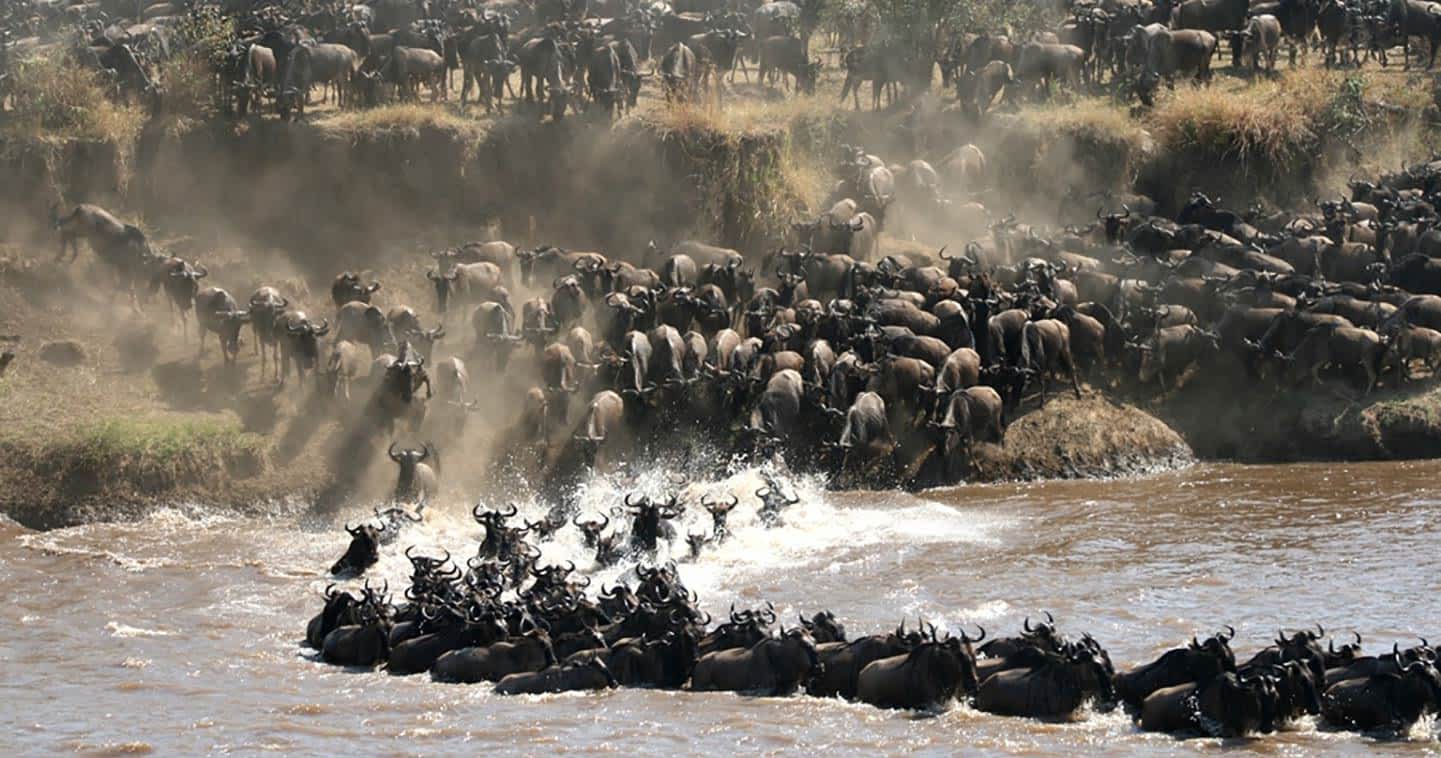
This is the day you give yourself to the Serengeti. With three nights here, you can afford a full-day game drive, packing a gourmet picnic lunch and ranging far across the plains. In the dry season (June-October), the western and northern corridors often host river crossings; in the green season (January-March), the southern Ndutu area brings calving and intense predator action. Your private guide will tailor the route to current wildlife movements and your interests whether that's cheetah hunts, leopard sightings, or birdlife.
A moment that feels like the beginning of time: a lioness freezing in the grass, a herd of wildebeest lifting as one, or a pair of eagles circling above a termite mound. For photography-focused travelers, midday light can be harsh, so your guide will position you for side-light and shade, then save the golden hours for portraits and behavior.
Day 5
Morning brings one last Serengeti drive perhaps a visit to a kopje for rock hyrax and dassie rat, or a stop at a river bend where hippos grunt in the shallows. Then you head east, climbing back up to the Ngorongoro highlands. You'll overnight on the crater rim or in Karatu, at a luxury lodge with views across the conservation area and the distant crater floor. Some itineraries include a short cultural stop at a Maasai village or Olduvai Gorge, depending on time and interest.
The first view of Ngorongoro Crater from the rim. On a clear day, you can see the crater floor far below, a self-contained world where black rhino, lion, elephant, and buffalo live in high density. Your guide will outline the next day's descent and what to expect on the crater floor.
Day 6 Big Five Day
You descend early, when the crater is cool and animals are most active. Ngorongoro is the only place in Tanzania where you can reasonably expect to see the Big Five in a single day — lion, leopard, elephant, buffalo, and black rhino — thanks to the crater's contained ecosystem. Game drives circle the soda lake, skirt the forests where leopards hide, and cross open plains where hyena and cheetah patrol. Lunch is usually at a scenic picnic site with views across the caldera.
A black rhino browsing in the open, a rare and humbling sighting. For couples and solo travelers, the crater often feels intimate and cinematic steep walls, mist rolling in, and wildlife at close range. Your guide will balance time at sightings with quiet moments to simply watch the crater breathe.
Day 7
After breakfast, you drive back to Arusha, arriving in time for afternoon flights or a relaxed evening before your international departure. Some travelers extend to Zanzibar for a beach finish; others linger in Arusha for coffee tours or craft markets. If you've fallen in love with the rhythm of safari, this is the moment you start planning your next trip perhaps a longer Serengeti migration route or a southern circuit adventure.
The last hour of game drive on the crater rim or through the highlands, where the air is cool and the views are vast. It's a quiet end to a loud, vivid week a chance to let the images settle and the stories form.
Timings are a guide and flex with the season, road conditions and the wildlife.
Transparent Pricing & Private Safari Options
Sample per-person prices for this 7-day luxury Tanzania safari (based on double occupancy, high-end lodges and tented camps). High season (June-October, December-January): prices trend toward the upper end due to demand and peak lodge rates. Low/green season (March-May, November): better value, with occasional lodge promotions and upgraded room categories. Every departure is private, including for solo travelers, with a dedicated vehicle and guide. Single supplements vary by lodge; Kai Tours & Safaris can minimize these by selecting properties with low or waived single-supplement policies.
| Group size | 2 Travelers | 3-4 Travelers | 5+ Travelers |
|---|---|---|---|
| Per person, double occupancy | USD 4,200-6,500 | USD 3,900-5,800 | USD 3,600-5,200 |
Prices are per person, double occupancy. Actual quotes depend on season, lodge choices, and inclusions.
Where You'll Stay (Luxury Lodges & Tented Camps)
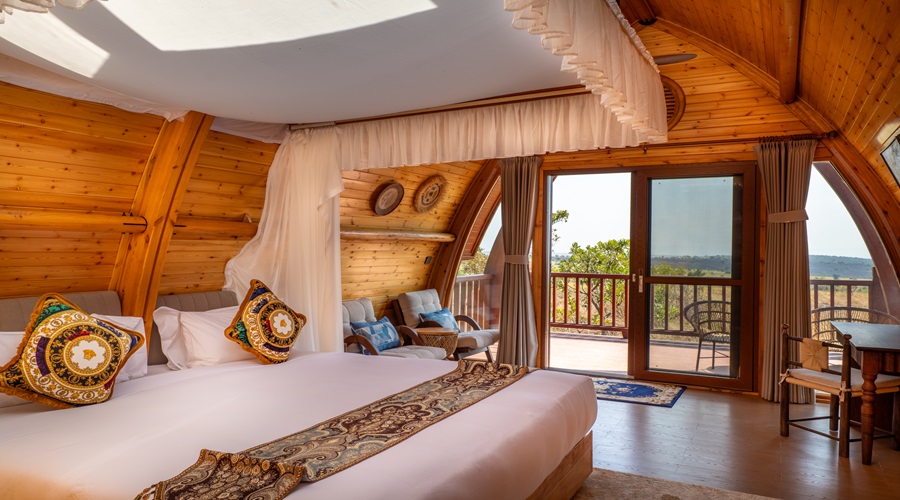
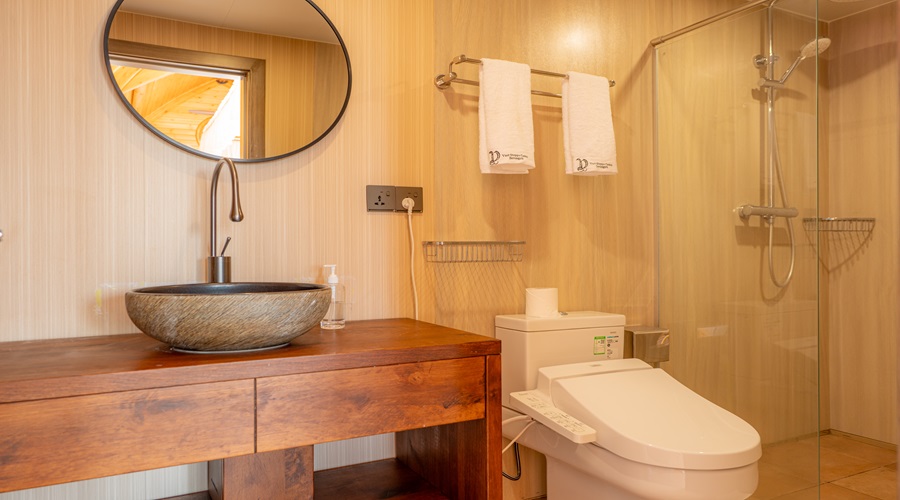
Expect high-end lodges and boutique tented camps with spacious suites or rooms with en-suite bathrooms, premium toiletries, and often private decks or verandas; king-size or twin beds with high-quality linens and mosquito nets/screens; on-site restaurants serving gourmet, multi-course meals with local and international cuisine; swimming pools, spas and wellness areas at many properties; and reliable power for charging cameras, phones and laptops, with backup generators or solar power. Exact lodge names depend on availability and season; Kai Tours & Safaris will propose specific luxury properties (e.g., high-end Serena/Sopa-tier and boutique camps) when quoting your dates.
What's included
- • All park entry fees and concession fees (Tarangire, Serengeti, Ngorongoro Conservation Area)
- • Ngorongoro Crater service fee
- • 6 nights' accommodation in luxury lodges and tented camps (twin/double sharing, suites where available)
- • All meals as per itinerary (full board on safari days; breakfast/dinner on travel days as specified)
- • Private game drives in 4x4 safari Land Cruiser with pop-up roof (dedicated vehicle for your party)
- • Professional English-speaking private safari guide/driver
- • Bottled drinking water, soft drinks, and house wines/beers during game drives and at lodges
- • Airport transfers (Arusha) and all road transport between parks
- • Pre-trip planning support and 24/7 in-country concierge contact
- • Laundry service at most luxury lodges (subject to property policy)
What's excluded
- • International flights and Tanzania visa fees
- • Travel insurance (medical, evacuation, trip cancellation)
- • Gratuities for guides, drivers, and lodge staff
- • Personal expenses (premium beverages, spa treatments, souvenirs)
- • Optional activities (e.g., hot-air balloon safari, private cultural visits, Olduvai Gorge entry)
- • Single supplement (if traveling alone and not sharing a room)
- • Any meals not specified in the itinerary
Wildlife You'll Encounter
Across seven days you move through three distinct wildlife strongholds. Tarangire opens the trip with its famously high elephant concentrations and tree-climbing lions, plus giraffe, zebra, wildebeest and buffalo on the plains. Three nights in the central Serengeti bring resident lion prides, hyena at dusk, cheetah and leopard on the hunt, hippos at the river bends, and the smaller residents of the kopjes. The trip closes in the Ngorongoro Crater, the only place in Tanzania where the Big Five lion, leopard, elephant, buffalo and black rhino are realistically seen together in a single day.
| Animal | Likelihood |
|---|---|
| Elephant | High concentrations in Tarangire; herds move "like slow rivers," with matriarchs and calves digging for water at riverside scenes in the dry season. |
| Tree-climbing lion | A Tarangire specialty lions resting in the branches. |
| Giraffe | Silhouetted against the sky in Tarangire. |
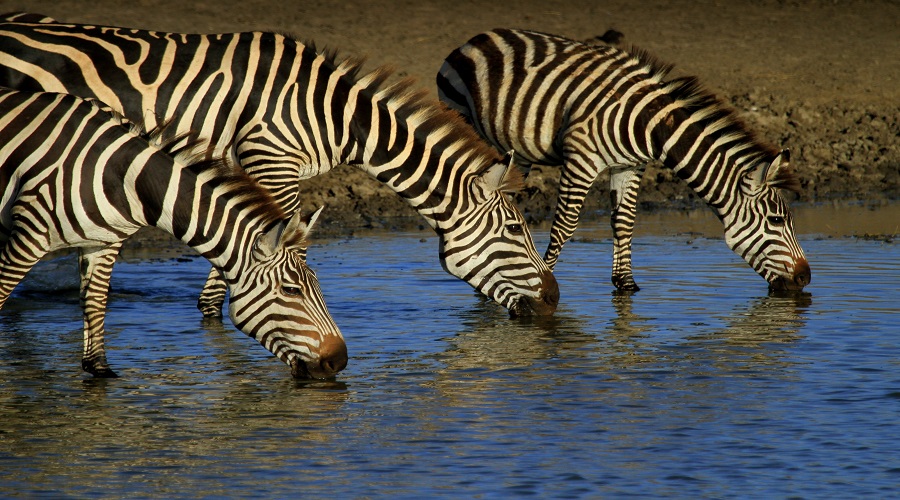
| Zebra, wildebeest, buffalo | Seen on Tarangire game drives, even on the arrival-afternoon drive. |
| Lion (resident prides) | Year-round residents in the central Serengeti; a pride "on the move" was seen on an evening drive. |
| Leopard | Stashes kills in Tarangire; also hides in the forests skirted during Ngorongoro Crater drives. |
| Cheetah | Possible Serengeti sightings/hunts; patrols the open plains of the Ngorongoro Crater. |
| Black rhino | Described as "a rare and humbling sighting," browsing in the open on the Ngorongoro Crater floor. |
| Eagles | A pair seen circling above a termite mound in the Serengeti. |
Best Time to Travel
Year-round. June-October offers dry weather and concentrated wildlife, with river crossings often in the western and northern Serengeti corridors. January-March is excellent for calving and predator action in the southern Ndutu area. The green season (March-May, November) brings lower prices and fewer crowds, with occasional lodge promotions and upgraded room categories.
Good to know
- Typical daily game drive windows are 6:30-10:30 and 15:30-18:30, with midday rest at your luxury lodge or camp.
- Fitness level is moderate; most time is spent in the vehicle, with short walks at lodges and picnic sites.
- Pack light, breathable clothing in neutral colors, a warm layer for early mornings, comfortable walking shoes, sun protection, binoculars, and a camera with extra memory cards and batteries.
- A hot-air balloon safari can be arranged as a popular optional extra during your three Serengeti nights.
- Every departure is private, including for solo travelers, with a dedicated vehicle and guide; single supplements vary by lodge.
Frequently asked questions
Justus Kahwa
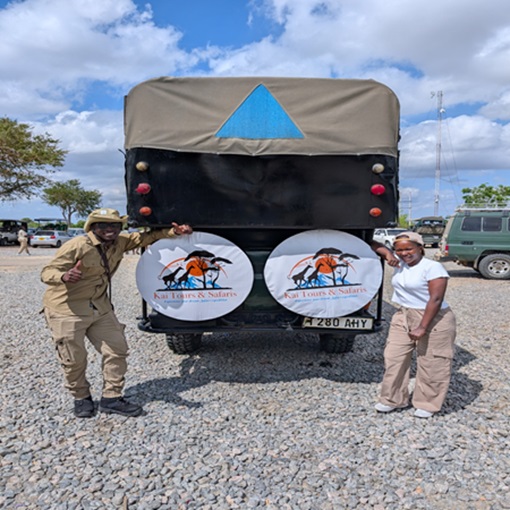
Plans Tanzania safari itineraries on a regular basis, sequencing each around the guest's flights and the season, and would rather send the route that fits than the one already on the shelf. This one includes three full nights in the Serengeti, plus a full day in the Ngorongoro Crater.