You have spotted the thing most people miss, and it is the right thing to be torn about. If you are only at the lodge to shower, eat and sleep, then a very expensive lodge is mostly wasted, and the money is better put toward a good guide, a private vehicle, and a lodge in the right location. But if you take a proper midday break, a comfortable lodge with a view, a pool and good food genuinely improves the trip. Below is an honest hour-by-hour breakdown of a safari day, what actually matters in a lodge given how little time you are there, and why, apart from the room, location beats luxury almost every time.
On this page
- The real hours: a safari day, broken down
- A typical daily schedule
- Full-day drives vs morning and afternoon
- Is a luxury lodge worth it if you are barely there?
- Does location matter more than luxury?
- What to actually look for in a lodge
- Will a basic lodge leave you wishing you'd upgraded?
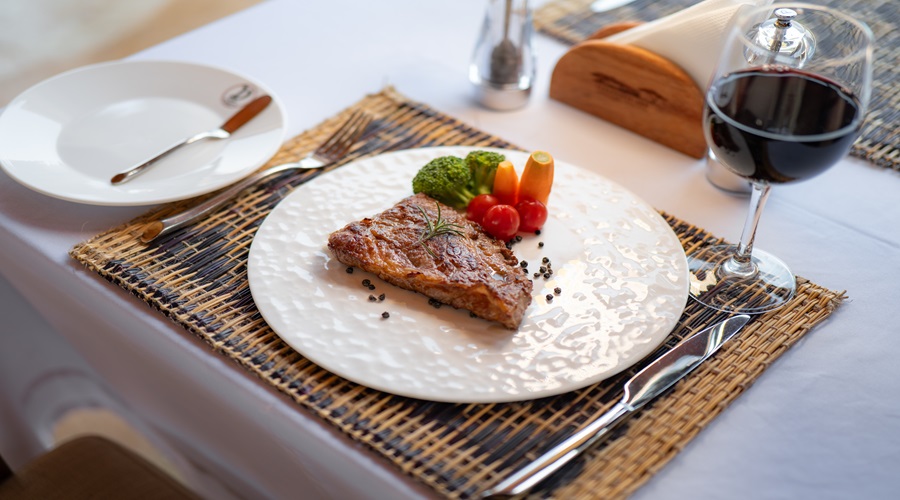
- Why food matters more than you think
- Where to put your money instead
- Frequently asked questions
The real hours: a safari day, broken down
Let me answer the actual question first, in hours, because the honest numbers settle most of the debate on their own.
Wildlife on the Serengeti and across the Northern Circuit is most active in the cool hours at each end of the day, and it rests up through the heat of the middle. Your safari day is built around that rhythm, not around the lodge. So on a standard two-drive day you are out in the vehicle for the best light and the best sightings, and you are back at the lodge mainly for the hours when the animals themselves are lying in the shade doing very little.
In practice that means you spend the early morning and the late afternoon, the prime hours, out on game drives, and you spend roughly four to five hours in the middle of the day at the lodge, plus the evening once you are back for dinner and bed. If you instead choose a full-day drive with a packed lunch, which is easy to do on a private trip, you cut the midday lodge time to almost nothing and return only to sleep. Either way, the arithmetic is clear: you are awake and at the lodge, in daylight, for a fairly small slice of each day.
A typical daily safari schedule
Here is the rhythm most days follow, so you can see exactly where the lodge time falls. Times shift a little with the season and the park, and on a private safari you can move any of it.
Look at where the lodge time actually sits: the middle four or five hours, and the evening. The dawn-to-mid-morning and the mid-afternoon-to-dusk blocks, the parts of the day that make a safari a safari, are spent out in the wild. That is the pattern to hold in your head when you weigh up lodges.
Should you do full-day drives or morning and afternoon drives?
This choice shapes your lodge time directly, so it is worth deciding deliberately rather than by default.
Morning and afternoon drives with a midday break is the common rhythm, and it suits most people. It matches the hours when animals are active, it gives you rest through the hottest part of the day, and it means you are fresh for the golden-hour drive rather than worn out. This is the pattern the schedule above assumes.
Full-day drives with a packed lunch keep you out from morning until evening, eating in the park at a picnic spot. They are the right call when you want to reach a distant area, such as the northern Serengeti for a river crossing, or when the wildlife is simply a long way from your lodge that day, or when you would rather maximise time in the field and do not mind the long hours. Some people do this every day by choice, seeing the lodge only to sleep. On a private safari, the beauty is that you do not have to pick one for the whole trip. You can take a couple of full days when the wildlife justifies it and gentler two-drive days the rest of the time. We plan it day by day around what your guide expects to find.
Is a luxury lodge worth it if you are barely there?
This is the heart of your question, and I will give you my honest operator's view rather than the answer that sells the most expensive room.
If your plan is to be out on drives from dawn to dusk and back at the lodge only to sleep, then a very expensive lodge is largely wasted money. You will not use the spa. You will barely see the beautiful lounge. You will shower, eat, sleep and leave before breakfast. In that case a clean, comfortable, well-located mid-range lodge does the job, and the money you save is better spent on the parts of the trip you actually live in: the guide, the vehicle, more days, or being closer to the wildlife.
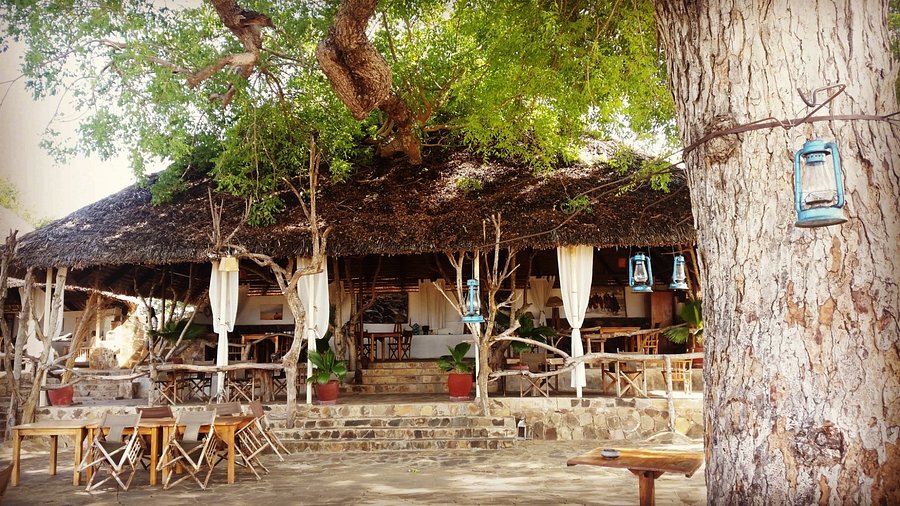
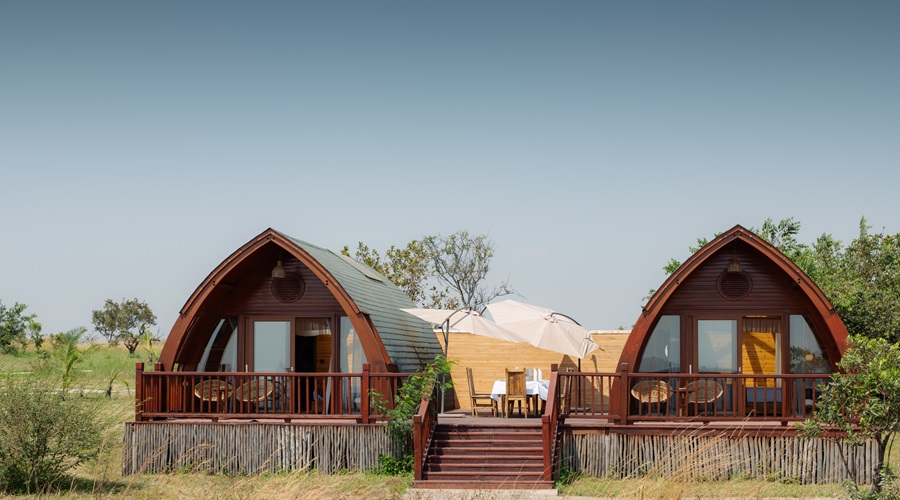
But if you intend to take a real midday break, and many people do, especially in the hot months, on rest days, or simply because a long safari is tiring, then the lodge stops being just a bed. A comfortable room, a good lounge, a pool, a view over a waterhole and genuinely good food turn those middle hours into a pleasure rather than dead time, and that is worth paying something for. The mistake is not spending on a nice lodge. The mistake is spending on a lavish one you have no time to enjoy.
Does location matter more than the luxury of the room?
For most travellers, and I say this after arranging a lot of these trips, the answer is a clear yes. Location is the single most underrated factor in choosing where to stay, and it beats the luxury level of the room on two separate counts.
The first is game-viewing time. A lodge inside or right beside the park puts you among the wildlife within minutes of leaving your room. A lodge outside the gate can add thirty to sixty minutes of driving at each end of every drive, which is an hour or more a day of your prime early-morning and late-afternoon time spent commuting on a transfer road rather than watching animals. Over a week that is a serious amount of lost safari, and no thread-count makes up for it. You have already done the smart thing by putting your lodges inside the parks apart from the crater, which genuinely matters more than the star rating.
The second is what you see during your downtime. The best-located lodges and camps sit by a waterhole, a river or an open plain, so during that midday break you can watch elephant, zebra, giraffe or baboon wander past from your chair, without going anywhere. That turns the lodge time from a pause in the safari into part of it. A grand lodge with no view of wildlife gives you a lovely room and nothing to look at. A simpler camp overlooking a plain gives you a show all afternoon. For most people, the view of wildlife matters far more than the fittings, and it is a function of location, not luxury. We dig into how location and property type interact in our lodge versus tented camp guide.
What to actually look for in a safari lodge
Given how the hours really break down, here is the honest checklist of what earns its place, roughly in order of how much it matters.
- Location close to the wildlife. Inside or bordering the park, ideally with a view over a waterhole or plain. This is the big one.
- A comfortable bed and a quiet, clean room. You are here to sleep before dawn starts, so rest is the core function.
- Reliable power and hot water. Nothing fancy, but their absence in the middle of the day, when you want a shower and to charge cameras, sours a stay fast.
- A pleasant place to sit. A lounge, a deck, a hammock, somewhere comfortable to spend the midday break and watch the bush.
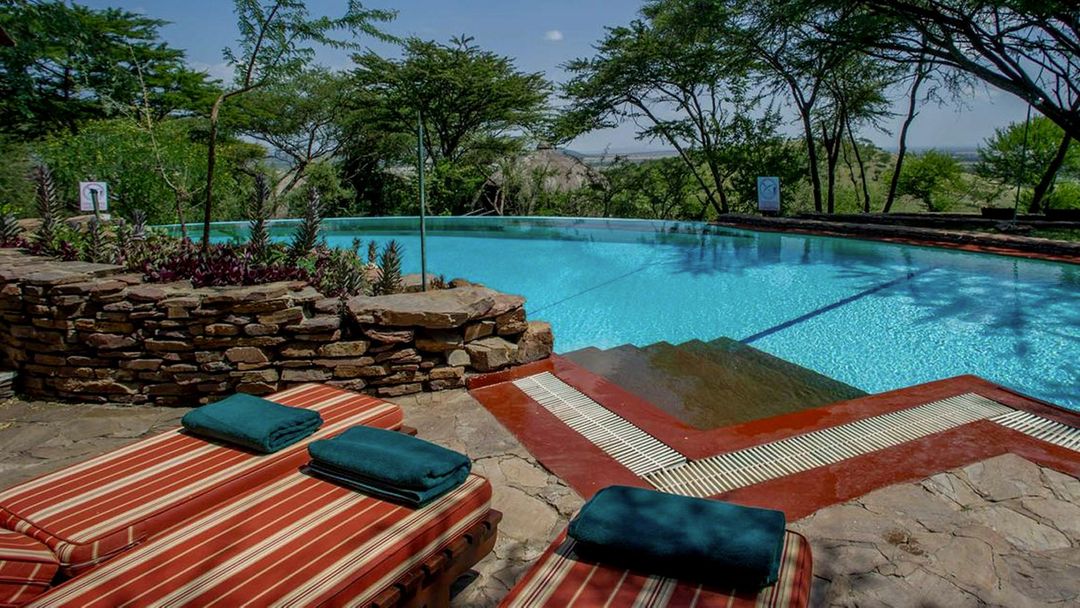
- A pool, in the hotter months and parks. One of the most valued features during the midday heat, and it turns downtime into a treat.
- Good food. More important than most people expect, covered below.
- Extras like spa and elaborate facilities. Pleasant, but honestly the least used given how little time you are there. Nice to have, not worth stretching the budget for.
Will a basic lodge leave you wishing you had upgraded?
Sometimes, and it is worth being clear about where the line is, because the failures of a too-basic lodge usually hit at exactly the wrong moment.
The problems people regret are rarely about glamour. They are about the basics failing during the midday break: no hot water or power in the middle of the day when you want to wash off the dust and charge a camera, no comfortable place to sit out the heat, thin walls and a poor bed that leave you tired for the dawn start, and, more than anything, disappointing food. A lodge that stumbles on those turns the downtime from a rest into an ordeal, and on a rainy day, when you may be at the lodge more than planned, it is worse still.
The good news is that avoiding this does not require luxury. It requires a well-run, comfortable, clean lodge with the basics working reliably, which is squarely mid-range territory, not top-end. My honest steer is to avoid the cheapest, roughest options, which is where those basic failures live, without feeling you must leap to the most expensive. The comfortable middle is where most people are happiest, and it is where the value is. For how the tiers compare on price, see our guide to what a luxury safari costs.
Why food matters more than you think
You flagged food as a concern, and you are right to, so let me spend a moment on it because it is genuinely one of the things that separates a lodge you enjoy from one you endure.
You eat two or three meals a day at your lodges over the whole trip, so food is one of the few lodge features you use every single day, unlike the pool or the view. And it is an area where cutting corners shows. The weakest lodges serve tired, repetitive buffets, and the difference at a well-run lodge, where a kitchen actually cares, is night and day. This matters even more for vegetarians and special diets. A good lodge, told in advance, will happily prepare proper vegetarian meals with real variety rather than leaving you with a plate of plain vegetables and fruit. A poor one will treat a vegetarian request as an afterthought. So tell your operator about any dietary needs at the time of booking, not on arrival, and make sure it is passed to every lodge. We confirm dietary requirements with each property before you travel, precisely so nobody spends a safari hungry.
Where to put your money instead
If you are weighing lodge spend against the rest of the trip, which is really what your question is about, here is where I would put the money on a private guided safari, in order.
- A great guide. The single biggest factor in what you see and understand. A superb guide in a simple vehicle beats a poor guide in a luxury one, every time.
- Location of your lodges. Inside or beside the parks, close to the wildlife. You have this right already.
- Enough days. More time in the parks almost always adds more than a fancier room does.
- A comfortable, well-located mid-range lodge. Comfortable and reliable, in the right place, with good food.
- Selective upgrades. Then, if the budget allows, upgrade the lodges where you will actually spend time, or for a special night or two, rather than across the board.
That order reflects how the days really work. The guide and the location and the time in the field are what you live in for the prime hours. The lodge is where you rest in between. Fund the first list first, and treat lodge luxury as the thing you add once the rest is right. On a private trip, where the schedule bends to you, this balance gives you the best safari for the money almost every time.
Let us build the balance that fits you
Tell us how you like to travel, full days in the field or a gentler pace with real downtime, and we will match the lodges, the guide and the schedule to it, and quote it all in full so you can see where every dollar goes.
Plan it on WhatsApp Email usRelated Trips
Frequently asked questions
How much time do you actually spend at your lodge on safari?
On a typical two-drive day you spend the middle of the day at the lodge, roughly from late morning to mid-afternoon, so about four to five hours of daylight downtime, plus the evening from dinner to sleep. The rest of the daylight, the early morning and late afternoon when wildlife is most active, you are out on game drives. If you do full-day drives with a packed lunch, you are at the lodge only to sleep. On a private trip you set this balance yourself.
Is a luxury lodge worth it if you are barely there?
It depends on how you plan to use the middle of the day. If you do full-day drives and only return to sleep, a very expensive lodge is largely wasted, and a clean, comfortable mid-range lodge in a good location makes more sense. If you take a proper midday break, especially in the hot months or on rest days, then the lodge's comfort, view, pool and food genuinely add to the trip and can be worth the upgrade. The honest answer is to match the lodge spend to how much time you will actually spend there.
Does lodge location matter more than luxury?
For most people, yes. A lodge inside or right beside the park saves you thirty to sixty minutes of driving to reach the wildlife at each end of the day, which over a trip is a large amount of prime game-viewing time. A lodge that also overlooks a waterhole or plain lets you watch wildlife during your downtime without going anywhere. Location affects both how much you see and how much you enjoy the lodge itself, which is why we prioritise it over the luxury level of the room.
What is a typical daily safari schedule?
A common rhythm is early tea or coffee around 6am, a morning game drive from about 6:30 to 9 or 9:30, back for breakfast, the middle of the day at the lodge for lunch and rest, an afternoon drive from around 3:30 to 6:30 as it cools, then drinks and dinner in the evening. Wildlife is most active in the cool early morning and late afternoon, which is why drives are timed around those hours. On a private safari you can shift or combine these however you like.
Should I do full-day game drives or morning and afternoon drives?
Both work, and the best choice depends on the day. Morning and afternoon drives with a midday break suit most people, matching the hours when animals are most active and giving you rest in the heat. Full-day drives with a packed lunch are worth it when you want to reach a distant area, such as a river crossing, or when the wildlife is far from your lodge. On a private trip you can mix the two across your stay, which is what we usually recommend.
What should I actually look for in a safari lodge?
The things that matter most during your real downtime are practical: a good location close to the wildlife, a comfortable bed, reliable power and hot water, a nice place to sit with a view, often a pool for the hot middle of the day, and good food, which matters more than people expect, especially for vegetarians or special diets. Spa treatments and elaborate extras are pleasant but rarely used given how little time you are there. Comfort and location beat pure luxury.
Do you need a swimming pool at a safari lodge?
You do not need one, but many people find a pool one of the most valued features during the hot midday break, especially from June to October and in the warmer parks. It turns the downtime between drives into a pleasant part of the day rather than dead time. If you travel in the hotter months or plan real rest days, a pool is worth prioritising over more expensive but less used luxuries. In cooler areas like the Ngorongoro Crater rim it matters far less.
Will I be bored at the lodge during the midday break?
Rarely, if the lodge is well chosen. The midday break is genuinely welcome after an early start, and a good lodge gives you a comfortable spot to rest, eat, catch up on photos and often watch wildlife from your seat. Many camps sit by a waterhole or plain where animals pass through all day. The break also lets you freshen up before the afternoon drive. If you dislike downtime, you can simply do full-day drives instead on a private trip.
Plans the daily rhythm of private safaris for a living, and will tell you to spend on the guide and the location before the room, then upgrade the lodge only where you will actually enjoy it.