The honest headline
If your main goal is the best possible wildlife and photography, the two-day safari is meaningfully better, and it's mostly because of the dawn and dusk drives. If your goal is to see Mikumi affordably, fit it into a packed trip, or simply find out whether safari is for you, the one-day trip is excellent and you won't feel short-changed.
This is the most practical question I'm asked about Mikumi, and the honest answer isn't "always do two days." Both trips are good, and the right one depends on what you're really after. The difference isn't just "more time" it's which time, because the hours a one-day trip misses happen to be the best hours for wildlife. Let me walk you through it properly, including what each costs and how private versus shared changes the price.
The real difference: it's about which hours, not just how many
Here's the thing most booking pages won't tell you plainly. On a one-day safari, the logistics mean you reach the park gate around mid-morning. After the SGR train and transfer from Dar, or the flight from Zanzibar, you're typically game-driving from late morning until mid-afternoon, then heading back. That's a genuine safari and you'll see plenty elephants, giraffes, zebra, buffalo, hippos, very often lions. But you're driving through the middle of the day, which is when the heat pushes a lot of animals into the shade and predators rest.
A two-day safari changes the maths entirely. You arrive, do an afternoon game drive into the dusk, sleep at a lodge or camp near the park, and head out again at dawn the next morning. Dawn and dusk are the golden windows cooler, softer light, and the hours when lions, leopards and hyenas are genuinely on the move, hunting and active. That's the difference a second day buys you: not just more driving, but the two best wildlife windows of the day, which a single day trip structurally cannot include.
1-day vs 2-day at a glance
| Factor | 1-Day Safari | 2-Day Safari |
|---|---|---|
| Time in park | ~4–6 hrs, midday | Two part-days incl. dawn & dusk |
| Game drives | One main drive | Afternoon, dusk & dawn drives |
| Prime wildlife hours | Missed | Included |
| Overnight | No, home same day | Yes, lodge or camp |
| Pace | One long day | Relaxed, unhurried |
| From Dar (SGR) | from $470 pp | from $590 pp |
| From Zanzibar (fly-in) | from $450 pp | fly-in + overnight (more) |
| Best for | Budget, tight schedule, a taste | Wildlife, photography, relaxation |
Accessibility: doing each from Dar es Salaam or Zanzibar
Both trips are reachable from either base, but the logistics differ, and they shape your day.
From Dar es Salaam
The one-day trip from Dar usually runs on the SGR electric train to Morogoro (under two hours) followed by a road transfer to the gate, or a full road drive. You leave very early and return late the same evening a long but rewarding day. The two-day trip uses the same access but adds a night near the park, so the travelling is spread across two calmer days rather than packed into one. For most people the two-day pace from Dar feels far more like a holiday and less like an endurance test.
Mikumi Safari Packages from DarFrom Zanzibar
If you're on a Zanzibar beach holiday, the one-day fly-in is the neat option: a short light aircraft flight to Mikumi, a day of game drives, and back to the island the same evening, from around $450 per person. A two-day version is also possible fly over, overnight near the park for the dawn drive, then fly back and it gives you those prime wildlife hours, but the extra night and flights make it noticeably pricier. For a quick safari fix between beach days, one day works beautifully; for a wildlife-focused break from the beach, two days repays the cost.
Best Tours and Safaris from Zanzibar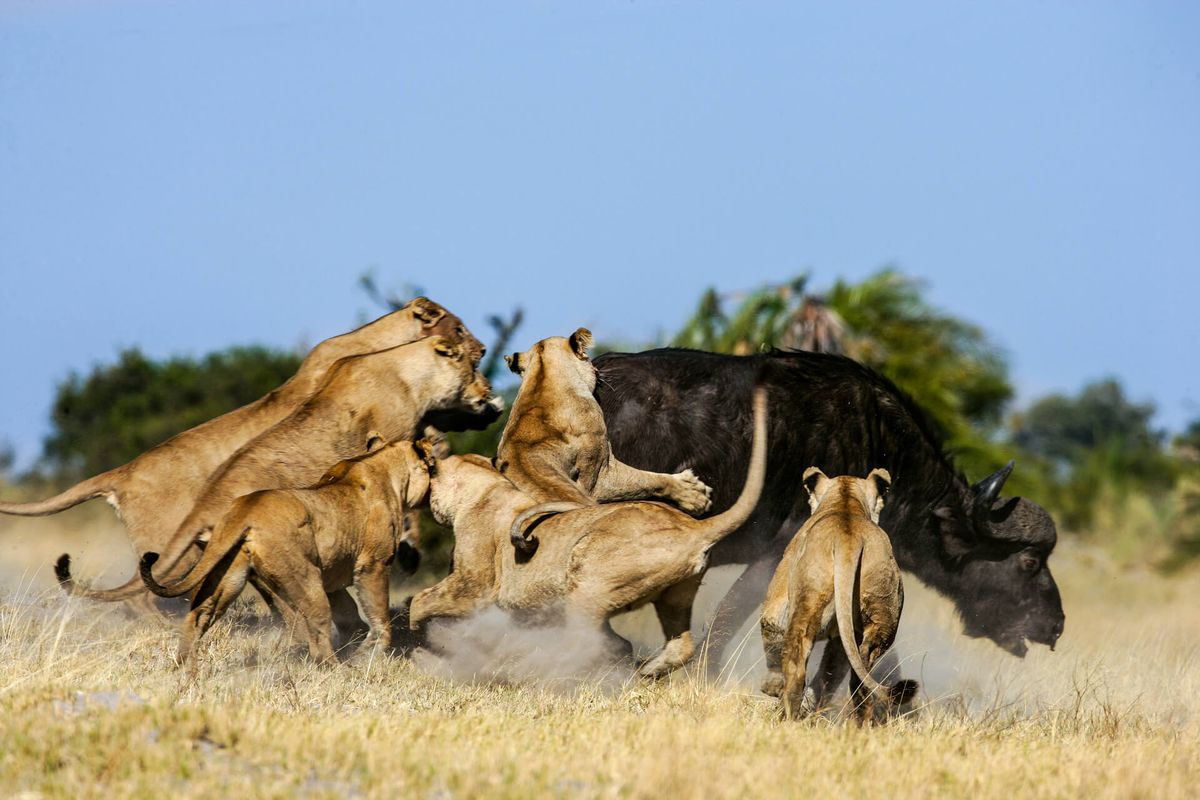
What each day actually looks like
It helps to see the two trips hour by hour, because the shape of the day is really the whole difference. These are typical rhythms from Dar es Salaam; a Zanzibar fly-in shifts the travel portions to flights but the in-park pattern is the same.
A one-day safari, hour by hour
You're collected from your hotel very early, often before dawn, to catch the morning SGR train to Morogoro, then transfer by road to the park gate arriving late morning. From there it's a single, continuous game drive across the Mkata Floodplain, pausing for a packed or lodge lunch in the bush, before you turn back in the mid-afternoon to make the return journey and reach the city by evening. It's a full, satisfying day, but the wildlife window sits squarely in the warm middle hours, and you're watching the clock for the journey home.
A two-day safari, hour by hour
Day one mirrors the start, but instead of racing back you check into a lodge or camp near the park and head out for a late-afternoon drive that runs into dusk the light softening, the air cooling, predators beginning to stir. You sleep to the sounds of the bush. Day two begins at dawn with the best game drive of the trip, when lions and leopards are most likely to be moving, followed by breakfast and often a second morning drive before a relaxed return. You spend roughly the same total travel time as the day trip, but you've added the two prime wildlife windows and removed the rush. That, in a sentence, is what the second day buys.
Wildlife: what each realistically gets you
Let me be straight about sightings, because that's what people care about. On either trip you have a very good chance of the classic Mikumi cast: elephants moving across the Mkata Floodplain, big herds of zebra and buffalo, giraffe browsing the acacias, hippos in their pools, and abundant birdlife. Lions are seen on most game drives in either format. Mikumi is a genuine Big Four park lion, elephant, leopard, buffalo with no rhino, so neither trip is a Big Five experience (for that you'd head to the Ngorongoro Crater up north). For the full honest picture of what lives here, see our guide to the animals of Mikumi.
Where the two-day trip pulls ahead is the quality and odds of predator sightings. Leopards are elusive and most active in low light; lions hunt around dawn and dusk. The dawn and dusk drives a two-day safari provides put you in the park exactly when those animals are moving, which is why serious wildlife watchers and photographers almost always choose two days. A one-day visitor can absolutely get lucky with lions at midday it happens often but the second day stacks the odds.
Lion
Lions are seen on most game drives. Odds increase during the dawn drive of a 2-day trip.
Elephant
Large herds are a staple of the Mkata Floodplain year-round.
Leopard
Elusive but reachable during the dusk/dawn drives included in 2-day trips.
Buffalo
Common in large, impressive herds across the park.
Price ranges: what each safari costs
Here's the transparent money picture. All our prices include park fees, your guide and 4x4, and meals; the two-day adds an overnight and more meals, which is the main reason it costs more. "From" prices assume a small group sharing the vehicle a solo traveller booking privately pays more. "From" prices assume a small group sharing the vehicle a solo traveller booking privately pays more (see the next section on why).
| Trip | 1-Day (from, pp) | 2-Day (from, pp) |
|---|---|---|
| From Dar es Salaam (SGR train) | $470 | $590 |
| Fly-in from Zanzibar | $450 | fly-in + overnight (quote) |
| Private & premium lodge (2-day) | — | up to ~$720 |
| Includes park fees? | Yes | Yes |
| Includes accommodation? | No (day trip) | Yes (1 night) |
So the step up from one day to two is roughly the cost of a night's lodge and meals and what you're really buying with that is the dawn and dusk game drives plus an unhurried pace. Park fees, set by TANAPA at around $37.50 per adult per day in 2026, are built into both prices, so a quote that looks dramatically cheaper usually means fees have been left out. For a fuller breakdown of what goes into a Mikumi price, see our Mikumi cost guide.
Value verdict
Per hour of real safari, the two-day trip is arguably better value you get the prime wildlife windows and a relaxed pace for a modest increase over the one-day price. But the one-day trip wins outright on lowest total cost, which for many travellers is the deciding factor.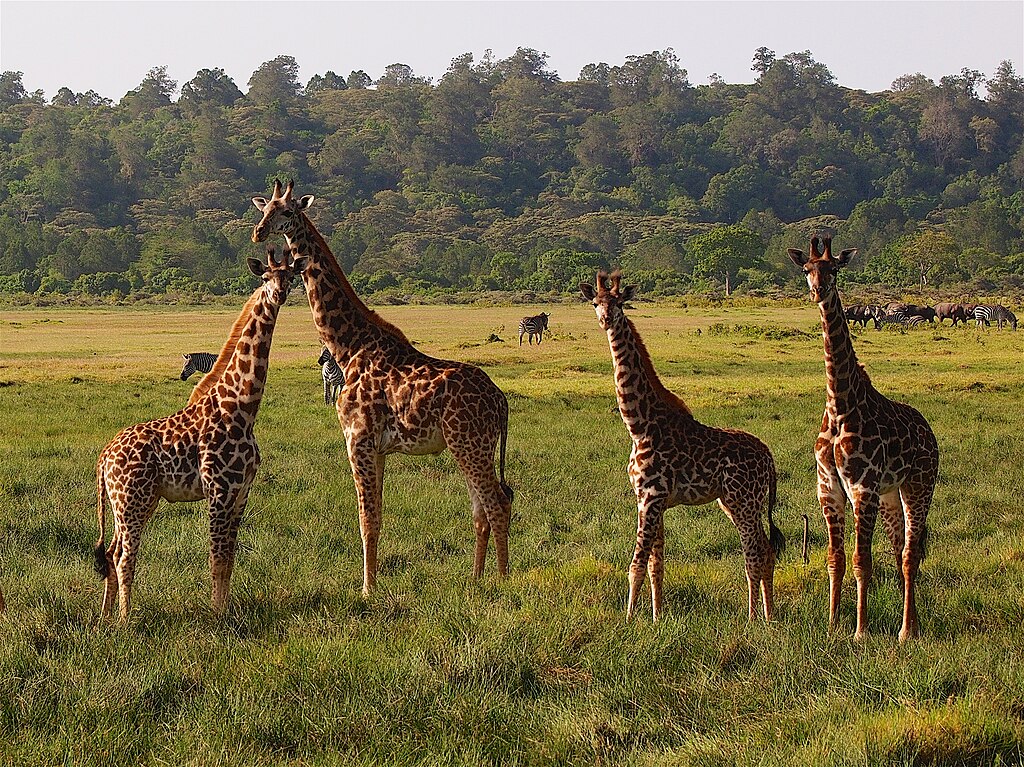

Private vs group sharing: how it changes the price
Whichever length you pick, you'll choose between a private safari and a group / shared one, and it affects both the price and the feel of the day.
Private vs group sharing: how it changes the price
| Private safari | Group / shared safari | |
|---|---|---|
| Vehicle | Your own 4x4 & guide | Shared with other travellers |
| Price per person | Higher (you cover the vehicle) | Lower (cost is split) |
| Schedule | Fully flexible | Fixed pickup & route |
| Linger at sightings | As long as you like | Balanced for the group |
| Best for | Couples, families, photographers | Solo & budget travellers |
Why group size moves the price
The vehicle, fuel and guide cost roughly the same whether one person or six are aboard. On a private safari you're paying for that whole vehicle, so the per person price drops sharply as your own group grows: a solo private booking is the most expensive way to go, while a family of four or a group of six splits the same cost and each pays far less. This is exactly why our "from" prices assume a small group book privately as a solo traveller and you'll pay a premium for having the car to yourself.
A shared safari fixes the solo traveller maths differently: the operator seats you with other travellers, so the cost is already split and your per person price starts low. The trade-off is a set schedule and sharing the day with strangers. For a one-day trip on a budget, a shared departure is often the smartest choice. For a two-day trip where you're also sharing a lodge and the rhythm of the bush many travellers prefer to go private, especially couples and families.
Quick rule of thumb
Solo and budget-focused? A shared one-day departure is your cheapest route into Mikumi. Travelling as a couple, family or group of friends, or serious about wildlife? A private two-day safari, split across your own party, is often only a little more per person and gives you the park at its best.Does the season change the answer?
A little. In the dry season (June–October), wildlife concentrates around water and is easier to find, so even a one-day midday drive is productive. In the green season (November–March), the bush is thicker and animals are more dispersed, which is when the dawn and dusk drives of a two-day trip earn their keep most the prime hours matter more when sightings take a little more work. Year-round, Mikumi's road and rail access keeps both trips reliably doable, even in the wetter months when some remote parks become hard to reach.
So, which should you choose?
Choose 1 day if you…
- Are on a tight budget
- Have only one free day
- Are adding safari to a Zanzibar trip
- Want a first taste of safari
- Are happy with a long but full day
- Prefer the cheapest shared option
Choose 2 days if you…
- Want the best wildlife sightings
- Care about dawn & dusk game drives
- Are a keen photographer
- Are travelling as a couple or family
- Want a relaxed, unhurried pace
- Would rather not rush a long single day
So, which should you choose?
In real terms: if you're a backpacker or budget traveller, or extending a business trip, or you simply want to see Mikumi once and tick it off, the one-day trip is made for you especially as a shared departure. If you're adding a safari to a Zanzibar holiday and want maximum island time, the one-day fly-in is ideal. But if you're a wildlife enthusiast or photographer, a couple wanting something memorable, or a family who'd find one giant travel day exhausting, the two-day safari is the better trip.
In real terms: if you're a backpacker or budget traveller, or extending a business trip, or you simply want to see Mikumi once and tick it off, the one-day trip is made for you especially as a shared departure. If you're adding a safari to a Zanzibar holiday and want maximum island time, the one-day fly-in is ideal. But if you're a wildlife enthusiast or photographer, a couple wanting something memorable, or a family who'd find one giant travel day exhausting, the two-day safari is the better trip, and the dawn and dusk drives are the reason. After running both most weeks, that's the honest split I'd give a friend.
A few specific cases come up often. Honeymooners almost always prefer the two-day private safari the dusk drive, a night under the stars and an unhurried dawn make it far more romantic than a single long day. Older travellers, or anyone who tires on long road days, also do better with two days, because the journey is split rather than crammed. And if it's your very first time in Africa and you're not sure how you'll take to safari, there's no shame in starting with the one-day trip to test the water before committing to more plenty of our two- and three-day guests began exactly that way.
Can you start with one and come back?
Of course and some people do exactly that. A one-day trip is a perfect introduction; if it lights the spark, a future two-day or three-day return lets you go deeper, add the prime-hour drives, or combine Mikumi with Nyerere's boat safaris. There's no wrong order. The main thing is to match this trip to the time, budget and wildlife appetite you have right now, rather than over- or under-buying for the trip you're actually taking.
Frequently Asked Questions
Tell us your trip and we'll match it
Share your dates, budget, group size, and whether you're after a quick day safari or the fuller two-day experience and we'll recommend honestly between the two, private or shared. From $470 for a 1-day, $590 for a 2-day.
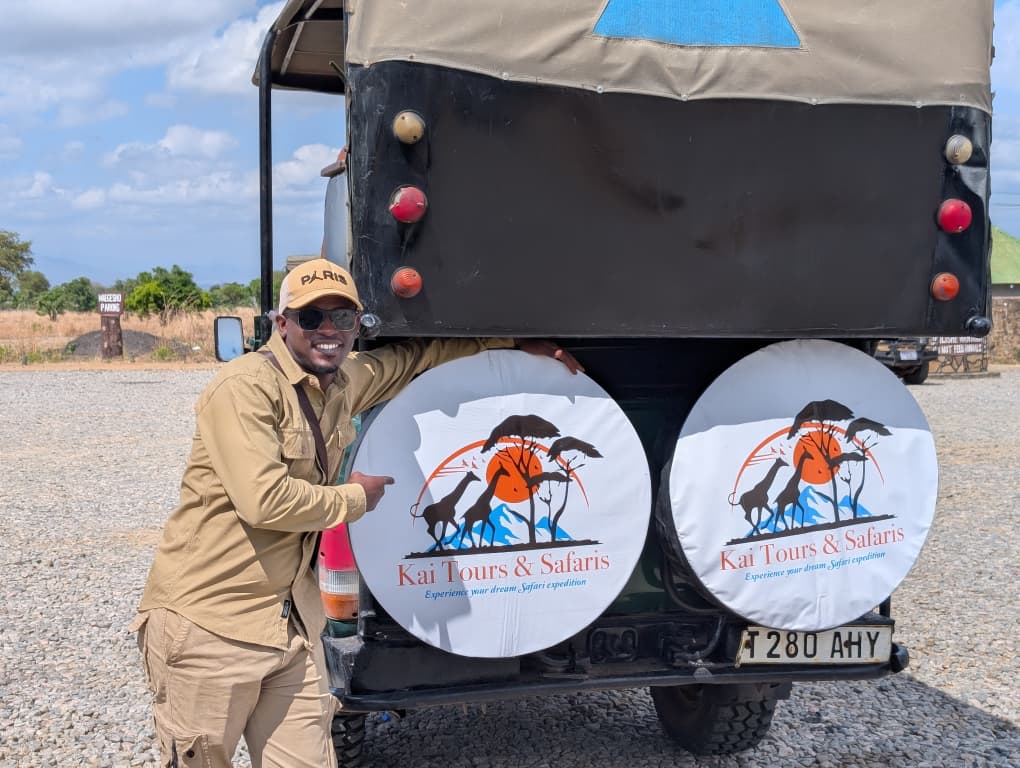
Justus Kahwa — Safari Operations Director, Kai Tours and Safaris
Justus runs Mikumi safaris of every length most weeks of the year for Kai Tours and Safaris. He writes to help travellers match the right trip to their time, budget and wildlife goals.