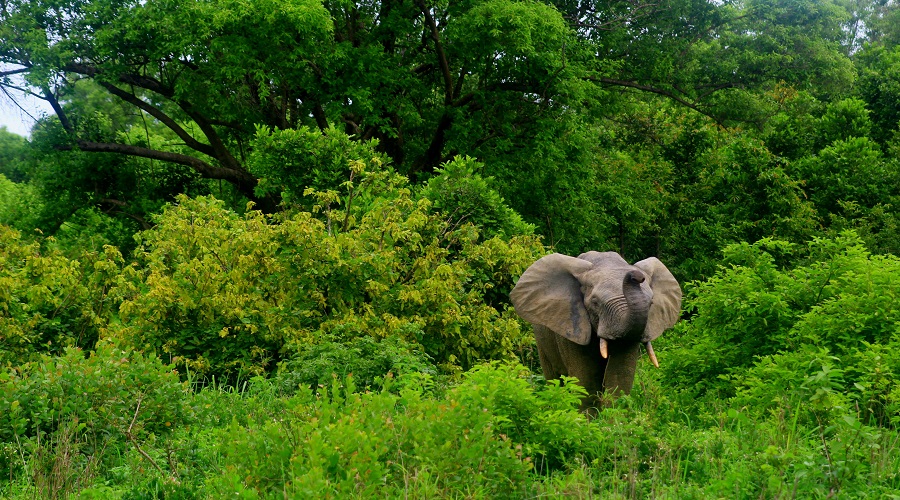
The single most important check is the TALA licence, the licence that legally permits a company to run safaris in Tanzania. A business-registration certificate (BRELA) is not a licence, and scammers show one hoping you cannot tell the difference. Because there is no reliable real-time public register, you verify by asking for the licence number, cross-checking the public TATO member list, confirming a real office and genuine reviews, and paying only to a company bank account by card, never by Western Union or to a personal account. This guide walks through every check, the red flags, the reverse-image photo test, and the green flags a real operator will always be glad to show you.
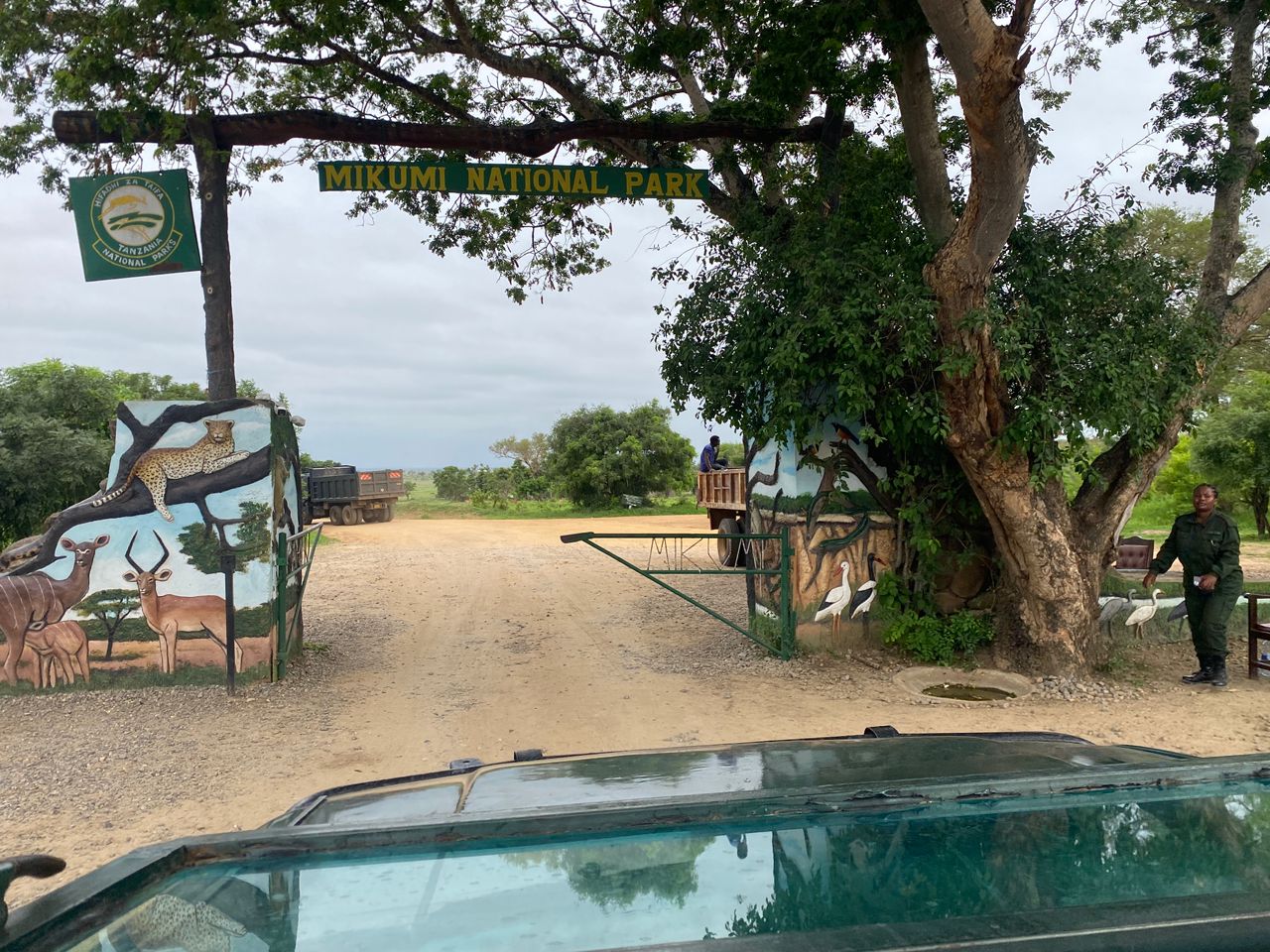
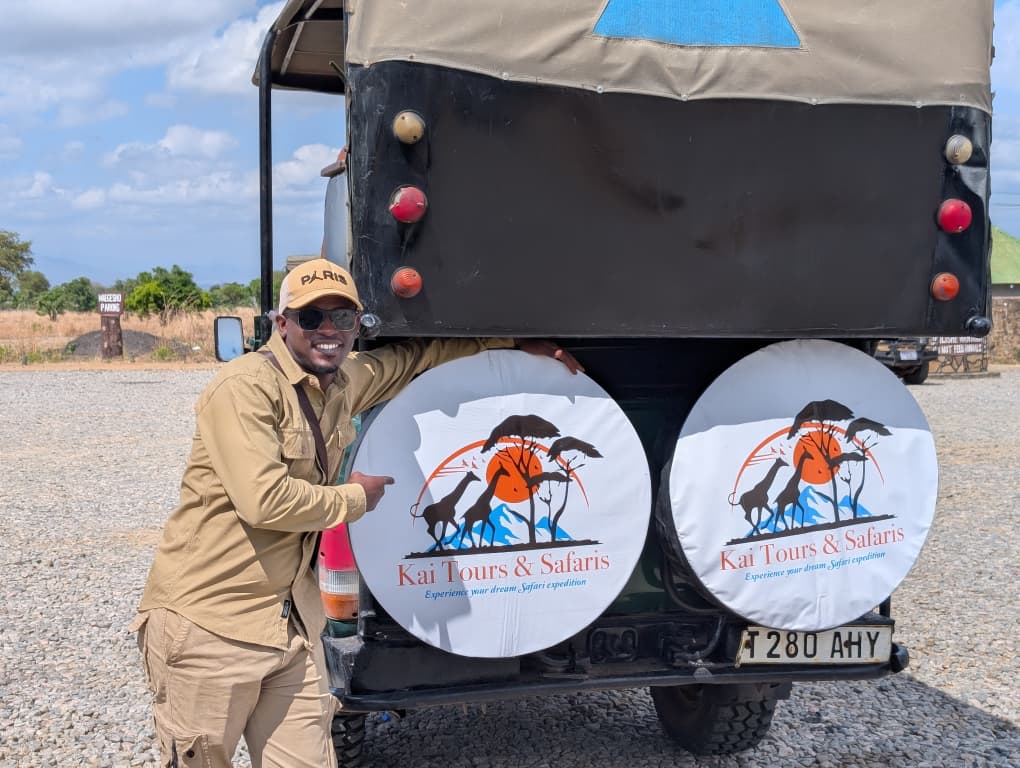
Our real team and vehicles, photographed on real departures – reverse-search any of them

A licensed 4x4 and driver-guide, not a stock photo borrowed from someone else's site
The One Check That Matters Most
If you do only one thing before sending money to a Tanzania safari company, do this: ask for their TALA licence number and a scanned copy of the licence, and confirm the company name on it matches the name you are booking with.
TALA, the Tourist Agents Licence, is issued under Tanzania's Tourism Act through the Ministry of Natural Resources and Tourism. It is the licence that makes a company legally allowed to operate safaris and treks. A company without a valid TALA licence has no legal standing to run your trip, cannot legally take you into the parks, and leaves you with no official recourse if a booking collapses, a deposit vanishes, or something goes wrong on the ground. Nearly every documented Tanzania safari scam involves a company that either had no TALA licence or borrowed someone else's number.
A licensed operator will send you the licence without hesitation. Evasiveness here is the reddest flag there is.
TALA vs BRELA vs TATO, and why it matters
Scammers rely on travellers not knowing which document proves what. Here is the distinction in one table.
| Credential | What it is | What it proves |
|---|---|---|
| BRELA | Business Registrations and Licensing Agency registration | Only that the business name exists. Not a licence to run tours. |
| TALA | Tourist Agents Licence, from the Ministry of Natural Resources and Tourism | That the company is legally licensed to operate safaris and treks. The one that matters. |
| TATO | Tanzania Association of Tour Operators membership | That the operator holds a valid TALA (a membership requirement) and is on a public list. A strong positive signal, though not compulsory. |
Why this check works
The common trick is simple: an unlicensed operator sends you a BRELA certificate and lets you assume it is a licence. It is not. It proves the name is registered, nothing more. When you know to separate the two, most outright fraud falls apart at the first question.
There is no dependable real-time public register of TALA licences, and the government stakeholder link is frequently offline, so verification is a short sequence rather than a single lookup. This is the process we would use ourselves.
How to Verify, Step by Step
Ask for the TALA licence number and a copy
- A licensed operator provides both readily, no hesitation and no excuses.
- If you get vague answers or a runaround, stop there and move on.
Cross-check the public TATO member list
- Because TATO membership requires a valid TALA licence, finding an operator on the association's public member list means its licence has been sighted by the association.
- Not being listed does not prove a company is fake, since membership is optional, but being listed is reassuring.
Confirm the company name matches
- Check that the trading name matches the TALA licence and the BRELA registration.
- Operators may legitimately trade under a brand name, but they should explain any difference in writing.
Verify a real office and real reviews
- A genuine operator has a physical office in a place like Arusha, Moshi, Karatu or Dar es Salaam that shows up on Google Maps.
- Read Google Maps and TripAdvisor reviews, which are harder to fabricate than testimonials on the company's own website.
- Ask for references too. A stable operator will happily share contact details for a few recent guests, chosen by you.
Pay only to a company account
- Pay a deposit by card to a company bank account for chargeback protection.
- Never wire to a personal account or use Western Union, whatever reason is given.
The Red Flags, Honestly
Verification catches most fraud before you pay. Here is exactly what the warning signs look like, grouped by category, so you know them when you see them.
| Category | What to watch for |
|---|---|
| Credential and identity | No TALA licence number offered, or excuses when you ask; a BRELA certificate presented as if it were an operating licence; the company name does not match the licence, with no explanation; no physical Tanzanian office, only a P.O. box, a residential address, or "contact us on WhatsApp." |
| Payment | Western Union, cash wire, or a personal bank account; full payment demanded upfront to an unverifiable account; pressure to pay quickly before you have finished checking. |
| Content and communication | Team or vehicle photos that reverse-image-search to stock libraries or other operators; a vague "all-inclusive" total with no itemised fees, or outdated park-fee figures; a price far below the realistic floor; evasive answers, or no written terms or contract. |
The Payment Red Flags
How you are asked to pay tells you almost everything. Two facts make this check powerful. First, in Tanzania a company cannot open a business bank account without a TALA licence, so a request to pay a personal account is a direct signal the company may not be licensed. Second, some payment methods give you no way to claw money back.
A safe payment structure looks like
- A deposit of around 20 to 30 percent to confirm the booking
- The balance due closer to or on arrival
- Payment by card where possible, for chargeback protection
- A transfer to a bank account in the company's registered name
- Bank details confirmed by a phone call to a number you found independently
Walk away if you are asked to
- Send money by Western Union or any cash-wire service
- Transfer to a personal bank account rather than the company's
- Pay the full amount upfront to an account you cannot verify
- Pay only via a payment link with no company details attached
- Rush your decision before you finish checking
A legitimate operator will never pressure you to skip these checks. If in doubt, slow down and verify first.
The photo test, and why it catches fakes fast
One of the quickest ways to expose a fake operator is to check whether the people and vehicles on the website are real. Take the company's "our team" and "our vehicles" photos and run them through a reverse-image search in Google Images or a similar tool.
If the same images turn up on stock-photo sites, or on five other operators' websites, the photos are not theirs, and neither is the business they are trying to present. A genuine operator accumulates its own photographs over years: named guides, its own branded vehicles, park gates, camps, and repeat clients on real departures. Those cannot be reverse-image-searched to a stock library, because they only exist in one place.
The quote test
A real quote and a scam quote read differently. A legitimate operator itemises the fees by name: the park and conservation fees, the crater service fee where it applies, concession fees for inside-park nights, the vehicle and guide, accommodation and meals. A scam quote hides all of that inside a single vague "all-inclusive" number, or quotes outdated fees from a year or two ago because whoever wrote it is not actually paying them.
This is also why an impossibly low price is a warning rather than a bargain. Park fees and vehicle costs are largely fixed, so a genuine safari rarely falls below roughly US$150 per person per day once everything real is included. Unlicensed operators compete on prices that cannot cover the fees precisely because they do not intend to deliver the trip.
The Green Flags of a Real Operator
Verification is not only about catching the fakes. It is about recognising the signs of a real, stable, locally accountable operator. These are the things you should be able to see or ask for, and the things we hold ourselves to.
| Signal | What it means |
|---|---|
| TALA licence number | Provided on request, matching the trading name |
| Real physical presence | An office you can find in Tanzania, not just a WhatsApp number. Ours is headquartered in Moshi, with teams in Arusha, Dar es Salaam and Zanzibar |
| Verifiable review profile | A TripAdvisor page and an operator profile you did not have to take on faith |
| Own photographs | Real guides, branded vehicles and recent guests, which survive a reverse-image search |
| Published, itemised prices | Rather than a mystery total you must enquire to discover |
| Company bank account | In the registered name, with a willingness to confirm details by phone |
| Straight answers | To hard questions, including whether accommodation is inside or outside a park, and exactly which fees are covered |
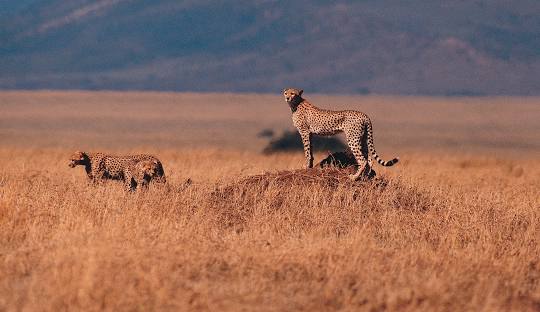
Real guests, real departures, built up over years, not borrowed from a stock library
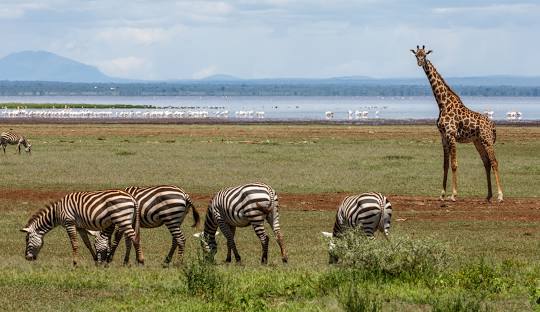
A verifiable, locally accountable operator you can check before you pay
The Soft Scam Most Checklists Miss
The licence check filters out most outright fraud. The harder problem is the operator who is technically licensed but cuts corners: underpaying or under-training guides, quietly swapping the camp you were promised for a cheaper one, or charging a mid-range price and delivering a budget experience. These pass the basic credential test, so you catch them a different way.
Ask specific, checkable questions and see whether the answers are specific and checkable in return. Which exact camp, named, on which night? Is it inside the park or outside the gate? What is the make and age of the vehicle, and is it private to your group? Are the park fees itemised? A corner-cutting operator gives vague, shifting answers. An honest one gives you the name, the location and the number, in writing, because it has nothing to hide.
Extra tips before you pay
Ask for references
A stable operator will happily share contact details for a few recent guests. Choose who to contact yourself rather than accepting a curated shortlist, and ask them plainly whether the trip matched what was promised.
Watch for park-gate enforcement
Tanzanian authorities have been tightening enforcement against unlicensed operators, including checks at park entrance gates for a valid TALA licence and tax clearance. A vehicle without valid documentation can be turned back at the gate, so this is a risk that can strand you mid-trip, not just an online concern.
Use chargeback protection
Pay your deposit by card where possible. A wire transfer or cash-wire service like Western Union gives you no way to claw the money back if something goes wrong; a card payment does.
Treat reviews as a last check, not a first one
Website testimonials and even some review counts can be fabricated, increasingly with AI. Google Maps reviews and an established TripAdvisor profile are harder to fake. Verify the licence and payment safety first, then read reviews as a quality signal rather than a legitimacy test.
TATO membership: a bonus, not a requirement
TATO membership is not compulsory, and some legitimate licensed operators are not members. But because TATO requires a valid TALA licence to join and its member list is public, membership is a useful positive signal on top of, not instead of, checking the licence itself.
Book With an Operator You Can Verify
Ask us for our licence, our references and our company bank details, and we will send them. Tell us your dates and group size and you will get an itemised quote with every fee shown, not a mystery total.
- Ask for our TALA licence. We send the number and a scanned copy without hesitation.
- Cross-check us. Look us up on the public TATO member list and on TripAdvisor.
- Ask for references. We will share contact details for recent guests of your choosing.
- Get an itemised quote. Every park fee, the vehicle, the guide and the camps shown by name.
- Pay safely. A 20 to 30 percent deposit by card or to our company account, balance due before travel.