In Short
Lake Manyara packs more variety into a single day than any other park near Arusha. In a few hours you travel from a dense groundwater forest alive with baboons and blue monkeys, out onto open floodplains grazed by elephants and buffalo, to the edge of a shallow soda lake where flamingos gather in season. It is famous for lions that sometimes rest in the acacia trees, though these are a lucky bonus rather than a promise. A private day trip starts at US$220 per person, including all park fees, a 4x4 and a professional guide. This page covers the wildlife, the flamingos, the best time to visit, real prices by group size and everything included.
Overview
Lake Manyara National Park lies on the eastern edge of the Great Rift Valley in northern Tanzania, cradled between the dramatic red cliffs of the Rift escarpment and the shining soda lake that gives the park its name. It is a compact park, covering roughly 330 square kilometres, of which around two thirds is the lake itself. That small size is its great strength for a day trip: the habitats change quickly, so you experience forest, floodplain, woodland and lake shore in the space of a few hours rather than a few days.
Ernest Hemingway once called the setting the loveliest he had seen in Africa, and it is easy to understand why. As you enter through the village of Mto wa Mbu, the road plunges into a cool groundwater forest fed by springs from the escarpment, where the canopy closes overhead and troops of baboons move through the shade. Then the trees open and the landscape widens to grassland and the vast pale lake beyond. Kai Tours and Safaris runs this as a private trip, with your own 4x4 and guide, so you can linger wherever the park rewards it.
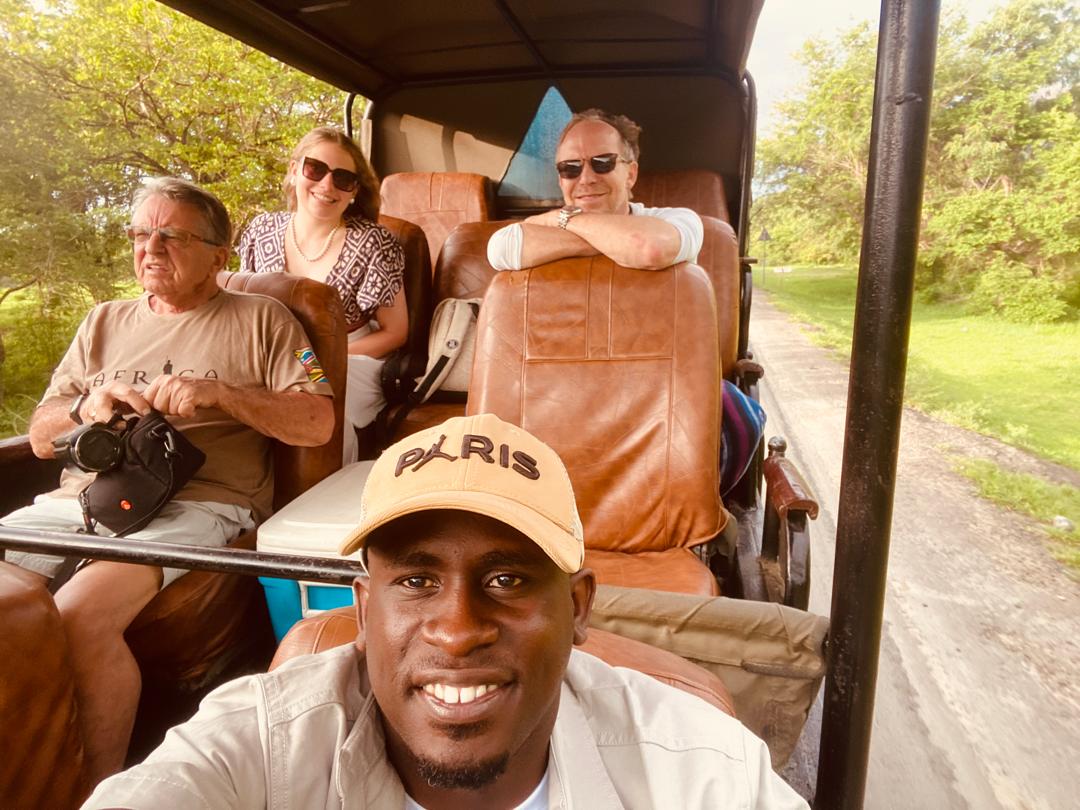
Memorable Manyara National Park safari
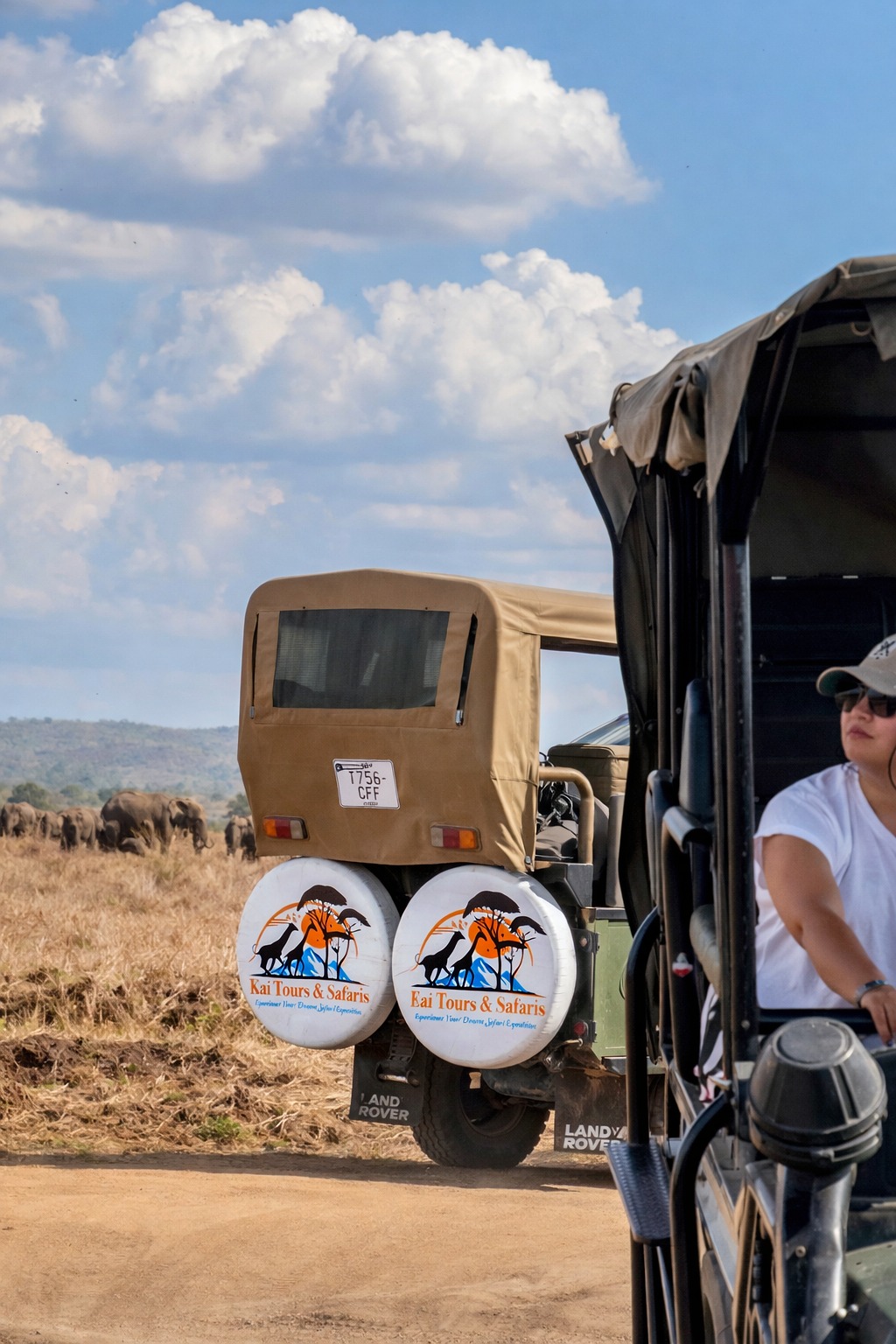
Our luxurious 4x4 safari Land Cruiser at Manyara National Park
Why Lake Manyara is special
The groundwater forest
Unlike the dry savannah of most northern parks, Manyara opens with lush, evergreen forest fed not by rain but by underground springs seeping from the base of the Rift wall. This unusual habitat supports troops of olive baboons, among the largest in Africa, and shy blue monkeys in the canopy. Birds call from every direction, and the change from the open plains most people expect is what makes the first hour here so memorable.
The Rift Valley setting
The park is defined by the towering escarpment that rises sharply to the west, a wall of ancient rock hundreds of metres high that frames every view. The contrast between the sheer cliffs, the green forest and the pale mirror of the lake gives Manyara some of the most photogenic scenery on the whole circuit, particularly in the soft light of late afternoon.
The soda lake and its birds
The shallow alkaline lake is the park's beating heart. Its mineral-rich waters support blooms of algae that feed flamingos, and its shores draw pelicans, storks, herons and countless waders. When the water is high and the algae plentiful, the shoreline can turn pink with flamingos, one of the great sights of northern Tanzania.
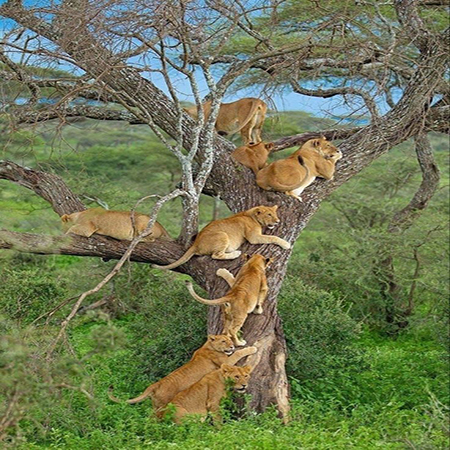
The truth about the tree-climbing lions
Lake Manyara is famous around the world for its tree-climbing lions, and it is the single most common reason people ask to visit. So here is the honest picture, because it matters for setting your expectations correctly.
Lions here do sometimes rest draped over the branches of acacia and sausage trees, a behaviour that is unusual and not fully explained, though most guides believe it helps them escape biting insects, catch a cooling breeze, or simply survey the plains. It is a genuine and wonderful thing to witness. But it is unpredictable and cannot be guaranteed on any given day. The lions are not always in the trees, and on many visits they are not seen at all, because Manyara's dense vegetation makes any big cat hard to find.
An honest operator will never promise you a tree-climbing lion, and we do not. What we can promise is a rich and varied day of wildlife and scenery, with elephants, hippos, giraffes, baboons and, in season, flamingos all far more reliable than the lions. Come for the park as a whole, and treat a lion in a tree as the extraordinary bonus it is, and you will leave delighted rather than disappointed.
What you will see, honestly
Manyara is a park of variety rather than sheer numbers, and it is best thought of as a birding, scenery and general-game park rather than a big-cat destination. Here is an honest guide to the wildlife and how likely you are to see it on a day trip.
| Animal | Likelihood on a day trip |
|---|---|
| Olive baboon and blue monkey | Very high, especially in the forest |
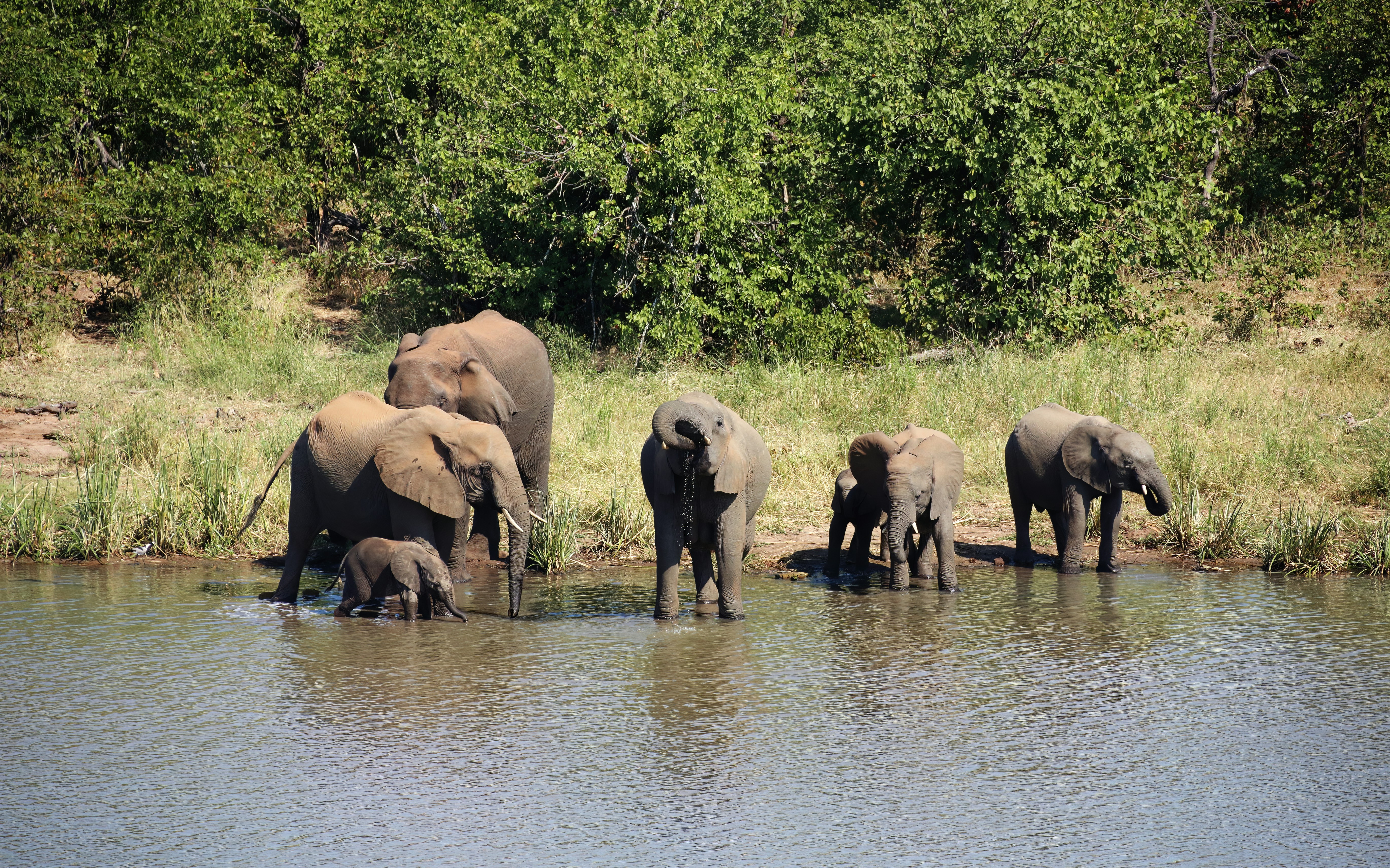
| Elephant | High, often in the forest and woodland |
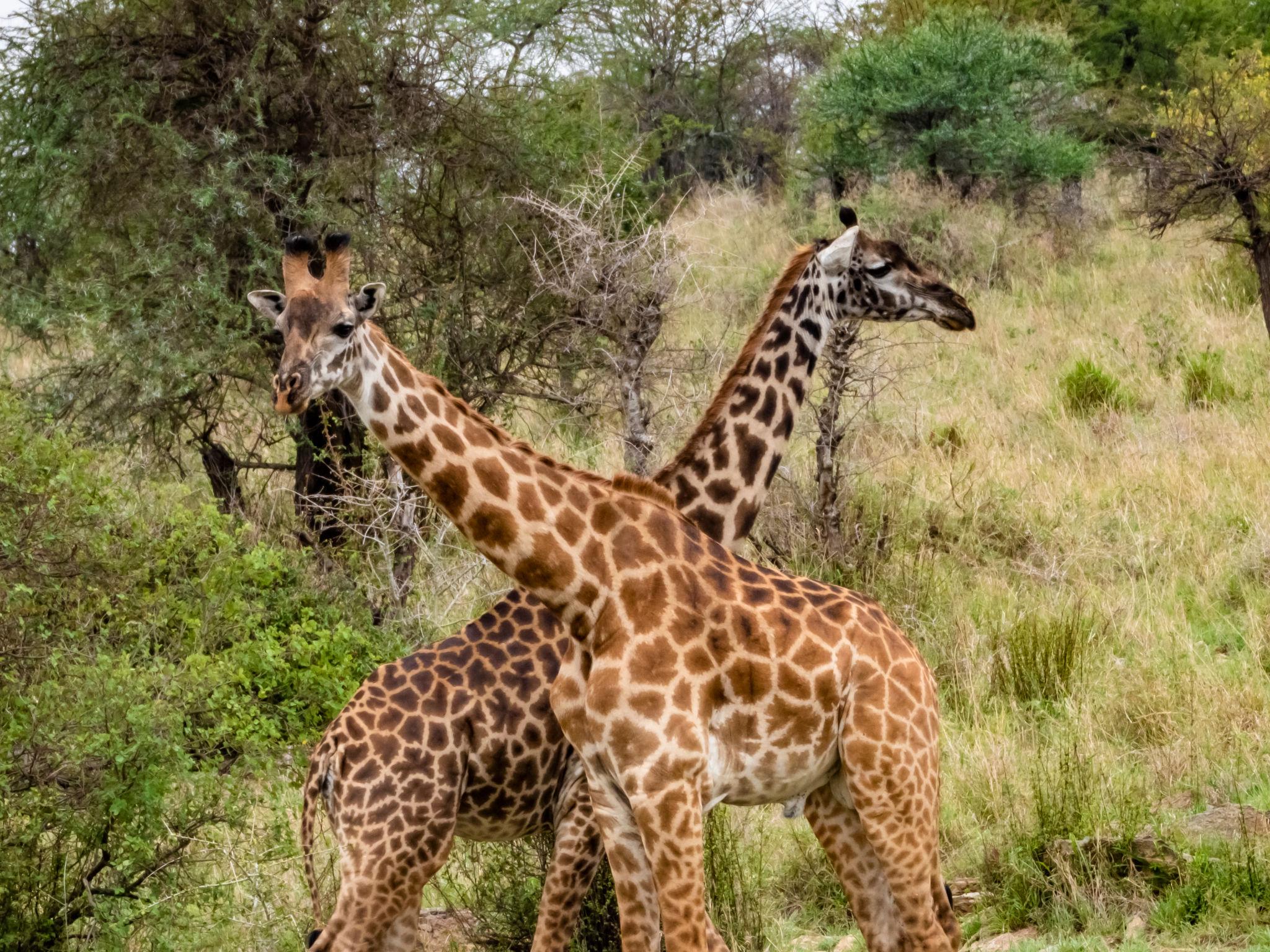
| Giraffe, zebra, impala, buffalo | High on the floodplains |
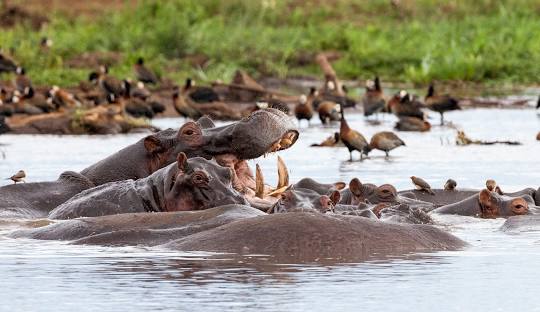
| Hippo | High, in the pools near the hippo area |
| Bushbuck, waterbuck, warthog | Common |
| Flamingo and pelican | Seasonal, best in the wet season |
| Lion, including tree-climbing | Present but elusive, never guaranteed |
| Leopard | Rarely seen, dense cover hides them |
| Cheetah | Very rare, not a Manyara animal |
| Black rhino | Not present. Rhino are realistically only in the Ngorongoro Crater |
The hippo pool in the north of the park is a reliable highlight, where you can watch pods of hippos wallowing alongside waterbirds. The forest primates are guaranteed entertainment, and the elephants here, moving through dappled forest light rather than open plain, feel different from anywhere else on the circuit.
Explore & Book More Tanzania Day-trip SafarisBirds and flamingos
If Manyara has a single headline act, it is birds. More than 400 species have been recorded here, and a first-time visitor with a good guide can reasonably hope to see a hundred in a single day, an astonishing figure that puts the park among the finest birding destinations in East Africa. The variety comes straight from the range of habitats, because forest, floodplain, woodland and lake each host their own community of birds.
The lake is the great draw. In the wet season, greater and lesser flamingos gather to feed on the algae, sometimes in flocks thousands strong that stain the shoreline pink. Great white pelicans cruise the shallows in squadrons, and yellow-billed storks, herons, spoonbills and countless waders work the mudflats. In the forest and woodland, look for the silvery-cheeked hornbill, crowned eagle, and flashes of colour from bee-eaters and rollers. Because flamingo numbers depend entirely on the water level and the algae, they vary enormously from visit to visit and can never be promised, but when they are present, they are unforgettable.
Day trip itinerary
Timings are a guide and flex with the season, road conditions and the wildlife. Your guide shapes the day to make the most of your time in the park.
Price for 2027 by group size
The price is per person and falls as your group grows, because the 4x4 and guide are shared across everyone in the vehicle. This is why travelling as a group of four is noticeably cheaper per head than travelling as a couple.
| Group size | 1 | 2 | 3 to 4 | 5 to 6 | 7+ |
|---|---|---|---|---|---|
| Price per adult (USD) | $330 | $220 | $195 | $180 | $165 |
Per person, non-East African adults, 2027 indicative rates. Children receive reduced rates. Park fees are reviewed annually by the authorities, so your exact price is confirmed when we quote.
What's included
- • Hotel pick-up and drop-off in Arusha
- • Private 4x4 Land Cruiser with pop-up roof
- • Professional English-speaking guide
- • All park entry fees
- • Government taxes and levies
- • Hot picnic lunch
- • Drinking water
What's excluded
- • International flights and Tanzania visa
- • Travel and medical insurance
- • Tips and gratuities for your guide
- • Breakfast and dinner
- • Personal expenses and souvenirs
- • Anything not listed as included
Best time to visit Lake Manyara
Manyara rewards visitors all year, but the two seasons offer quite different experiences, so it is worth choosing with your priorities in mind.
| Season | Months | What to expect |
|---|---|---|
| Dry season | June to October | Best for large mammals, which concentrate in the forest and near water. Clearer game viewing, easier tracks, busier. Lower lake levels mean fewer flamingos. |
| Wet season | November to May | Best for birds and flamingos as the lake fills and migratory species arrive. The forest is lush and the waterfalls flow, the scenery at its greenest. Some afternoon rain, fewer vehicles, lower prices. |
For big game and comfortable touring, choose the dry season. For flamingos, birdlife and green scenery, choose the wet season. Because flamingo numbers depend on rainfall and lake levels rather than the calendar, they can never be guaranteed in any month, so keep them as a hoped-for highlight rather than the sole reason for your visit.
Getting there and distances
Lake Manyara is one of the closest parks to Arusha and sits directly on the main route to the Ngorongoro Crater and the Serengeti, which is why it slots so easily into almost any northern itinerary. The gate is at the lively market village of Mto wa Mbu at the foot of the Rift Valley escarpment.
| Route | Distance | Drive time |
|---|---|---|
| Arusha to Lake Manyara | ~120 km | 2 to 2.5 hours |
| Moshi to Lake Manyara | ~200 km | ~3 hours |
| Lake Manyara to Tarangire | ~70 km | ~1.5 hours |
| Lake Manyara to Ngorongoro gate | ~60 km | ~1.5 hours |
The route is on good tarmac almost the whole way. Times exclude game-drive hours.
Conservation and the bigger picture
The park entry fees in your price go directly to the Tanzania National Parks Authority, funding the rangers, road maintenance and habitat protection that keep Lake Manyara thriving. This matters more here than the small size of the park might suggest, because Manyara is a designated UNESCO Biosphere Reserve, part of a wider landscape recognised for balancing wildlife protection with the needs of the communities living alongside it.
The park also sits within a critical wildlife corridor. Elephants and other animals move between Manyara, Tarangire and the surrounding lands with the seasons, and keeping those routes open through community land is one of the central conservation efforts in this part of Tanzania. Tourism is what gives that effort its value, because it gives local people a direct stake in living wildlife. The bustling village of Mto wa Mbu at the gate is a good example: an optional cultural visit or a meal there sends your money straight into the local economy, and we are glad to arrange it.
On the ground our guiding is simple and strict: we keep to the tracks, never crowd or feed animals, keep a respectful distance from elephants with calves, and we keep noise down at sightings. Protecting the experience and protecting the wildlife are the same thing.
Good to know before you go
- Dress in light layers. The forest is cool and shaded, the floodplain hot and open. Neutral colours such as khaki and beige are best.
- Bring the essentials. A hat, sunglasses, sunscreen, insect repellent, binoculars for the birds, a camera, and some US dollar cash for tips.
- Binoculars really matter here. More than most parks, Manyara rewards them, for the birds, the forest canopy and lions resting in distant trees.
- Tipping is customary. A tip for your guide is appreciated and not included; US dollar cash is easiest.
- An easy first safari. The compact size and short driving make Manyara relaxed and family-friendly, and child park rates apply.
- Walking safaris and night drives. Available in designated areas by advance arrangement, a rare chance to experience the park on foot or after dark.
- Malaria precautions. Take antimalarial medication and use repellent, and speak to a travel clinic before you travel.