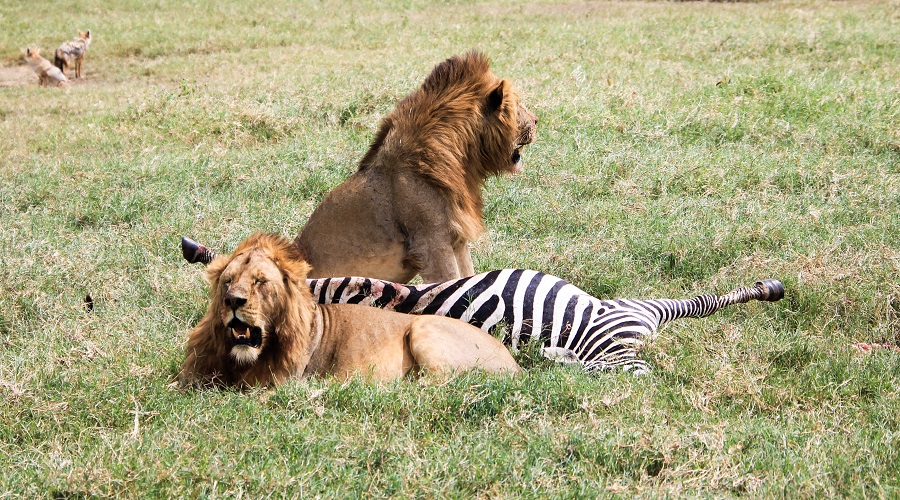
This is the classic Tanzanian Northern Circuit done properly: a private, unhurried 7-day loop from Arusha through Tarangire, two full nights in the central Serengeti, and a full day inside the Ngorongoro Crater. It is built for first-time visitors who want the great parks, the Big Five and, season permitting, the Great Migration, without rushing. The price is US$3,200 per person for a private mid-range safari, based on two sharing, with every park fee and the crater service fee already included. Below is the full day-by-day itinerary, the real lodges, exactly what is included, and the optional upgrades.
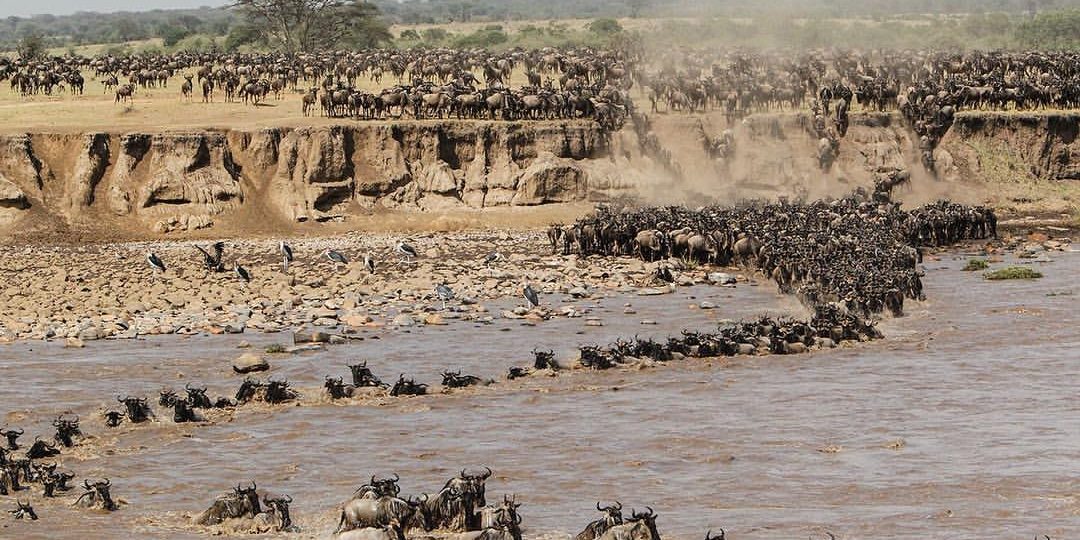
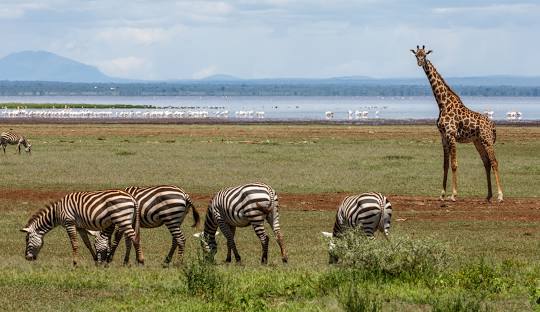
Enjoy the famous wildebeest migration in Serengeti National Park
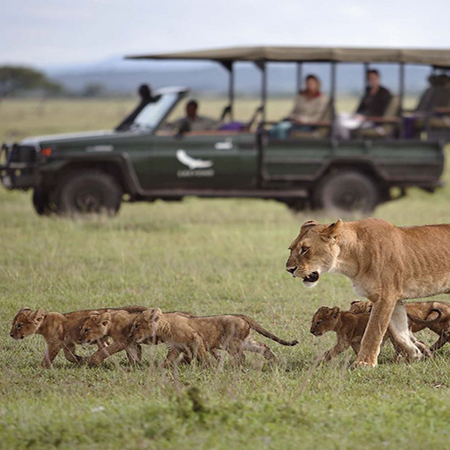
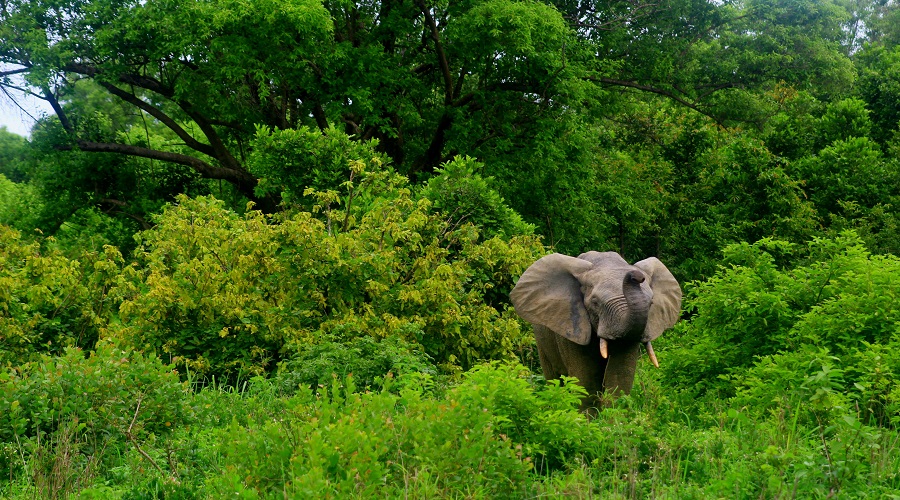
Enjoy the life of the Big 5 during Tanzania safari
The Safari at a Glance
This is the classic Tanzanian Northern Circuit done properly: a private, unhurried 7-day loop from Arusha through Tarangire, two full nights in the central Serengeti, and a full day inside the Ngorongoro Crater. It is built for first-time visitors who want the great parks, the Big Five and, season permitting, the Great Migration, without rushing. The price is US$3,200 per person for a private mid-range safari, based on two sharing, with every park fee and the crater service fee already included.
A 7-day, 6-night Northern Circuit safari is one of the finest wildlife experiences Tanzania has to offer, combining spectacular landscapes with exceptional game viewing in some of Africa's most renowned national parks. This itinerary covers three of them in a natural loop, each chosen because it offers something the others do not.
Tarangire brings the elephants and the baobabs, a landscape of golden savannah and ancient trees where the great herds gather along the river. The Serengeti brings scale and predators, an ocean of grass stretching to the horizon that holds the highest concentration of big cats in Africa and, for much of the year, the wildebeest of the Great Migration. And the Ngorongoro Crater brings intensity, a self-contained world on the floor of a collapsed volcano where an astonishing density of wildlife lives within walls six hundred metres high. Together they give you three completely different safaris in a single week, which is exactly why this is the classic first-timer's route and why so many travellers rate it the trip of a lifetime. The pace is deliberately unhurried, with two full nights in the Serengeti and a dedicated crater day, so you experience each park properly rather than rushing between gates.
| Day | Route | Overnight |
|---|---|---|
| 1 | Arrive JRO or Arusha, transfer to Arusha | Arusha |
| 2 | Arusha to Tarangire, full-day game drive | Tarangire area |
| 3 | Tarangire to central Serengeti via the highlands | Central Serengeti |
| 4 | Full day in the Serengeti | Central Serengeti |
| 5 | Serengeti to Ngorongoro, morning game drive en route | Karatu / crater rim |
| 6 | Ngorongoro Crater floor, then transfer to Arusha | Arusha |
| 7 | Breakfast, transfer to JRO or Arusha for departure | - |
Why this itinerary works
The order of the parks is not accidental. Starting with Tarangire eases you gently into the safari on the closest major park to Arusha, so your first full day is wildlife rather than a marathon drive. Building up to two nights in the Serengeti puts the heart of the trip in the middle, when you are rested and your eye is trained, and gives the plains the time they deserve. Finishing on the Ngorongoro Crater is deliberate too, because after the vastness of the Serengeti the crater delivers a completely different kind of spectacle, a dense, contained abundance that makes a spectacular finale before the drive back to Arusha. The loop also means you rarely retrace your steps, so almost every hour on the road brings new country.
Two nights in the same Serengeti camp matters more than it sounds. It means you unpack once, your guide learns where the wildlife is moving, and you can be out at first light without breaking camp, which is precisely when the plains are at their most active. This is the single biggest advantage of a 7-day trip over a rushed 4 or 5-day version: time in the Serengeti, where time is what turns a good safari into a great one.
Your Route Map
The safari runs as a clockwise loop from Arusha: south to Tarangire, northwest across the highlands into the Serengeti, then east to the Ngorongoro Crater and back to Arusha.
Day-by-Day Itinerary
Arrival in Arusha
- Arrive at Kilimanjaro International Airport (JRO) or Arusha Airport, where our safari representative meets and greets you.
- Private transfer to your accommodation in Arusha.
- Safari briefing with your guide, covering the route, the wildlife and what to expect, followed by an overnight stay to rest after your flight.
Overnight: Arusha, mid-range. Meals: dinner.
Arusha to Tarangire National Park
- Depart after breakfast for Tarangire, about a 2 to 2.5 hour drive southwest of Arusha.
- A full-day game drive in Tarangire, famous for the largest elephant herds in northern Tanzania and its landscape of ancient baobab trees, with a picnic lunch by the Tarangire River.
- Watch for lions, giraffes, zebra, buffalo and, for keen birders, some of the richest birdlife on the circuit.
Overnight: Tarangire area, mid-range. Meals: breakfast, lunch, dinner.
Tarangire to the Central Serengeti
- A scenic drive northwest, climbing through the Ngorongoro Highlands with their cultivated slopes and Rift Valley views, then descending onto the endless Serengeti plains.
- Wildlife viewing en route as you enter the park, with the landscape opening into the grasslands the Serengeti is famous for.
- An afternoon game drive in the central Serengeti as you make your way to camp.
Overnight: Central Serengeti, mid-range. Meals: breakfast, lunch, dinner.
Full day in the Serengeti
- A full day exploring the central Serengeti with morning and afternoon game drives, the heart of the safari.
- Search the plains, rivers and kopjes for lion, cheetah, elephant, giraffe and, with luck and a sharp-eyed guide, the elusive leopard.
- Depending on the season, the Great Migration herds may be moving through the region, bringing dramatic predator activity in their wake.
Overnight: Central Serengeti, mid-range. Meals: breakfast, lunch, dinner.
Serengeti to Ngorongoro Conservation Area
- A morning game drive in the Serengeti as you begin the journey east.
- Afternoon transfer toward the Ngorongoro Conservation Area, with a chance to stop at the Olduvai Gorge, one of the world's most important prehistoric sites, on request.
- Arrive at your lodge on the crater rim or in nearby Karatu, with the caldera revealed below you.
Overnight: Karatu or crater rim, mid-range. Meals: breakfast, lunch, dinner.
Ngorongoro Crater tour, then Arusha
- An early descent into the Ngorongoro Crater, the world's largest intact volcanic caldera and the densest concentration of wildlife in Africa.
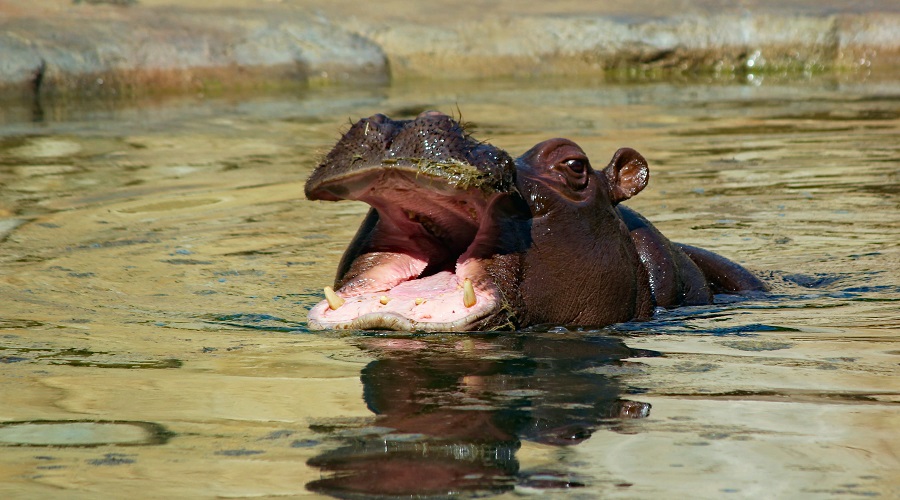
- A full game drive on the crater floor with a picnic lunch, seeking lion, elephant, buffalo, hippo and the resident black rhino.
- Ascend and transfer back to Arusha in the afternoon for your final overnight.
Overnight: Arusha, mid-range. Meals: breakfast, lunch, dinner.
Departure
- Breakfast at your hotel.
- Private transfer to Kilimanjaro International Airport (JRO) or Arusha Airport for your onward flight.
Meals: breakfast.
What you will see, honestly
This route is one of the best in Tanzania for wildlife variety, because the three parks complement each other. Here is an honest guide to the Big Five and the other iconic animals across the week.
| Animal | Where and likelihood |
|---|---|
| Lion | High, in the Serengeti and the crater |
| Elephant | Very high, Tarangire above all |
| Cape buffalo | Very high, all three parks |
| Black rhino | Realistically the Ngorongoro Crater only, around 30 resident |
| Leopard | Present, mainly Serengeti, but elusive and never guaranteed |
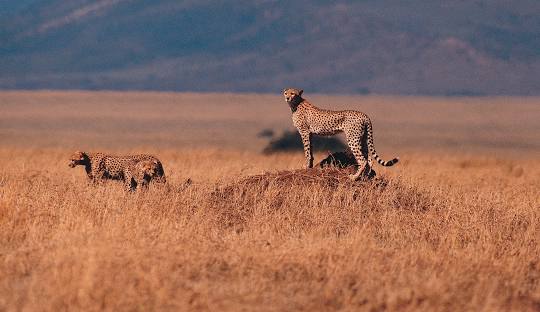
| Cheetah | The Serengeti plains, moderate chance |
| Giraffe, zebra, wildebeest, hippo | Very high, across the parks (no giraffe on the crater floor) |
| Great Migration herds | Serengeti, seasonal, depends on the month |
So can you see the Big Five? You have a strong chance of four, with the crater providing the rhino. Leopard is the one that decides a full Big Five, and no honest operator will promise it. What this route does guarantee is variety: elephant country, the endless plains and their predators, and the concentrated spectacle of the crater, three completely different worlds in one week.
Tarangire: the home of giants
Tarangire holds some of the largest elephant concentrations in northern Tanzania. In the dry season, when the surrounding land bakes, the Tarangire River becomes a lifeline and elephants pour in from across the wider ecosystem, sometimes a hundred or more moving together along the banks. Beyond the elephants, the park is superb for general game, with giraffe, zebra, wildebeest, buffalo and impala, plus lions that occasionally rest in the trees. It is also one of the best birding parks on the circuit, with over 550 recorded species. The ancient baobabs, some many centuries old, give the landscape a character found nowhere else on the route.
The Serengeti: the endless plains
The Serengeti is the reason most people come to Tanzania, and its scale is difficult to grasp until you are in it. The central region, where you spend two nights, is known as the Seronera and is one of the most reliable areas in the whole park for predators, with resident lion prides, cheetah on the open grasslands and leopard draped in the riverine trees along the Seronera River. The rocky outcrops called kopjes, rising from the plains like islands, are favourite lookouts for lions and a highlight for photographers. Depending on the season, the Great Migration may be moving through, but even when the herds are elsewhere, the resident wildlife of the central Serengeti makes it one of the finest game-viewing areas in Africa.
The Ngorongoro Crater: a world within walls
The Ngorongoro Crater is the world's largest intact volcanic caldera, roughly 260 square kilometres of crater floor enclosed by walls around six hundred metres high. Within them lives an estimated 25,000 to 30,000 large animals permanently, including around 60 lions, some 6,000 spotted hyenas, roughly 300 elephants and about 30 black rhino. That density, on open ground where you can see for miles, is why one crater day can outshine several days elsewhere. It is the single best place on this itinerary, and one of the best in Africa, to see black rhino. Note there are no giraffes on the crater floor, because the descent roads are too steep for them, and no baobabs; those belong to Tarangire.
The Great Migration and timing
Many visitors hope to witness the Great Migration, the year-round movement of around two million wildebeest, zebra and gazelle across the Serengeti ecosystem. It is worth being clear about how it works, because the migration is not in one fixed place.
The herds follow the rains in a rough clockwise circuit. Around December to March they gather in the southern and central Serengeti for the calving season, when hundreds of thousands of calves are born and predators are at their most active. Through April and May they move north and west. From roughly July to October they are in the far north, where the dramatic Mara River crossings take place near the Kenyan border. Because this itinerary stays in the central Serengeti, it is best positioned for the migration in the green and calving months and when the herds are passing through, and less so in the peak dry season when they are further north.
Price and what is included
The private mid-range safari is US$3,200 per person, based on two people sharing. The price already includes every park and conservation fee and the Ngorongoro Crater service fee, so there are no surprises at the gate.
What is Included
- Airport pick-up on arrival
- Airport drop-off after the safari
- Private 4x4 Toyota Land Cruiser with pop-up roof
- Professional English-speaking driver-guide
- All national park and conservation area entry fees
- Ngorongoro Crater service fee
- Full-board accommodation during the safari
- Drinking water throughout the safari
- Government taxes and VAT
Not Included
- International and domestic flights
- Visa fees
- Travel insurance
- Personal expenses
- Tips and gratuities for your guide and lodge staff
- Optional activities and upgrades
- Alcoholic and soft drinks unless stated
Per person, based on two sharing, mid-range private safari, 2027 indicative rate. The price varies with group size, season and final lodge choice, and park fees are reviewed annually. Your exact price is confirmed at the time of quoting.
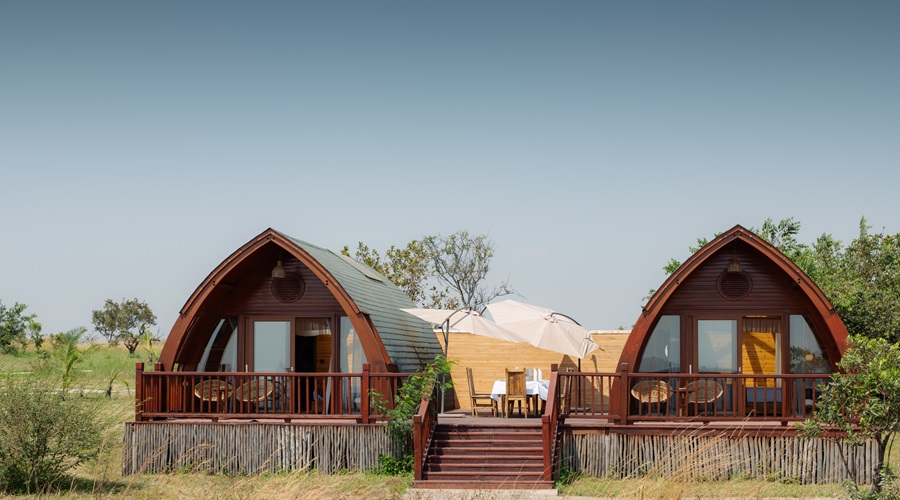
The affordable and worth your visit lodges to relax during Northern Circuit Tanzania Safari
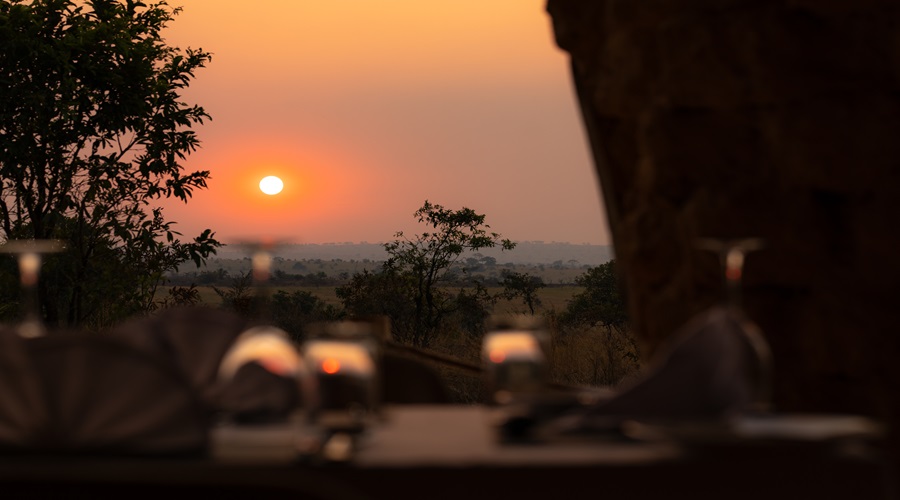
Lodges with best location to view sunrise and sunset locates inside the Parks
Your mid-range lodges
Mid-range in Tanzania means a comfortable en-suite room or a permanent tented camp with proper beds, hot water and full-board dining, well placed for the parks. These are the properties this itinerary uses, or similar, subject to availability at the time of booking.
| Night | Location | Lodge or similar |
|---|---|---|
| 1 and 6 | Arusha | Green Mountain Hotel |
| 2 | Tarangire area | Eileen's Trees Inn or Marera Valley Lodge |
| 3 and 4 | Central Serengeti | Tanzania Bush Camps Central Serengeti |
| 5 | Karatu / Ngorongoro | Country Lodge Karatu |
Optional upgrades and add-ons
Any part of this safari can be enhanced. These are the most popular additions, quoted separately so you only pay for what you choose.
| Upgrade | What it adds | Indicative price |
|---|---|---|
| Hot air balloon safari, Serengeti | A dawn flight over the plains, ending with a champagne bush breakfast. | ~$599 pp |
| Luxury lodge upgrade | The same route in luxury lodges and tented camps. | On request |
| Inside-park Serengeti camps | Sleep deeper in the park for dawn and dusk on the plains. | On request |
| Lake Manyara day | Add the groundwater forest, flamingos and tree-climbing lions. | On request |
| Maasai village visit | A cultural visit to a Maasai boma near Karatu. | ~$25 pp |
| Olduvai Gorge | A stop at the famous prehistoric site. | On request |
| Zanzibar beach extension | Finish with a few nights on the island. | On request |
Because this itinerary is based in the central Serengeti, the green and calving months are especially well suited to it. Tell us when you can travel and we will tell you honestly what to expect.
Best time to travel
There is no wrong time for this safari, only different strengths by season.
| Season | Months | What to expect |
|---|---|---|
| Dry, peak | June to October | Easiest general game viewing, the migration in the northern Serengeti. Busiest and priciest. |
| Calving | January to February | The migration in the southern and central Serengeti, superb predator action. |
| Green, value | March to May and Nov | Lush, quiet and best value. The crater and Tarangire remain excellent. |
Practical information
Getting there
The safari begins and ends at Kilimanjaro International Airport (JRO), the main gateway to northern Tanzania, or at the smaller Arusha Airport (ARK) in town. Most international visitors fly into JRO, which is about 45 minutes from Arusha. We meet you on arrival regardless of which airport you use, so all you need to do is clear immigration and look for your name.
Visa and passport
Most visitors need a tourist visa, best arranged in advance as an e-visa through the official Tanzania immigration portal, though visa on arrival is available at JRO. A standard tourist visa costs about US$50, while US citizens are issued a US$100 multiple-entry visa. Your passport should be valid for at least six months beyond your travel dates with blank pages for stamps.
Health and vaccinations
No vaccine is mandatory unless you are arriving from or transiting a yellow-fever country, in which case a yellow-fever certificate is required. Malaria is present, so take antimalarial medication and use insect repellent, especially in Tarangire and the Serengeti. Visit a travel clinic four to six weeks before departure for personal advice, and carry any medication in your hand luggage.
What to pack
Pack light in a soft bag, in neutral colours such as khaki, beige and olive. Bring layers for cool mornings and the cold crater rim, a hat, sunglasses, sunscreen, insect repellent, binoculars, a good camera with a zoom lens and spare batteries, comfortable closed shoes, personal medication and some US-dollar cash for tips. A light rain jacket is useful in the green season. The crater rim sits at around 2,300 metres and is genuinely cold at dawn, so a warm fleece is not optional.
Money and tipping
US dollars are widely accepted, and notes should be from 2009 or newer. Lodges take cards, but carry cash for tips and small purchases. Tipping is customary and not included: budget around US$20 to US$30 per day for your driver-guide, charged per group, plus a small contribution to the lodge staff tip box. Over the week that is roughly US$150 to US$250 per couple.
Travelling with children
This safari suits families. A private vehicle means the days can be paced around younger children, child park rates apply, and family rooms can be arranged at most lodges. Tell us your children's ages when you enquire and we will advise on the best lodges and any age considerations for the crater and the balloon.
How to book
- Confirm the itinerary. Review the route above and tell us of any changes, upgrades or add-ons you would like.
- We send your quotations. We prepare the multiple safari breakdown quotations you requested, so you can compare mid-range and upgraded options side by side.
- Secure your dates. A 30 percent deposit confirms the booking, by bank transfer or card.
- We arrange everything. Permits, lodges, vehicle, guide and transfers, under one confirmed itinerary.
- Pay the balance and travel. The balance is due before your safari begins. Then bring a camera and a warm layer for the crater rim.
Frequently Asked Questions