This is our fullest budget camping safari, and the difference is two nights in the Serengeti rather than one. Over five days you camp through Tarangire, spend a full day and two nights on the central Serengeti plains, and finish at the Ngorongoro Crater, all in tents at the parks' public campsites. That second Serengeti night is the single biggest quality jump in a camping safari, giving you dawn and dusk on the plains when the predators hunt. A safari cook handles every meal and you game drive in a private 4x4. It is real adventure from US$2,050 per person, with every park fee, camping fee and the Ngorongoro Crater service fee included.
The safari at a glance
If the Serengeti is the reason you are coming to Tanzania, this is the camping safari to choose. Where a 4-day trip gives the plains a single night, this 5-day route gives them two, and a full uninterrupted day of game driving in between. That is the difference between a glimpse of the Serengeti and a real immersion in it, and it does so under canvas to keep the cost far below a lodge safari.
| Day | Route | Camp |
|---|---|---|
| 1 | Arusha to Tarangire, full-day game drive | Campsite near Tarangire / Mto wa Mbu |
| 2 | Tarangire to the central Serengeti, afternoon game drive | Public campsite, central Serengeti |
| 3 | Full day in the central Serengeti | Public campsite, central Serengeti |
| 4 | Serengeti morning drive, then up to the crater rim | Simba Campsite, Ngorongoro rim |
| 5 | Dawn descent into the Ngorongoro Crater, then Arusha | - |
Why two nights in the Serengeti matters
One night in the Serengeti means you arrive in the afternoon and leave the next morning, with a single evening drive in between. Two nights changes everything. You unpack once, your guide learns where the wildlife is moving, and you can be out on the plains at first light and again at dusk, which is exactly when lions, leopards and cheetahs hunt. A full middle day lets you range further across the central Serengeti, or track the migration if it is in the area. For only one extra day, you roughly double your time in the greatest wildlife arena on earth, which is why we recommend the 5-day trip to anyone for whom the Serengeti is the priority.
What budget camping really means
Camping safaris are often sold on atmosphere alone, so here is the honest, complete picture of what you are booking, because knowing exactly what to expect is what makes the trip enjoyable.
Where you sleep
You stay at the official public campsites serving the parks, not in lodges. That includes a campsite near Tarangire or the village of Mto wa Mbu, a public campsite in the central Serengeti near Seronera for two nights, and the well-known Simba Campsite on the Ngorongoro crater rim. We pitch comfortable dome tents with proper sleeping mattresses inside, and provide camp chairs and a dining area. You sleep in a tent, but not on the ground.
Camping in the Serengeti, honestly
The public campsites in the central Serengeti are unfenced, which means wildlife can and sometimes does wander through at night. This is part of the adventure, and it is safe if you follow the simple rules your guide explains: stay in your tent after dark, keep a torch handy, and never leave food in the open. Camp staff are present through the night. With two nights here, you get to relax into it, and many campers say the second night, once the initial nerves have passed, is when the magic of sleeping on the open plains truly lands.
The facilities
Public campsites have basic, shared facilities: simple blocks with flush or long-drop toilets and cold or solar-warmed showers. They are clean but plain, and you share them with other campers. Electricity is limited, usually only for charging at a central point, so bring a power bank. This is the trade you make for the lower price.
The food and the crew
A dedicated safari cook travels with your group and prepares all your meals fresh at camp: a cooked breakfast, a packed picnic lunch in the parks, and a three-course dinner in the evening. You travel in a private 4x4 Land Cruiser with a pop-up roof and your own professional driver-guide. Budget refers to the accommodation, not the safari: your game drives, guiding and vehicle are the same quality as on a lodge trip.
Day-by-Day Itinerary
Arusha to Tarangire National Park
- Early pick-up from your Arusha hotel or the airport, meeting your guide and cook and loading the camping gear.
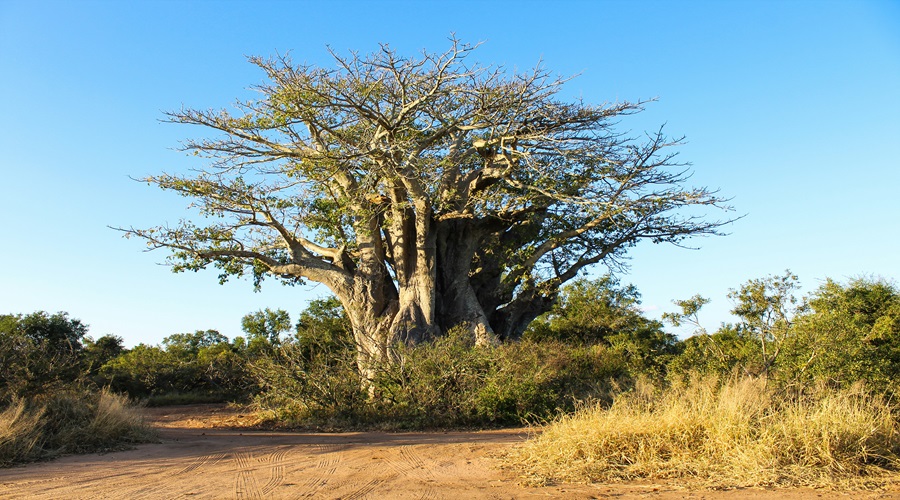
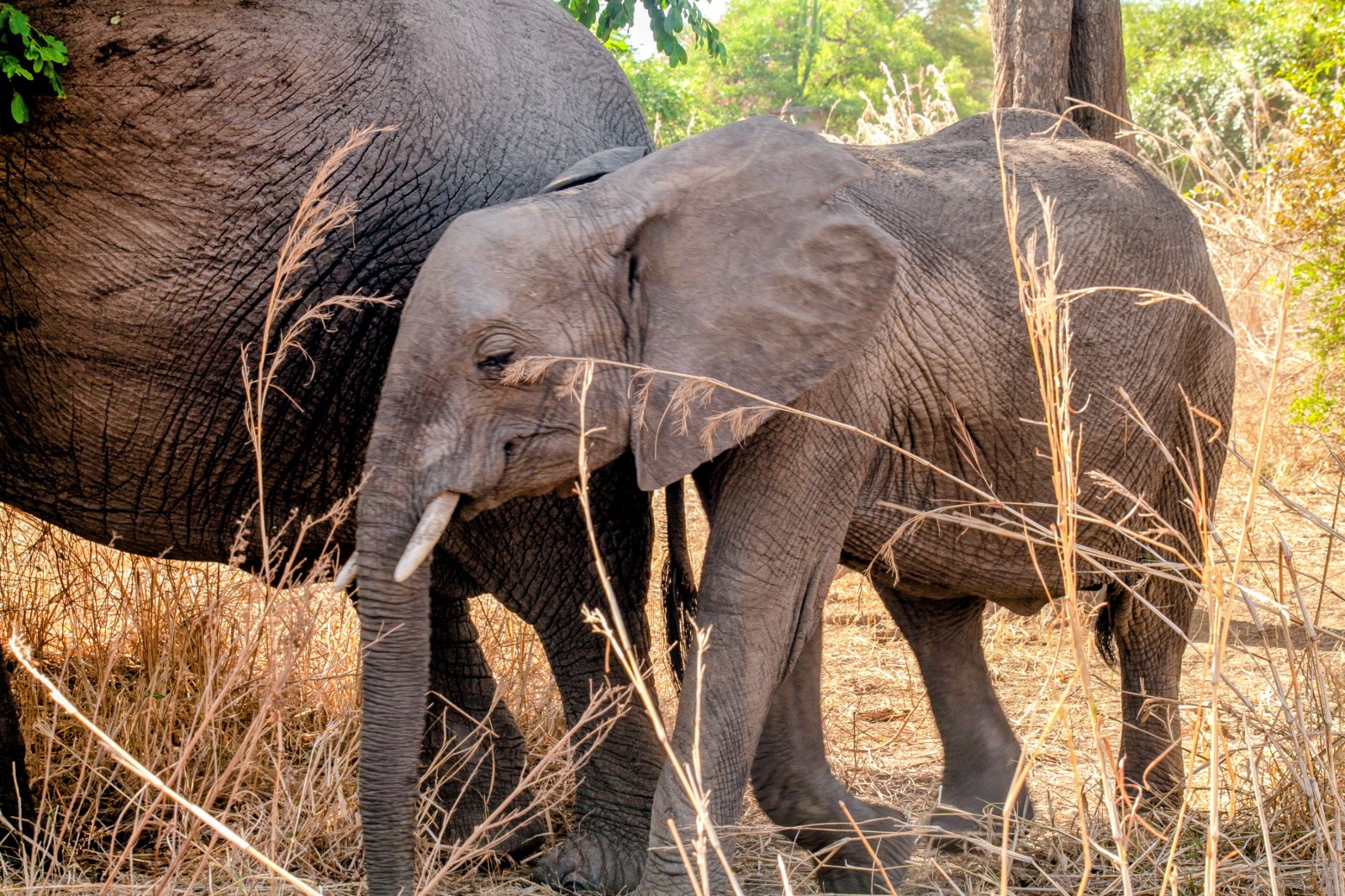
- Drive to Tarangire, about 2 to 2.5 hours, for a full-day game drive among the largest elephant herds in northern Tanzania and its ancient baobab trees, with a picnic lunch in the park.
- In the late afternoon, head to your campsite near Tarangire or Mto wa Mbu, where your tents are pitched and your cook prepares dinner under the stars.
Camp: near Tarangire / Mto wa Mbu. Meals: lunch, dinner.
Tarangire to the central Serengeti
- After breakfast, a long, scenic drive northwest, climbing through the Ngorongoro highlands and descending onto the vast Serengeti plains, with wildlife viewing as you enter the park.
- An afternoon game drive in the central Serengeti as you make your way to camp, when predators are often on the move.
- Arrive at your public campsite in the heart of the Serengeti for the first of two nights on the open plains.
Camp: central Serengeti public campsite. Meals: breakfast, lunch, dinner.
Full day in the central Serengeti
- A full day exploring the Serengeti with morning and afternoon game drives, the heart of the safari and the reason for the extra day.
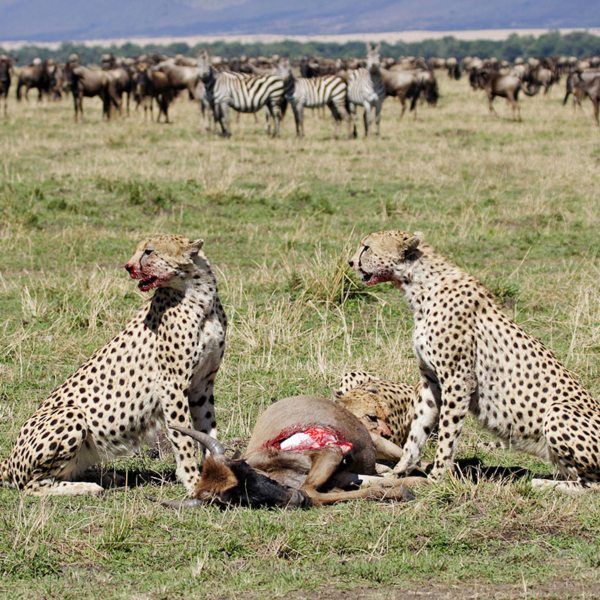
- Range across the plains, rivers and kopjes in search of lion prides, cheetah on the open grassland and leopard resting in the riverine trees.
- If the season is right, spend time with the Great Migration herds and the dramatic predator activity that follows them. Return to the same camp for a second night on the plains.
Camp: central Serengeti public campsite. Meals: breakfast, lunch, dinner.
Serengeti to the Ngorongoro crater rim
- A morning game drive in the Serengeti as you begin the journey east, making the most of the early light.
- Drive out of the park and up into the Ngorongoro highlands, with a chance to stop at Olduvai Gorge on request.
- Set up camp at the Simba Campsite on the Ngorongoro crater rim, at around 2,400 metres. It is cold at night here, but the setting above the caldera is unforgettable. Dinner at camp.
Camp: Simba Campsite, Ngorongoro rim. Meals: breakfast, lunch, dinner.
Ngorongoro Crater, then return to Arusha
- An early breakfast and a dawn descent into the Ngorongoro Crater, the world's largest intact volcanic caldera and the densest concentration of wildlife in Africa.
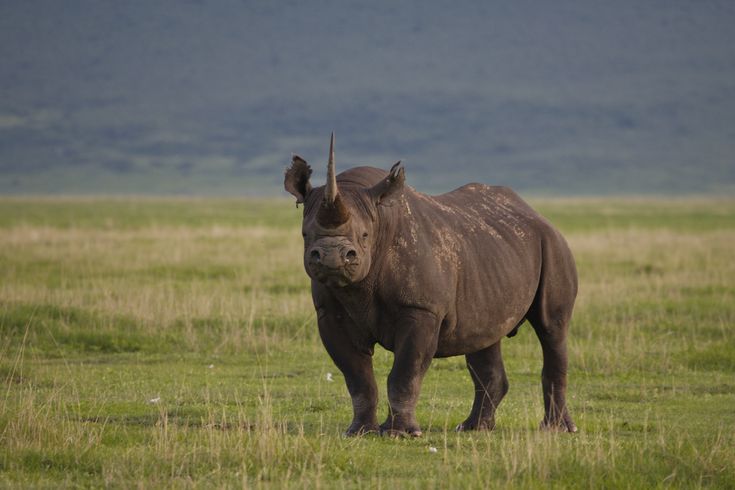
- A full morning game drive on the crater floor with a picnic lunch, seeking lion, elephant, buffalo, hippo and the resident black rhino, one of the best rhino chances in Tanzania.
- Ascend in the afternoon and drive back to Arusha, arriving in the early evening for your drop-off at your hotel or the airport.
Meals: breakfast, lunch.
What you will see, honestly
Two full days in the Serengeti make this the strongest camping route for predators, and the crater completes the picture with a genuine rhino chance. Here is an honest guide to what to expect, and one common claim to be wary of.
| Animal | Where and likelihood |
|---|---|
| Elephant | Very high, Tarangire above all |
| Cape buffalo | Very high, all three parks |
| Lion | High, Serengeti and the crater |
| Black rhino | Realistically the Ngorongoro Crater only, around 30 resident |
| Leopard | Best chance with two Serengeti days, but elusive and never guaranteed |
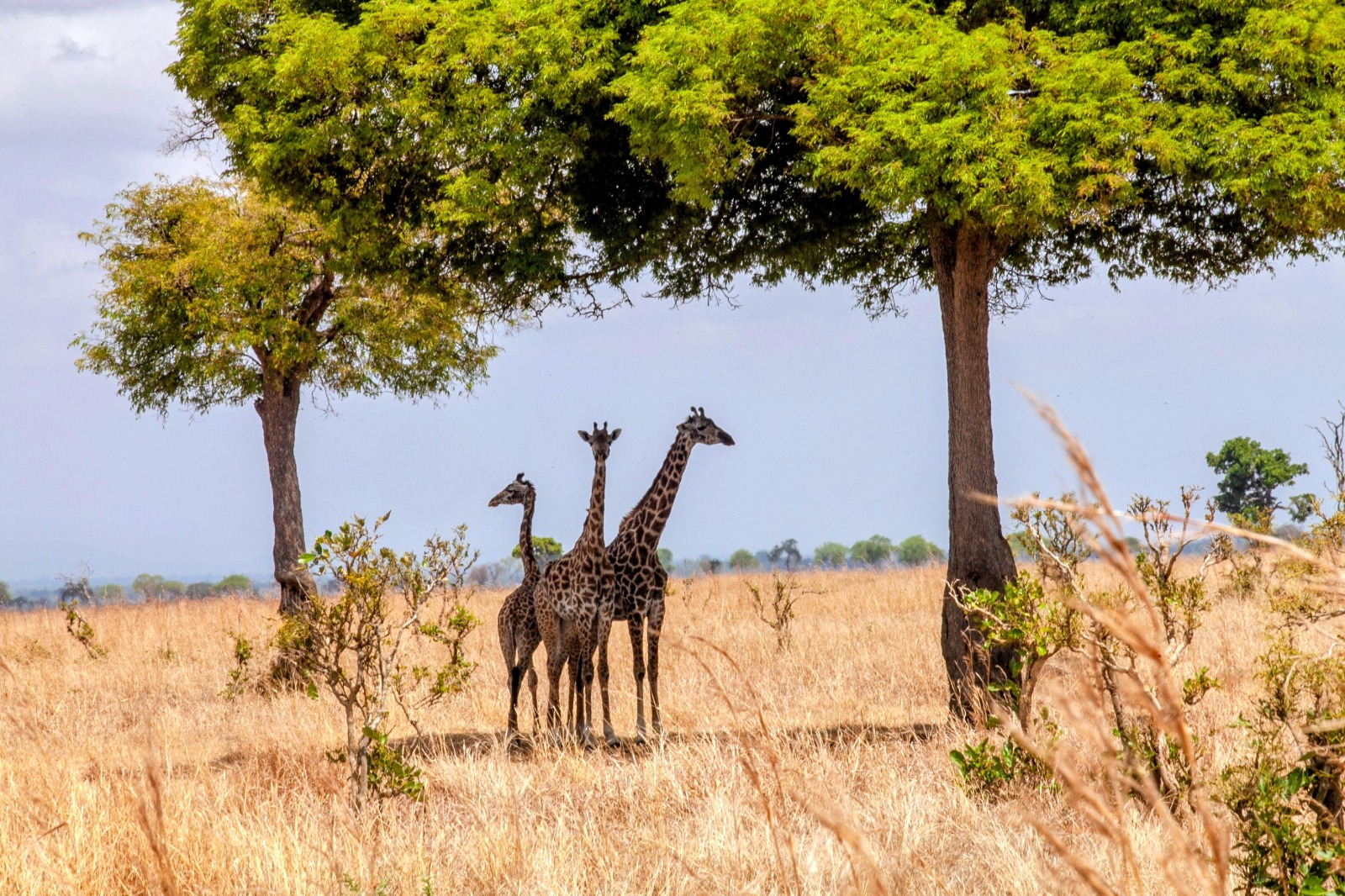
| Cheetah | The Serengeti plains, good chance over two days |
| Giraffe, zebra, wildebeest, hippo | Very high (no giraffe on the crater floor) |
| Great Migration herds | Serengeti, seasonal, depends on the month |
So can you see the Big Five? You have an excellent chance of four, with the crater providing the rhino. Leopard is the one that decides a full five, and two days in the Serengeti give you the best chance of the whole trip, but no operator can promise it. What this route reliably delivers is elephant country, deep time with the Serengeti's predators, and the concentrated spectacle of the crater floor.
The Great Migration and timing
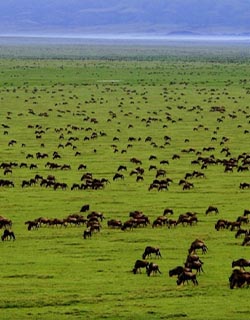
Many campers hope to witness the Great Migration, the year-round movement of around two million wildebeest, zebra and gazelle across the Serengeti. It is worth understanding how it works, because the herds are not in one fixed place.
They follow the rains in a rough clockwise circuit. Around December to March they gather in the southern and central Serengeti for the calving season, when predators are at their most active. Through April and May they move north and west. From roughly July to October they are in the far north, where the dramatic Mara River crossings take place. Because this itinerary camps two nights in the central Serengeti, it is well positioned for the migration in the green and calving months, and the extra day gives your guide flexibility to reach the herds if they are within range.
Price and what is included
The private budget camping safari is US$2,050 per person, based on two people sharing. Every park fee, camping fee and the Ngorongoro Crater service fee are already included, so there is nothing to pay at the gate.
The package includes
- • Airport or hotel pick-up and drop-off in Arusha
- • Private 4x4 Land Cruiser with pop-up roof
- • Professional English-speaking driver-guide
- • A dedicated safari cook and all camping gear
- • Dome tents and sleeping mattresses
- • All national park and camping fees
- • Ngorongoro Crater service fee
- • All meals as per the itinerary and drinking water
- • Government taxes and VAT
The package excludes
- • International flights and Tanzania visa
- • Travel and medical insurance
- • Sleeping bag (available to hire, or bring your own)
- • Tips for your guide and cook
- • Drinks other than water, and personal expenses
- • Optional activities and upgrades
Per person, based on two sharing, private budget camping safari, 2027 indicative rate. The per-person price falls for larger groups, because the vehicle, crew and fees are shared. Park fees are reviewed annually, so your exact price is confirmed when we quote.
Compare our camping and lodge safaris
The same parks can be done camping or in mid-range lodges, and over different numbers of days. Here is how this trip fits with our other options, so you can choose honestly.
| Safari | Parks | Serengeti | Style | From (pp) |
|---|---|---|---|---|
| 3-Day Budget Camping | Tarangire, Manyara, Ngorongoro | None | Camping | $1,100 |
| 4-Day Budget Camping | Tarangire, Serengeti, Ngorongoro | 1 night | Camping | $1,470 |
| 5-Day Budget Camping (this trip) | Tarangire, Serengeti, Ngorongoro | 2 nights | Camping | $2,050 |
| 7-Day Northern Circuit | Tarangire, Serengeti, Ngorongoro | 2 nights | Mid-range lodge | $3,200 |
Choose this 5-day camping trip if the Serengeti is your priority and you want real time on the plains at a budget price. Choose the 4-day camping trip to save money with a single Serengeti night, the 3-day to skip the Serengeti entirely, or the 7-day lodge safari for the same route in comfort.
What to bring for camping
A camping safari asks a little more of your packing than a lodge trip. Bring these in addition to the usual safari kit, and you will be comfortable throughout.
- A warm layer and a hat for the night. The Simba Campsite on the crater rim is genuinely cold after dark, often near freezing. A fleece or down jacket is essential.
- A headtorch. Campsites have limited lighting, and in the Serengeti you will want your hands free after dark.
- A power bank. Charging is limited to a central point at camp, and over five days you will need it.
- A sleeping bag, your own or hired from us. A three-season bag is ideal for the cold rim night.
- A small quick-dry towel and toiletries, as campsites do not provide them.
- Insect repellent, a refillable water bottle, plus sunscreen, hat and binoculars.
Pack light in a soft bag rather than a hard suitcase, which is easier to store in the vehicle and the tent.
Read More On Kai Tours and Tanzania SafarisBest time to travel
| Season | Months | What to expect |
|---|---|---|
| Dry, best for camping | June to October | Dry ground, easy game viewing, the migration in the northern Serengeti. The most comfortable time to camp. Busiest, cold nights on the rim. |
| Calving | December to March | The migration in the central and southern Serengeti, superb predators, green scenery. Excellent for this central-Serengeti route. |
| Green, best value | April, May and November | Greenest, quietest and cheapest, best for birds. Expect rain and muddier campsites. The crater stays excellent. |
Because this route camps two nights in the central Serengeti, the calving and green months suit it especially well. For the driest camping and the northern crossings, choose the June to October dry season. The crater rim is cold at night in every season, so pack warm whenever you travel.
How to book
- Send us your details. Travel dates, group size, and any dietary needs for the cook.
- We confirm and quote. We check availability and send an exact, all-inclusive price, usually within a few hours.
- Secure your dates. A 30 percent deposit confirms the booking, by bank transfer or card.
- We arrange everything. Permits, campsites, gear, vehicle, guide and cook, under one confirmed itinerary.
- Pack and go. The balance is due before your safari begins. Then bring a warm layer for the crater rim and a sense of adventure.
Frequently Asked Questions
Safari Highlights Gallery