Key takeaways for first-timers
- Why go: best Big Five-in-one-day in Africa, including black rhino.
- How long: a day on the crater floor (6-hour limit); combine with other parks for 2+ days.
- 2026 fees: ≈ US$70.80 entry per adult/24h + US$295 Crater Service Fee per vehicle/descent.
- Best time: year-round (resident wildlife); dry season Jun–Oct easiest; descend early.
- Managed by: the Ngorongoro Conservation Area Authority (NCAA), not TANAPA.
History & geology of Ngorongoro
Ngorongoro formed two to three million years ago when a giant volcano erupted and collapsed inward, leaving the vast caldera we see today. It lies within the Ngorongoro Conservation Area, a UNESCO World Heritage Site since 1979 and a unique multiple-land-use area where Maasai pastoralists live alongside the wildlife.
The name and the caldera
The name comes from the Maasai and is often linked to the sound of cowbells. Geologically, Ngorongoro is a caldera a collapsed volcano and the largest unbroken, unflooded one on Earth. Its walls rise around 600 m above a flat floor about 19 km across.
The wider Conservation Area
The crater is the centrepiece of the much larger Ngorongoro Conservation Area (about 8,292 km²), which also contains Olduvai (Oldupai) Gorge the "Cradle of Mankind," where the Leakeys uncovered early human fossils plus the Empakaai and Olmoti craters, the Shifting Sands, and the Ndutu plains. It is managed by the Ngorongoro Conservation Area Authority (NCAA), a separate body from TANAPA.
Ecosystem & wildlife: the Big Five and black rhino
Ngorongoro Crater holds one of the densest concentrations of wildlife in Africa and is among the most reliable places on the continent to see all of the Big Five in one day lion, elephant, buffalo, leopard and the rare black rhino.
The Big Five
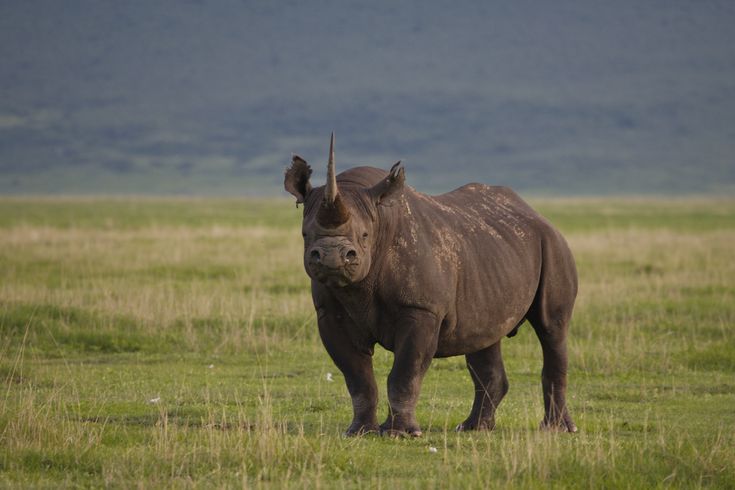
Black rhino: the crater's headline animal one of the best and most dependable places in Tanzania to see this critically endangered species. Lion: famous, high density prides on the crater floor. Elephant: large old bulls with impressive tusks. Buffalo: abundant in big herds. Leopard: present but elusive, often in the Lerai forest and along the rim.
Lion
High-density prides throughout the caldera.
Leopard
Best seen in the Lerai Forest.
Black Rhino
The most reliable viewing spot in Tanzania.
Buffalo
Group of Buffaloes closely viewed during Ngororngoro National Park Gamedrive.
Elephant
A family of Elephant wandering in Ngorongoro National Park.
Other wildlife and one famous absence
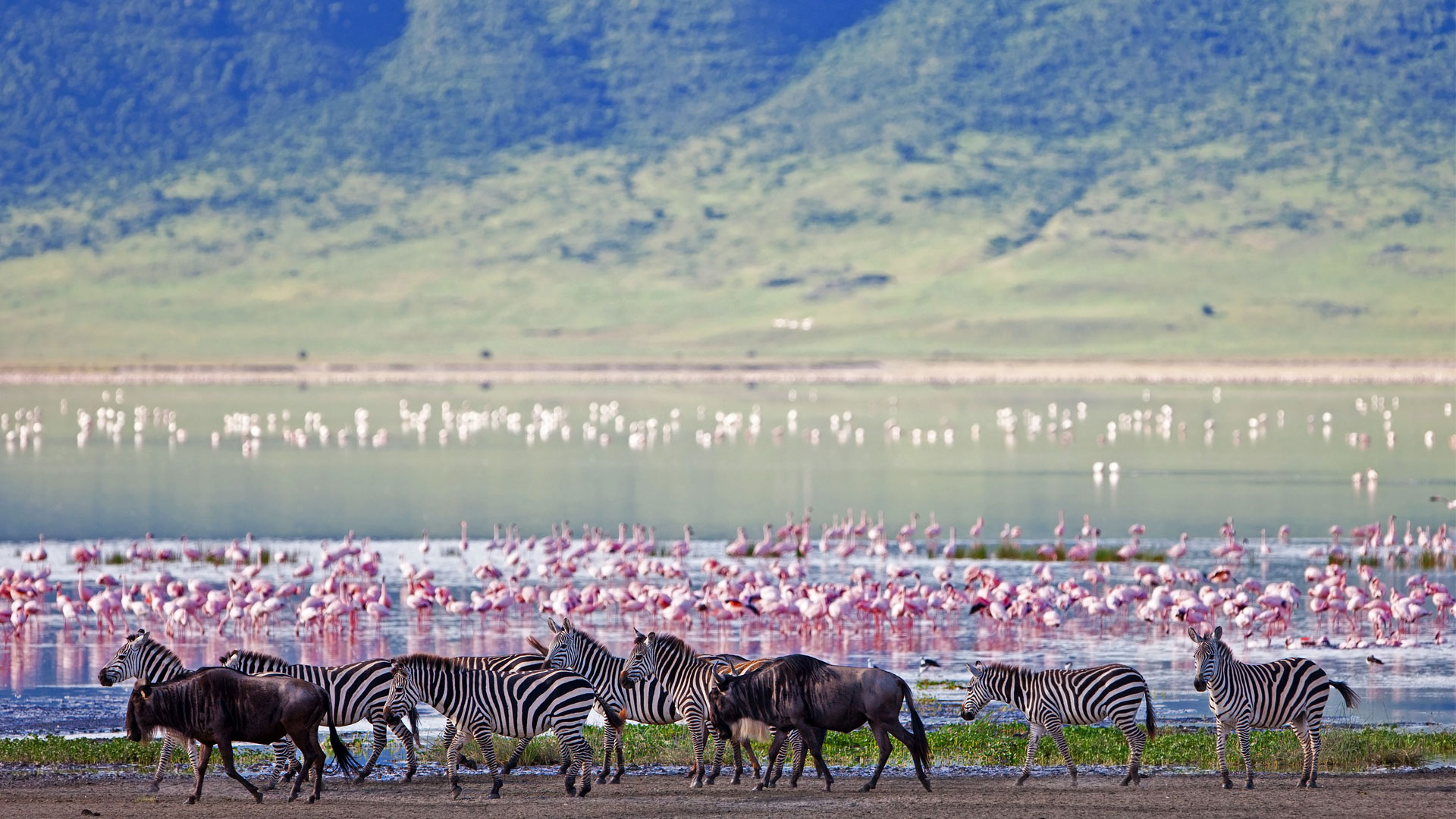
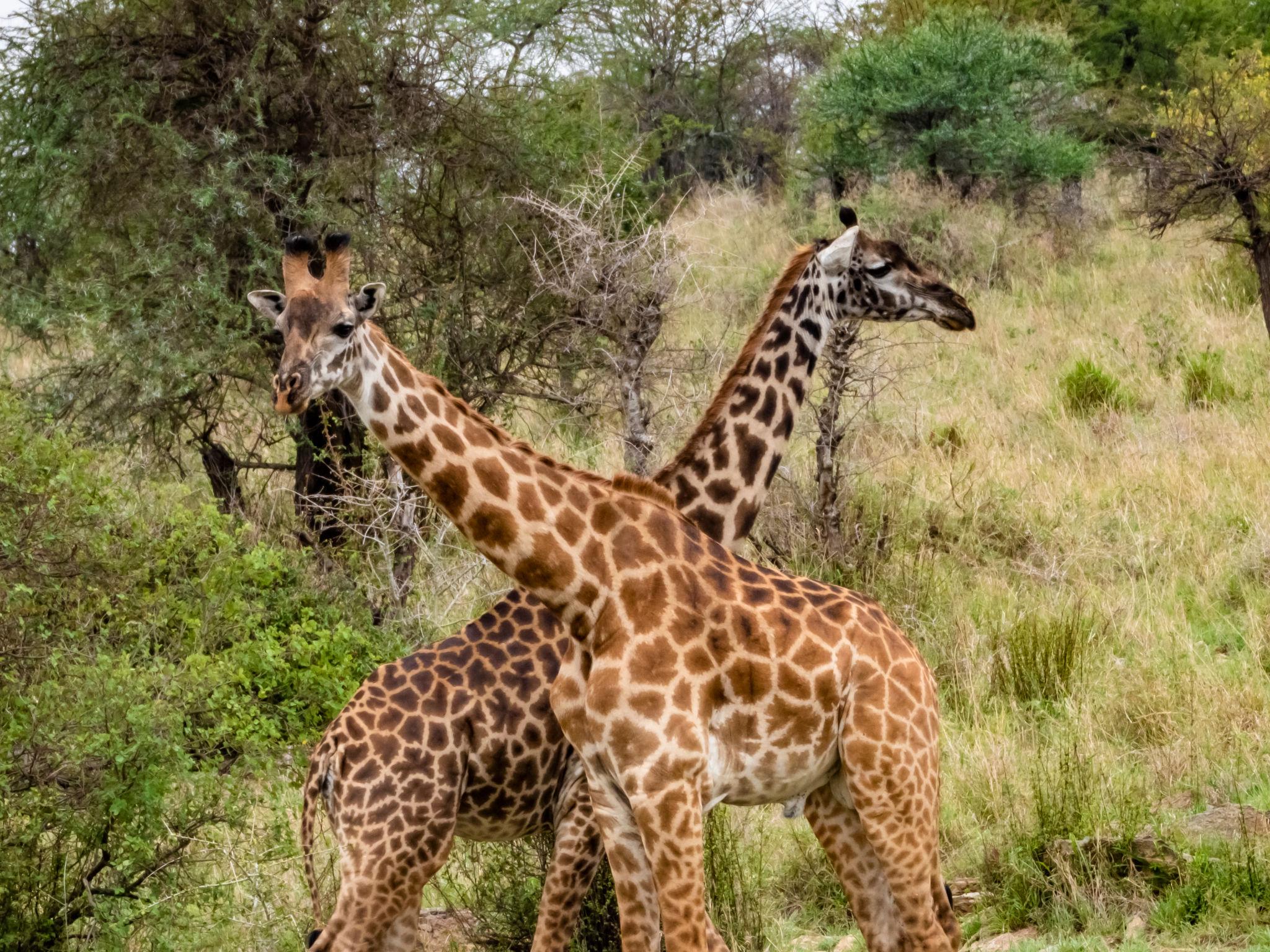
You'll also find spotted hyena, the occasional cheetah, hippos at the Ngoitokitok spring, flocks of flamingos on the soda lake (Lake Magadi), zebra, resident wildebeest and gazelle. One thing you won't see is giraffe the steep crater walls and lack of tall browse keep them out, a detail that surprises most first-timers.
More Best Short Tours & Safaris near KilimanjaroWildlife seasons: is there a migration in Ngorongoro?
The crater's wildlife is resident and visible year-round, so Ngorongoro is not a migration destination in the way the Serengeti is. The Great Migration's calving season does, however, take place on the conservation area's southern Ndutu plains from late January to March.
This is good news for planning: because the crater's animals don't move, you can enjoy outstanding Big Five viewing in any month. If you specifically want the migration, add a stay on the Ndutu plains during the calving season, when hundreds of thousands of wildebeest give birth on the short-grass plains within the NCA.
Best time to visit Ngorongoro Crater
Ngorongoro is a year-round destination thanks to its resident wildlife. The dry season (June–October) gives the easiest viewing and clearest roads, while the green season (March–May) is lush, quiet and better value. Whatever the month, descend early in the morning for the most active animals and the fewest vehicles.
| Season | Months | Best for | Crowds / price |
|---|---|---|---|
| Dry (peak) | Jun–Oct | Easy viewing, clear roads | Busier, higher |
| Calving (Ndutu) | Late Jan–Mar | Migration calving on NCA plains | Moderate |
| Green (low) | Mar–May | Lush scenery, value, fewer cars | Quiet, lower |
| Short rains | Nov–Dec | Fresh landscapes | Moderate |
The rim is high (~2,300 m), so expect cold, misty mornings whatever the season.
Best Month For African Safari : Complete Guide 2026-2027Getting to Ngorongoro from Arusha, Moshi & Zanzibar
Ngorongoro is reached by road through the Loduare gate. From Arusha it's about 180 km / 3–3.5 hours much closer than the Serengeti. From Moshi, add roughly an hour. From Zanzibar, fly to Arusha or Kilimanjaro and then drive, or fly to the Lake Manyara airstrip and transfer up.
From Arusha
The classic gateway. The scenic drive passes Lake Manyara and climbs into the highlands to the crater rim in around 3–3.5 hours, making Ngorongoro an easy first or last stop on a Northern Circuit safari.
From Moshi / Kilimanjaro
Moshi sits beside Kilimanjaro International Airport (JRO), about an hour from Arusha; most trips drive on from there. Ideal if you're also climbing Kilimanjaro.
From Zanzibar
Fly from the island to Arusha or Kilimanjaro and continue by road, or fly to the Lake Manyara airstrip and drive up to the rim. Ngorongoro pairs naturally with the Serengeti on a fly-in safari and Zanzibar beach holiday.
NCAA conservation & Crater Service fees (2026)
Ngorongoro is managed by the Ngorongoro Conservation Area Authority (NCAA), not TANAPA, and its fees are different. In 2026, non-resident adults pay about US$70.80 per person per 24 hours to enter the conservation area, and there is a separate Crater Service Fee of roughly US$295 per vehicle each time you descend to the crater floor (valid up to 6 hours). These are normally built into your safari price.
| Fee (2026, incl. VAT) | Non-resident | Child (5–15) | EAC citizen |
|---|---|---|---|
| Conservation entry (per 24h) | ~$70.80 | ~$23.60 | TSh 11,800 |
| Crater Service Fee (per vehicle) | ~$295 | Valid ~6 hours per descent | |
| Lodge concession (per night) | ~$70.80 | ~$12 | — |
| Public campsite (per night) | ~$35.40 | ~$11.80 | — |
Also budget for: a Ngorongoro transit fee (~$71 per adult) if driving via the crater, the Ngorongoro Crater service fee (~$295 per vehicle per descent) if you go down, a safari-vehicle fee, and an optional balloon safari (~$500–$600 pp). Children under 5 enter free.
Where to stay: 10 of the best Ngorongoro accommodations
Accommodation falls into three groups: crater-rim lodges with dramatic views and the earliest descent access; value lodges in nearby Karatu, about 30–45 minutes from the gate; and campsites on the rim. Below are ten well-regarded choices across budgets.
| Lodge / camp | Location | Tier | Good for |
|---|---|---|---|
| &Beyond Ngorongoro Crater Lodge | Crater rim | Luxury | Iconic views, honeymoons |
| The Highlands (Asilia) | Olmoti / highlands | Luxury | Design, exclusivity |
| Ngorongoro Serena Safari Lodge | Crater rim | Mid-upper | Reliable comfort, views |
| Ngorongoro Sopa Lodge | Eastern rim | Mid-range | Value, early eastern descent |
| Lemala Ngorongoro Camp | Near descent road | Mid-upper | Tented feel, quick access |
| Rhino Lodge | Forest edge, rim | Budget-mid | Value with location |
| Ngorongoro Wildlife Lodge | Crater rim | Mid-range | Classic rim views |
| Gibb's Farm | Karatu | Boutique | Farm charm, food |
| Plantation / Country Lodge | Karatu | Mid-range | Value just outside the gate |
| Simba public campsite | Crater rim | Budget | Camping safaris |
Rim vs Karatu is the key choice: rim means views and the earliest descent; Karatu means better value a short drive away.
Ngorongoro safari prices: mid-range packages, 2–5 days (2026)
Ngorongoro is almost always visited as part of a multi-park safari rather than on its own. A mid-range safari costs roughly US$250–US$450 per person per day all-inclusive. From Arusha, a 2-day Manyara and Ngorongoro trip starts around US$700, rising to about US$1,750 for a 5-day Ngorongoro-and-Serengeti safari. Fly-in combinations from Zanzibar start higher because they include flights.
| Length | From Arusha (mid-range, pp) | From Zanzibar (fly-in, pp) |
|---|---|---|
| Day trip | from ~$250 | — |
| 2 days (Manyara + Ngorongoro) | from ~$700 | from ~$1,900 |
| 3 days (+ Serengeti) | from ~$1,050 | from ~$2,200 |
| 4 days (Northern Circuit) | from $1,100 | from ~$2,600 |
| 5 days (Complete Circuit) | from ~$1,750 | from ~$3,000 |
Prices are per person sharing and include vehicle, guide, mid-range lodge, meals and park fees. The 2-day Zanzibar fly-in is our published rate; other figures are starting estimates contact us for an exact quote. Group and private rates differ.
How to choose a Ngorongoro safari operator
The best operator is a licensed, well-reviewed Tanzanian company with transparent pricing and one that clearly states whether the US$295 Crater Service Fee is included. Look for TALA licensing, TATO membership and verified reviews on TripAdvisor and SafariBookings.
Best Tour Company in TanzaniaWhat to look for
Confirm a valid Tanzania tour-operator licence and TATO membership, read recent independent reviews, and make sure the quote spells out inclusions especially the crater fee, which is a common hidden extra. Be cautious of unusually cheap quotes (they often exclude it), operators with no verifiable reviews, and pressure tactics.
Booking from Arusha, Moshi or Zanzibar
Arusha and Moshi based operators are closest to the Northern Circuit, while Zanzibar based operators specialise in fly-in safari and beach trips. As a Tanzanian operator based in Moshi with a presence in Dar es Salaam and Zanzibar, Kai Tours & Safaris arranges Serengeti safaris from all three including combined safari and Zanzibar holidays.
First-timer practical tips
For a smooth visit: descend early to beat the crowds and the 6-hour clock, pack genuinely warm layers for the cold high rim, arrange your e-visa and malaria precautions in advance, and take travel insurance with evacuation cover.
Before you go
Apply for your tourist e-visa online and carry a passport valid for six months. See a travel clinic about malaria precautions and any yellow-fever requirement. Buy comprehensive travel and medical insurance.
On the day
Descend at opening time, when wildlife is active and vehicles are few, and remember the 6-hour limit on the crater floor. Bring warm layers for the chilly rim plus neutral safari clothing, binoculars, sunscreen and a camera. A picnic at the Ngoitokitok spring is a highlight keep an eye out for opportunistic kites and baboons. Carry some US-dollar cash for tips, as ATMs and signal are limited.
Ngorongoro FAQs: 20 questions first-timers ask
Plan your Ngorongoro Crater safari
Tell us your dates, group size and budget, and we'll send a tailored Ngorongoro itinerary and exact quote including Serengeti and Zanzibar combinations.
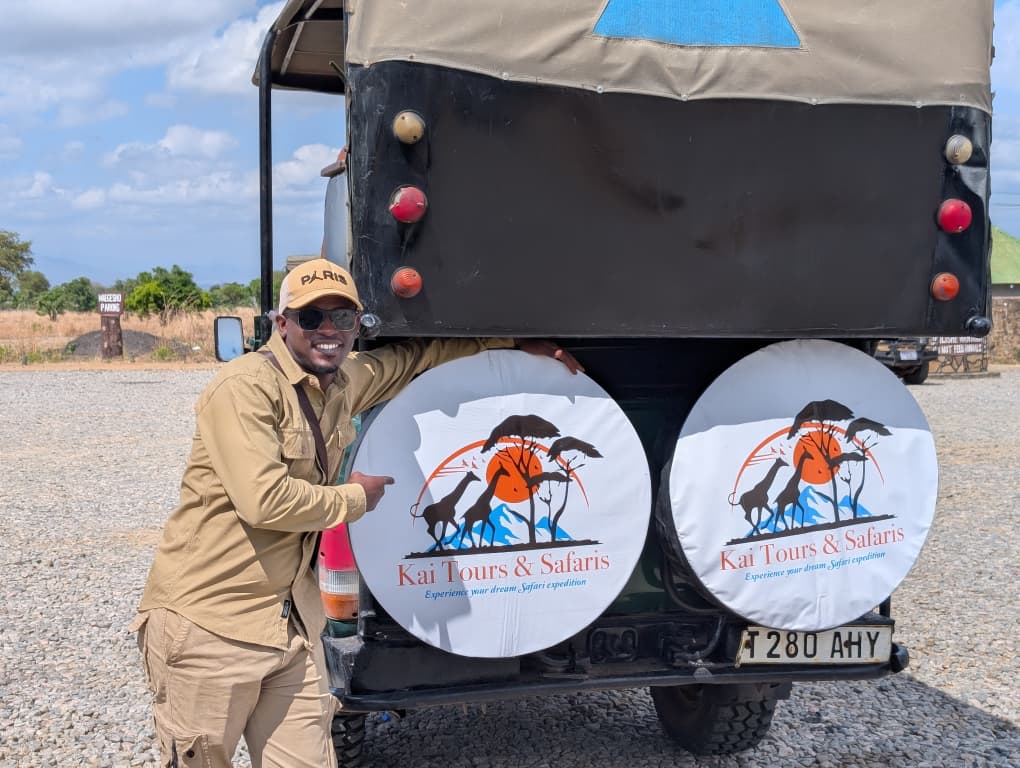
Justus Kahwa — Safari Operations Director, Kai Tours & Safaris
Plans Ngorongoro and Northern Circuit safaris, including Serengeti and Zanzibar combinations, for first-time travellers.