Key takeaways
- River crossings: July to October, peak August and September — in September the herds are in the far northern Serengeti around Kogatende and the Lamai Wedge.
- Calving and predators: late January to February on the southern Serengeti and Ndutu plains.
- Value, green and quiet: March to May and November — lower prices, fewer crowds, some rain.
- Good all year: the Ngorongoro Crater and the Northern Circuit's resident wildlife.
On this page
Why "best time" depends on you
Most articles answer this question in four words, "June to October," and then stop. That advice is not wrong, but it is lazy, and it quietly steers people away from trips they would have loved. February, in the middle of the so-called low season, is the best big-cat month of the year. May and November offer the same wildlife at half the price with a fraction of the crowds. And even inside the "best" dry season, the single most famous sight, the river crossings, only happens in one corner of the Serengeti at one time of year.
So before you fix your dates, decide what matters most to you: the river crossings, the calving and the predators, the reliable classic game viewing, or the value and space of the quiet season. Once you know that, the timing answers itself, and the rest of this guide shows you how.
The migration, month by month
The wildebeest move in a rough clockwise loop through the Serengeti and up into Kenya's Masai Mara, chasing rain and fresh grass. The pattern below is the typical year. It is a guide, not a timetable, because the herds follow the weather, and every year runs a little early or late.
| Month | Where the herds usually are | The highlight |
|---|---|---|
| December to March | Southern Serengeti, Ndutu and the Ngorongoro Conservation Area plains | Gathering on the short-grass plains before calving |
| February | Southern Serengeti and Ndutu | Calving peak, several hundred thousand births, intense predator action |
| April to May | Moving northwest through Moru and the Seronera area toward the Western Corridor | Long rains, lush and quiet, herds on the move |
| June | Western Corridor, massing at the Grumeti River | Grumeti crossings, rutting season, low crowds |
| July | Northern Serengeti, reaching the Mara River | First Mara River crossings begin |
| August | Northern Serengeti (Kogatende, Lamai) and into the Masai Mara | Peak Mara River crossings |
| September | Far northern Serengeti and the Masai Mara | Crossings continue, herds start drifting south late in the month |
| October | Moving south through Loliondo and the Lobo area | Second, southbound Mara crossings |
| November | Returning to the eastern and southern short-grass plains | Short rains trigger the move south |
Where the migration is in September
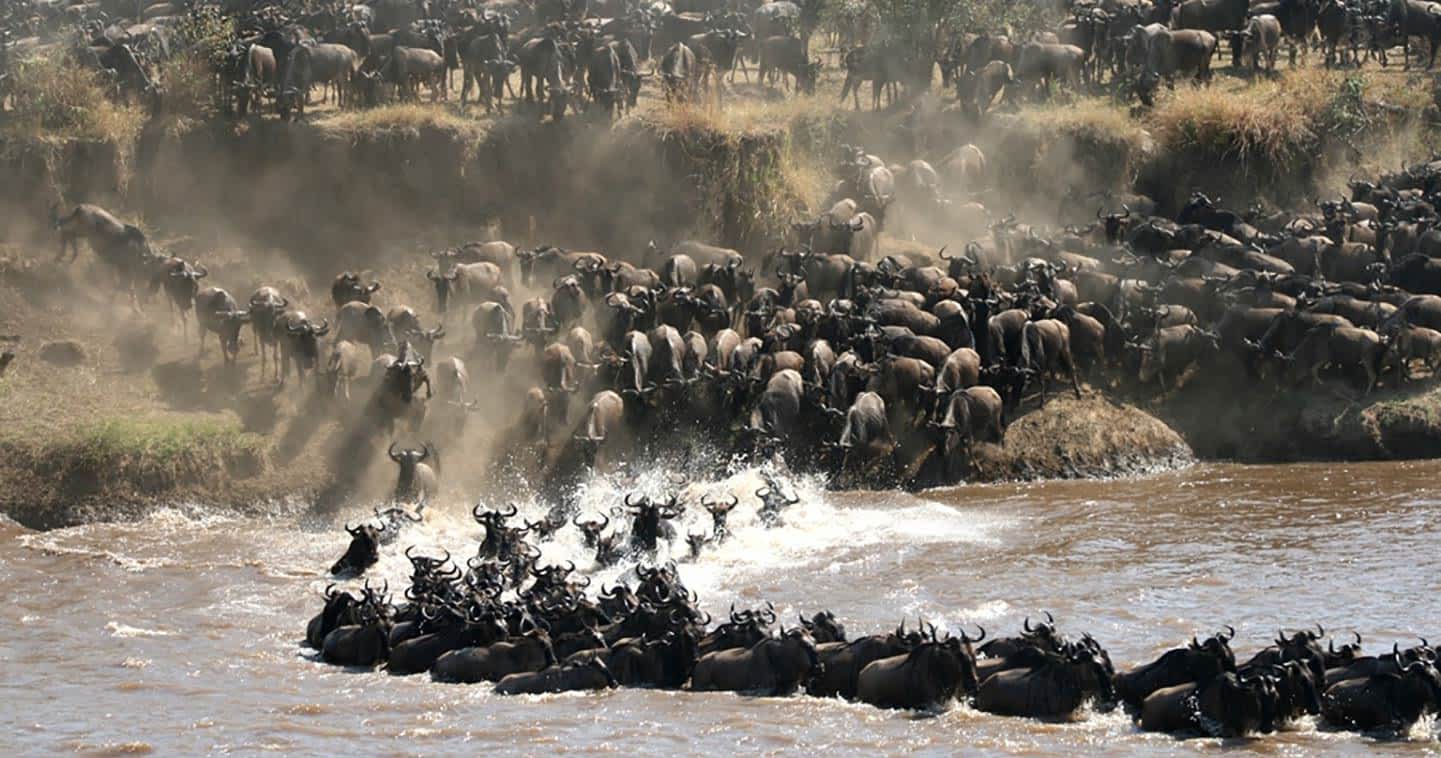
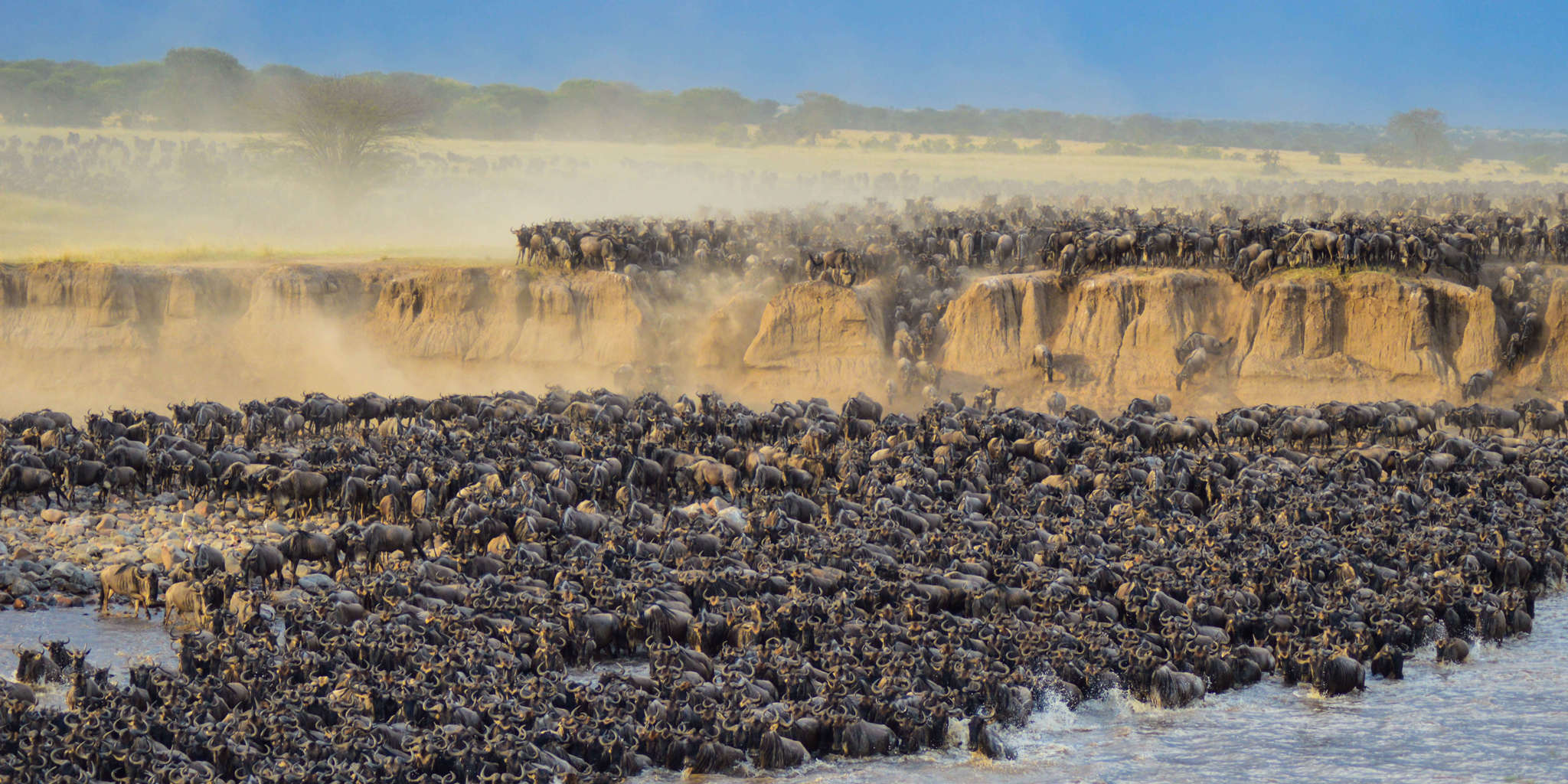
This is the question I get asked most, so let me answer it plainly. In September the migration is in the far northern Serengeti, around Kogatende and the Lamai Wedge, and across the border in Kenya's Masai Mara. This is Mara River crossing country, and the good news for anyone who wants to stay in Tanzania is that you can watch the crossings from the Tanzania side at Kogatende without ever going into Kenya.
Two things are worth being honest about. First, by September the herd has split, and often less than half of it is on the Tanzanian side, with the rest in the Mara. There is still plenty to see, and the crossings on the Tanzania side are genuine and dramatic, but the mega-herd is more scattered than it is in, say, June down south. Second, and this is the one that catches people out, the September action is in the far north, not the central Serengeti. A September trip based in the central Seronera area gives you wonderful resident wildlife in perfect dry-season conditions, but it is not where the crossings happen. If crossings are your priority, you need nights in the north.
The four ways to time your trip
Rather than one "best" month, think of four different trips, each with its own best window.
The river crossings
July to October, peak August to September
The famous scene: herds massing on the Mara River bank, then pouring across through the crocodiles. Viewed from the northern Serengeti at Kogatende. This is peak season, so it is the busiest and priciest time, and the best northern camps book many months ahead.
Calving and predators
Late January to February
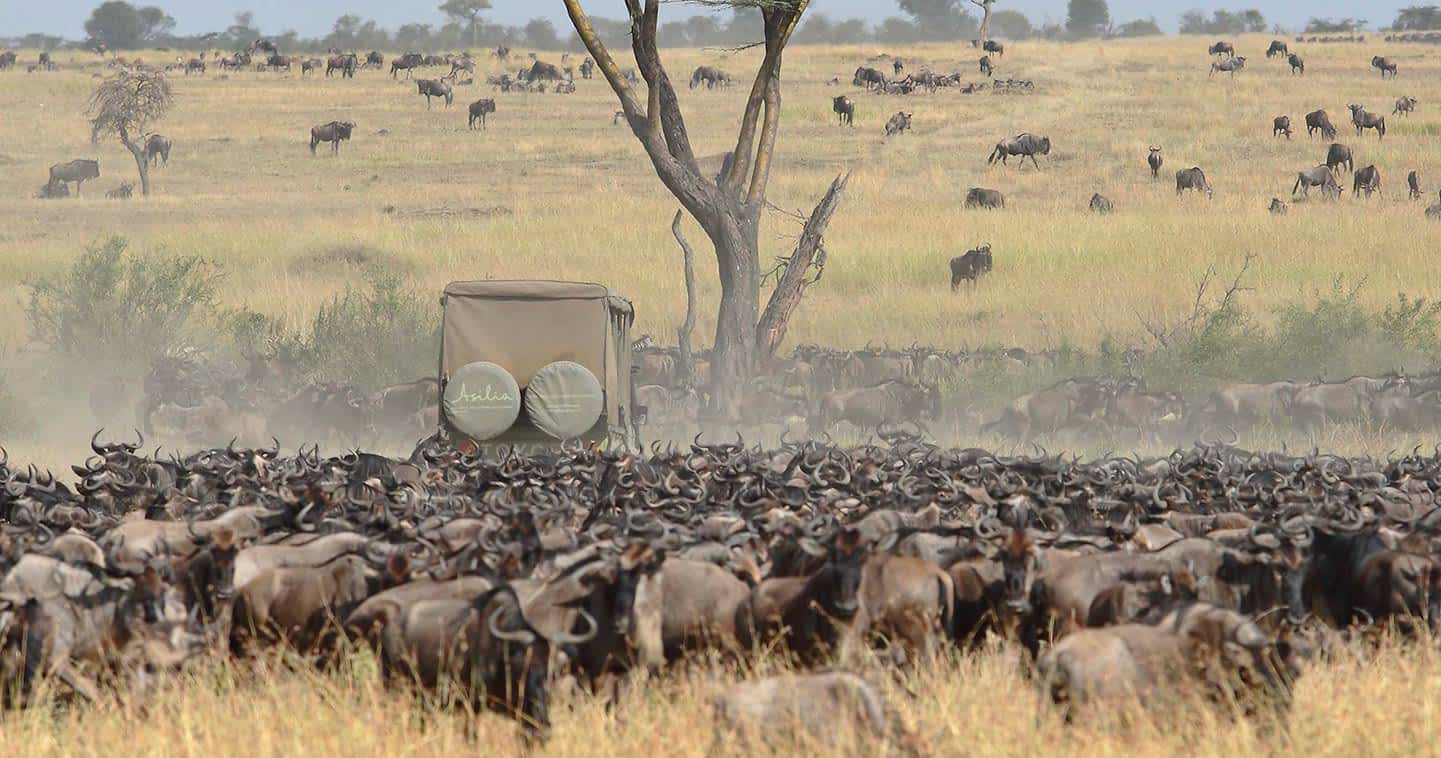
Several hundred thousand wildebeest born in a two to three week window on the southern plains, drawing lions, cheetah and hyena in numbers. The best big-cat season of the year, and quieter and often cheaper than the crossing months.
Classic dry-season game viewing
June to October
Short grass, clear air, animals concentrated at water. The most reliable general game viewing across every park, migration or not. Peak-season prices and crowds come with it, especially July to September.
Value, green and quiet
March to May and November
The green season. Lower prices, far fewer vehicles, lush scenery, superb birding and newborn animals. The trade-off is rain, mainly the long rains from mid-March into May, and taller grass that can hide wildlife. A genuine bargain, not a poor choice.
Best time, park by park
The Northern Circuit is more than the Serengeti, and the parks do not all peak at the same time.
Serengeti
Follows the migration described above. The south (Ndutu) is best from December to March for calving, the west (Grumeti) around June, and the north (Kogatende) from July to October for the crossings. The central Seronera area holds strong resident wildlife all year and is the reliable heart of the park.
Ngorongoro Crater
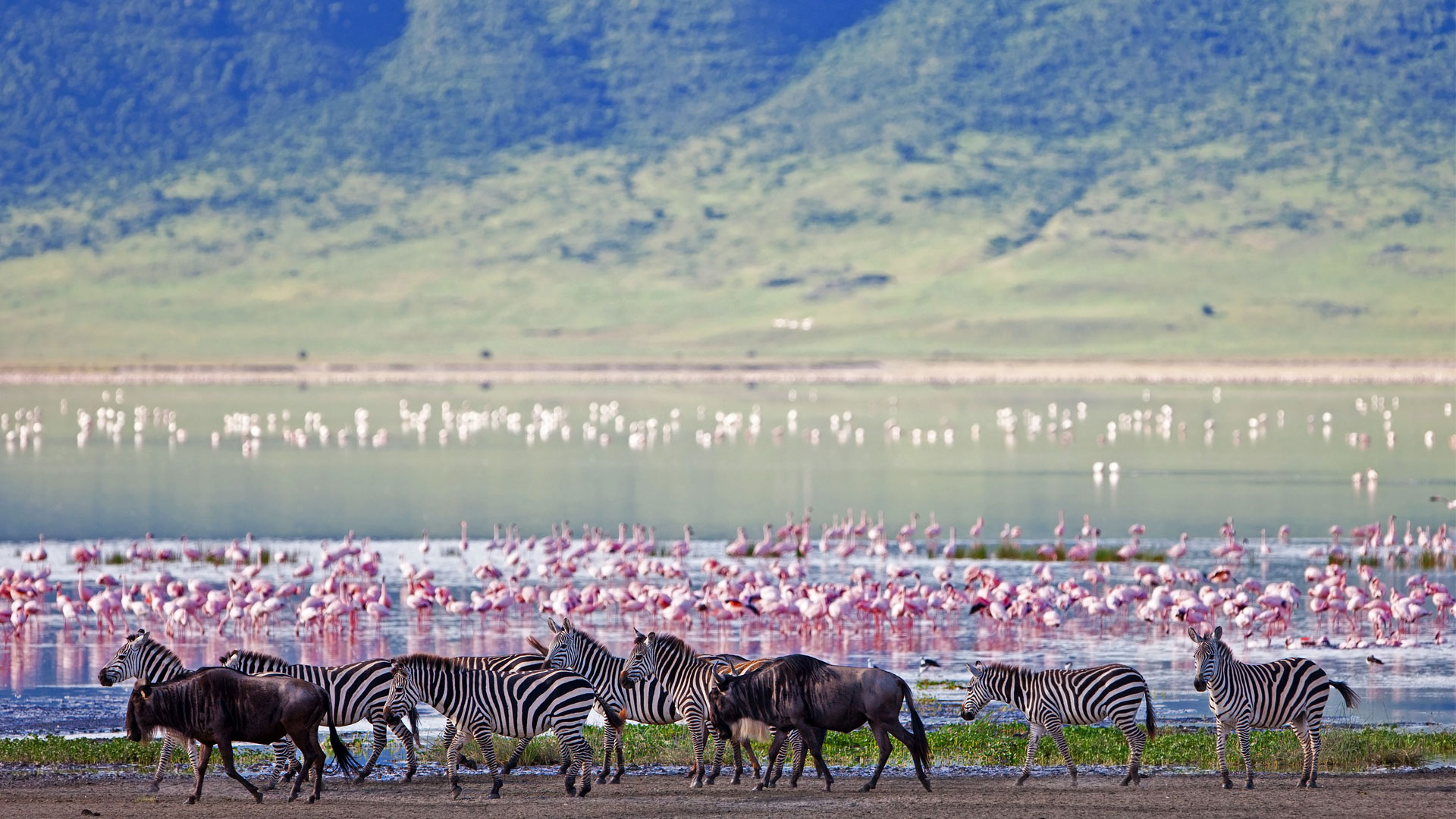
Good all year, because its wildlife is resident, not migratory. The crater's dense population of lion, elephant, buffalo, flamingo and its rare black rhino is there every season. In the green months the floor is greener and there are fewer vehicles. For more on what to expect, see our Ngorongoro Crater guide.
Tarangire
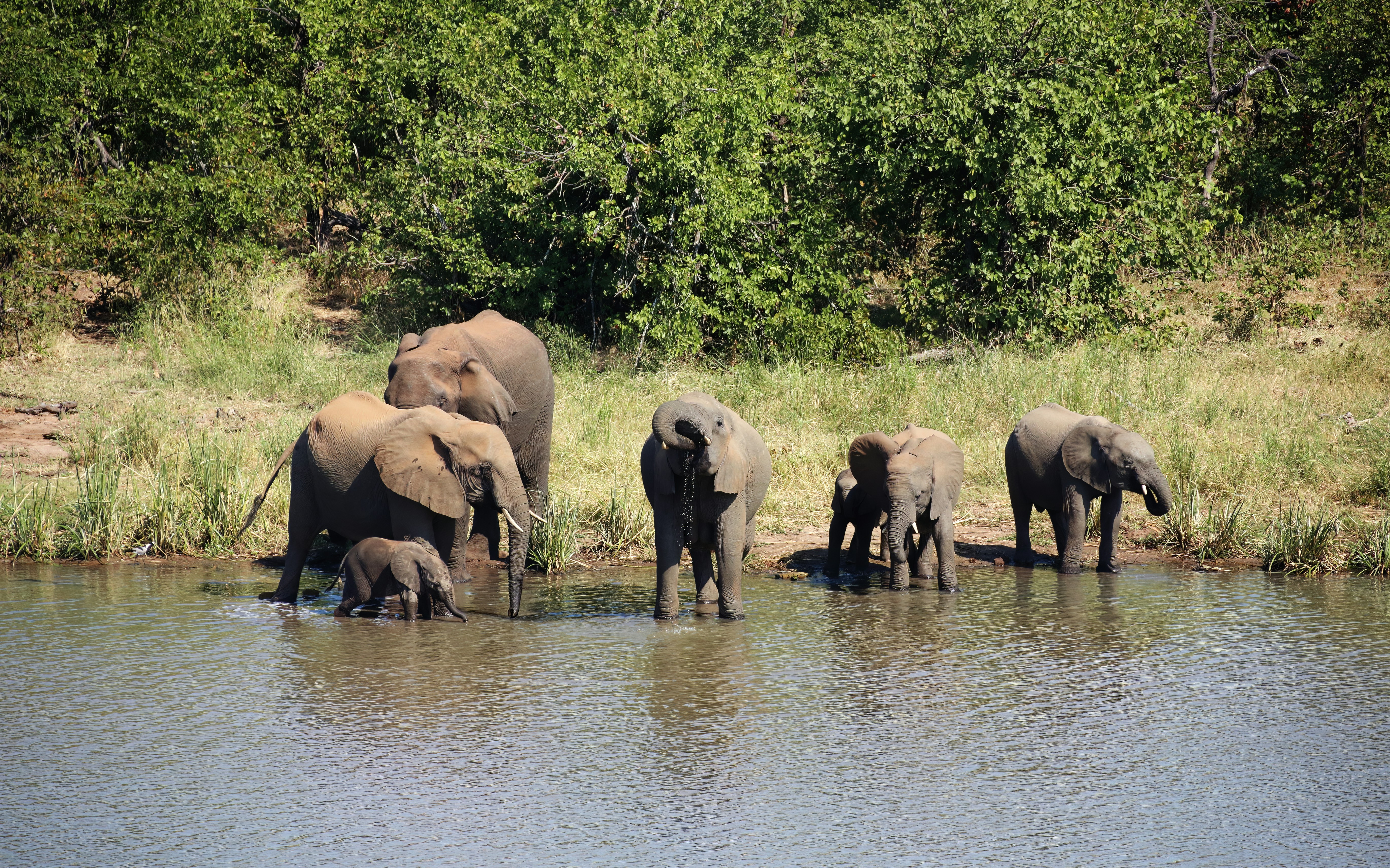
Best in the dry season, June to October, when huge elephant herds concentrate along the Tarangire River. In the green season the animals disperse as water becomes widely available, so the dry months are when Tarangire is at its most spectacular. Our Tarangire guide has the detail.
Lake Manyara
Rewarding year-round, with the best birding in the wetter months when the flamingo and migratory birds are in. The groundwater forest stays green even in the dry season, so it makes a pleasant contrast to the open parks whenever you visit.
Weather, crowds and price
Three practical patterns to plan around, beyond the wildlife.
- Rain. The long rains fall mainly from mid-March into May, and shorter rains come around November. The dry season, June to October, is reliably dry and is why it doubles as peak game-viewing season. Rain rarely ruins a safari, but it makes some roads slower and the grass taller.
- Crowds. July to September is busiest, especially in the northern Serengeti during the crossings and in the Ngorongoro Crater. If crowds bother you, the green season or the calving season are far quieter, and even in peak season a good operator plans game drives to dodge the crush.
- Price. Peak season (July to October, plus the December holidays) carries the highest lodge rates. The green season is materially cheaper. If budget matters, travelling in May or November can bring the same parks within reach for noticeably less. For how the fees and costs stack up, see our safari costs and park fees guide.
Tell us what you want to see, and we will time it
Crossings, calving, big cats, or a quiet green-season bargain? Send us your rough dates and your priority and we will tell you honestly whether the timing works, and build the route around where the wildlife will actually be.
Related guides
Frequently asked questions
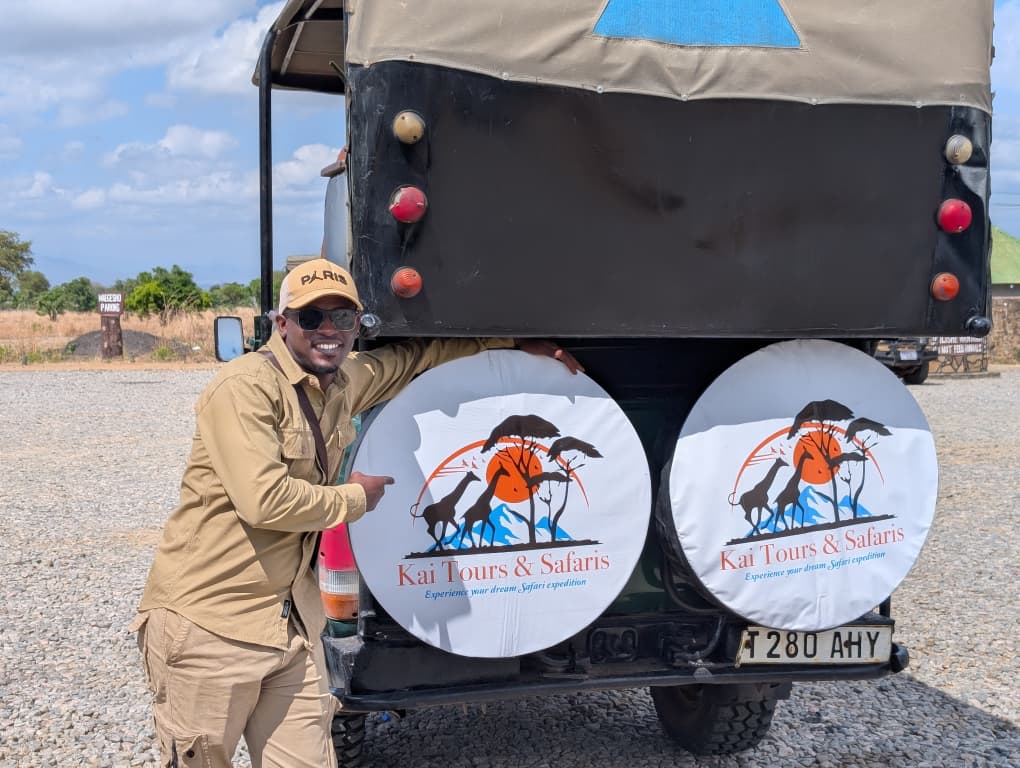
Justus Kahwa, Safari Operations Director, Kai Tours & Safaris.
Tracks the herds and times trips around them, and would rather tell you the crossings are in the north than sell you a central-Serengeti week and let you find out.