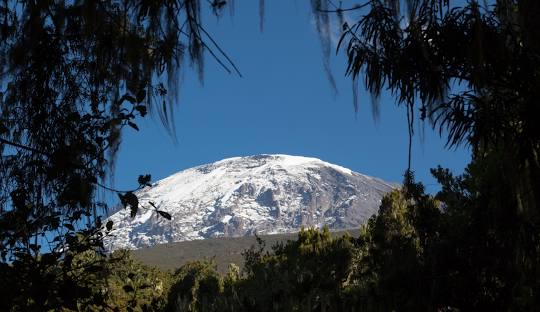
About the Machame Route 7 Days
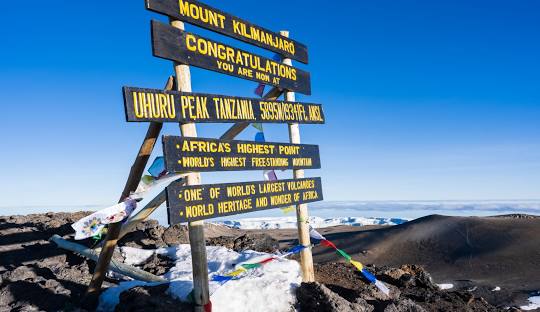
The Machame Route, nicknamed the “Whiskey Route” for being tougher and more scenic than the easygoing Marangu “Coca-Cola” Route, is the most popular way up Kilimanjaro, and for good reason. Over 7 days it takes you through rainforest, the vast Shira Plateau, the dramatic Barranco Wall and high alpine desert before the summit push to Uhuru Peak at 5,895 metres, the Roof of Africa.
This is a camping route: our crew carries and pitches your tents at each camp. The extra days build in a strong “climb high, sleep low” acclimatisation profile, up to Lava Tower and then down to Barranco, which is why the 7-day Machame has one of the highest summit success rates on the mountain, over 90%.
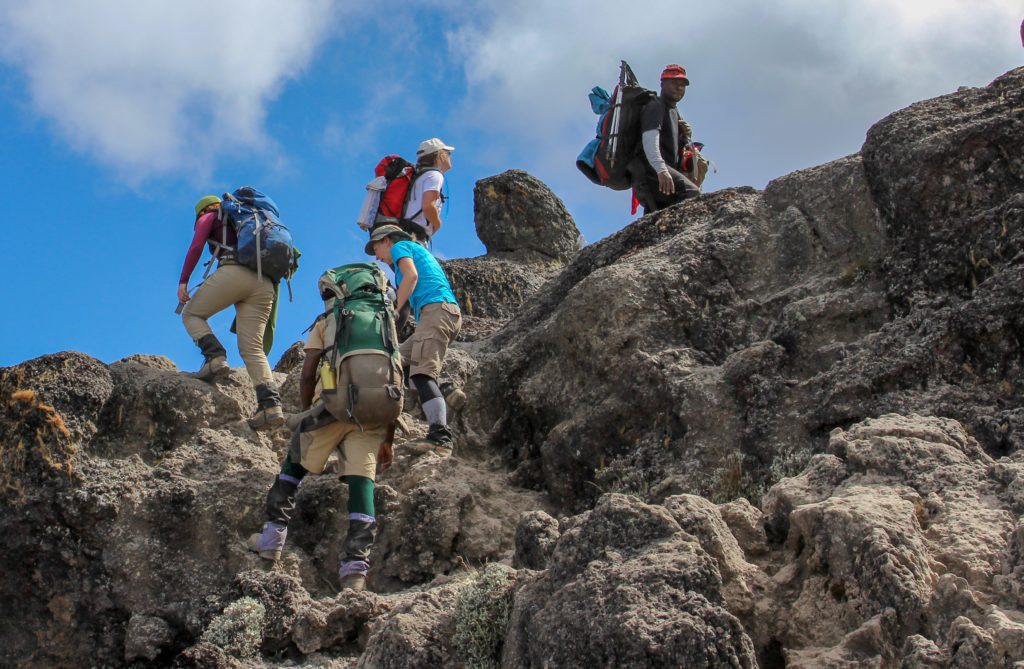
It is challenging but non-technical: no ropes, rock or ice work, just long walking days, the Barranco Wall scramble and a demanding midnight summit. Reasonably fit first-timers do it successfully every season, guided and paced by our Moshi-based mountain team.
7-Day Machame Route Highlights
- Diverse landscapes, from rainforest to glacier-topped summit
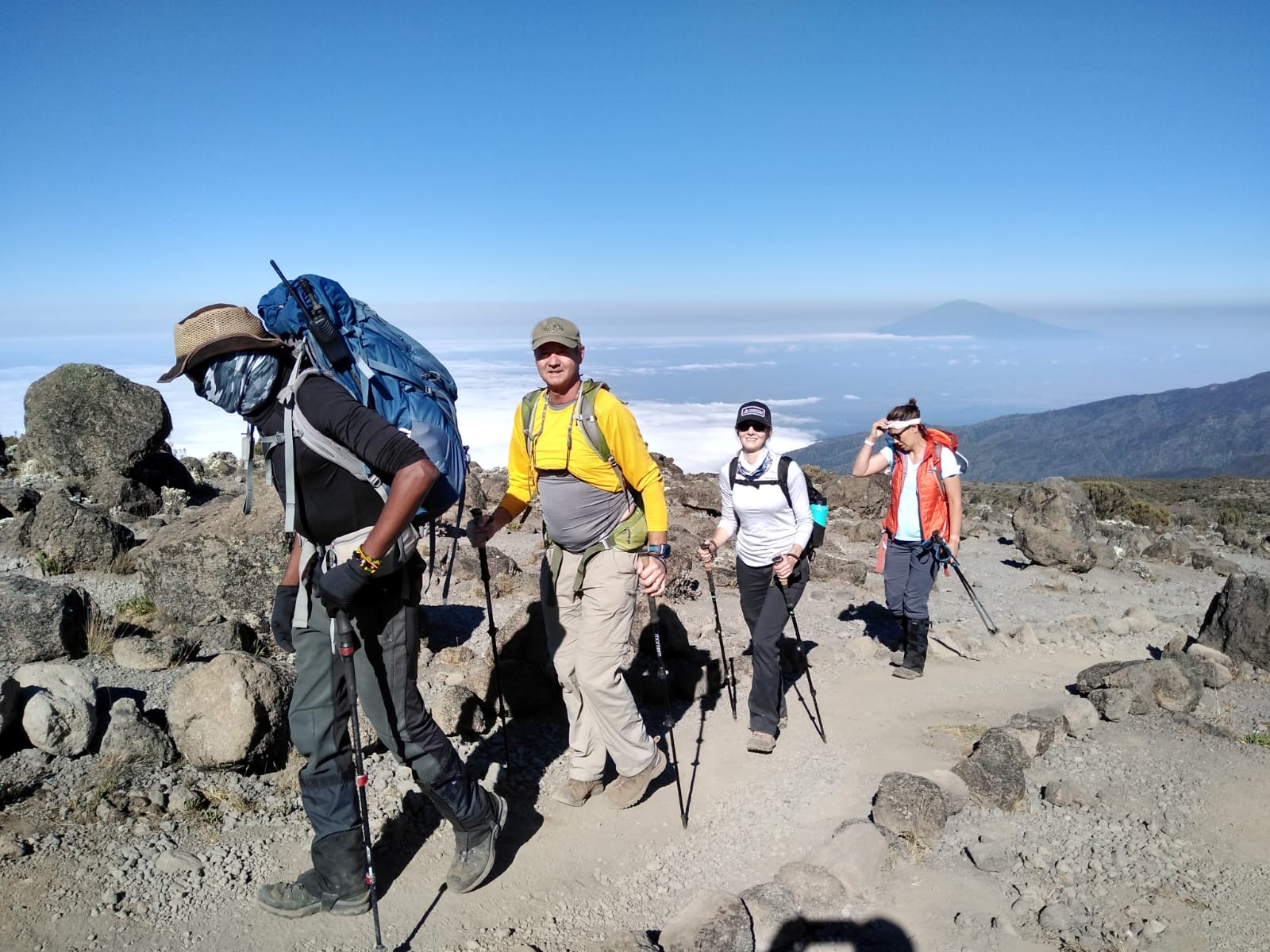
- The vast Shira Plateau with views of Meru and Kibo
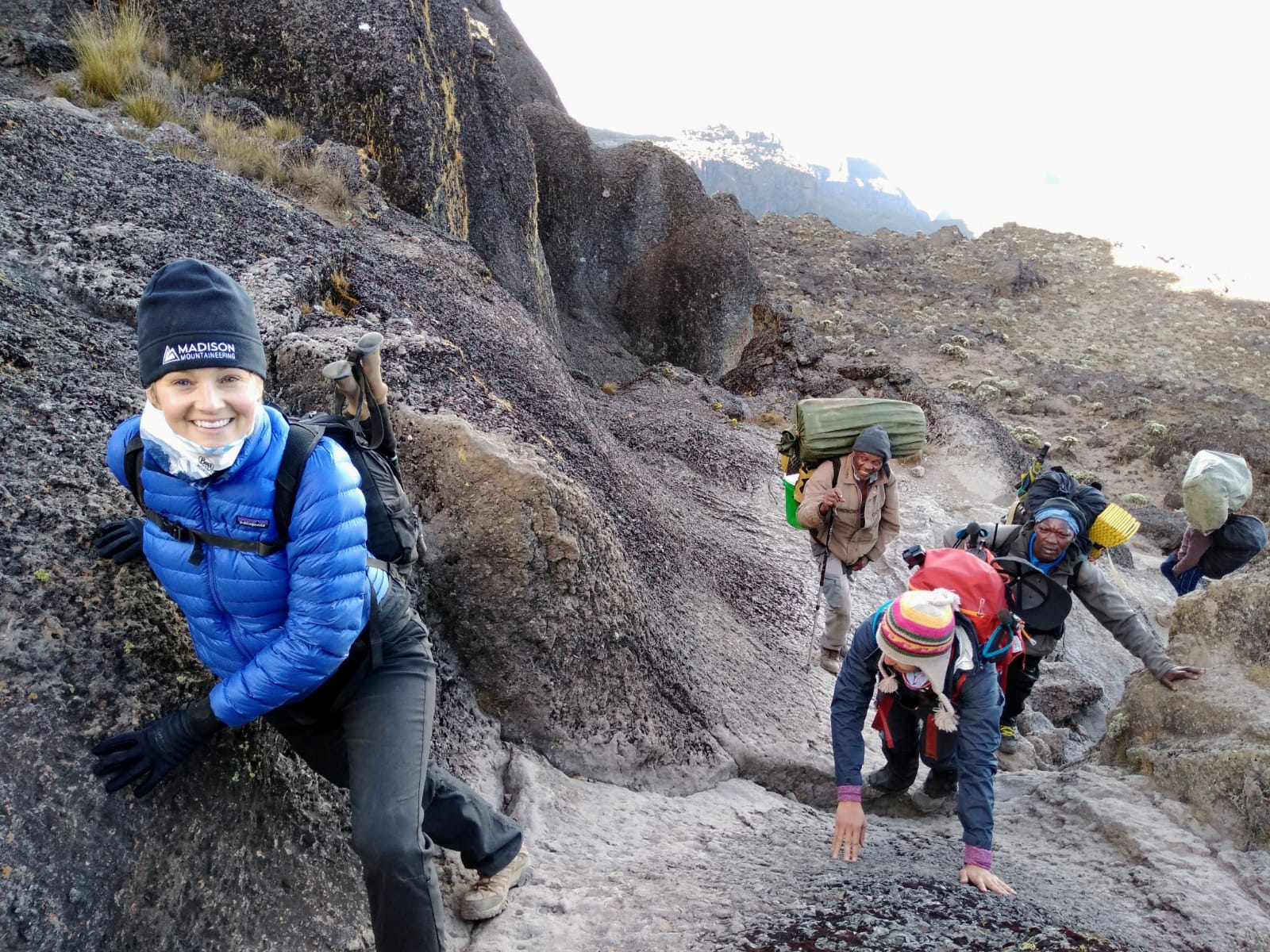
- The exhilarating Barranco Wall scramble
- Lava Tower acclimatisation (climb high, sleep low)
- Sunrise summit at Uhuru Peak, 5,895 m
- 90%+ summit success rate
Full Machame Route 7 Days Itinerary (with elevations)
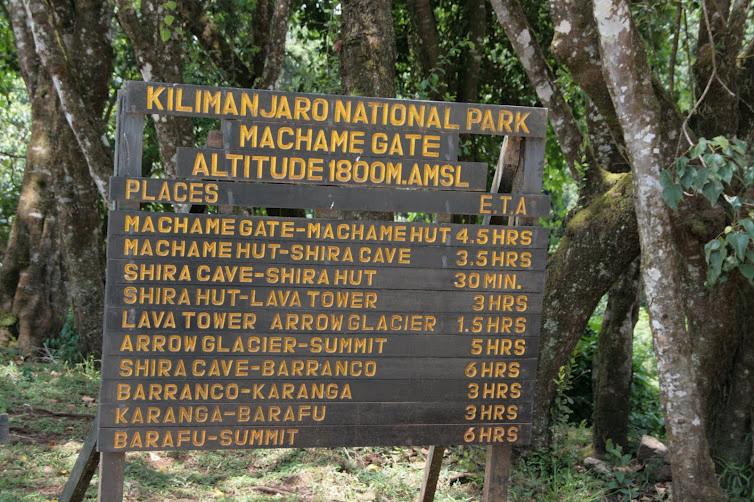
Day 1 Machame Gate to Machame Camp
After breakfast and a briefing you drive to Machame village and the gate. Following registration, you ascend into lush rainforest. Bring good footwear and gaiters for soggy trails. A picnic lunch breaks the climb, and you reach Machame Camp in the late afternoon.
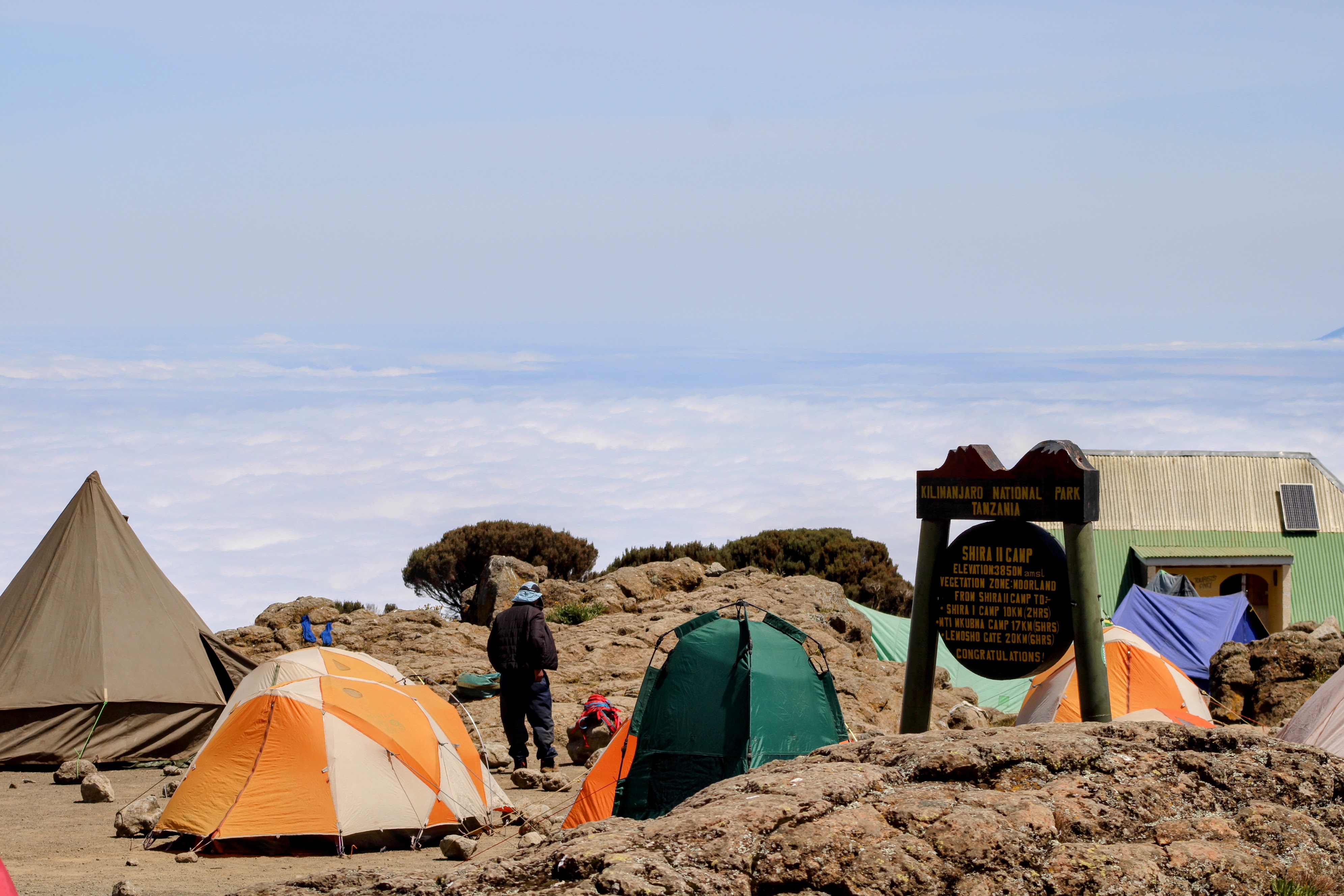
Day 2 Machame Camp to Shira Camp
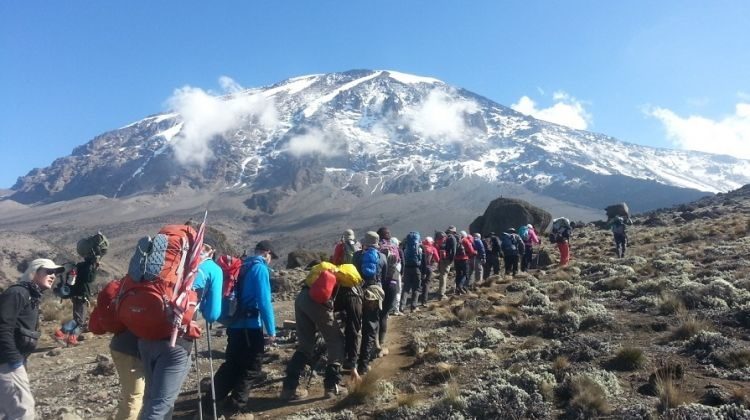
A morning trek through rainforest glades before you climb into open moorland and onto the Shira Plateau, with your first views of the Western Breach and its glaciers. Shira Camp is exposed and cold, often below freezing at night.
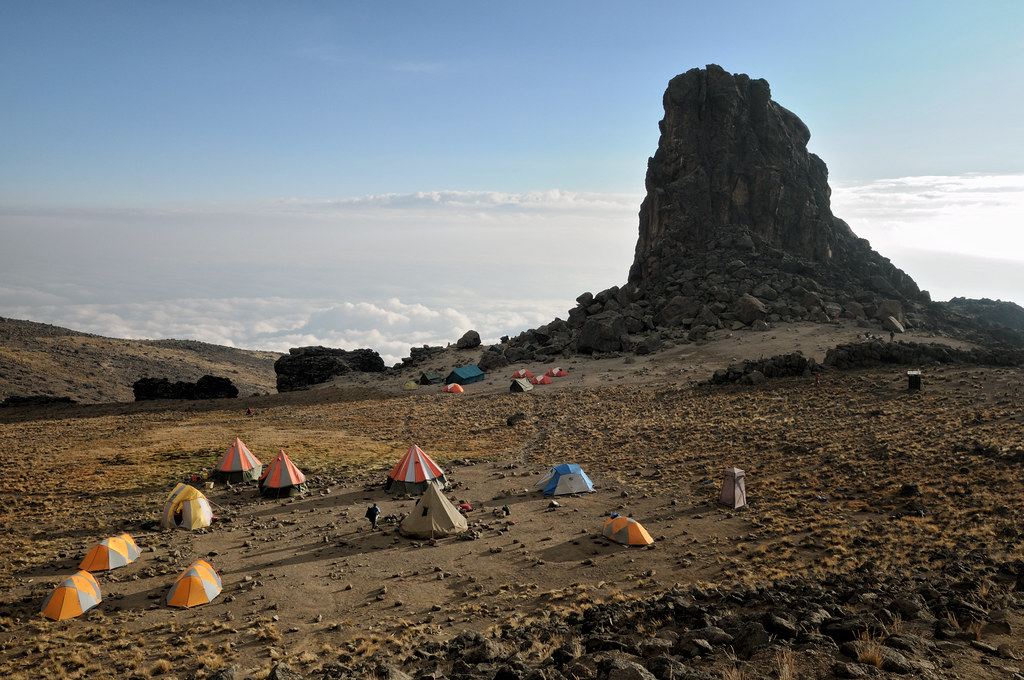
Day 3 Shira to Lava Tower to Barranco Camp
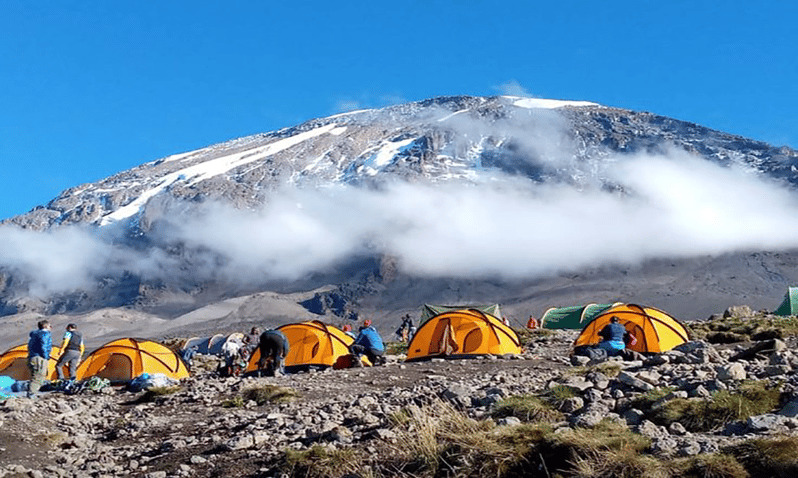
A key acclimatisation day. You climb east to the landmark Lava Tower (4,630 m) for lunch and valuable high-altitude exposure, then descend about two hours into Barranco Camp for a memorable sunset through the valley. This “climb high, sleep low” day is what makes Machame so effective.
Day 4 Barranco Camp to Karanga Camp
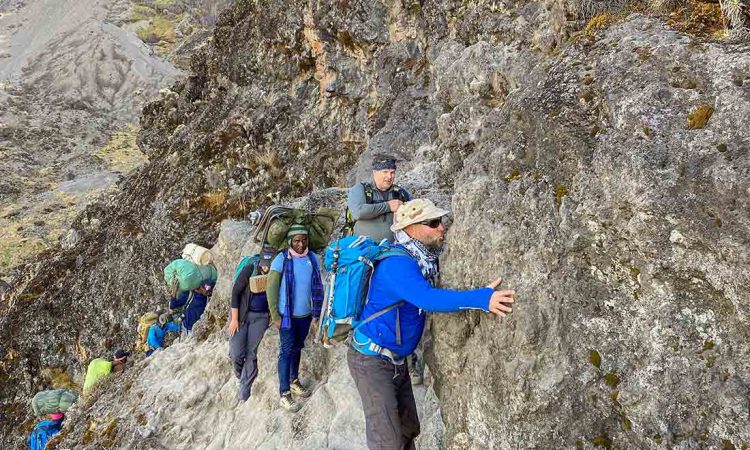
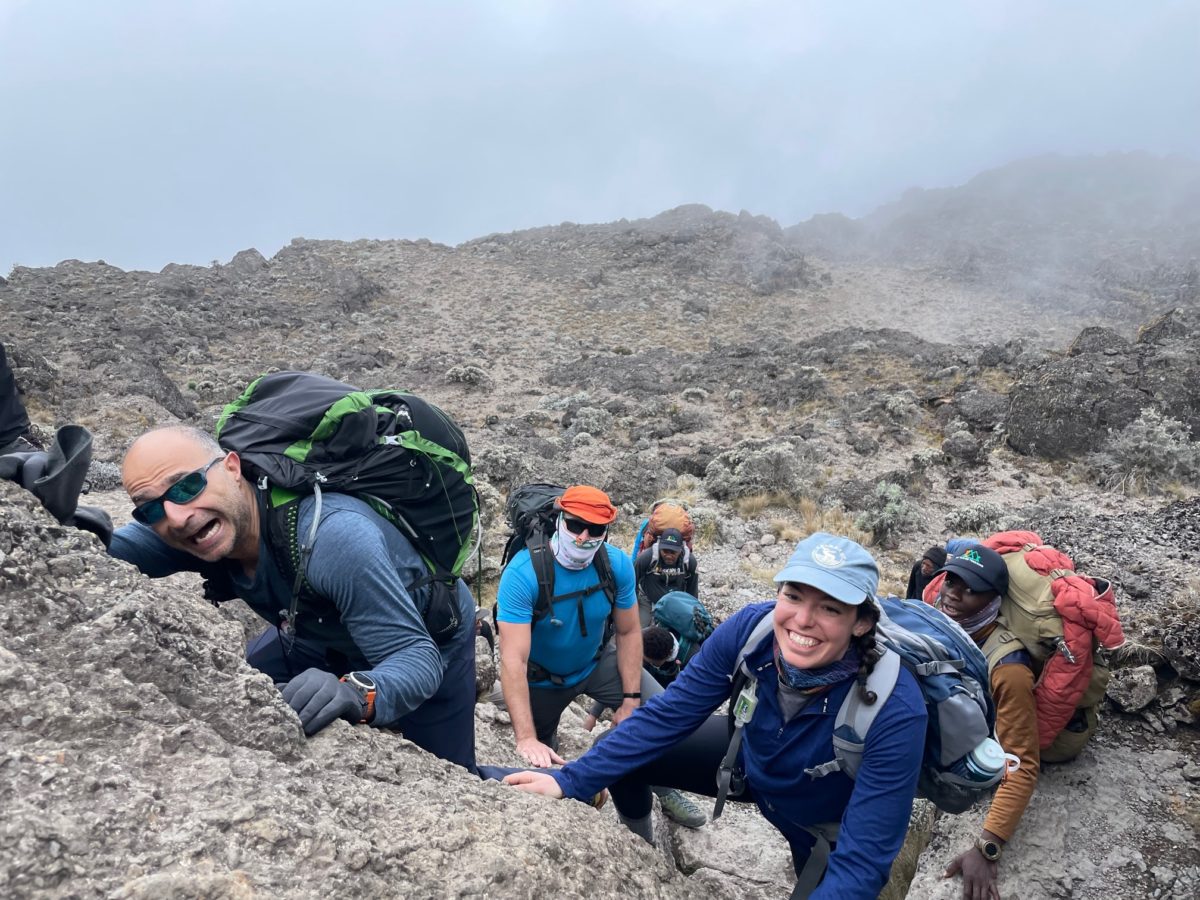
You tackle the Great Barranco Wall, far easier than it looks and a highlight of the climb, then continue below the Heim Glacier and down into the Karanga Valley. This is the last water point before the summit. The extra night here is what the 7-day route adds over the 6-day.
Day 5 Karanga Camp to Barafu Camp
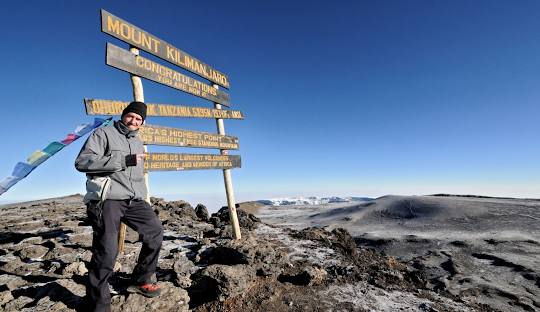
You cross several ridges to join the Mweka Route and reach Barafu Camp, the summit base camp, on a windy, rocky ridge. You prepare your gear, replace headlamp and camera batteries, eat early and try to sleep by 7 PM before the midnight start.

Day 6 Barafu Camp to Uhuru Peak to Mweka Camp
Summit day. Around midnight you climb roughly six hours through thick scree to Stella Point (5,685 m), timed for a majestic sunrise, then follow the crater rim one to two hours to Uhuru Peak, 5,895 m. After photos on the Roof of Africa you descend to Barafu, then on to Mweka Camp to rest.
Day 7 Mweka Camp to Mweka Gate
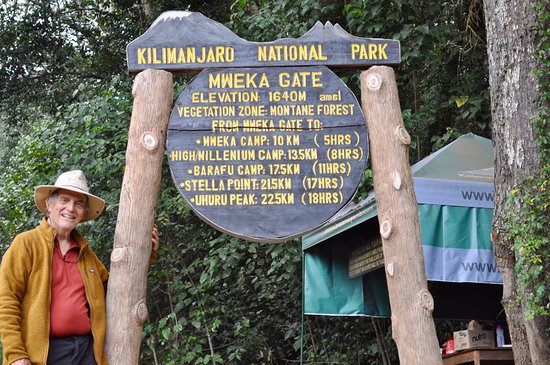
A short, scenic descent through rainforest to Mweka Gate. You register and receive your summit certificate, green for Stella Point and gold for Uhuru Peak, then drive to Moshi for a hot lunch and your first hot shower in days.
Machame Route 7 Days Price 2026/2027
Three ways to climb, all fully guided with the same professional mountain crew. Prices are per person and depend on group size and dates. Share your details for a confirmed written quotation.
| Package | Style | Price (per person) | Notes |
|---|---|---|---|
| Budget | Joining group | $1,650 | From 2 people and above, shared group departure |
| Mid-range | Private | $1,970 | Your own crew, flexible dates, upgraded service |
| Luxury | Private | $2,550 | Premium gear, service and support throughout |
Per person, 2026/2027. Final price confirmed in writing before booking.
Which Machame itinerary should you book?
| Factor | 6-Day Machame | 7-Day Machame |
|---|---|---|
| Nights on mountain | 5 | 6 |
| Karanga acclimatisation night | No (Barranco → Barafu direct) | Yes |
| Summit success | Good | Highest on Machame (90%+) |
| Best for | Experienced trekkers short on time | Most climbers, especially first-timers |
Tour Inclusions & Exclusions
Included
- • Kilimanjaro Park entry, camping and rescue fees
- • Professional licensed guide team
- • Porters, mountain cook and crew
- • Quality tented accommodation on the mountain
- • All meals and treated drinking water
- • Climbing gear: tents, sleeping bags, mats
- • Twice-daily health checks and emergency oxygen
- • All ground transport, taxes and airport transfers
Excluded
- • International flights and Tanzania visa
- • Travel insurance to 6,000 m (required)
- • Hotel nights before and after the climb
- • Personal trekking clothing and boots
- • Tips for the mountain crew
- • Personal items, drinks and laundry
How hard is the 7-day Machame Route?
Challenging but non-technical. The trail demands stamina over long days, a head for the Barranco Wall scramble (no climbing gear needed) and resolve on the midnight summit push. The real test is altitude, not terrain, which is exactly why the 7-day profile, with its Lava Tower acclimatisation and Karanga night, delivers a success rate above 90%. Pace yourself, hydrate, and tell your guide immediately about any headache, nausea or unusual fatigue.
Best time for the Machame Route
The dry seasons give the best trail and summit conditions:
| Period | Conditions | Verdict |
|---|---|---|
| January – February | Warm, generally dry, clearer skies | Excellent |
| June – October | Dry season, peak climbing months | Best |
| December | Often good, occasional showers | Good |
| March – May | Long rains, muddy trail | Not advised |
| November | Short rains, fewer crowds | Variable |
How to book the 7-day Machame Route
1. Contact us
Message us on WhatsApp (+255 672 530 415) or email info@kaitoursandsafaris.com. We reply fast, every day.
2. Share your plan
Preferred dates, number of climbers, budget / mid-range / luxury, and any dietary needs.
3. Get your quotation
A clear written quote with itinerary, inclusions, exclusions and total price, with no obligation.
4. Confirm and prepare
Pay a deposit to secure permits, then receive your packing list and pre-climb briefing.
Machame Route 7 Days FAQs
It starts from $1,650 per person for a budget group-joining climb (2+ people). A mid-range private climb is $1,970 pp and a luxury private climb is $2,550 pp. Final price depends on group size, dates and services.
Yes. Machame is nicknamed the Whiskey Route because it is tougher and more scenic than the easier Marangu (Coca-Cola) Route. It is a camping route, not a hut route.
A joining (group) climb shares a scheduled departure with other climbers on the same route and dates, reducing cost per person while keeping a fully guided expedition.
Yes. The 7-day itinerary gives excellent acclimatisation (Lava Tower climb-high-sleep-low plus the Karanga night) and one of the highest success rates on Kilimanjaro, over 90%.
The 7-day adds a night at Karanga Camp for more acclimatisation and a higher success rate. The 6-day goes Barranco to Barafu directly: faster and cheaper but harder. Choose 7 days for the best summit chance.
Challenging but non-technical. Expect long walking days, the Barranco Wall scramble and a tough midnight summit. The main difficulty is altitude, not climbing skill.
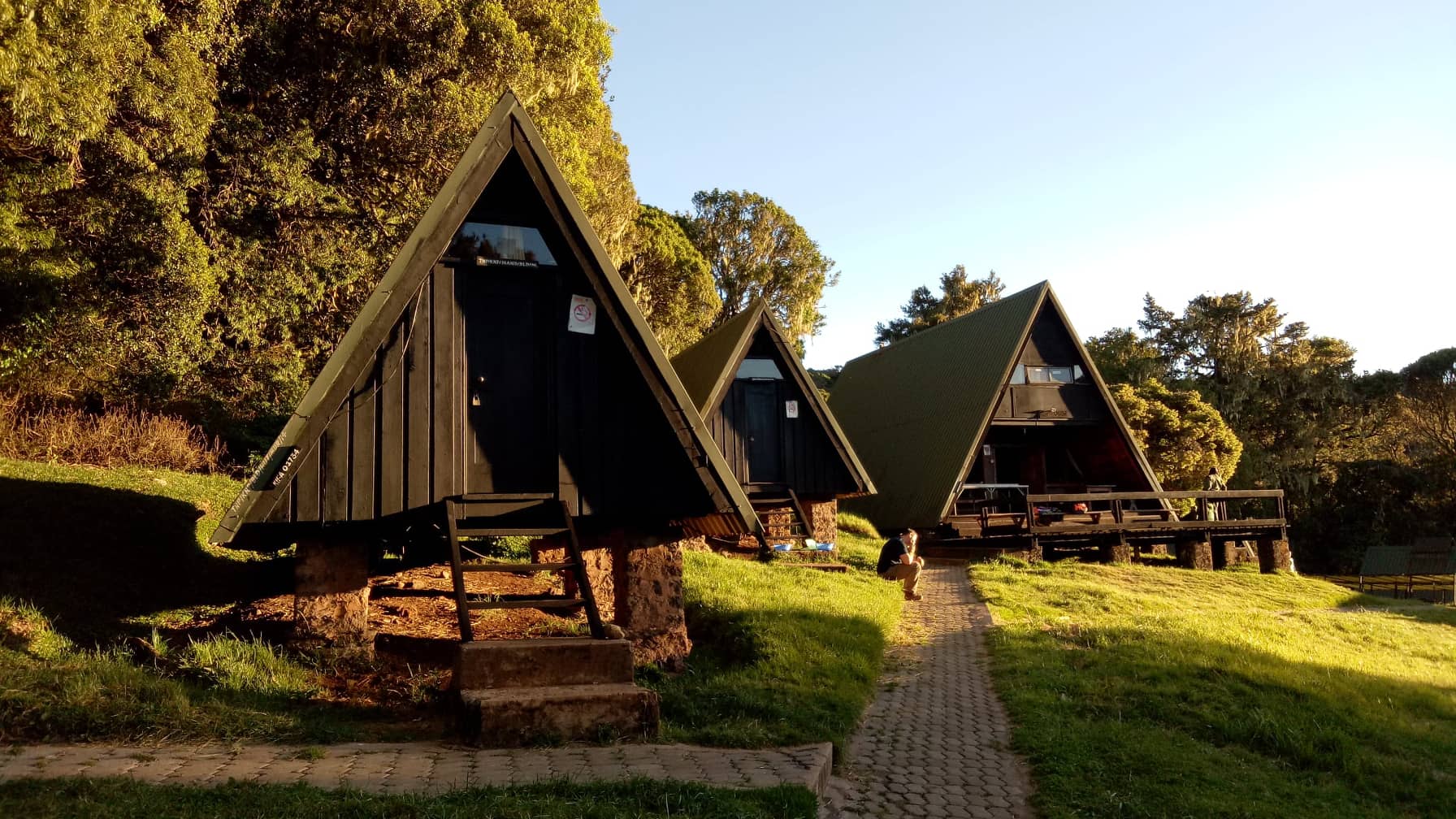
You camp in tents throughout. Our crew carries and pitches mountain tents at each camp. Only the Marangu Route has permanent huts.
If your guide judges it unsafe to continue, you descend to a safer elevation. Safety comes before the summit; guides carry emergency oxygen and a pulse oximeter and check your health twice daily.