In Short
Tarangire is the home of giants: the largest elephant herds in northern Tanzania, gathered beneath ancient baobab trees along a river that flows all year. It is the closest major park to Arusha, which makes it the best value full-day safari in the north, from US$250 per person including all park fees, a private 4x4 and a professional guide. You leave Arusha in the morning, game drive through elephant country with a picnic lunch by the Tarangire River, and return the same evening. This page covers the wildlife, the best time to visit, the real prices by group size, and everything included.
Overview
Tarangire National Park sits in northern Tanzania, covering roughly 2,850 square kilometres, and takes its name from the Tarangire River that winds through its heart. It is one of the country's most rewarding and least crowded parks, often overshadowed by the Serengeti and the Ngorongoro Crater, which is exactly why those who visit tend to remember it so fondly. Where the Serengeti overwhelms with scale, Tarangire charms with character: rolling savannah studded with giant baobabs, seasonal swamps humming with birds, and elephants everywhere you look.
As a day trip, Tarangire works better than almost any other northern park, because it is close to Arusha and the wildlife is concentrated rather than scattered across endless plains. You do not need several days to feel you have seen it. A single, well-paced day gives you two game drives, a riverside lunch surrounded by animals, and a genuine sense of one of Africa's great elephant landscapes. Kai Tours and Safaris runs this as a private trip, so you have your own 4x4 and guide and set the pace, stopping as long as you like wherever the wildlife rewards it.
Best Short Northern Tanzania Safaris 2027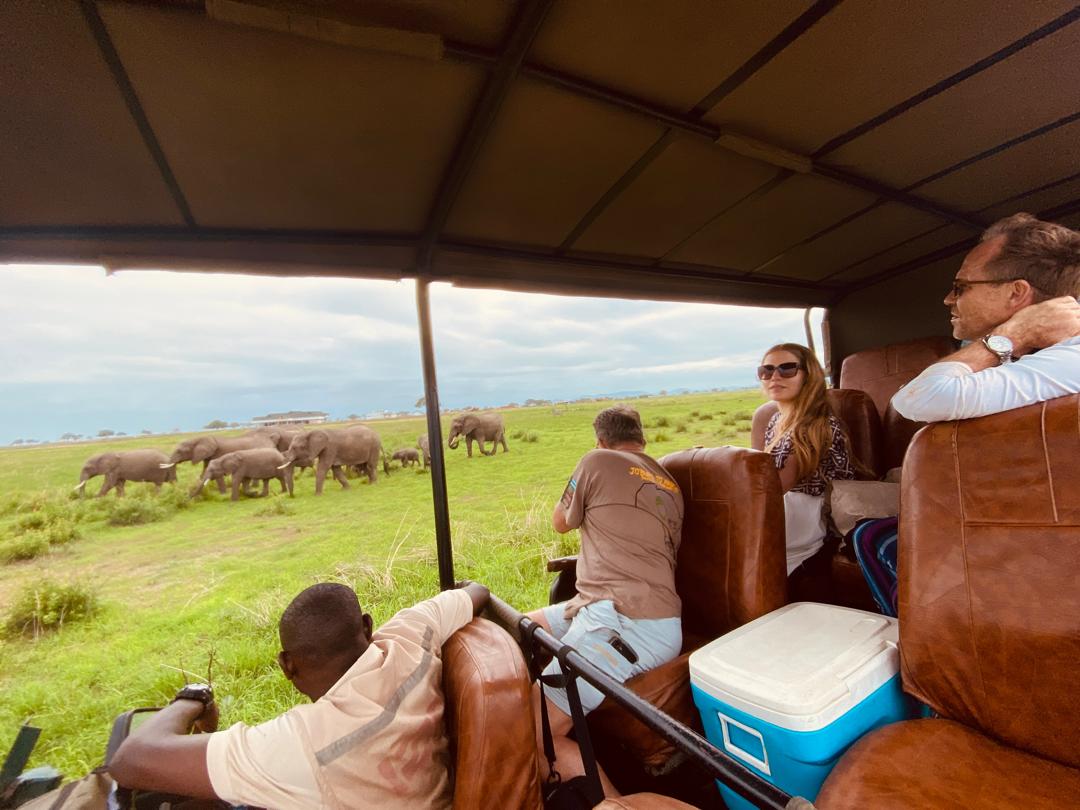
Authentic safari experiences for every traveler

Our modern, comfortable 4x4 safari vehicles
Why Tarangire is special
Three things set Tarangire apart from every other park on the Northern Circuit, and understanding them is the difference between seeing the park and understanding it.
The elephants
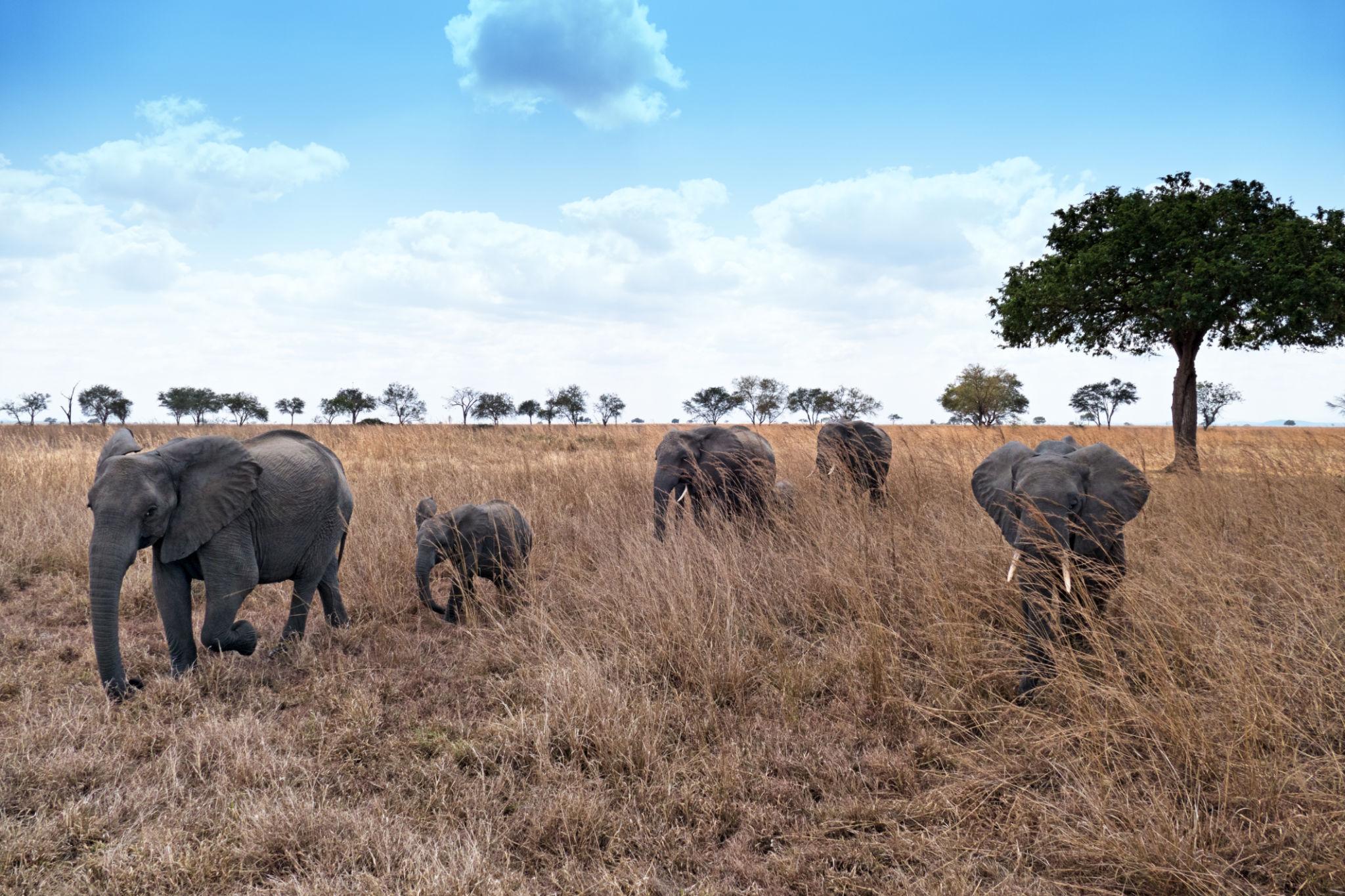
Tarangire holds some of the largest elephant concentrations anywhere in northern Tanzania. In the dry season, when the surrounding landscape bakes and other water sources vanish, the Tarangire River becomes a lifeline, and elephants pour in from across the wider ecosystem to drink, bathe and feed. It is not unusual to watch a hundred or more moving together along the riverbanks, with tiny calves shielded between the legs of the adults. For anyone who has dreamed of seeing wild elephants in real numbers, this is one of the most reliable places on earth to do it.
The baobabs
The park's other signature is its ancient baobab trees, the swollen, primeval-looking giants that seem almost too strange to be real. Some are estimated to be many centuries old, their vast trunks storing water through the dry months. They give Tarangire a landscape unlike anywhere else on the circuit, and photographers come specifically for the sight of elephants dwarfed beneath them at golden hour. Local legend calls the baobab the upside-down tree, as though its roots were reaching for the sky.
The river and the ecosystem
The Tarangire River flows year-round and anchors a much larger seasonal migration. Tarangire is not an island; it is the dry-season heart of the wider Tarangire-Manyara ecosystem, and animals move in and out of it with the rains. This is why the season you visit changes the park so dramatically, a point covered in detail below.
What you will see, honestly
Tarangire is superb for general game and exceptional for elephants, but it is not a guaranteed Big Five park in a single day, and it helps to know that going in. Here is an honest guide to what lives here and how likely you are to see it.
| Animal | Likelihood on a day trip |
|---|---|
| Elephant | Very high, the park's signature, often in large herds |
| Zebra, wildebeest, impala, giraffe | Very high |
| Cape buffalo | High, often in large herds |
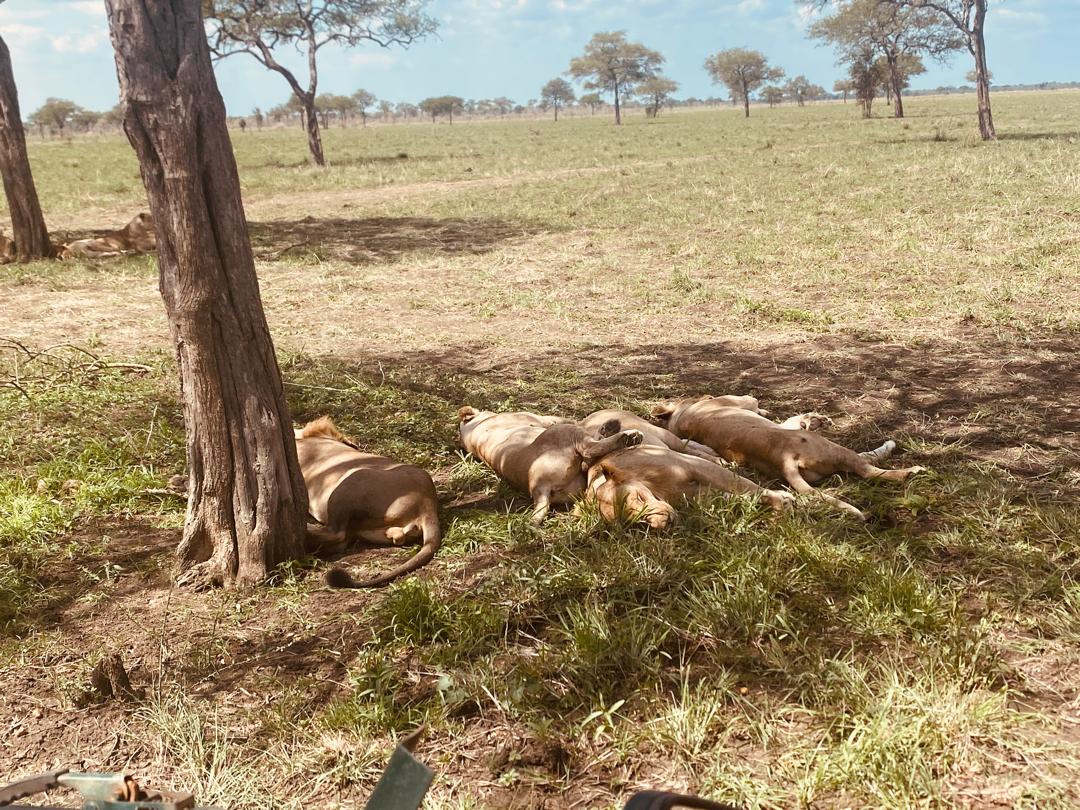
| Lion | Good, seen regularly, sometimes resting in trees |
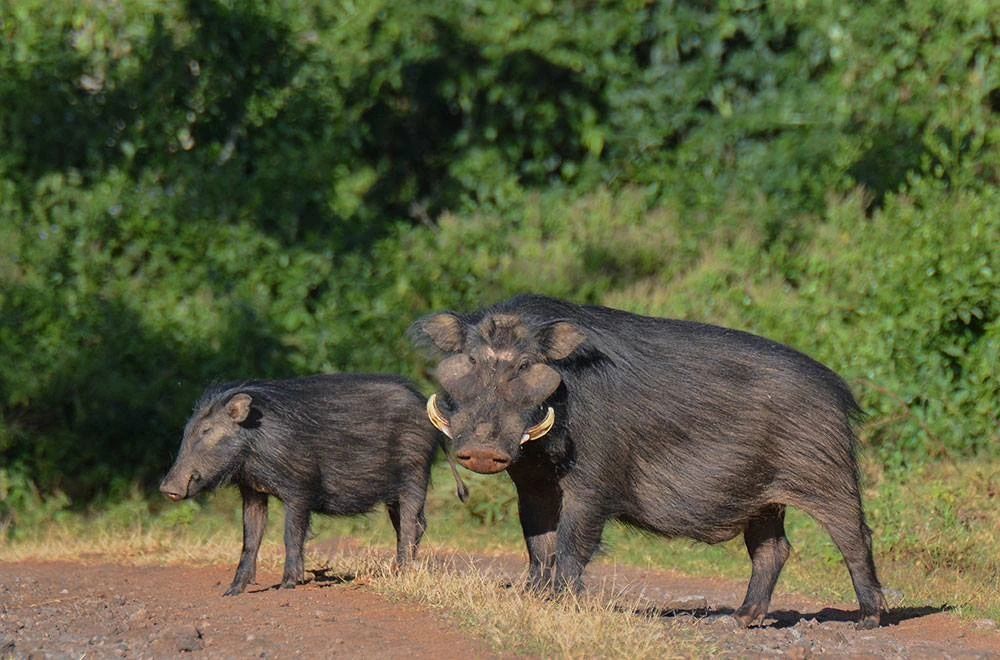
| Warthog, eland, hartebeest, waterbuck | Common |
| Leopard | Present but elusive, never guaranteed |
| Cheetah | Occasional, mainly in the southern grasslands |
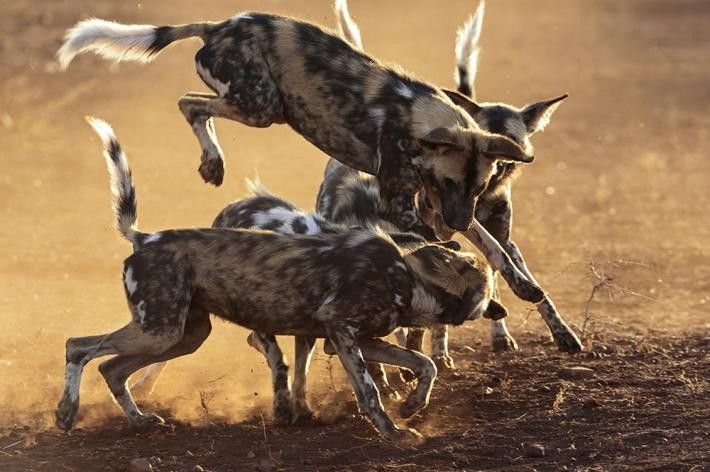
| African wild dog | Rare, an exciting bonus when seen |
| Dwarf mongoose, banded mongoose | Common around termite mounds |
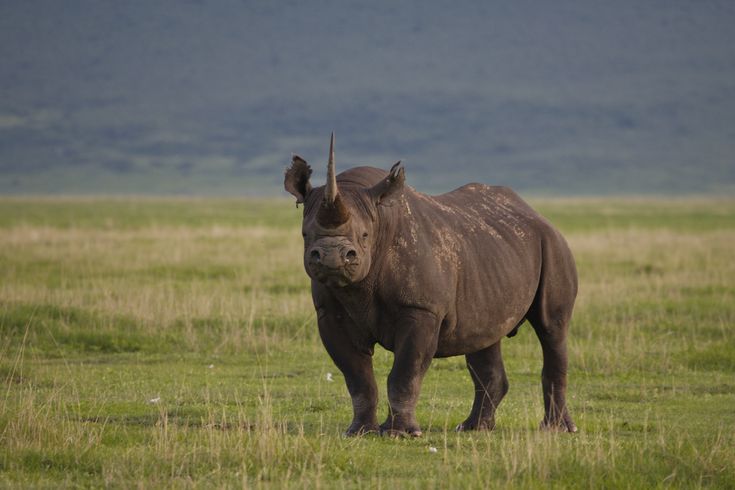
| Black rhino | Not present. Rhino are realistically only in the Ngorongoro Crater |
Tarangire is also known for a few local specialities that reward a patient guide. The park is one of the places where lions occasionally rest in trees, and its pythons are locally famous for climbing into the branches too. Around the swamps you will find some of the densest concentrations of breeding birds anywhere in Tanzania. Treat a leopard or cheetah sighting as a wonderful bonus rather than the point of the day, and you will come away delighted rather than disappointed.
Bird watching in Tarangire
Even if you have never given birds a second glance, Tarangire may change your mind. With over 550 species recorded, it is one of the richest birding destinations in Tanzania and a genuine draw for enthusiasts from around the world. The seasonal swamps in the south of the park are the epicentre, supporting some of the highest densities of breeding birds anywhere on the continent.
Two species here are near-endemic to this corner of Tanzania and top most birders' lists: the vividly coloured yellow-collared lovebird, and the ashy starling, a slender grey bird found almost nowhere else. Beyond those, look for the enormous kori bustard, one of the heaviest flying birds in the world, the ground-dwelling ostrich, the dazzling lilac-breasted roller, ground hornbills, and a great many raptors circling the thermals. From November to April the resident cast is joined by migratory species escaping the northern winter, making the green season the birding highlight of the year.
Day trip itinerary
Timings are a guide and flex with the season, road conditions and the wildlife. Your guide shapes the day to make the most of your time in the park.
Price for 2027 by group size
The price is per person and falls as your group grows, because the 4x4 and guide are shared across everyone in the vehicle. This is why travelling as a group of four is noticeably cheaper per head than travelling as a couple.
| Group size | 1 | 2 | 3 to 4 | 5 to 6 | 7+ |
|---|---|---|---|---|---|
| Price per adult (USD) | $360 | $250 | $220 | $200 | $185 |
Per person, non-East African adults, 2027 indicative rates. Children receive reduced rates. Park fees are reviewed annually by the authorities, so your exact price is confirmed when we quote.
What's included
- • Hotel pick-up and drop-off in Arusha
- • Private 4x4 Land Cruiser with pop-up roof
- • Professional English-speaking guide
- • All park entry and concession fees
- • Government taxes and levies
- • Picnic lunch at a scenic spot
- • Bottled and drinking water
What's excluded
- • International flights and Tanzania visa
- • Travel and medical insurance
- • Tips and gratuities for your guide
- • Alcoholic drinks beyond any noted
- • Personal expenses and souvenirs
- • Anything not listed as included
Best time to visit Tarangire
Tarangire changes more between seasons than almost any other northern park, so the timing of your visit genuinely shapes what you see.
| Season | Months | What to expect |
|---|---|---|
| Dry season, peak game | June to October | The park at its most spectacular. Animals across the ecosystem concentrate along the river, producing Tarangire's legendary elephant gatherings. Best for big game, clearest views, busiest. |
| Short dry spell | January to February | A drier window in the green months, good general game and excellent scenery, fewer vehicles. |
| Green season, best birding | November to May | Lush and photogenic, with migratory birds arriving and newborn animals about. Wildlife is more dispersed as water is widely available, so elephant numbers in the park are lower. Lowest prices. |
For a day trip focused on elephants and big game, the dry season from June to October is unbeatable. If your priority is birds, green scenery and value, the green season is a quieter, cheaper and beautiful alternative. There is no truly bad time; there is only the season that matches what you most want to see.
Serval Wildlife Sanctuary Day Trip from Moshi & ArushaGetting there and distances
Tarangire is the closest major national park to Arusha, which is a large part of why it works so well as a day trip. The gate lies a short distance off the main Arusha to Dodoma road, near the town of Mto wa Mbu.
| Route | Distance | Drive time |
|---|---|---|
| Arusha to Tarangire | ~120 km | 2 to 2.5 hours |
| Moshi to Tarangire | ~200 km | ~3 hours |
| Kilimanjaro Airport to Tarangire | ~170 km | ~2.5 to 3 hours |
| Tarangire to Lake Manyara | ~70 km | ~1.5 hours |
The route is on good tarmac almost the whole way, with a short access road to the gate. Times exclude game-drive hours.
Conservation and the bigger picture
When you pay to enter Tarangire, you are doing more than buying a game drive. The park entry and concession fees in your price go directly to the Tanzania National Parks Authority, which funds the ranger patrols, anti-poaching work and habitat management that keep this ecosystem intact. Tarangire's elephants are a conservation success story worth understanding: after heavy poaching pressure in earlier decades, protection has allowed the population to recover to the remarkable numbers visitors see today, and every entry fee helps sustain that.
The park also sits at the centre of a wider challenge. Tarangire is not sealed off from the land around it; its wildlife depends on migration corridors that stretch beyond the boundary into community and pastoralist land, where Maasai herders have grazed cattle for generations. Keeping those corridors open, so that elephants and wildebeest can still move with the seasons, is one of the most important conservation efforts in northern Tanzania, and it depends on tourism giving local communities a reason to protect wildlife rather than compete with it. Choosing a responsible operator, tipping fairly, and considering an optional Maasai village visit are small ways your trip supports that balance.
On the ground, our guiding follows simple rules that protect the animals and the experience for everyone: we keep to the tracks rather than driving off-road, we never crowd or feed wildlife, we keep a respectful distance from elephants with calves, and we keep noise down at sightings. Good wildlife viewing and good conservation are the same thing, not a trade-off.
Good to know before you go
- Dress in light layers. Mornings can be cool, midday is hot. Neutral colours such as khaki and beige are best in the bush.
- Bring the essentials. A hat, sunglasses, sunscreen, insect repellent, binoculars, a camera with spare batteries, and some US dollar cash for tips.
- Tipping is customary. A tip for your guide is appreciated and not included; US dollar cash is easiest.
- It is an easier day than the crater. Less driving and lower fees make Tarangire a relaxed first safari, especially for families with children.
- Walking safaris and night drives. Tarangire is one of the few northern parks where these are possible in designated areas, arranged in advance on a multi-day trip rather than on a standard day visit.
- Malaria precautions. Take antimalarial medication and use repellent. Speak to a travel clinic before you travel.