My name is Justus Kahwa, and I run safari operations at Kai Tours and Safaris. Over the past several years I have sent hundreds of travelers from Dar es Salaam into Mikumi National Park, and I have guided plenty of them myself. So when someone asks me how to plan a two day Mikumi safari, I am not repeating something I read online. I am telling you what I have watched work, season after season.
A two day Mikumi safari is the trip I recommend most often to people who are short on time but still want the real thing. One night in the park changes everything. You get an afternoon drive, a night under a sky full of stars, and a sunrise drive the next morning while the lions are still moving. In this guide I will walk you through all of it, how you travel, what your two days look like hour by hour, what it honestly costs, when to come, and the new insurance rule that every visitor to mainland Tanzania now has to know about. Near the end I also show you three ways to book this safari, so you can choose the version that fits you.
The easiest two day Mikumi safari from Dar es Salaam takes the SGR electric train to Morogoro in a little over two hours, then a private safari vehicle to the park. You enjoy an afternoon drive and a sunrise drive on the Mkata Floodplain, with a night at a lodge such as Camp Bastian. Prices start from about $590 per person, the best months are June to October, and from 2026 you will also need Tanzania's $44 mandatory inbound travel insurance.
Why Two Days Beats One
Let me be honest about the one day version first, because plenty of people ask about it. You can do Mikumi in a single day from Dar es Salaam, and I sell that trip too. But you pay for it with your body: more than ten hours of driving squeezed around a few hours in the park, arriving back in the city late and tired. Some travelers genuinely only have one free day, and for them it is the right call. For everyone else, I push hard for two days.
Here is what the extra day buys you. First, the afternoon. Wildlife in Mikumi moves in the cooler hours, so late afternoon is prime time, and on a two day trip you are already inside the park when it happens instead of racing back toward Morogoro. Second, the night itself. Sitting at the lodge after dinner, listening to the bush settle, is a memory people talk about for years. Third, and this is the one that matters most, the sunrise drive. First light is when predators are still active and the plains are quiet. I have shown guests lions finishing a hunt at half past six in the morning that they never would have seen on a day trip. That single drive is usually the highlight of the whole safari.
Two days also takes the pressure off. Nobody is watching the clock. Your guide can sit with a leopard for twenty minutes if you find one, or wait quietly at a waterhole to see who comes to drink. That patience is where the best sightings come from, and you simply cannot afford it on a one day rush.
Why Choose a 2 Day Mikumi Safari from Dar es Salaam
Getting There: the SGR Train
For years the only way to reach Mikumi from Dar es Salaam was the road, and the road is long. The drive can run four to six hours depending on the traffic leaving the city, and that first hour is often just escaping Dar. These days I steer most of my clients toward the SGR train instead, and it has changed the trip for the better.
The SGR is Tanzania's modern electric railway. The stretch from Dar es Salaam to Morogoro takes a little over two hours, the carriages are clean and air conditioned, and you watch the country roll past instead of gripping your seat on the highway. It is also inexpensive, which surprises a lot of first time visitors. You leave the city early, arrive in Morogoro rested, and my driver and safari vehicle are waiting to take you the rest of the way to the park gate.
I recommend booking the train early, especially in the busy months, because the good departures fill up quickly. When you book your safari with us, we handle the tickets, so you are not standing in a queue at the station on the morning of your trip. If you would rather travel the whole way by private vehicle, we arrange that too, and some families prefer the flexibility of a car for stopping when they like. But for most couples and small groups, the train is the calmer, smarter way to begin a safari.
Best 2 Day Mikumi Safari from Dar es Salaam by SGR Train Itinerary - Your two days, hour by hour
Here is exactly how the two days unfold. I have written the times out honestly, the way my guides actually run the trip, so you know what to expect rather than reading a polished version that never happens on the ground.
Day 1: Dar es Salaam to Mikumi – SGR Train & Afternoon Safari
05:00 AM: Pick up from your accommodation in Dar es Salaam and transfer to the SGR railway station.
06:00 AM: Check in and board the modern SGR train for a comfortable journey to Morogoro.
06:30 AM – 08:40 AM: Enjoy the scenic SGR train ride from Dar es Salaam to Morogoro.
09:00 AM – 10:45 AM: Drive by private safari vehicle to Mikumi National Park.
11:00 AM: Enter the park and begin your first exciting game drive while heading toward the lodge.
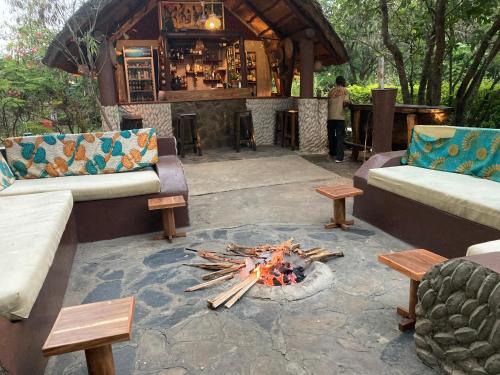
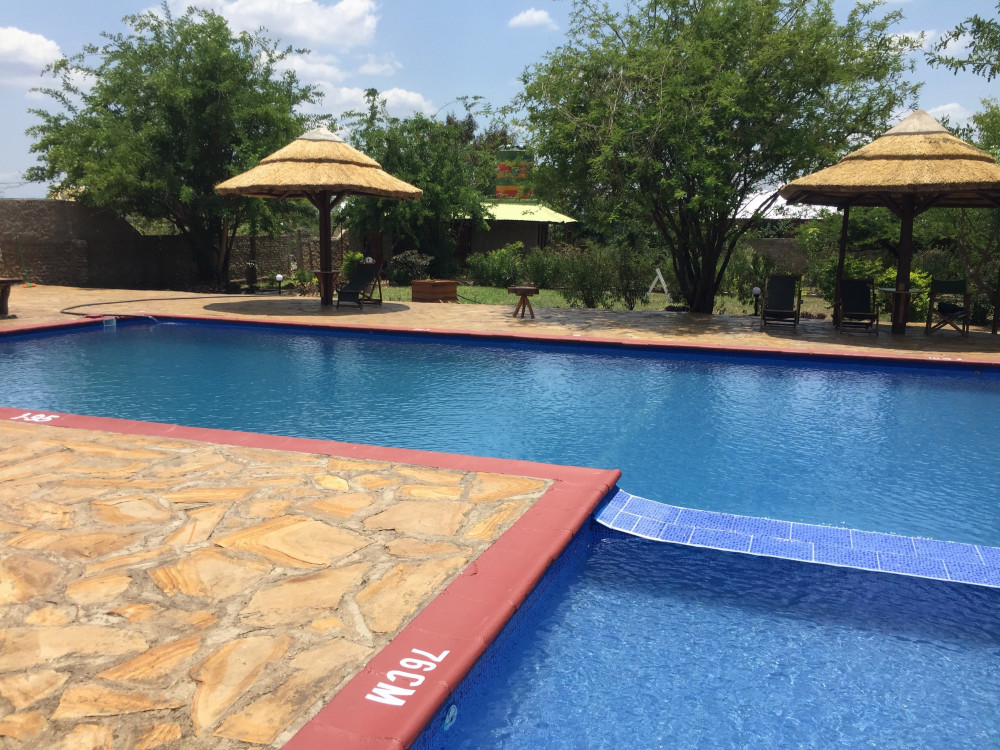
01:00 PM: Lunch at Camp Bastian Mikumi and short relaxation.
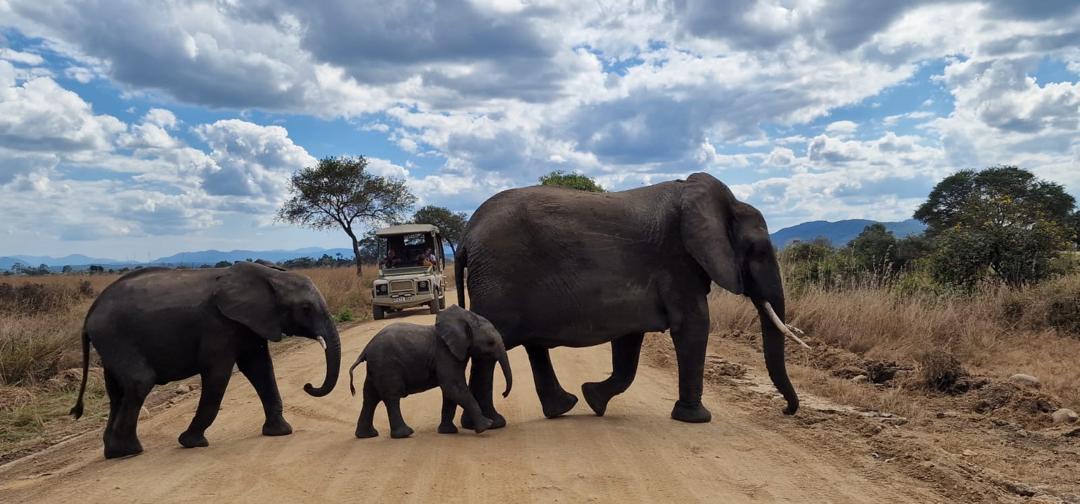
03:00 PM – 06:00 PM: Afternoon game drive across the Mkata floodplain searching for lions, elephants, giraffes, zebras, buffaloes, and hippos.
06:30 PM: Return to Camp Bastian for dinner and overnight stay.
Day 2: Sunrise Safari & Return to Dar es Salaam by SGR
06:00 AM: Early morning wake up with tea or coffee.
06:30 AM – 09:00 AM: Sunrise game drive when wildlife is most active and temperatures are cooler.
09:15 AM: Return to Camp Bastian for breakfast.
10:00 AM: Check out and prepare for departure.
10:30 AM – 12:00 PM: Final short game drive while exiting Mikumi National Park.
12:15 PM – 02:00 PM: Drive back to Morogoro SGR station.
02:30 PM – 04:30 PM: Board the SGR train back to Dar es Salaam.
05:00 PM: Arrival in Dar es Salaam and drop off at hotel, ferry terminal, or airport.
The sunrise drive on the second morning is the reason I keep pushing people to stay the night. You are out on the plains before the day heats up, the light is soft and gold, and the predators have not yet gone to rest. That is the drive most of my guests remember long after they have flown home.
The Best Time to Come
Mikumi is open all year, and I run safaris in every month, so there is no season I would tell you to avoid outright. There are only trade offs, and the right choice depends on what you want most.
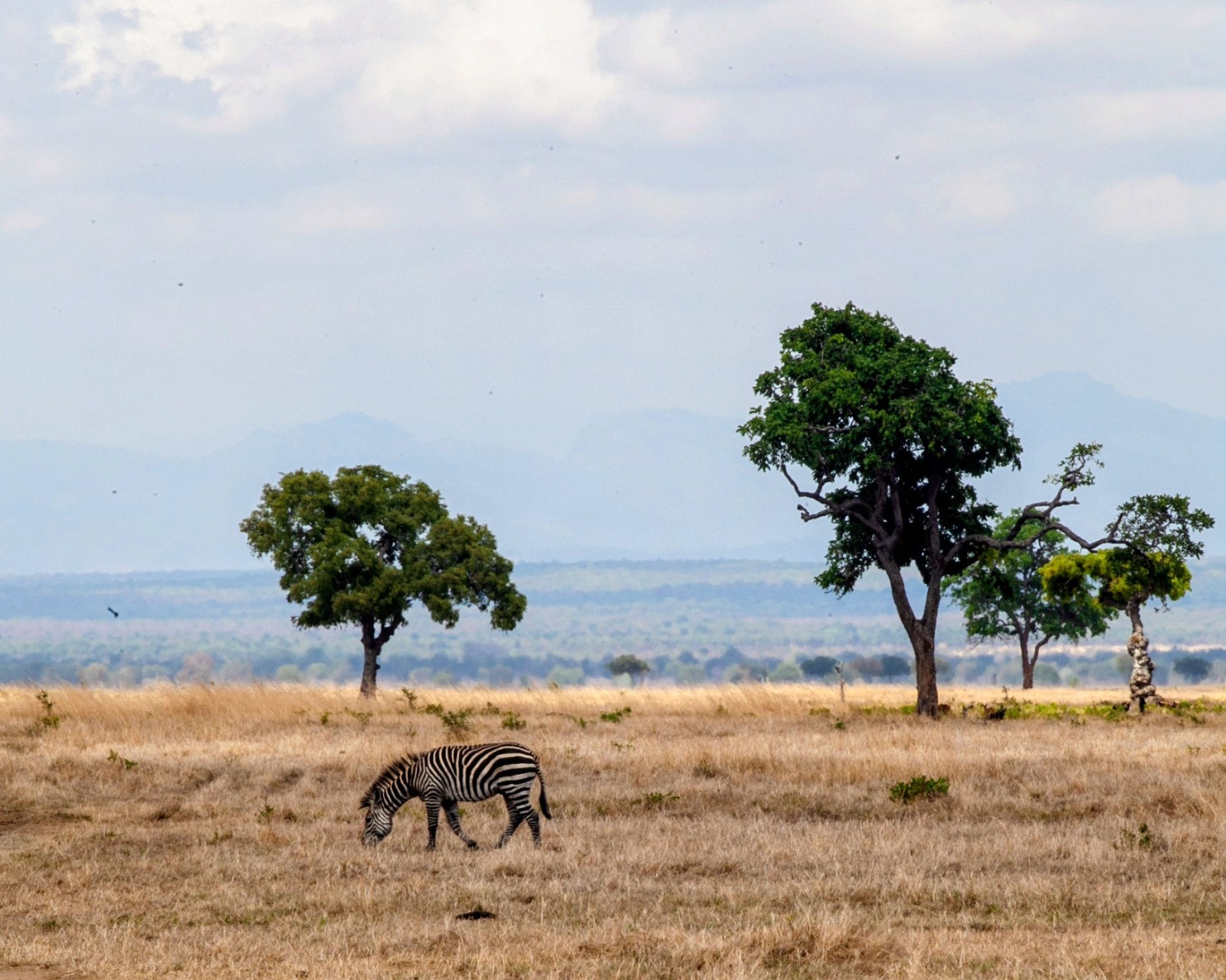
- If your priority is seeing as much wildlife as possible, come in the dry season, roughly June to October. The grass is short, the animals gather around the shrinking water, and sightings come easily. These are also our busiest months, so book ahead if you can.
- The green season, from November into March, is a different kind of beautiful. The landscape turns deep green, the light is soft, newborn animals appear, and the birding is at its best. There are fewer vehicles in the park and the prices are often gentler. You may catch a passing shower, but it rarely stops a game drive.
- April and May bring the long rains. This is the quietest time in Mikumi, and while some tracks get muddy, the travelers who come then often have the park almost to themselves. If you do not mind a little weather, the value is excellent.
Whatever month you choose, one thing stays true. Early morning and late afternoon are when the park comes alive, and a two day trip puts you in the middle of both.
Explore Best Time For African Safari 2026-2027New in 2026: Mandatory Travel Insurance for Mainland Tanzania
As of 2026, every foreign visitor entering mainland Tanzania, including through Dar es Salaam and Kilimanjaro, has to hold a mandatory inbound travel insurance policy to enter. If you fly into Dar es Salaam for this safari, that means you, so sort it out before you travel.
This one caught a lot of travelers off guard when it arrived, so I want every client to understand it. The rule comes from the Insurance (Inbound Travel Insurance) Regulations, 2026, published in Government Notice number 256 on the fourth of September 2026. Here is what you actually need to know:
- Cost: USD 44 per visitor, a single flat rate.
- Validity: up to 92 days from arrival, with multiple entries allowed inside that window.
- What it covers: emergency medical treatment, emergency medical evacuation, emergency repatriation and loss of baggage.
- Who it applies to: foreign non-resident visitors entering mainland Tanzania by air, sea or land.
- Who is exempt: citizens of East African Community (EAC) and Southern African Development Community (SADC) member states.
- Where to buy it: online before you travel, or at the point of entry, after which you are issued a certificate. The scheme is run by Tanzania's National Insurance Corporation (NIC) and partner insurers.
I always tell clients to arrange this before they fly rather than at the airport. Without valid cover you can be turned away at the border, so it is not something to leave to chance. If your stay runs beyond 92 days, you buy a new policy.
One more thing, and it matters if you are pairing your safari with the islands. Zanzibar runs its own separate insurance, also around forty four dollars, through a different body. The two schemes do not yet recognise each other, so a trip that covers both the mainland and Zanzibar may need two policies, roughly eighty eight dollars in total. When you book with us we will tell you exactly what your particular route requires, so there are no surprises at immigration.
To be clear, this government policy is a minimum. I still recommend a proper private travel insurance policy of your own for trip cancellation and stronger medical cover.
Three Ways to Book This Safari
Not everyone wants the same trip, so I run this safari in three versions. Pick the one that fits how you like to travel, and you can reserve any of them directly with my team.
Classic 2-Day Mikumi by SGR
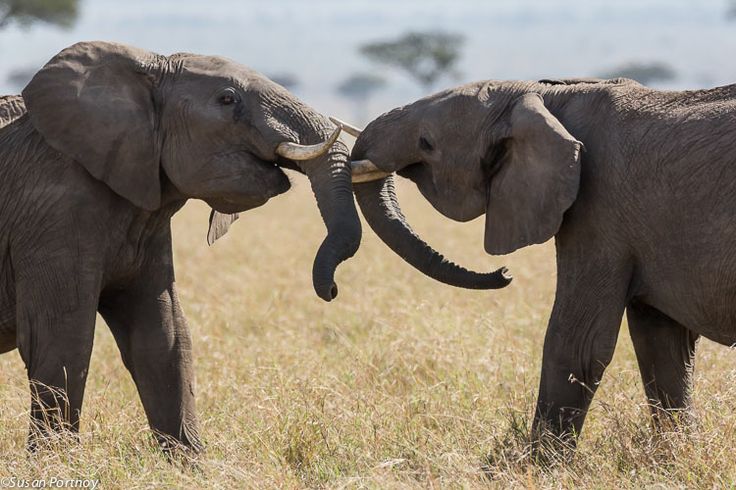
The trip described in this guide, and the one most of my clients choose. Comfortable train travel, private game drives, and a night at Camp Bastian. Complete and well priced.
View & Book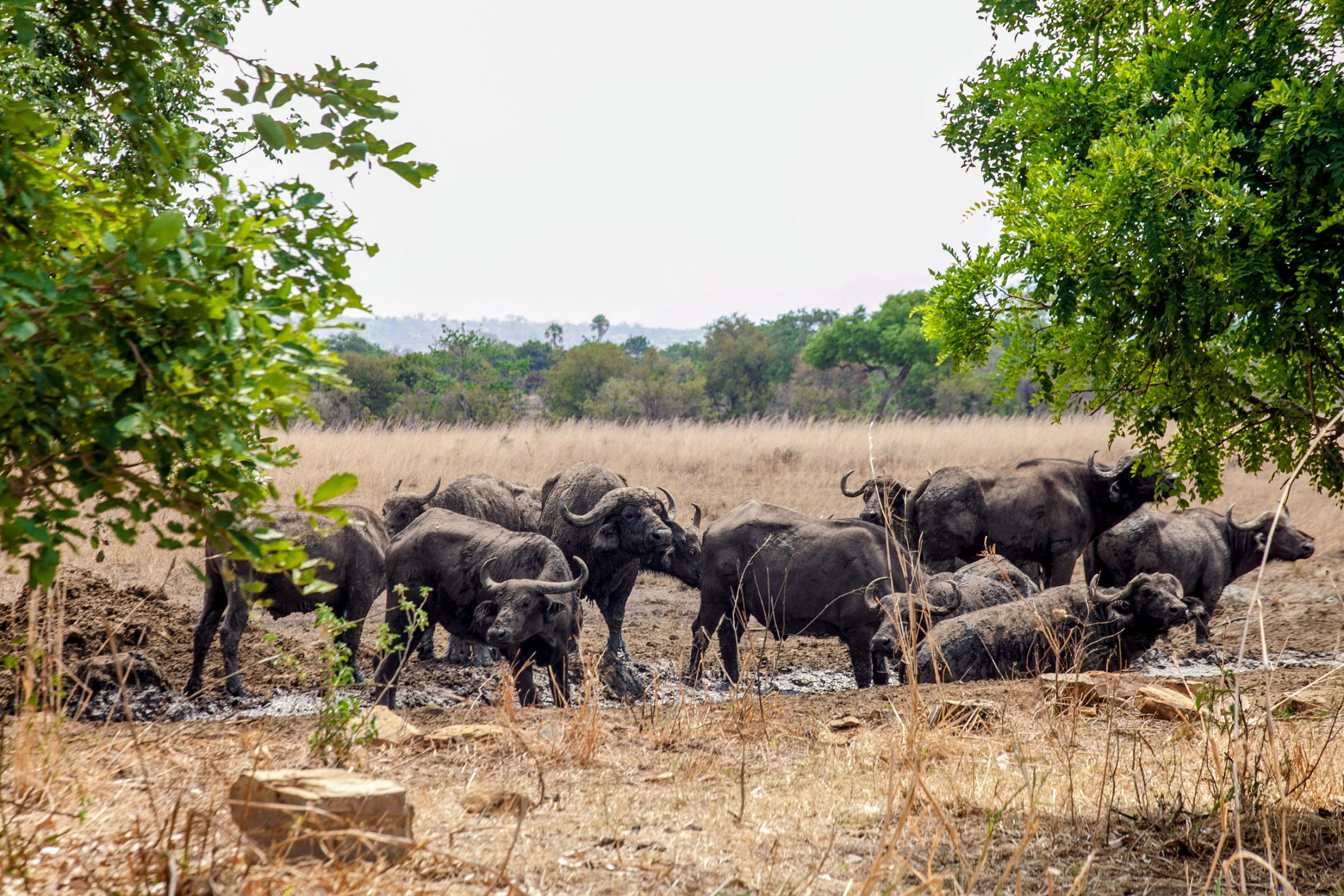
2-Day Mikumi with Maasai Cultural Experience
If you want more than wildlife, this version adds a visit to a Maasai community, where you are welcomed with traditional dancing and a real look at daily life. A favorite with families and first time visitors.
View & Book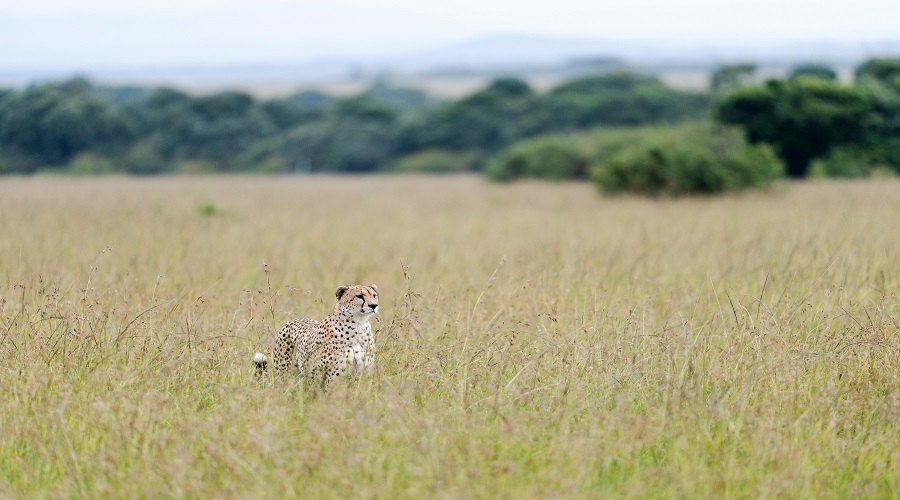
2-Day Luxury Mikumi Safari
For couples, honeymooners and travelers who want the trip done to a higher standard, this version steps up the vehicle, the lodge and the service, with private touches throughout.
View & BookWhichever you choose, the bones of the trip stay the same. The difference is in how much comfort and culture you want along the way. Message us and we will help you decide which one suits you best.
What to Pack
You do not need much, but a few things make the two days far more comfortable.
- Lightweight clothing in neutral colors like khaki, olive and beige, which blend in and stay cool.
- A warm sweater or fleece, because the early morning drive can be genuinely cold before the sun climbs.
- High factor sunscreen and a wide brimmed hat for the open plains.
- Binoculars and a camera with a zoom lens, so you can reach across the grassland.
- Insect repellent, especially for the evening at the lodge.
- Your passport, visa and inbound travel insurance certificate.
Frequently Asked Questions About 2 Day Mikumi Safari from Dar es Salaam
Book Your 2 Day Mikumi Safari from Dar es Salaam
Ready for an unforgettable wildlife adventure close to Dar es Salaam? Our 2 Day Mikumi Safari is perfect for couples, families, solo travelers, business visitors, and weekend explorers looking for a real Tanzania safari experience without long travel time.
Tell us your dates, your group size and which version you like, and we will send you a clear quote, usually within a few hours. Early booking is recommended for the busy 2026–2027 safari seasons.
Contact our safari team today:
Call: +255 672 530 415
|
Email: info@kaitoursandsafaris.com
Where is Mikumi National Park?
Mikumi National Park sits in southern Tanzania and is one of the closest safari parks to Dar es Salaam, about 283 kilometres away, or roughly four hours by road and less by train to Morogoro. That short distance is exactly what makes it work as a two day trip when you are starting from the city.
Expert Packing List
- Lightweight, neutral-colored clothing.
- A warm sweater (mornings can be chilly).
- High SPF sunscreen and a wide brimmed hat.
- Binoculars and a camera with a zoom lens.
- Insect repellent (especially for evening).
Request a 2-Day Quote
By
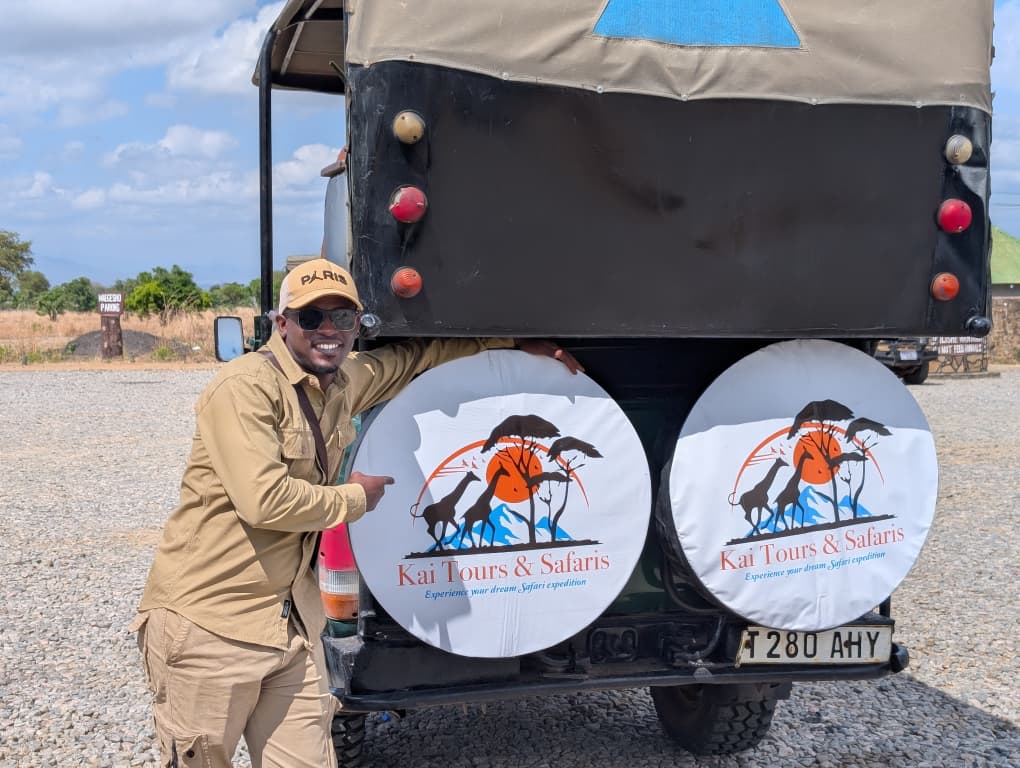
Justus Kahwa:
Safari Operations Director. Updated September 2026.
I organise and guide short safaris from Dar es Salaam and Zanzibar most weeks of the year, from single day Mikumi trips to multi day journeys across southern Tanzania. Everything in this guide is the practical, on the ground version, written from years of running the trip myself.