Key takeaways for first-timers
- Famous for: elephants, baobabs and birds — four of the Big Five (no rhino).
- Best time: dry season (Jun–Oct), when animals pack the Tarangire River.
- 2026 fee: ≈ US$53–59 per adult/24h (incl. VAT) — cheaper than the Serengeti.
- Getting there: ~120 km / 2–2.5 hrs from Arusha; usually the first stop on the circuit.
- Bonus: one of the few northern parks allowing walking safaris and night drives.
History & geography of Tarangire
Tarangire takes its name from the Tarangire River, the park's lifeline. Gazetted as a national park in 1970, it sits at the southern end of Tanzania's Northern Circuit and forms part of the wider Tarangire–Manyara ecosystem. Its defining feature is a dramatic seasonal rhythm: wildlife disperses widely in the wet season and concentrates along the river in the dry season.
Geography & landscape
Covering about 2,850 km², Tarangire lies roughly 120 km southwest of Arusha. The landscape is defined by giant baobab trees, the meandering Tarangire River, the wildlife-rich Silale swamps, and rolling savannah. In the dry months the river becomes the only reliable water source for miles, which is exactly why the animals gather here in such numbers.
Northen Vs Southern Safari Circuits : Complete Guide 2026The Tarangire ecosystem
From June to October, as seasonal waterholes dry up across the region, huge numbers of elephants, zebra, wildebeest and other animals migrate into the park to drink at the river creating one of the best dry-season wildlife spectacles in northern Tanzania. In the green season they disperse again into the surrounding plains.
Ecosystem & wildlife: four of the Big Five (and dry-country specials)
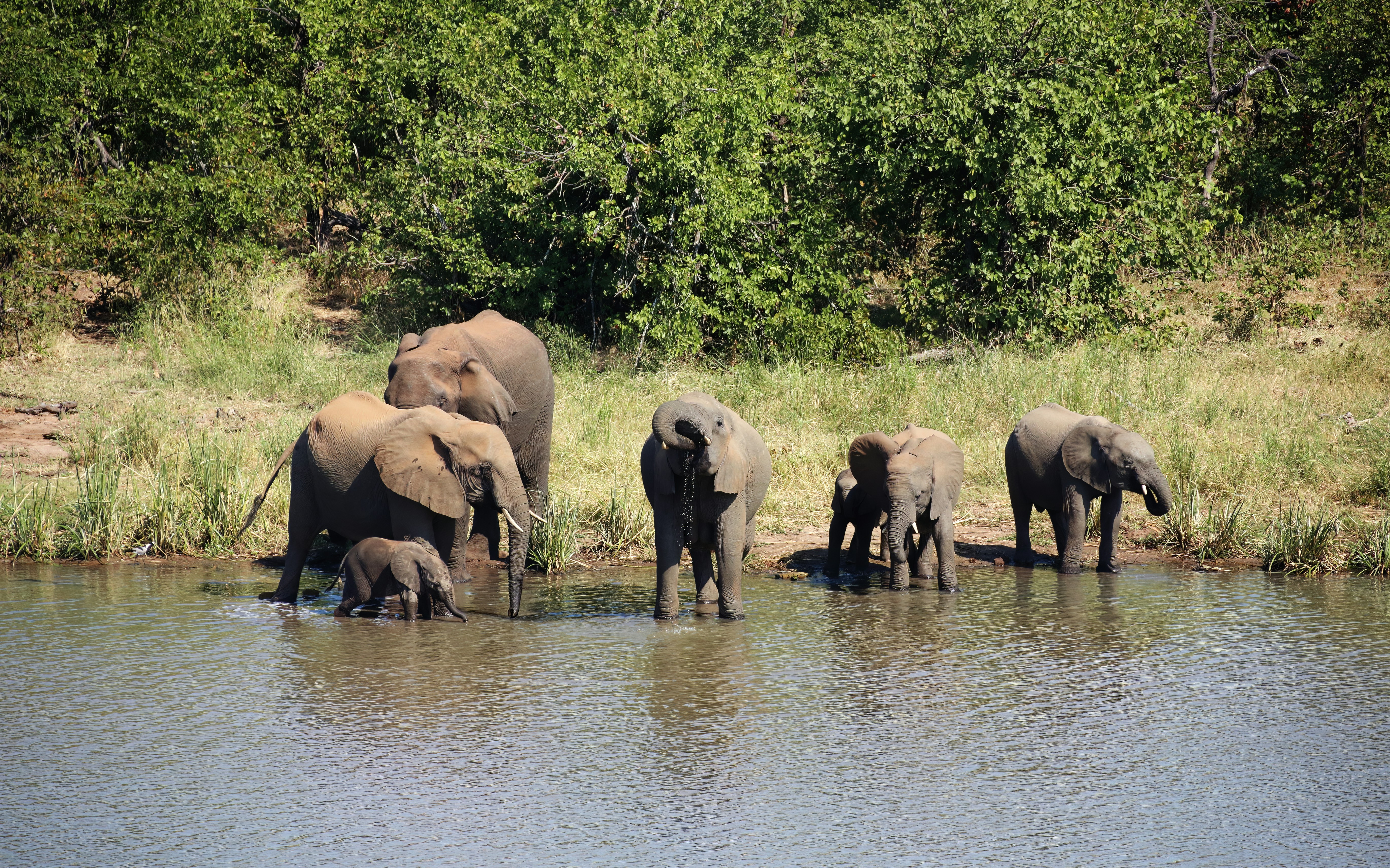
Tarangire is best known for its elephants, with the largest herds in northern Tanzania. You can see four of the Big Five here elephant, lion, leopard and buffalo but not rhino. The park is also a birding paradise and home to dry-country species rarely seen elsewhere on the circuit.
Elephant
Largest herds in northern Tanzania gather along the river.
Lion
Commonly seen, sometimes found resting in trees.
Leopard
Present but elusive, often near the river and swamps.
Buffalo
Large herds frequent the wildlife-rich Silale swamps.
Dry-country specials & other wildlife
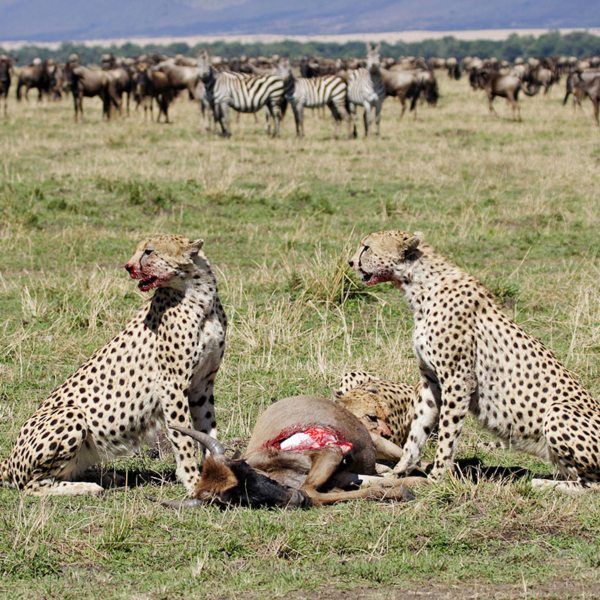
Tarangire's real differentiator is its dry-country species: fringe-eared oryx, lesser kudu, gerenuk and the localised ashy starling animals you rarely see in the Serengeti or Ngorongoro. You'll also find giraffe, zebra, wildebeest, impala, warthog, cheetah and, occasionally, African wild dog.
Birdlife
With more than 550 recorded species, Tarangire is one of Tanzania's premier birding parks. Look for the yellow-collared lovebird, kori bustard (the world's heaviest flying bird), hornbills and numerous raptors.
Best time to visit Tarangire
The best time to visit Tarangire is the dry season, June to October, when animals especially elephants concentrate along the Tarangire River in spectacular numbers. The green season (November to May) is quieter, lusher and superb for birding, but wildlife is more dispersed.
| Season | Months | Best for | Crowds / price |
|---|---|---|---|
| Dry (best) | Jun–Oct | Huge elephant herds at the river, predators | Busier, higher |
| Short rains | Nov–Dec | Fresh scenery, fewer vehicles | Moderate |
| Green (value) | Jan–May | Birding, calving, lush landscapes, value | Quiet, lower |
Note: Tarangire's dry-season concentration is stronger than in most parks if elephants are your priority, travel between June and October.
Getting to Tarangire from Arusha, Moshi & Zanzibar
Tarangire is reached by road through the main gate near Arusha. From Arusha it's only about 120 km / 2–2.5 hours usually the first stop on a Northern Circuit safari. From Moshi, add roughly an hour. From Zanzibar, fly to Arusha or Kilimanjaro and drive, or fly to the Kuro airstrip inside the park.
From Arusha
The classic and quickest gateway. The drive south from Arusha takes around 2–2.5 hours, making Tarangire an easy first stop before continuing to Lake Manyara, Ngorongoro and the Serengeti.
From Moshi / Kilimanjaro
Moshi sits beside Kilimanjaro International Airport (JRO), about an hour from Arusha; most safaris drive on from there. Convenient if you're also climbing Kilimanjaro.
From Zanzibar
Fly from the island to Arusha or Kilimanjaro and continue by road, or take a fly-in safari to the Kuro airstrip inside Tarangire. The park pairs naturally with the Serengeti and Ngorongoro on a safari and Zanzibar holiday.
TANAPA park fees & concession fees (2026)
Tarangire is a TANAPA national park (unlike Ngorongoro, which is run by the separate NCAA), and it sits in a lower fee tier than the Serengeti. In 2026, non-resident adults pay about US$53–59 per person per 24 hours including VAT, and children aged 5–15 about US$18. Staying overnight inside the park adds a concession fee of roughly US$47.80 per person per night. Fees are normally included in your safari package.
| Fee (2026, incl. VAT) | Non-resident adult | Non-resident child (5–15) | EAC citizen |
|---|---|---|---|
| Park entry (per 24h) | ~$53–59 | ~$18 | TSh 11,800 |
| Concession / lodge fee (per night) | ~$47.80 | ~$11.80 | TSh 35,400 |
| Public campsite (per night) | ~$35.40 | ~$11.80 | — |
| Walking safari / night game drive | $23.60 / $59 pp | guide & ranger fees may apply | |
Note: TANAPA fees are based on the current tariff (in force in 2026), include 18% VAT, and are paid cashlessly — usually arranged by your operator. Figures vary slightly by season and source; confirm current rates on the official TANAPA tariff before quoting.
Where to stay: 10 of the best Tarangire accommodations
Accommodation splits into lodges and camps inside the park best for early and late game drives and cheaper options near the gate or around Lake Manyara. Below are ten well-regarded choices across budgets.
| Lodge / camp | Location | Tier | Good for |
|---|---|---|---|
| Tarangire Treetops (&Beyond) | NE, private | Luxury | Tree-house style, honeymoons |
| Sanctuary Swala Camp | SW, remote | Luxury | Exclusive, quiet wilderness |
| Oliver's Camp (Asilia) | SE | Luxury | Walking safaris & night drives |
| Lemala Mpingo Ridge | Central, ridge | Upper-mid | Views, tented comfort |
| Tarangire Safari Lodge | North, river | Mid-range | Classic river views, value |
| Maramboi Tented Camp | Tarangire–Manyara | Mid-range | Between two parks |
| Tarangire Simba Lodge | Near gate | Mid-range | Easy access, families |
| Burunge Tented Lodge | Lake Burunge | Mid-range | Lake setting, value |
| Whistling Thorn / Ndovu | Outside gate | Budget-mid | Affordable tented stays |
| Public campsites | Inside park | Budget | Camping safaris |
Inside the park means the best dawn and dusk game access; staying near the gate or Lake Manyara saves money.
Tarangire safari prices: mid-range packages, 2–5 days (2026)
Tarangire is usually visited as part of a multi-park safari. A mid-range safari costs roughly US$250–US$450 per person per day all-inclusive. From Arusha, a 2-day Tarangire-and-Ngorongoro trip starts around US$950, rising to about US$1,750 for a 5-day circuit. Fly-in combinations from Zanzibar start higher because they include flights.
| Length | From Arusha (mid-range, pp) | From Zanzibar (fly-in, pp) |
|---|---|---|
| Day trip | from ~$250 | — |
| 2 days (+ Ngorongoro) | from $950 | from ~$1,900 |
| 3 days (+ Serengeti) | from ~$1,050 | from ~$2,200 |
| 4 days | from $1,100 | from ~$2,600 |
| 5 days | from ~$1,750 | from ~$3,000 |
Prices are per person sharing and include vehicle, guide, mid-range lodge, meals and park fees. The 2-day and 4-day from-Arusha rates are our published prices; other figures are starting estimates see our 2-Day Tarangire & Ngorongoro safari or contact us for an exact quote.
Average Cost of Tanzania SafariHow to choose a Tarangire safari operator
The best operator is a licensed, well reviewed Tanzanian company with transparent pricing and real local knowledge. Look for TALA/TATO licensing, verified reviews on TripAdvisor and SafariBookings, clear inclusions, and a fast, honest response to your questions.
What to look for
Check for a valid Tanzania tour-operator licence and TATO membership, read recent independent reviews, and make sure the quote spells out exactly what is included. Be wary of prices that look too cheap to be real, operators with no verifiable reviews, and high-pressure tactics.
Booking from Arusha, Moshi or Zanzibar
Arusha and Moshi based operators are closest to Tarangire, while Zanzibar based operators specialise in fly-in safari and beach trips. As a Tanzanian operator based in Moshi with a presence in Dar es Salaam and Zanzibar, Kai Tours & Safaris arranges Tarangire safaris from all three.
First-timer practical tips
For the best Tarangire experience: travel in the dry season for the elephants, bring binoculars for the exceptional birdlife, consider a walking safari or night drive, and arrange your e-visa, malaria precautions and travel insurance before you go.
Before you go
Apply for your tourist e-visa online and carry a passport valid for six months. See a travel clinic about malaria precautions and any yellow fever requirement, and buy comprehensive travel and medical insurance.
On safari
Game drives are best early morning and late afternoon, when elephants gather at the river. Pack neutral colours, a warm layer for cool dawns, sun protection and binoculars. Where your lodge offers them, a guided walking safari or a night game drive is a Tarangire highlight you can't do in the Ngorongoro Crater. Carry some US-dollar cash for tips, as connectivity and ATMs are limited.
Tarangire FAQs: 20 questions first-timers ask
Plan your Tarangire safari
Tell us your dates, group size and budget, and we'll send a tailored Tarangire itinerary and exact quote including Ngorongoro, Serengeti and Zanzibar combinations.
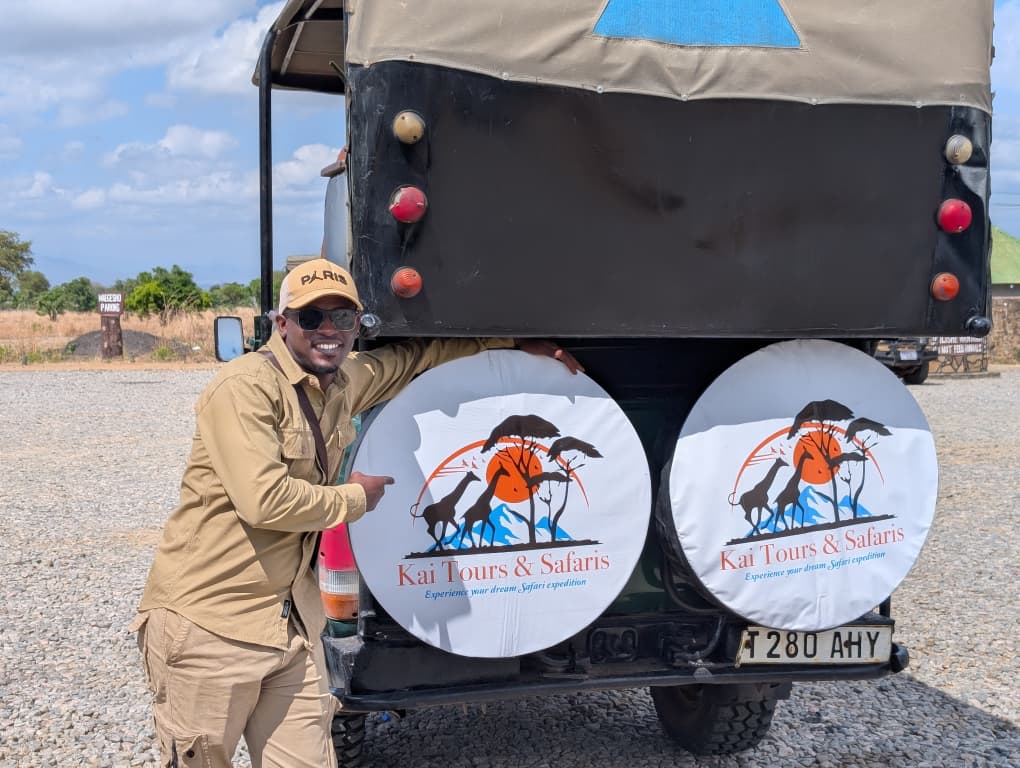
Justus Kahwa — Safari Operations Director, Kai Tours & Safaris
Plans Tarangire and Northern Circuit safaris, including Serengeti and Zanzibar combinations, for first-time travellers.