
Who We Are
Welcome to KAI TOURS AND SAFARIS
Licensed by TALA (licence no. 037664), Kai Tours and Safaris is a Tanzanian company owned and run by local guides and travel planners with more than five years of experience in the field. We design each trip ourselves, drive our own safari vehicles and work directly with the lodges, camps, mountain crews and boat captains we use. Because there is no overseas agent in the middle, guests deal with the people who actually run their trip, from the first message to the last airport drop-off.
Most operators focus on one region. We cover both halves of the country. Travellers arriving at Kilimanjaro airport can join a classic northern circuit safari from Moshi or Arusha. Travellers landing in Dar es Salaam, or already relaxing in Zanzibar, can reach Mikumi or Nyerere National Park in a day without flying north. That flexibility is the main reason guests choose us.
At a Glance
Kai Tours and Safaris at a glance
- What we do
- Private and shared safaris, Zanzibar beach and cultural tours, Kilimanjaro treks, day trips, airport transfers and tailor-made itineraries.
- Where we operate
- Northern circuit (Serengeti, Ngorongoro, Tarangire, Lake Manyara, Arusha NP), southern circuit (Nyerere, Mikumi, Ruaha), Mount Kilimanjaro, Moshi, Dar es Salaam and Zanzibar.
- Offices
- Moshi · Dar es Salaam · Zanzibar
- Airports we collect from
- Kilimanjaro International (JRO), Julius Nyerere International, Dar es Salaam (DAR), Abeid Amani Karume International, Zanzibar (ZNZ), and Arusha (ARK).
- Experience
- Our guides and planners bring more than five years of experience running safaris, climbs and Zanzibar tours.
- Licence
- Licensed tour operator under the Tanzania Tourism Agency Licensing Authority (TALA), licence no. 037664.
- Contact
- +255 672 530 415 (phone & WhatsApp) · info@kaitoursandsafaris.com
How We Work
How do we run our trips?
- Vehicles: 4x4 safari Land Cruisers with pop-up roofs and a guaranteed window seat for every guest.
- Guides: Tanzanian, English-speaking, trained in wildlife, first aid and park rules.
- Accommodation: from budget camping to mid-range tented camps and luxury lodges, chosen for location and service, not commission.
- Pricing: all-inclusive quotes listing park fees, meals, water, transport and accommodation, so there are no surprises on arrival.
- Support: a Kai Tours contact is reachable 24 hours a day during your trip.
- Responsible travel: local staff, local suppliers, and respect for park rules and communities we visit.
What We Offer
What services does Kai Tours and Safaris offer?
Zanzibar Holidays
Stone Town walking tours, Prison Island, Nakupenda sandbank, spice farms, Jozani Forest, snorkelling and beach stays. See our Zanzibar tours.
Day Trips
From Moshi: Materuni Waterfalls and coffee tour, Chemka Hot Springs, Lake Chala, Marangu Waterfalls, a Maasai village visit and a Moshi town tour. From Dar es Salaam: city tours covering Kariakoo Market, the Kivukoni fish market, St Joseph's Cathedral and the National Museum.
Transfers & Tailor-Made Trips
Airport and hotel transfers, and fully custom itineraries for families, honeymooners, photographers and birders.
Private or Shared
All our safaris can be booked privately, with your own vehicle and guide, and most can also be joined as a shared group safari to lower the cost.
Northern Circuit
Which national parks are on Tanzania's northern safari circuit?
The northern circuit is Tanzania's most visited safari region. It starts from Arusha or Moshi and links five protected areas within a few hours' drive of each other.
Serengeti National Park
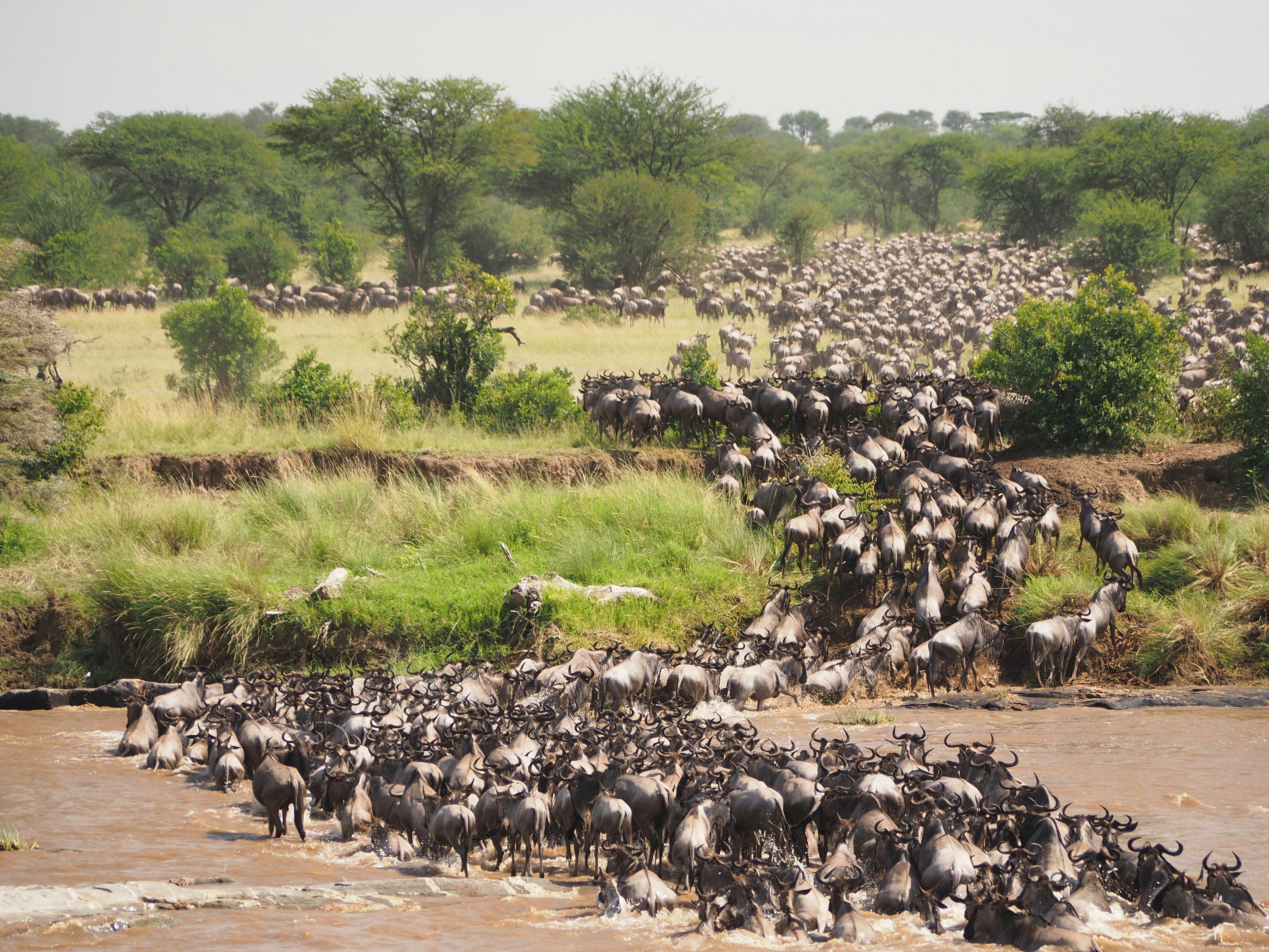
The Serengeti covers about 14,750 km² of grassland and is a UNESCO World Heritage Site. It is home to the Great Migration, a year-round circuit of more than a million wildebeest with zebra and gazelle, followed by lions, cheetahs, leopards and hyenas.
Where the migration is: southern Serengeti and Ndutu for calving (January–March); central and western Serengeti (April–June); Grumeti River crossings (around June–July); Mara River crossings in the north (July–October).
Ngorongoro Crater (Ngorongoro Conservation Area)
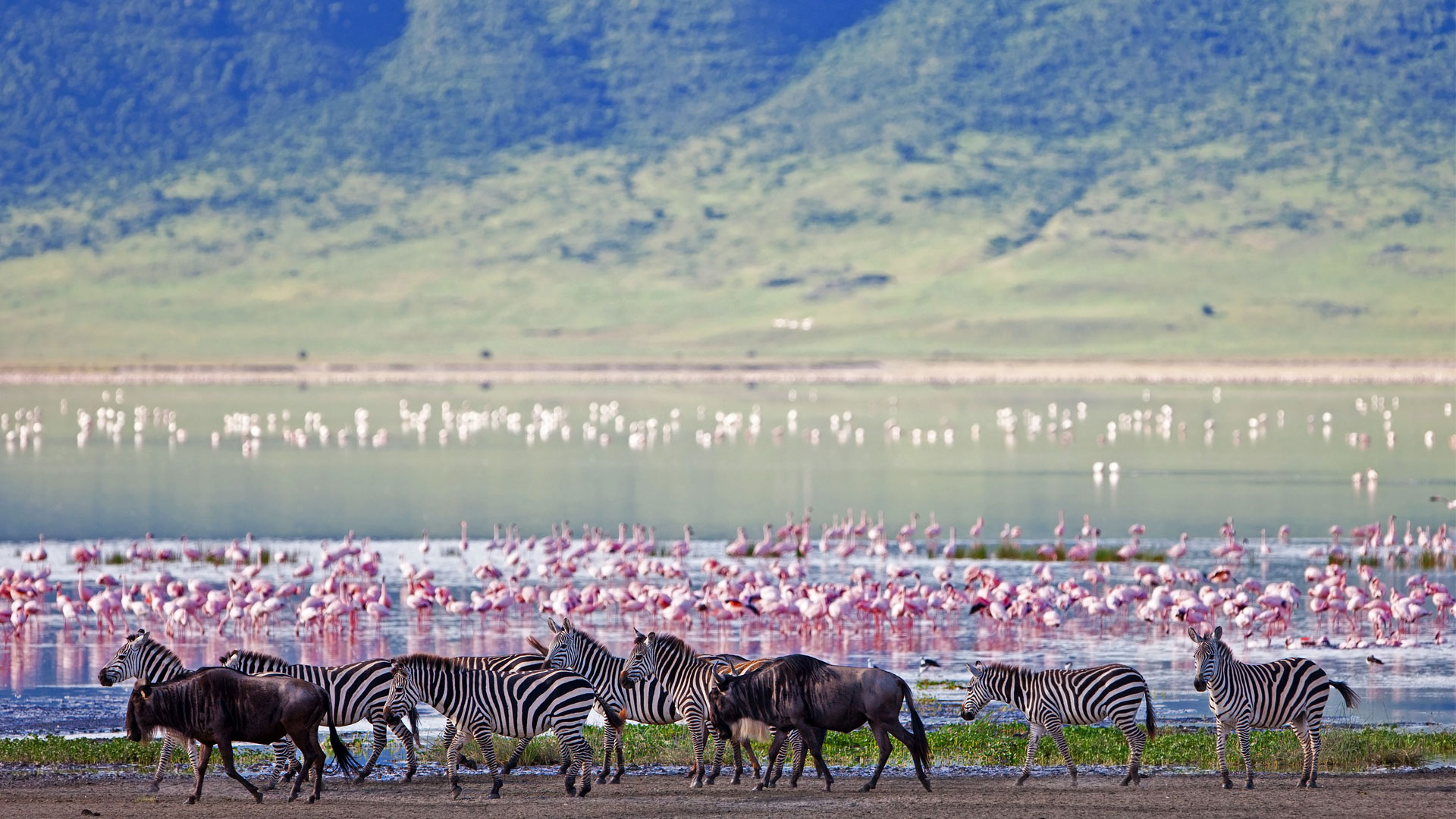
Ngorongoro is the world's largest unbroken, unflooded volcanic caldera, around 260 km² on the floor and roughly 600 m deep. It is part of a UNESCO-listed conservation area where Maasai herders live alongside wildlife. The crater is one of the best places in East Africa to see the endangered black rhino, and the Big Five can be seen in a single day. The same conservation area includes Olduvai Gorge, a key site in the story of human origins.
Tarangire National Park
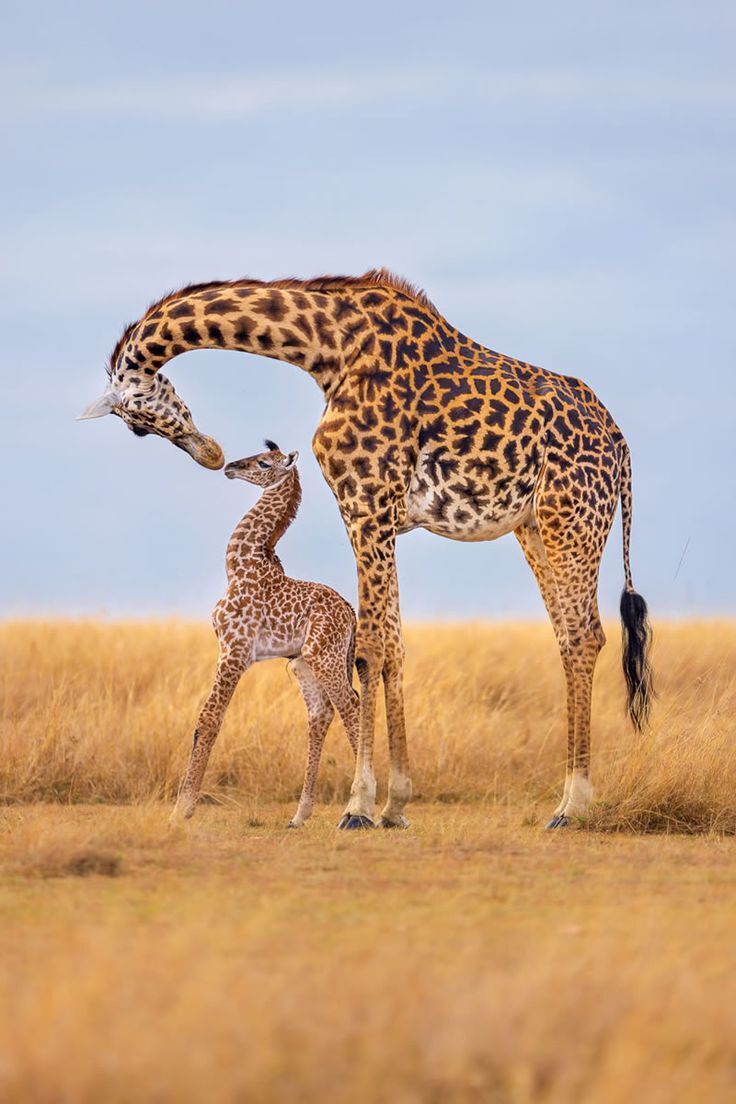
Tarangire, about 2 hours from Arusha, is known for large elephant herds and ancient baobab trees. In the dry season (June–October) the Tarangire River draws wildlife from the surrounding area, making it one of the richest parks in the country for game viewing at that time. It is also excellent for birds, with over 500 recorded species.
Lake Manyara National Park
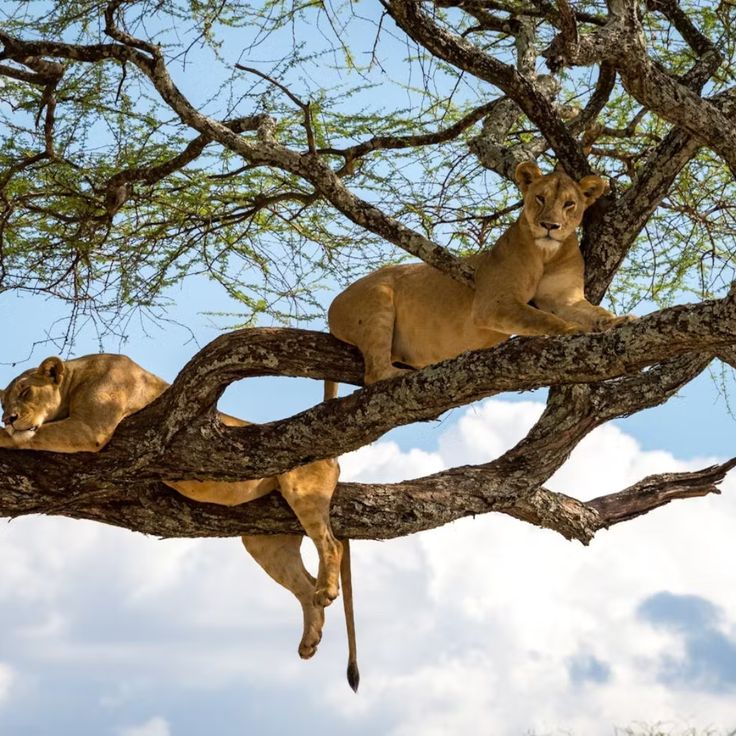
Lake Manyara sits below the Great Rift Valley escarpment. Its groundwater forest, alkaline lake and flamingos make it one of the most varied small parks in Tanzania. It is famous for lions that sometimes rest in trees, and for baboons, elephants and more than 400 bird species.
Arusha National Park
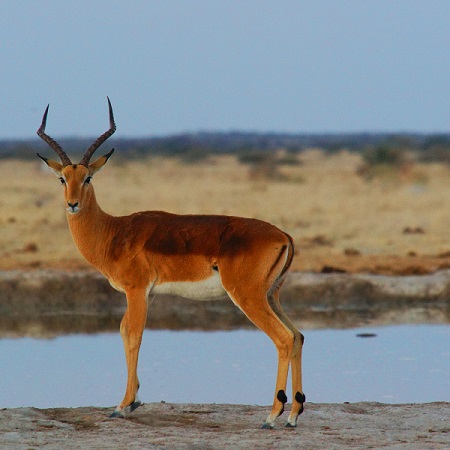
Arusha National Park lies on the slopes of Mount Meru (4,566 m), Tanzania's second-highest mountain. It offers walking safaris and canoeing on the Momella Lakes, black-and-white colobus monkeys in the forest, giraffes, buffalo and views of Kilimanjaro on clear days.
Lake Natron (optional extension)
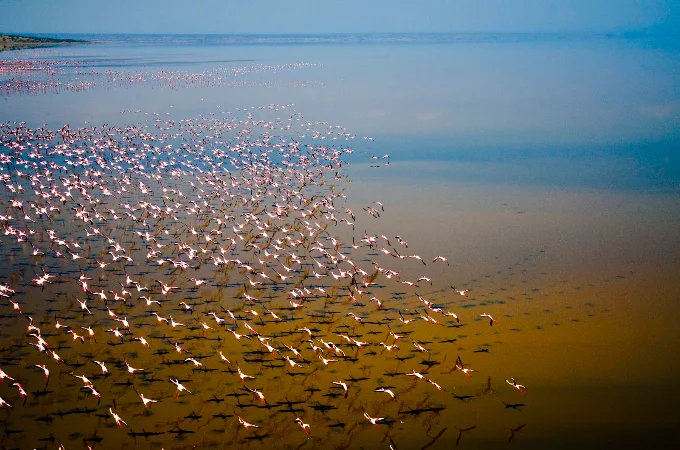
Lake Natron, north of Ngorongoro, is the main breeding ground for East Africa's lesser flamingos and sits beneath Ol Doinyo Lengai, the Maasai's sacred active volcano. It suits travellers who want remote landscapes and walks to waterfalls.
Southern Circuit
Which parks are on Tanzania's southern safari circuit?
The southern circuit is quieter, wilder and much closer to Dar es Salaam and Zanzibar. It is the best choice for travellers who are staying on the coast and want a safari without flying to the north.

Nyerere National Park (former Selous Game Reserve)
Nyerere National Park was created in 2019 from the northern part of the Selous Game Reserve, a UNESCO World Heritage Site. At over 30,000 km² it is Tanzania's largest national park. The Rufiji River and its lakes allow boat safaris alongside game drives, with hippos, crocodiles, elephants, lions and one of Africa's largest populations of African wild dogs.
Mikumi National Park
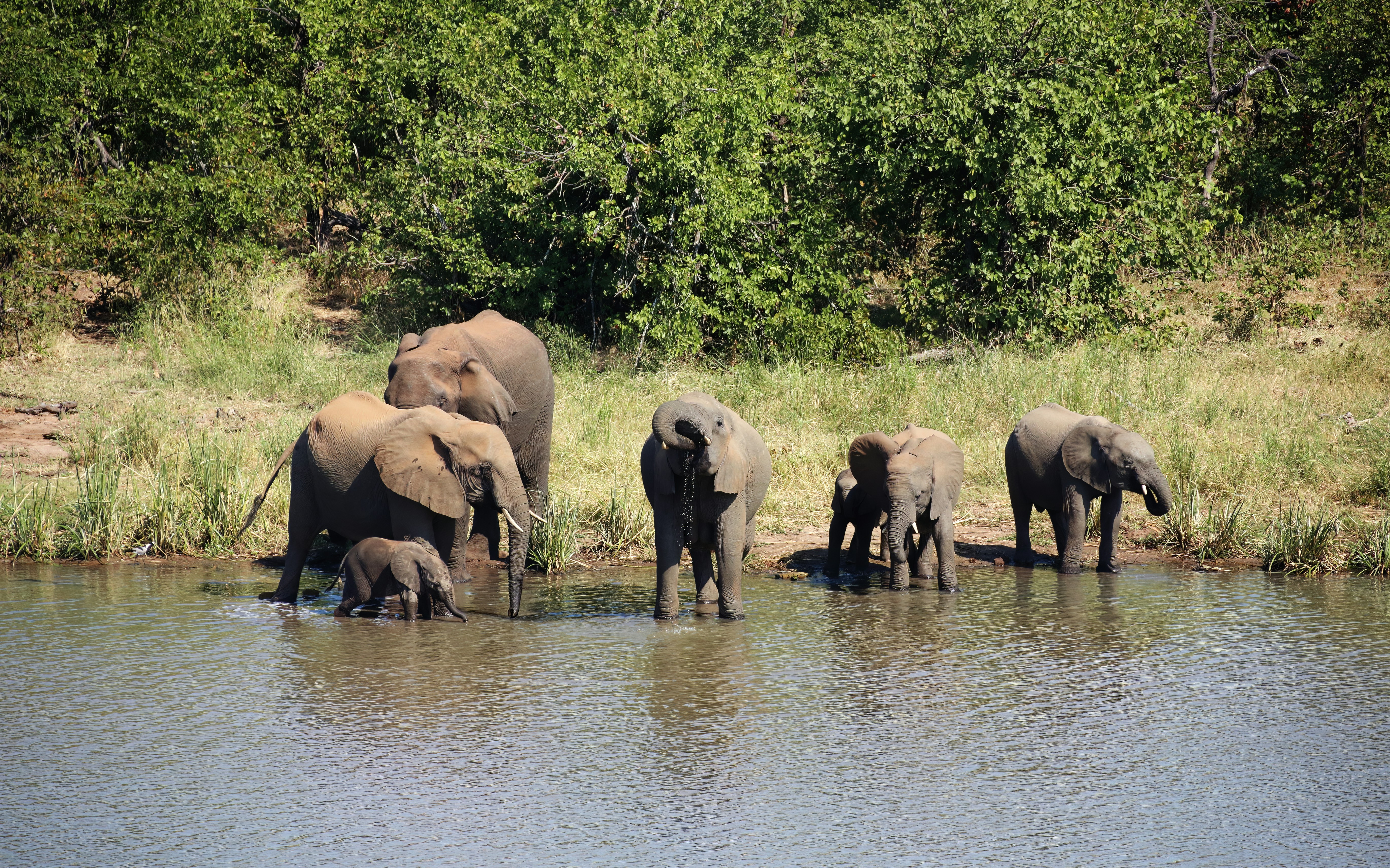
Mikumi is the most accessible big-game park from Dar es Salaam, roughly 4–5 hours by road on the Tanzam highway. Its open Mkata floodplain is often compared to the Serengeti and offers reliable sightings of elephants, giraffes, zebras, buffalo, lions and hippos.
Ruaha National Park
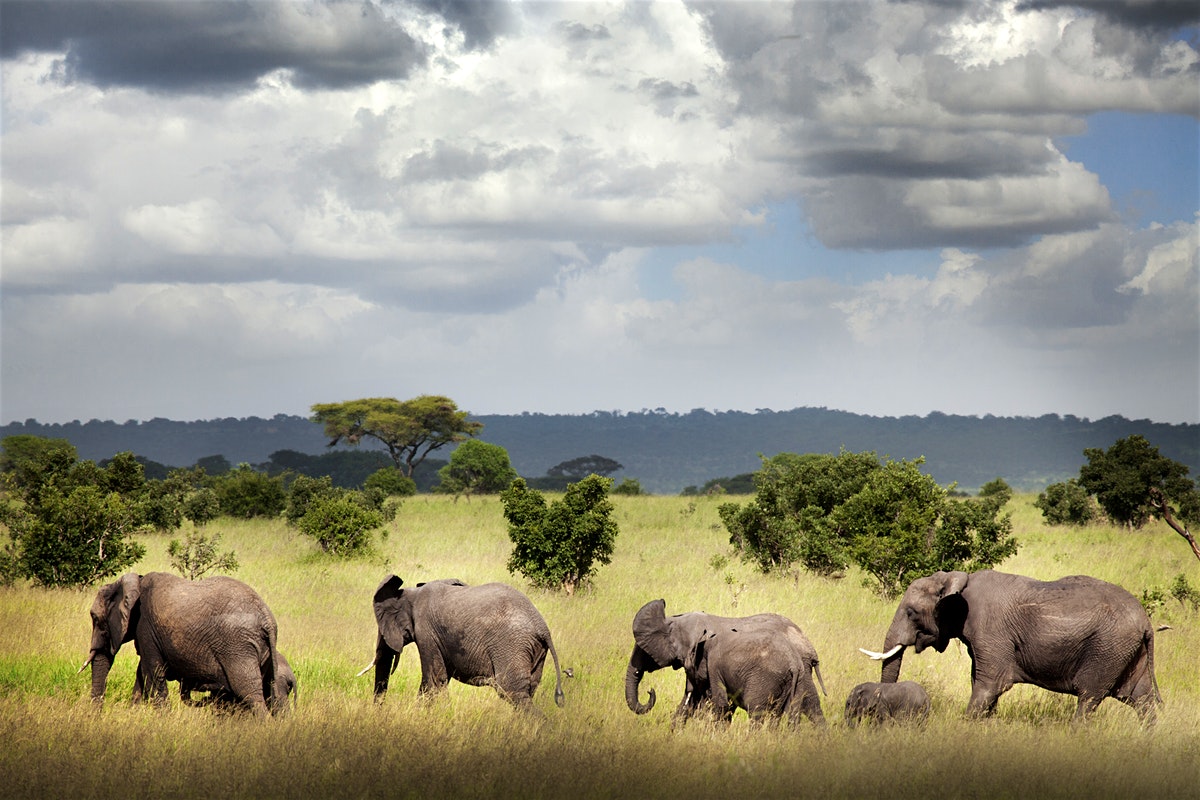
Ruaha, in central-southern Tanzania, is one of the country's largest and most remote parks. The Great Ruaha River attracts big prides of lions and large elephant herds, along with greater and lesser kudu and sable antelope that are rarely seen in the north.
Saadani National Park
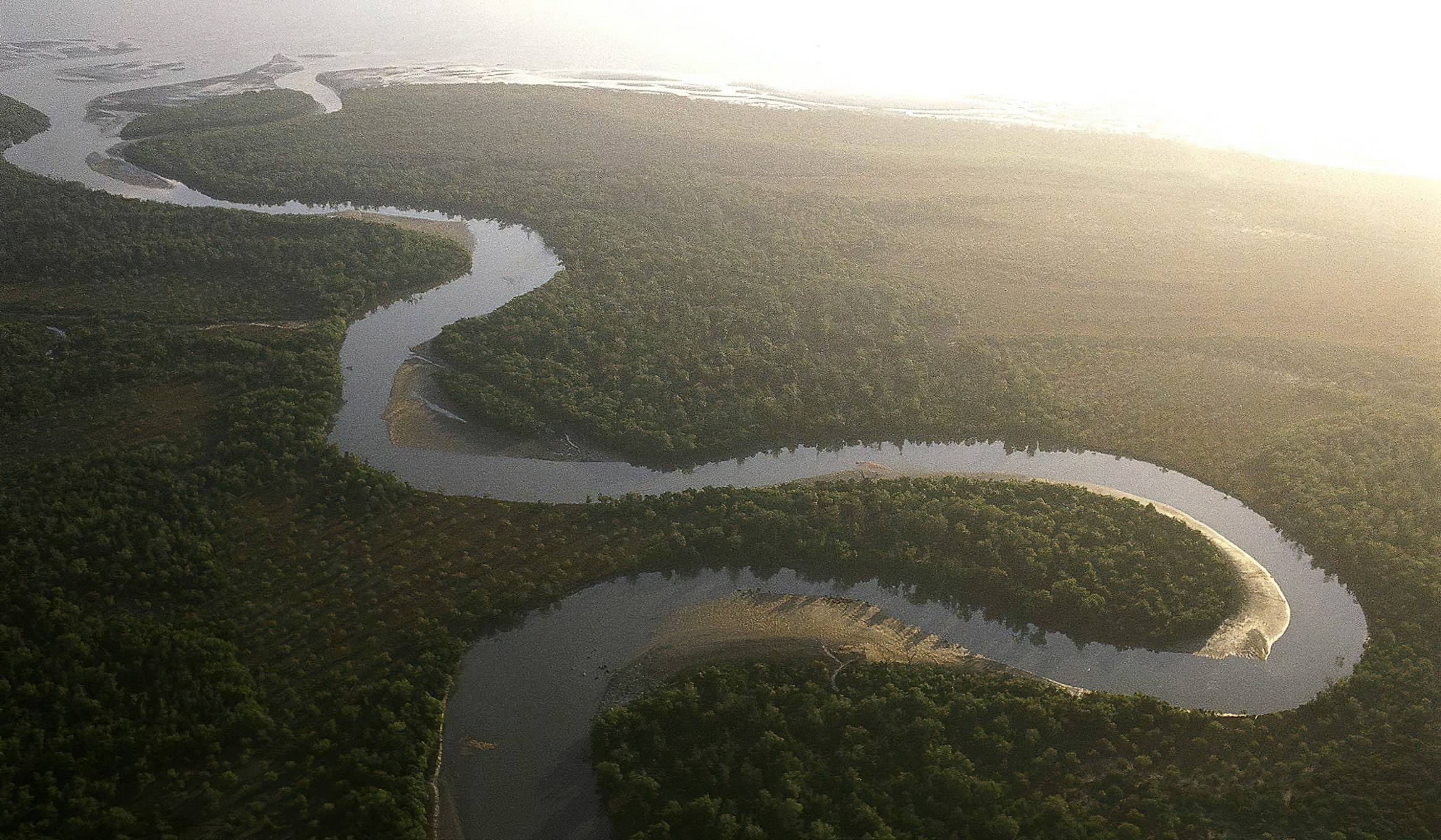
Saadani is the only park in East Africa where the bush meets the Indian Ocean. Game drives, boat trips on the Wami River and beach time can be combined in one stay, and it is close to both Dar es Salaam and Zanzibar.
Kilimanjaro
What should you know about climbing Mount Kilimanjaro?
Mount Kilimanjaro is Africa's highest mountain and the world's tallest free-standing mountain, with its summit, Uhuru Peak, at 5,895 m. It is a UNESCO World Heritage Site and can be climbed without technical skills, but altitude is the real challenge. Climbers pass through rainforest, heath and moorland, alpine desert and the arctic summit zone.
| Route | Days (Kai Tours) | Sleeping | Suits |
|---|---|---|---|
| Marangu | 5–6 | Mountain huts | Travellers who prefer huts to tents; the only hut route |
| Machame | 6–7 | Camping | Fit hikers wanting scenery and good acclimatisation |
| Lemosho | 7–8 | Camping | Best acclimatisation and summit success; quieter start |
| Rongai | 6–7 | Camping | A drier northern approach, good in rainy months |
The best climbing months are January to mid-March and June to October. Choosing a longer route gives the body more time to adjust and noticeably improves the chance of reaching the summit. See Kilimanjaro climbing with Kai Tours.
What can you do around Moshi?
Moshi is the town at the foot of Kilimanjaro and our base for climbs and many northern safaris. Popular day trips include Materuni Waterfalls with a hands-on Chagga coffee tour, the clear turquoise pools of Chemka (Kikuletwa) Hot Springs, the crater lake of Lake Chala on the Kenya border, and Marangu village and waterfalls on the mountain's lower slopes.
Zanzibar
What are the best places to visit in Zanzibar?
Zanzibar is a semi-autonomous archipelago of Tanzania in the Indian Ocean, about 35 km off the mainland. It combines white-sand beaches with Swahili, Arab, Indian and European history.
Stone Town
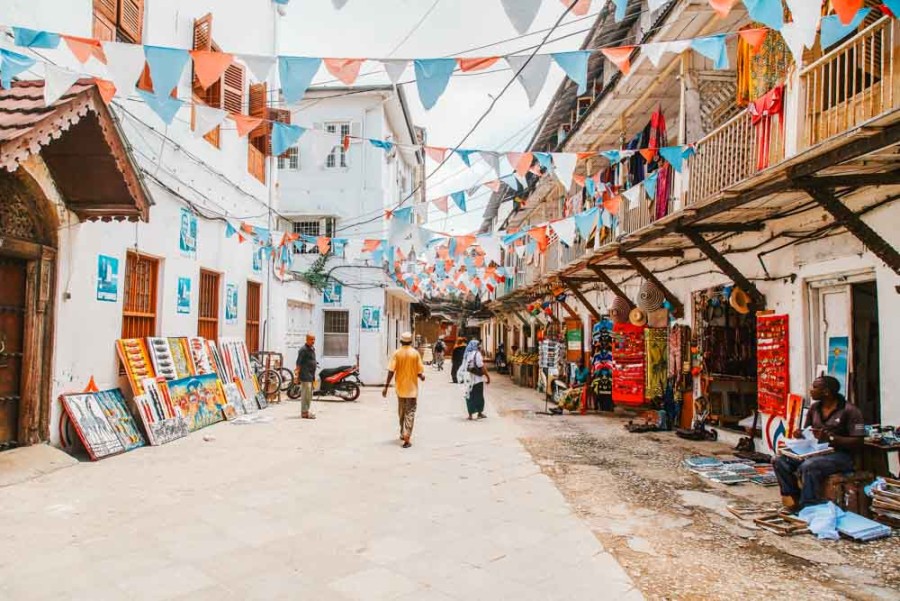
Stone Town, the historic centre of Zanzibar City, is a UNESCO World Heritage Site. Its narrow lanes, carved wooden doors, the Old Fort, the House of Wonders, the former slave market and Anglican Cathedral, and the Forodhani Gardens night food market make it the cultural heart of the island. Freddie Mercury was born here.

Prison Island (Changuu) and Nakupenda sandbank
A short boat ride from Stone Town, Prison Island is home to a colony of Aldabra giant tortoises, some over 100 years old. Nearby Nakupenda is a sandbank that appears at low tide, ideal for swimming, snorkelling and a seafood lunch. See our 3-day Stone Town, Prison Island & Nakupenda tour.
Jozani Chwaka Bay National Park
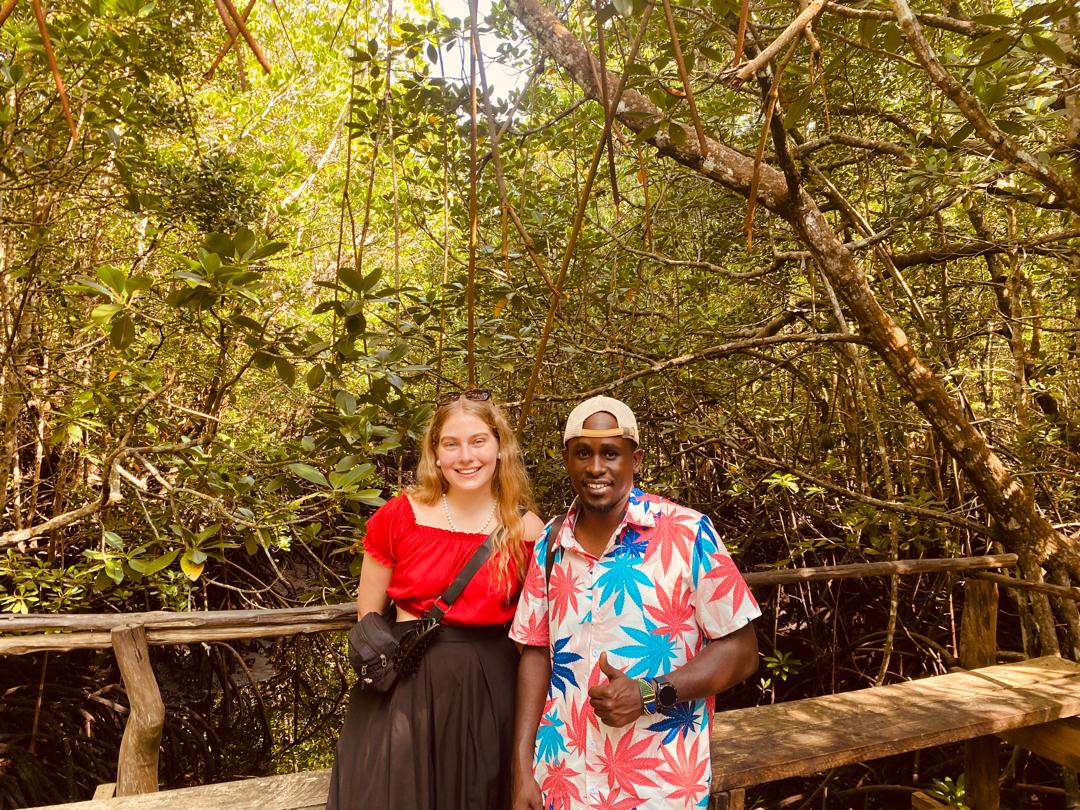
Zanzibar's only national park protects the endemic Zanzibar red colobus monkey, found nowhere else on earth, plus a mangrove boardwalk.
Spice farms
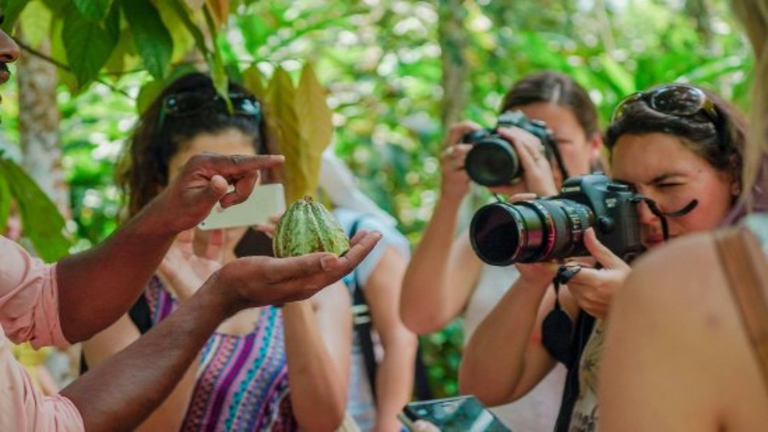
Zanzibar is known as the Spice Island. Farm tours show how cloves, nutmeg, cinnamon, vanilla and black pepper are grown, with tastings of tropical fruit.
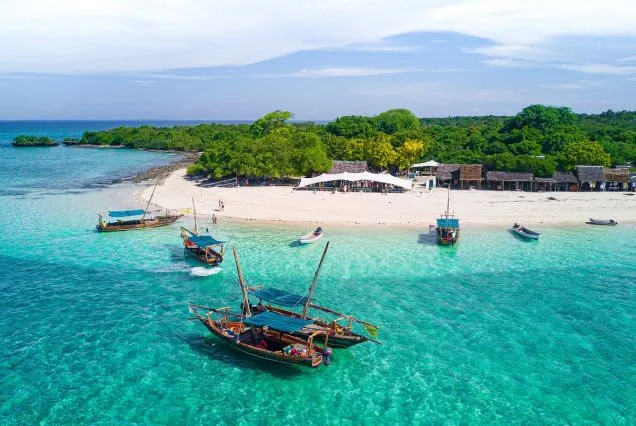
Beaches: Nungwi, Kendwa, Paje, Jambiani and Michamvi
Nungwi and Kendwa in the north have the smallest tides, so swimming is possible most of the day, plus dhow sunset cruises. Paje and Jambiani on the east coast have wide lagoons and are popular for kitesurfing. Michamvi is home to The Rock, a restaurant built on a rock in the sea.
Mnemba Atoll, Kizimkazi and Menai Bay
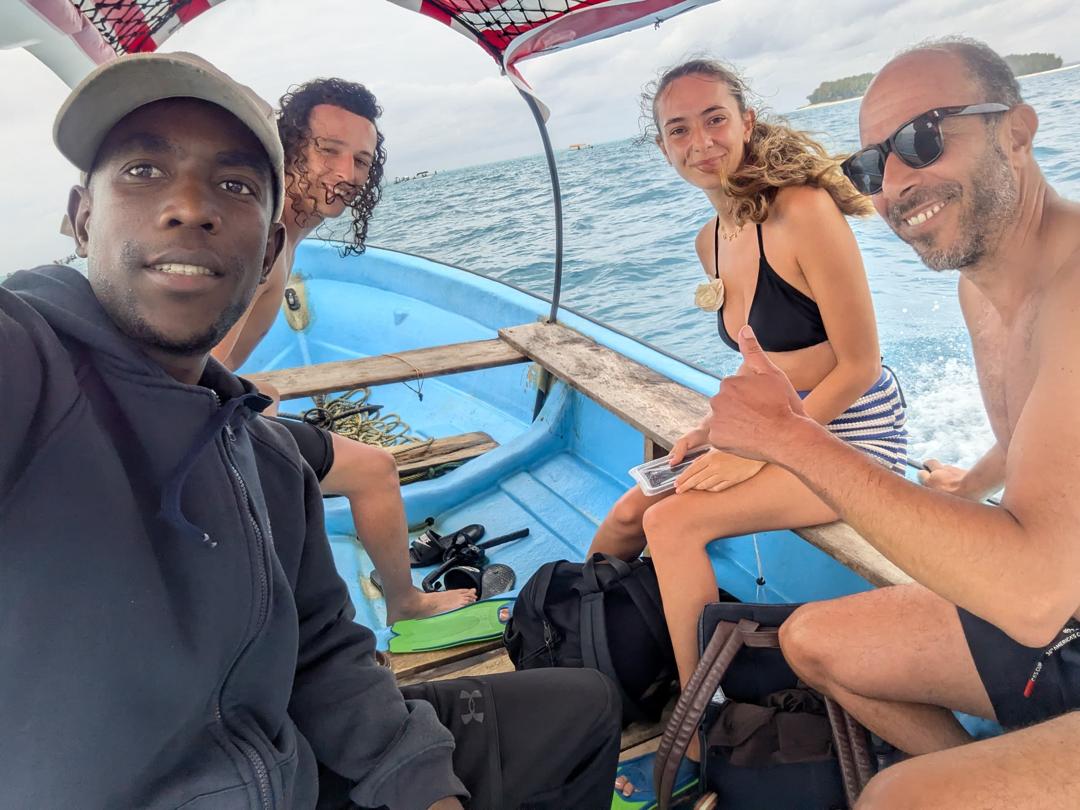
Mnemba Atoll offers Zanzibar's best snorkelling and diving. Kizimkazi in the south is known for dolphin trips, and Menai Bay for full-day dhow excursions with sandbanks and lagoon swimming.
Planning
When is the best time to visit Tanzania and Zanzibar?
| Months | Season | What to expect |
|---|---|---|
| June – October | Long dry season | Best overall game viewing; Mara River crossings; peak season prices; ideal for Kilimanjaro and Zanzibar. |
| November – December | Short rains | Brief showers, green landscapes, fewer vehicles, good value. |
| January – February | Short dry season | Wildebeest calving in the southern Serengeti; hot and sunny in Zanzibar; good climbing. |
| March – May | Long rains | Lowest prices and lush scenery; some southern-circuit camps close in April–May. |
What are popular Tanzania trip combinations?
- Classic safari and beach (9–12 days): 4–6 days on the northern circuit, then fly from Arusha or Kilimanjaro to Zanzibar for 4–5 nights.
- Coast-first southern safari (5–8 days): Zanzibar or Dar es Salaam, 2–3 days in Nyerere or Mikumi, back to the beach.
- Climb, safari and beach (14–17 days): Kilimanjaro, 3–4 days safari, then Zanzibar to recover.
- Short stopover (1–2 days): Mikumi from Dar es Salaam, or Tarangire from Moshi or Arusha.
Frequently asked questions
How do I book with Kai Tours and Safaris?
Tell us your travel dates, group size, budget and interests, and we will send a written itinerary with an all-inclusive price, usually within 24 hours.
Plan your trip with usPhone / WhatsApp: +255 672 530 415
Email: info@kaitoursandsafaris.com
Read verified guest reviews on Tripadvisor.
Last updated: 27 September 2026