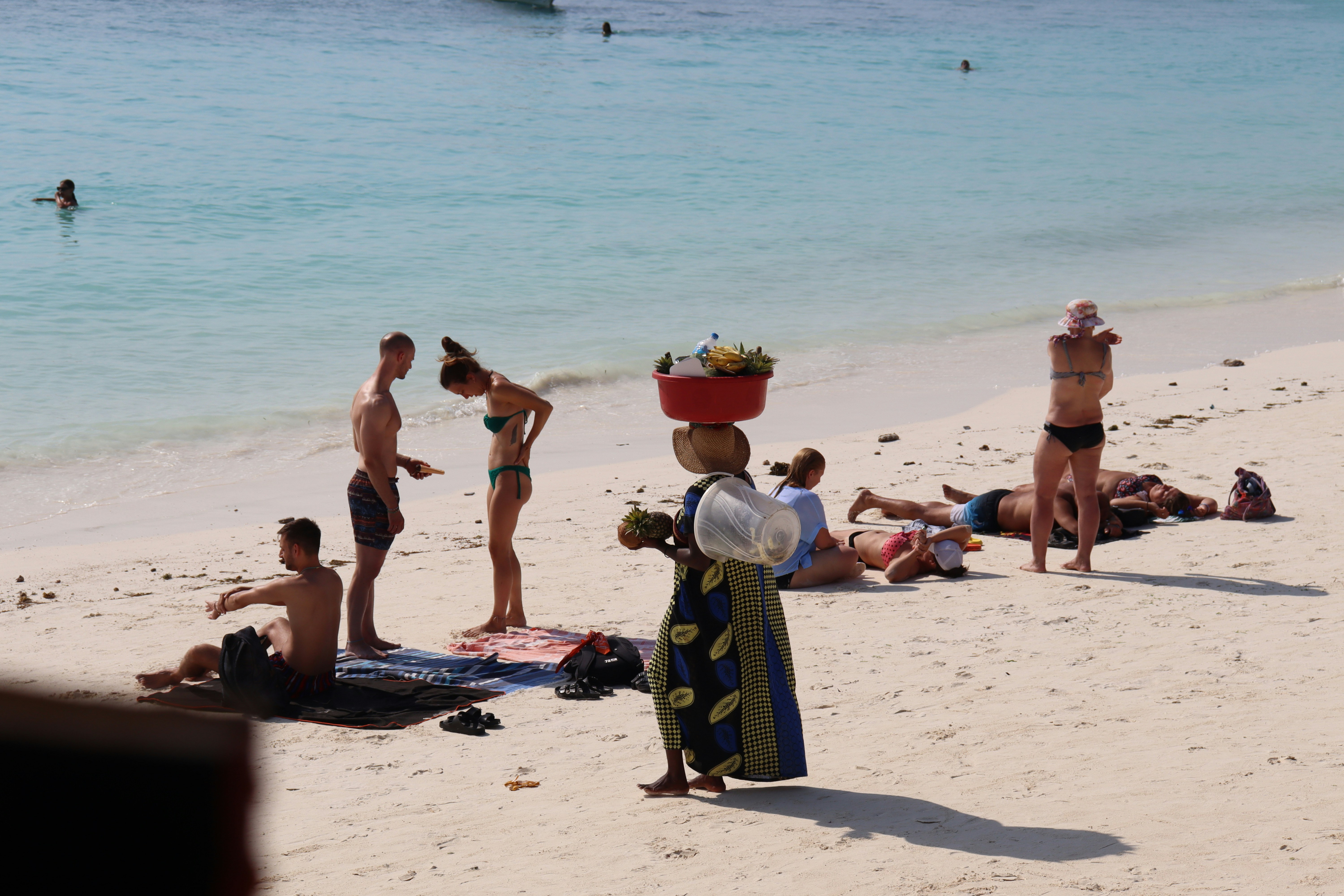
You wake up on a Monday to the sound of waves and salt air off the Indian Ocean. By Thursday, you are watching a pride of lions work their way across the crater floor while a black rhino grazes two hundred metres off your left window. That contrast, powder-white beach one morning and one of the densest wildlife arenas on earth the next, is exactly what a Ngorongoro safari from Zanzibar delivers. And the logistics are far more manageable than most travellers expect when they first look at the map.
The one real challenge is distance. Zanzibar and the Ngorongoro Conservation Area sit roughly 700 kilometres apart, which means flights, airport transfers and moving pieces to coordinate. When a single Tanzania-based operator handles all of it under one confirmed itinerary, that complexity disappears. You show up with your bag and your camera, and everything else is arranged. This guide covers how to get from Zanzibar to the crater, how long the transfers take, what the crater actually delivers for wildlife, realistic 3-day and 6-day itineraries, and what you should expect to pay across 2027 and 2028.
Why combine Zanzibar with a Northern Circuit safari
Tanzania is unusual in offering two world-class holidays in one country. On the coast you have Zanzibar, a tropical archipelago of white-sand beaches, coral reefs and the historic Swahili trading town of Stone Town. Inland you have the Northern Circuit, home to the Serengeti, the Ngorongoro Crater and the elephant country of Tarangire. Most visitors assume they must choose one or the other, or that stitching them together needs two separate trips. It does not. The two sit close enough that a single holiday can hold both, and the result is the classic bush and beach trip that travellers remember for years.
The appeal is the contrast. A safari is early starts, dust, adrenaline and long days in a vehicle. The beach is stillness, warm water and nothing on the schedule. Doing them back to back gives you the best of each: the intensity of the crater and the plains, then the reward of the ocean. For honeymooners, families and first-time safari-goers alike, it is one of the most complete trips East Africa offers, and the growth of direct and regional flights into the region for 2027 and 2028 is making it easier and cheaper to arrange than ever.
Best Tours and Safaris Departing from ZanzibarThe Northern Circuit explained
The Northern Circuit is the cluster of parks in northern Tanzania that most first-time safaris focus on. They lie within a few hours of each other and of Arusha, the safari capital, which is why they combine so well. Here is what each one offers.
Ngorongoro Crater
The centrepiece of this guide, and for many people the single best day of a Tanzanian safari. The crater is the world's largest intact volcanic caldera, a collapsed volcano some 260 square kilometres in area with walls around 600 metres high. Those walls act as a natural enclosure, so an estimated 25,000 to 30,000 large animals live inside permanently. That density, combined with open grassland that lets you see for miles, makes it one of the most reliable wildlife experiences anywhere. Read our dedicated Ngorongoro Crater guide for first-timers for a deeper look.
Serengeti National Park
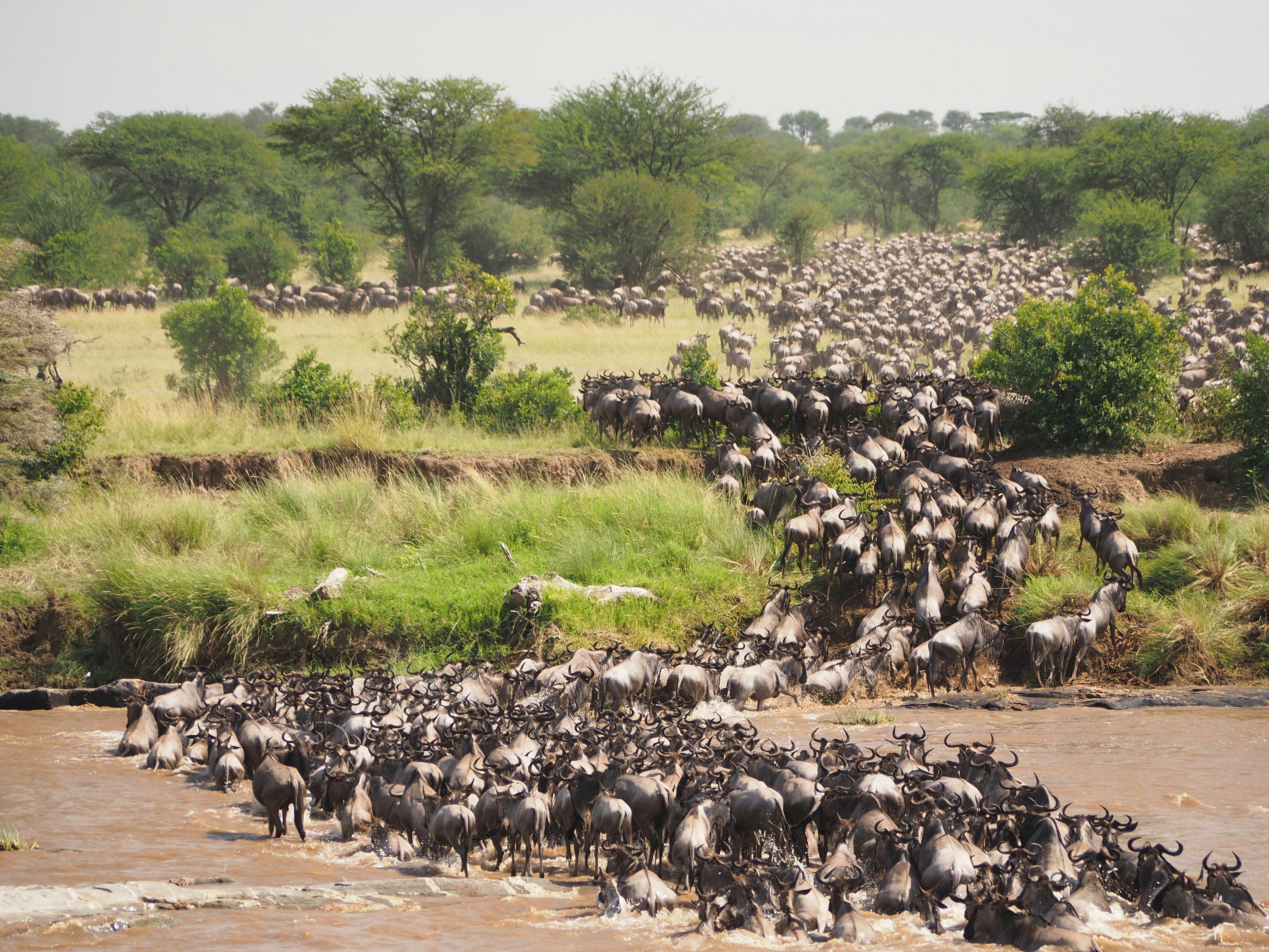
he most famous safari destination on earth, and the stage for the Great Migration, when nearly two million wildebeest and zebra move across the plains in a year-round cycle. The Serengeti is about scale: endless golden grassland, big skies and predators in numbers. Our Serengeti complete guide covers the migration month by month.
Tarangire National Park
Famous for the largest elephant herds in northern Tanzania and its ancient baobab trees. Tarangire is quieter than the Serengeti and superb in the dry season, when animals gather along the Tarangire River. See our Tarangire guide for more.
Lake Manyara National Park
A small, lush park beneath the Rift Valley escarpment, known for its tree-climbing lions, large elephant population and a lake shore alive with flamingos and more than 400 bird species. It works well as a half-day stop on the way to or from Ngorongoro.
Ngorongoro safaris from Zanzibar: flights and transfers explained
The flight you want is from Zanzibar Airport (ZNZ) to Kilimanjaro International Airport (JRO). Multiple airlines operate this route daily, including Air Tanzania, Precision Air, Flightlink, Coastal Aviation and Auric Air. Direct flight time runs between 1 hour 5 minutes and 1 hour 35 minutes, depending on the airline and whether the service stops en route. The earliest departures leave around 07:25, and the latest depart around 17:00. For safari logistics, an early morning departure gives you the most usable time on arrival day.
| Detail | Zanzibar (ZNZ) to Kilimanjaro (JRO) |
|---|---|
| Airlines | Air Tanzania, Precision Air, Flightlink, Coastal Aviation, Auric Air and others |
| Frequency | Multiple flights daily |
| Flight time | About 1 hour 5 minutes to 1 hour 35 minutes |
| Earliest / latest | Around 07:25 / around 17:00 |
| Distance | Around 428 kilometres |
Fly into JRO, not ARK
One detail worth confirming when you book: your ticket should show JRO, not ARK. Arusha Airport (ARK) handles charter and general aviation traffic, not regular commercial passenger service. Kilimanjaro International Airport is the correct destination for any Arusha or Northern Circuit safari connection. If a schedule appears to offer a scheduled commercial flight into ARK, treat it with caution, because in practice those are charter or seasonal services rather than bookable scheduled flights.
Transfer durations from the airport to the crater
From JRO, the drive to the Ngorongoro Crater rim is roughly 220 kilometres and takes about 4 to 4.5 hours. The route passes through Arusha before heading southwest, and the final stretch climbing to the crater rim transitions to unpaved gravel, which slows things down. This drive is not dead time. A good guide will point out Maasai settlements, shifting landscapes and occasional roadside wildlife the whole way. Here is how the main transfer options compare.
| From | Distance | Drive time |
|---|---|---|
| Arusha city | ~189 km | 3 to 4 hours |
| Arusha Airport (ARK) | ~170 km | ~3 hours |
| Kilimanjaro Airport (JRO) | ~220 to 230 km | ~4 to 4.5 hours |
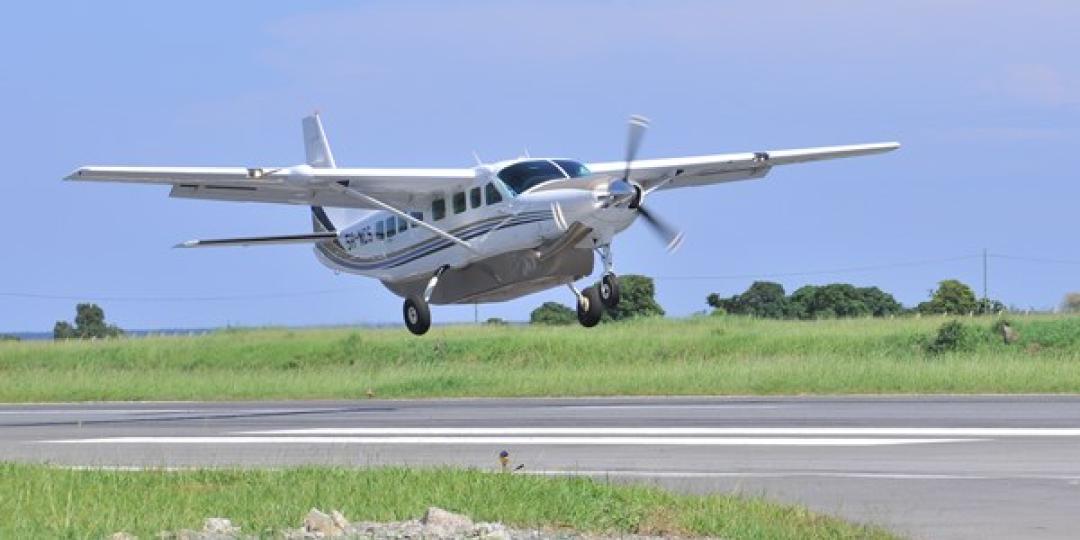
Most well-structured packages combine Day 1 travel with an overnight at a crater-rim lodge, so you arrive rested and ready for an early descent on Day 2. If you would rather skip the road transfer altogether and fly deeper into the parks, many itineraries instead fly you from Zanzibar onto a bush airstrip near the Serengeti and reach Ngorongoro by road from there. We explain both approaches, and which suits your dates, when we quote.
Standalone transfer costs
Most travellers never book a transfer on its own, because it is bundled inside a full safari package. As a rough guide, a private 4x4 transfer typically runs between US$150 and US$250 one way, while a shared airport-to-Arusha transfer costs about US$25 to US$35. Direct shared transfers all the way to Ngorongoro are uncommon, since the crater is almost always visited as part of a multi-day safari rather than a standalone trip.
The two-day minimum: why a one-day Ngorongoro safari from Zanzibar is not possible
This is the single most important planning point, and it surprises a lot of people. You cannot do a Ngorongoro safari from Zanzibar in one day. The maths simply does not allow it. The flight from Zanzibar to Kilimanjaro takes about 1.5 hours. The drive from the airport to the crater rim takes 4 to 4.5 hours. A proper crater game drive runs 5 to 6 hours, and vehicles must be out of the crater by 18:00. Add the return drive and the return flight, and a single day is out of the question.
So the realistic minimum is two days, and three days is the shortest genuinely relaxed option. With two days you fly in, transfer, sleep on the rim, do a full crater day, and fly out, which is intense but rewarding. With three days you gain breathing room: a travel and arrival day, a full crater day, and an unhurried return with an optional morning walk or cultural visit. If anyone offers you a same-day Ngorongoro trip from Zanzibar, it is a warning sign about how well they understand the route.
Best 2 Days Safari PackagesBest time to plan your combined Zanzibar and Ngorongoro trip
The Ngorongoro Crater is a year-round safari destination. Because the crater walls form a natural enclosure, resident wildlife does not migrate out seasonally the way animals move across the Serengeti. The Ngorongoro Conservation Area Authority estimates that 25,000 to 30,000 animals live within its 260 square kilometres permanently. That said, the seasons still shape the experience.
Dry season: June to October
The dry season gives you shorter grass, better road conditions on the crater floor, and animals concentrated around water sources, all of which make game viewing clearer and more productive. July, in particular, is often cited as the single best month for the crater. The trade-off is that this is high season, so lodges and permits should be booked well in advance, and you will share the crater with more vehicles.
Green season: November to May
The green season brings lush vegetation, significantly fewer vehicles in the crater, and some distinct photographic advantages, with softer light, more vivid scenery and a noticeably quieter atmosphere. February is particularly special, as wildebeest calving takes place on the nearby Ndutu plains, a natural pairing with a crater visit for travellers who want maximum wildlife drama in a single circuit. The rains, when they come, tend to arrive in short afternoon bursts rather than all-day downpours.
The sweet spot for a combined trip
The timing sweet spot for a combined beach and safari trip is June through October. Zanzibar's long dry season runs the same months, which means you get optimal beach conditions and optimal safari conditions back to back. A July or August trip puts you on Zanzibar's white sand in peak season, then straight into the crater at one of the best wildlife-viewing windows of the year. The smart sequencing is to start with three to four beach days in Zanzibar, fly north to JRO, complete your safari circuit, then return to Zanzibar for a final night before your international flight home.
| Season | Months | Crater conditions | Zanzibar |
|---|---|---|---|
| Dry (peak) | Jun to Oct | Short grass, clear views, animals near water, cold mornings | Peak beach season, sunny and dry |
| Short rains | Nov to Dec | Fresh green, fewer vehicles | Warm, occasional showers |
| Green / calving | Jan to Mar | Lush, quiet, Ndutu calving in Feb | Hot and mostly dry in Jan to Feb |
| Long rains | Apr to May | Greenest and quietest, some wet days | Wettest months, some closures |
What to expect inside the Ngorongoro Crater
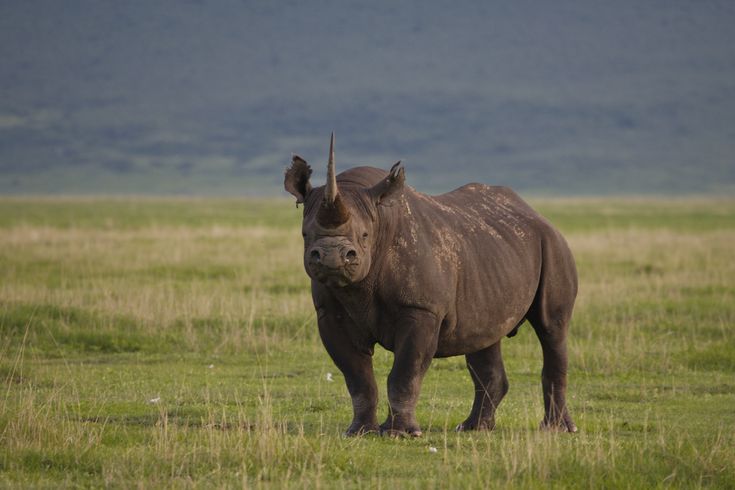
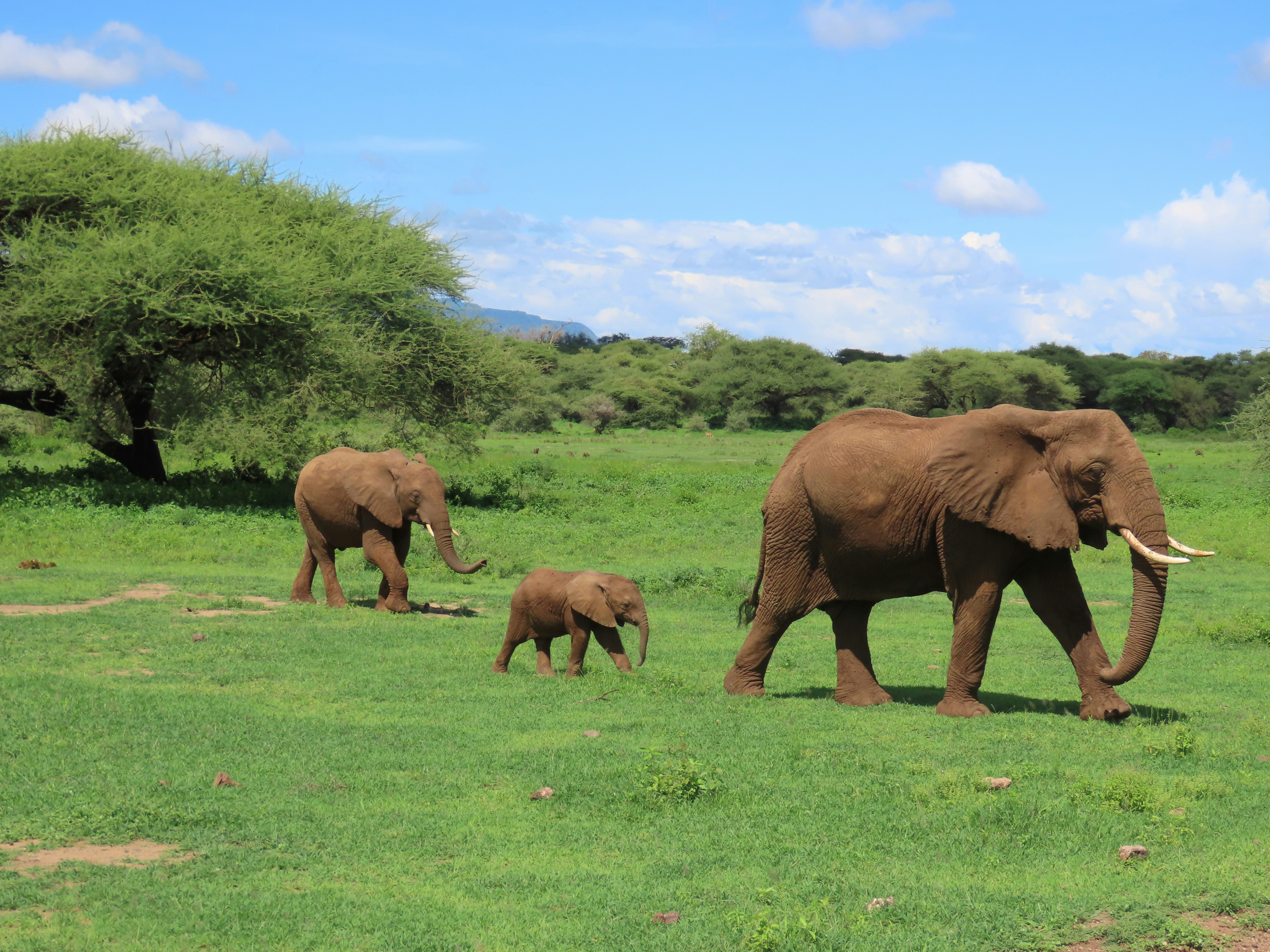
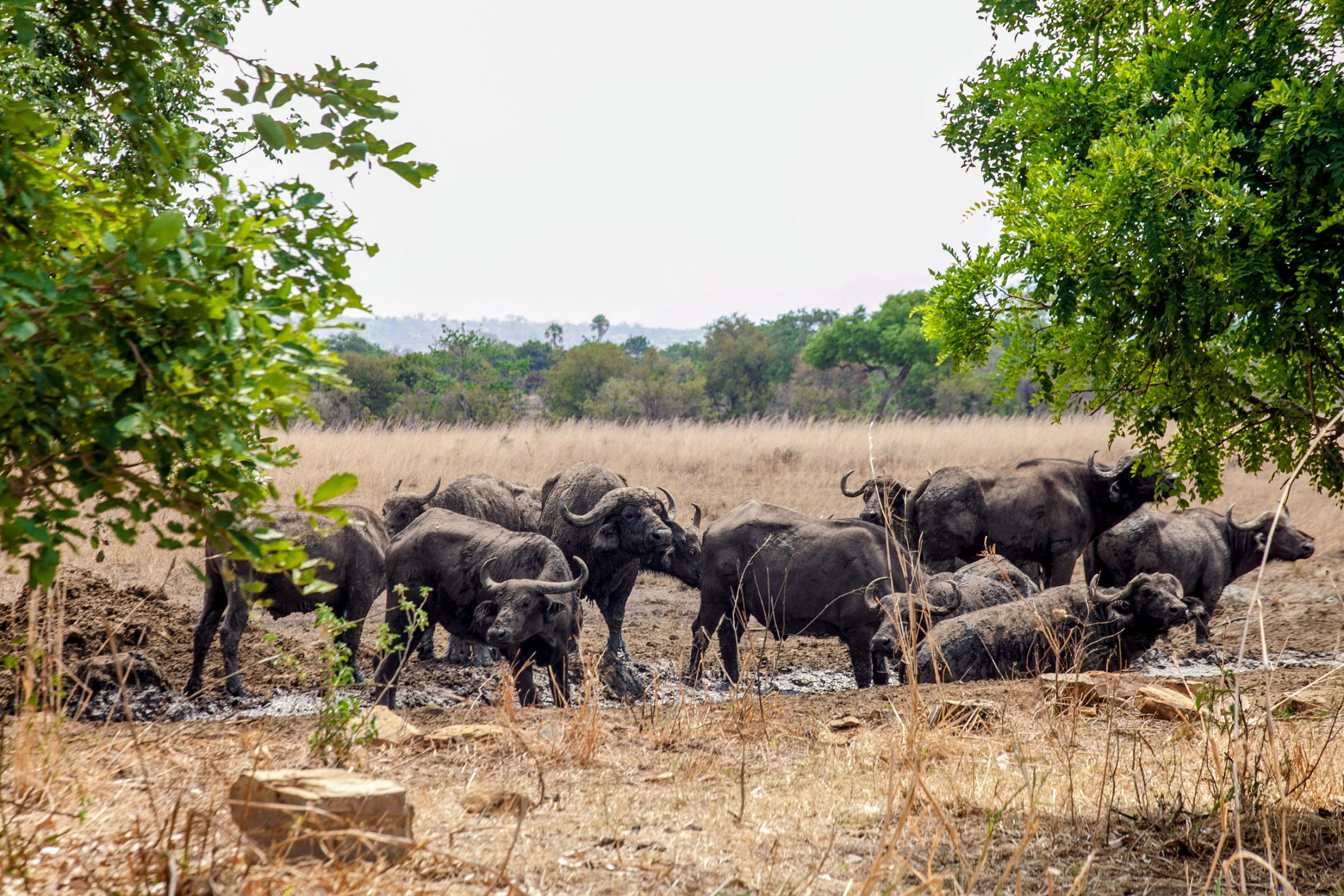
Wildlife density inside the crater is unlike anywhere else in East Africa. Lions, Cape buffalo, zebra, wildebeest, hippos, eland, Thomson's gazelle and spotted hyenas are standard sightings, not lucky ones. The crater holds an estimated 60 or more lions and around 6,000 hyenas. Black rhino sightings here are among the most reliable on the continent, with roughly 30 individuals resident inside the caldera, which makes Ngorongoro one of the few places you can realistically hope to complete the Big Five in a single morning.
One quirk worth knowing: giraffes are absent from the crater floor, because the steep descent roads are too difficult for them. You will see plenty of giraffes elsewhere on the Northern Circuit, in Tarangire and the Serengeti, but not here. Here is a snapshot of what you can reliably expect on the crater floor.
| Species | Reliability | Notes |
|---|---|---|
| Wildebeest | Very high | Around 7,000, in large plains herds |
| Zebra | Very high | Around 4,000, often mixed with wildebeest |
| Cape buffalo | Very high | The most reliable Big Five member |
| Spotted hyena | Very high | Around 6,000, a dominant predator here |
| Lion | High | 60 or more, high density thanks to abundant prey |
| Black rhino | High | Around 30, best in the dry season |
| Hippo | Very high | In the swamps and pools such as Lake Magadi |
| Elephant | Moderate | Around 300, often large old bulls in Lerai Forest |
| Cheetah, leopard, wild dog | Low | Present but elusive on the open floor |
What the crater offers photographers
The open grassland topography makes game viewing exceptionally clear. You see animals from a distance and watch behaviour unfold without dense bush blocking your sightlines. For photographers, casual or serious, that kind of unobstructed visibility makes a real difference in what you actually capture. Flamingo flocks gather near Lake Magadi at the crater floor, and birdlife throughout the crater is outstanding across every season, including ostriches, secretary birds and kori bustards.
A typical full-day crater game drive
A full-day crater game drive follows a structured path through the main habitat zones, so you cover plains, swamp, lake and forest in one circuit. The descent gate opens at 06:00, and most guides aim to be on the crater floor by 06:30 to catch morning predator activity. Here is how a well-planned crater day tends to unfold.
- 06:00 to 06:30, descent: down the steep access road, about 30 minutes, to reach the floor as the light comes up.
- 07:00 to 10:00, morning plains: across open grassland for wildebeest, zebra, gazelle and lion, with hyenas often active early.
- 10:30 to 11:30, swamp and lake: a stop at Lake Magadi or the swamp for hippos, flamingos and waterbirds.
- 12:00 to 13:30, picnic lunch: a bush picnic at the designated crater site near the spring-fed swamp.
- 14:00 to 16:00, forest and slopes: through Lerai Forest for elephants, baboons and the chance of leopard or cheetah.
- 16:30 to 17:00, ascent: back up to the rim, with all vehicles required to exit by 18:00.
That adds up to a full six to seven hours of active game viewing. Build your itinerary with at least one complete crater day rather than a rushed half-day descent, or you will leave feeling like you only caught half the experience. The crater rewards patience, and the difference between a morning-only visit and a full day is the difference between ticking a box and truly seeing the place.
Beyond the crater: the wider Northern Circuit
Ngorongoro is the anchor, but it is at its best as part of a slightly longer circuit. Two additions in particular lift a good trip into a great one.
Adding the Serengeti
If your schedule allows five or more days, the Serengeti is the natural extension. After your crater day, the safari continues north into the Serengeti for two to three game-drive days across the plains. This covers the Northern Circuit properly and gives you both the wildlife density of the crater and the sweeping landscape scale of the Serengeti, including the chance to intersect the Great Migration depending on the month. The return still routes through JRO for the flight back to Zanzibar, keeping the booking clean and simple. For a shorter taste, our 2-day Serengeti and Ngorongoro fly-in combines both in a compact trip.
Adding Tarangire and Lake Manyara
On the way in or out, Tarangire and Lake Manyara add variety without adding much distance. Tarangire delivers elephants and baobabs, while Manyara offers its famous tree-climbing lions and flamingo-lined lake. Our 3-day Tarangire, Lake Manyara and Ngorongoro safari is built around exactly this combination, and our 3-day fly-in from Zanzibar pairs Tarangire and Ngorongoro with a Hadzabe cultural experience at Lake Eyasi.
Ngorongoro safaris from Zanzibar: itineraries and prices for 2027 to 2028
The shortest realistic itinerary for a meaningful Ngorongoro safari starting in Zanzibar is three full days, though two-day fly-ins exist for travellers very short on time. Here is how the main formats look in practice, followed by current price ranges.
The 3-day Ngorongoro fly-in (the classic short option)
Day 1: Early morning flight from Zanzibar (ZNZ) to Kilimanjaro (JRO). Private 4x4 transfer to the crater rim, about 4.5 hours. Check into a crater-rim lodge, with sunset views over the caldera.
Day 2: Full-day game drive inside the Ngorongoro Crater, with an early morning descent, a picnic lunch on the crater floor, and a late afternoon exit. Evening at the rim lodge.
Day 3: Optional morning nature walk or Maasai cultural visit near the conservation area. Transfer back to JRO and an afternoon flight back to Zanzibar.
This format suits travellers with limited time who still want a genuine crater experience rather than a rushed one.
The 5 to 6-day Serengeti and Ngorongoro circuit
A 5 to 6-day itinerary lets you add the Serengeti, which turns a strong trip into an extraordinary one. After your Ngorongoro crater day, the safari continues north into the Serengeti for two to three additional game-drive days across the plains, before routing back through JRO for the flight to Zanzibar. This is the right choice for travellers who want the full Northern Circuit, and it is comfortably paired with a week on the beach for a complete two-week holiday.
Price ranges by tier and duration
Pricing varies significantly by tier, group size and lodge selection, and online listings often lag behind current rates. The ranges below are per person for private fly-in safaris starting in Zanzibar, and they trend upward slightly each year as park and conservation fees rise, so treat them as a 2027 to 2028 planning guide and confirm exact figures at the time of booking.
| Duration | Budget | Mid-range | Luxury |
|---|---|---|---|
| 2 days (fly-in) | Rarely offered | ~$1,450 to $1,650 | ~$1,800 to $2,200 |
| 3 days (fly-in) | ~$1,385 to $1,500 | ~$1,600 to $1,850 | ~$2,200 to $2,500 |
| 4 days (fly-in) | Limited | ~$2,000 to $2,400 | ~$4,980 to $6,000 |
| 5 to 6 days (Serengeti + Ngorongoro) | Rare as fly-in | ~$2,100 to $2,400 | ~$4,500 to $6,000 |
A few patterns are worth understanding. Budget options are limited, and the lowest verified 3-day fly-in sits around US$1,385 per person for basic camping or lodges. Mid-range 3-day trips with solid lodges and a private 4x4 run about US$1,600 to US$1,850, and luxury crater-rim properties start around US$2,200 and rise for two people travelling privately. Two-day trips covering both the Serengeti and Ngorongoro by air are rare, because flight schedules and park time make them tight. Costs per person drop noticeably in groups of four or more, because the vehicle and guide are shared across the party.
Kai Tours Fly-in Safaris from Zanzibar
These are our own carefully designed fly-in safari packages for travellers combining a Zanzibar beach holiday with Tanzania's famous wildlife. Every package includes return flights from Zanzibar, park and conservation fees, a private 4×4 safari vehicle, an experienced English-speaking guide, accommodation, and meals. Prices are based on two people sharing.
Best Safaris From Zanzibar(Multiple Parks)
What these packages cost and what is actually included
Standard inclusions across reputable packages cover the Ngorongoro Conservation Area entry and crater descent fees, all meals during safari days, a dedicated English-speaking guide with a 4x4 Land Cruiser, airport transfers to and from JRO, and all park entrance fees. Some packages also include AMREF emergency evacuation coverage. Here is the fuller picture.
| Typically included | Typically excluded |
|---|---|
| Conservation area and crater fees | International flights to Tanzania |
| 4x4 with pop-up roof and window seat | Domestic flights (unless stated as flight-inclusive) |
| Professional English-speaking guide | Visa fees (about $50 to $100) |
| Accommodation and full-board meals | Travel insurance |
| Bottled water and airport transfers | Tips for guide and camp staff |
| Government taxes and levies | Alcoholic and premium drinks |
| Often AMREF emergency evacuation | Optional extras (balloon, cultural visits) |
The fees worth knowing precisely
A few costs catch travellers out, so it helps to see them itemised. These are the current reference figures and they tend to rise a little year on year.
| Fee | Amount | Notes |
|---|---|---|
| Ngorongoro Conservation Area entry | ~$70.80 per adult | Non-East African, per 24 hours |
| Crater Service Fee | $295 per vehicle | Per descent, valid 6 hours, not per person |
| Conservation tariff (accommodation) | ~$59 lodge / ~$34.50 campsite per night | Sometimes bundled, sometimes separate |
| Tanzania visa | $50 to $100 | US citizens pay $100 |
| Guide tip | $10 to $25 per day | Customary, not compulsory |
| Camp staff tip | $5 to $10 per day | Into the staff tip box |
| Hot air balloon (Serengeti) | $500 and up | Optional extra |
| Maasai village visit | ~$25 to $50 | Optional extra |
| Olduvai Gorge museum | ~$36 per person | Optional, on the way to the Serengeti |
Two details often surprise people. First, the $295 crater fee is charged per vehicle, not per person, which is why groups spread the cost and it works out cheaper for each traveller. Always confirm a quote includes it, because the cheapest quotes sometimes quietly leave it out. Second, permits cannot be paid in cash at the gate; they are purchased in advance through a bank or by card, which a good operator handles for you.
Practical travel information
A few things worth sorting before you fly, whether you are travelling from the UK, the US, Europe or elsewhere.
Visa and passport
Most visitors need a Tanzanian tourist visa. The simplest route is the online e-visa, applied for before travel. It costs roughly US$50 to US$100 depending on nationality, with US citizens issued a US$100 multiple-entry visa. Make sure your passport is valid for at least six months beyond your travel dates, with a blank page for stamps.
Vaccinations, malaria and health
No vaccine is mandatory unless you are arriving from, or transiting, a yellow-fever country, in which case a yellow-fever certificate is required. Malaria is present, so take antimalarial medication and use insect repellent. Visit a travel clinic four to six weeks before departure for personal advice, and carry any personal medication in your hand luggage.
Money and cards
The Tanzanian shilling is the local currency, but US dollars are widely accepted, and dollar notes should be from 2009 or newer to be taken. Lodges and larger businesses accept cards, but you will want cash for tips, markets and small purchases.
Packing and the fly-in luggage limit
Pack neutral-coloured clothing, a warm layer for the cool crater rim, comfortable closed shoes, a hat, sunglasses, sunscreen, insect repellent, binoculars and a camera. Use a soft duffel bag rather than a hard suitcase, because the light aircraft used for fly-in safaris limit luggage to about 15 kilograms per person. You can leave the rest of your luggage at your Zanzibar hotel and collect it on the way home.
Climate, plugs and time
The crater rim sits at around 2,300 metres and is cool year-round, so mornings and evenings on safari are genuinely cold, even when Zanzibar is hot. Tanzania uses the same three-pin Type G sockets as the UK, at 230 volts, so many travellers find their plugs fit, though a universal adapter is wise. The country runs on East Africa Time, three hours ahead of GMT.
Safety and who it suits
A safari is one of the more protected ways to travel, since you are with a licensed guide from pickup to drop-off and stay at secure lodges. The experience is vehicle-based and comfortable, which makes it well suited to families, couples, older travellers and first-timers. Flying in rather than driving the long distances also keeps the tiring parts short, which matters with children.
How to sequence a combined beach and safari trip
The order of your holiday changes how it feels. The most popular sequence is to start with the beach, then do the safari, then finish with one more night on the coast before flying home. That way you arrive relaxed, throw yourself into the early starts and long game drives while you have energy, and come back to the ocean to wind down. Others prefer safari first and a longer beach finish, which is equally valid and arguably the most relaxing of all.
A well-balanced two-week trip might look like this: three to four nights on a Zanzibar beach, a flight north to JRO, a 3 to 6-day Northern Circuit safari, then a return flight to Zanzibar for a final night before your international departure. On a shorter week, a 2 or 3-day fly-in safari slots neatly into a 7-night holiday, leaving four or five nights for the beach. If you are travelling from the UK on the new direct flights, see our companion guide to flying direct to Zanzibar and adding a safari.
How to choose an operator you can actually trust
A well-coordinated Zanzibar-to-Ngorongoro package handles the domestic flight booking, the 4x4 airport transfer, crater-rim lodge reservations, all park and conservation area fees, and the return transfer, all under one confirmed itinerary with a single point of contact. If you are receiving quotes that require you to book the flights separately, arrange the crater transfer through a different company, and coordinate the lodge on your own, that is a coordination problem waiting to surface at the worst possible moment.
Look for operators with actual ground operations in Tanzania, not international resellers routing your booking through a generic platform. Local operators respond faster when plans shift, hold direct relationships with specific lodges and park authorities, and their guides know the crater's seasonal rhythms firsthand rather than working from a script. Before you commit, it is reasonable to ask for a tour operator licence, to check how long the company's reviews stretch back, and to have a quick call. A genuine operator will happily talk you through the itinerary and the vehicles.
Best Tour Company in TanzaniaBooking with Kai Tours and Safaris
Kai Tours and Safaris is a Tanzania-based operator with teams on the ground across Zanzibar, the northern safari circuit and Dar es Salaam. For Ngorongoro safaris from Zanzibar, Kai handles the domestic flight booking, the private 4x4 JRO transfer, crater-rim lodge reservations, all conservation area and crater entrance fees, and full-board meals from Day 1 arrival through your return flight. Our guides are fluent in English, experienced with international travellers, and intimately familiar with the crater's seasonal rhythms. Whether you are building a focused 3-day crater escape or a full 6-day Northern Circuit with Serengeti extensions, we design the itinerary around your specific dates, group size and budget, then manage every detail so you arrive at the crater rim with nothing left to coordinate.
Ready to plan your Ngorongoro safari?
Share your dates, your group size and what matters most to you, and we will put together a complete itinerary with transparent pricing and no pressure. Asante.
Frequently asked questions
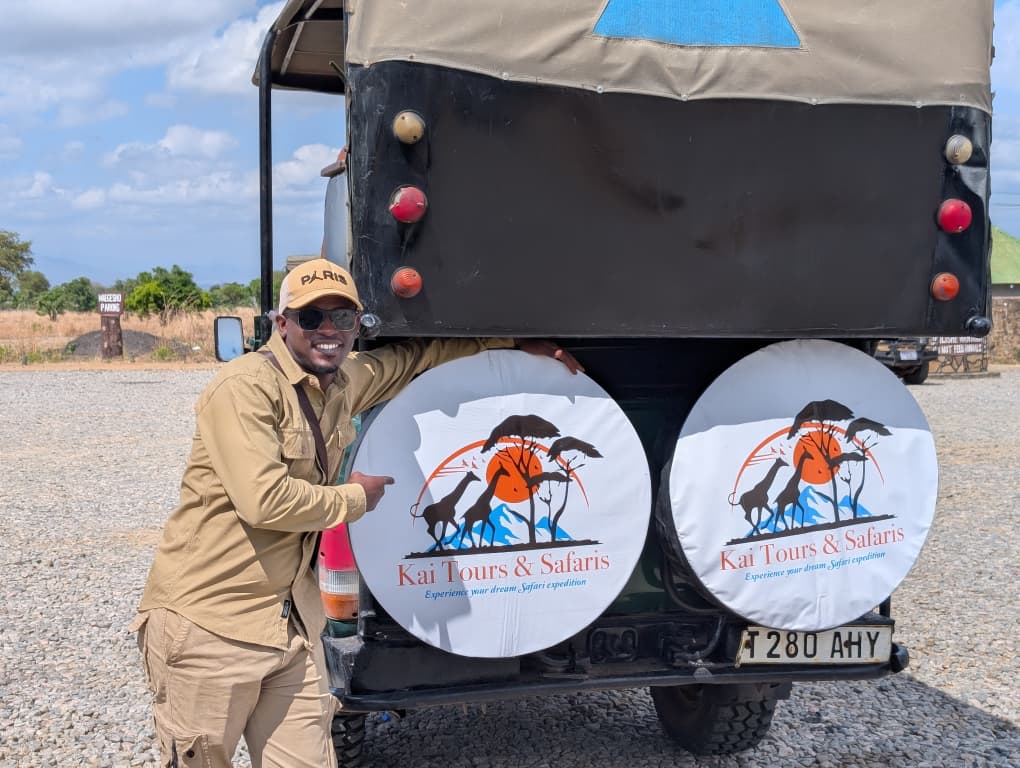
Justus Kahwa — Safari Operations Manager, Kai Tours & Safaris. Plans Northern Circuit safaris and bush-and-beach holidays from Zanzibar, and has coordinated Ngorongoro fly-in trips for travellers from around the world.