In Short
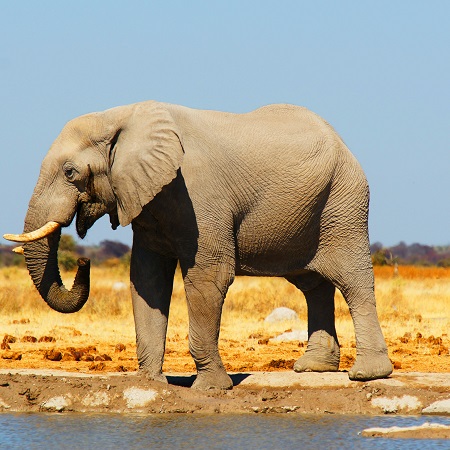
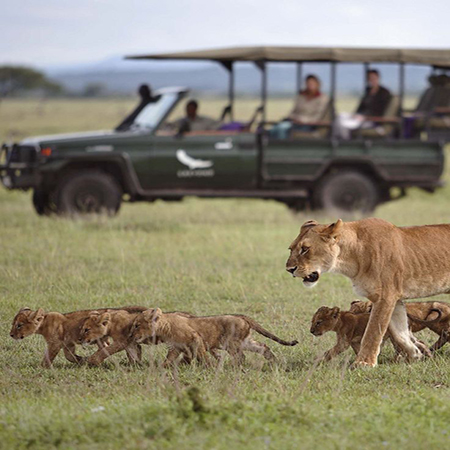
A 5-day northern circuit safari from Arusha through Tarangire, the central Serengeti and the Ngorongoro Crater. Between them these three parks hold all of the Big Five: lion, leopard, elephant, buffalo and black rhino. Park fees, the Crater service fee, full-board accommodation and an English-speaking driver-guide are included.
Want to Explore more: Our 7 Days safari Package.
On This Page
Overview
This 5-day Big Five safari links three of Tanzania's most productive parks in one loop from Arusha: Tarangire National Park, the Serengeti and the Ngorongoro Crater. Between them, these parks hold all five of the animals the safari world calls the Big Five: lion, leopard, African elephant, Cape buffalo and black rhino.
Four of the five are seen on most trips. Elephant and buffalo are common in all three parks, lion is easy to find in the Serengeti and on the crater floor, and leopard is regularly spotted in the acacia trees along the Seronera River in the Serengeti. The black rhino is the hard one. Realistically it lives in the Ngorongoro Crater, which is why the Crater is the final day of this safari.
You travel in a 4x4 safari vehicle with a pop-up roof and an English-speaking driver-guide. Two nights in the central Serengeti give you a full day of game drives without a long transfer.
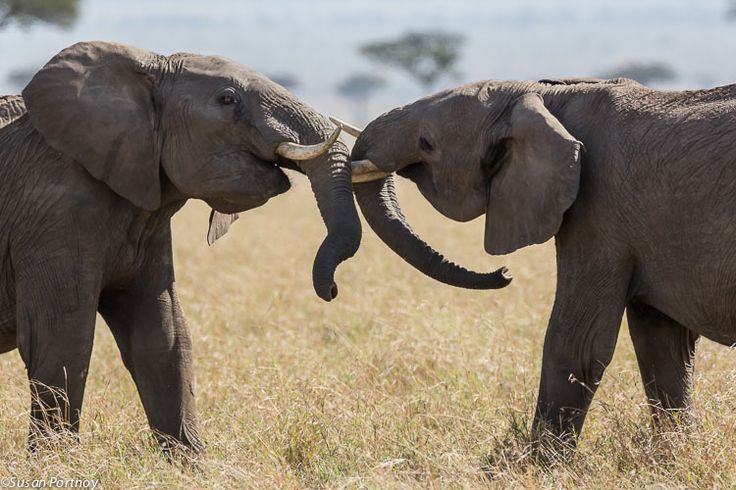

- Elephant herds and baobab trees in Tarangire National Park
- Two nights in the central Serengeti for a full day of game drives
- Lion, buffalo and elephant sightings across all three parks
- Leopard country along the Seronera River in the Serengeti
- A full morning on the floor of the Ngorongoro Crater, the best place in Tanzania to look for black rhino
- Picnic lunches in the parks and full-board accommodation
- Park fees and the Crater service fee already included
- 4x4 vehicle with a pop-up roof and an English-speaking driver-guide
- Day 1: Arusha to Tarangire National Park, overnight Karatu
- Day 2: Karatu to the central Serengeti
- Day 3: Full day of game drives in the Serengeti
- Day 4: Serengeti to the Ngorongoro rim
- Day 5: Ngorongoro Crater and return to Arusha
Detailed itinerary
Day 1 Elephants and baobabs
We pick you up from your Hotel in Arusha, then a drive of about two hours to Tarangire National Park. Spend the day on game drives among large elephant herds and baobab trees, with lion and buffalo common and leopard sometimes in the trees. There are no rhino in Tarangire. Picnic lunch in the park, then drive to Karatu for dinner and the night.
Day 2 Across the Ngorongoro highlands
An early start through the Ngorongoro Conservation Area, past the crater rim, to the Serengeti's Naabi Hill gate for a picnic lunch. Continue on a game drive across the plains to central Seronera (about four to five hours in total), looking for lion, buffalo, elephant and your first leopard. Dinner and the night at your Serengeti camp.
Day 3 Full Day Game Drive
A full day of game drives in the central Serengeti, starting at sunrise when the big cats are most active. The Seronera River valley is the best place in Tanzania to look for leopard, and lion, buffalo, elephant and cheetah are also seen. Return to camp for dinner and a second night. A dawn balloon safari can be added.
Day 4
One last morning game drive in the Serengeti, then breakfast and the drive back to the Ngorongoro highlands, about five to six hours with a picnic lunch on the way. Dinner and the night in Karatu or on the crater rim.
Day 5 The Black Rhino Chase
Descend early into the Ngorongoro Crater for a morning game drive on the crater floor, the best place in Tanzania to look for black rhino, the last of the Big Five. Lion, buffalo and old male elephants also live here. After a picnic lunch, drive to Arusha 3.5 hrs for drop-off at your hotel or airport.
Timings are a guide and flex with the season, road conditions and the wildlife.
Optional Add-Ons
| Optional Add-On | Price |
|---|---|
| Hot air balloon safari in the Serengeti | +$599 pp |
| Maasai village visit | +$25 pp |
| Private vehicle upgrade | On request |
| Luxury lodge upgrade | On request |
Price for the Big Five Safari 2027
Prices are per person and depend on the number of travellers. Park fees and the Ngorongoro Crater service fee are included.
| Group size | 1 Pax (Solo) | 2 Pax | 3 Pax | 4 Pax | 5+ Pax |
|---|---|---|---|---|---|
| Price Adult (USD) | $2,165 – $2,630 | From $1,540 – $2,170 pp | From $1,332 – $1,600 pp | From $1,228 – $2,130 pp | From $1,050 – $1,350+ pp |
Indicative 2027 rates. Prices can change with season and final group size, and park fees are reviewed each year. We confirm the exact price when you book.
Want to Explore more: Our Tanzania Safari Costs.
Accommodation
Four nights in mid-range lodges and permanent tented camps, with en-suite rooms and full board. Properties are confirmed at booking and are subject to availability.

Want to Explore more: See Where you can actually stay at night during safari.
What's included
- • Inclusions (one per line):
- • Airport pick-up on arrival and drop-off after the safari
- • 4x4 Toyota Land Cruiser with a pop-up roof
- • Professional English-speaking driver-guide
- • All national park and conservation area entry fees
- • Ngorongoro Crater service fee
- • Full-board accommodation during the safari
- • Picnic lunches in the parks
- • Drinking water throughout
- • Government taxes and VAT
What's excluded
- • International and domestic flights
- • Visa fees
- • Travel insurance
- • Personal expenses
- • Tips and gratuities for the guide and camp staff
- • Optional activities and upgrades
- • Alcoholic and soft drinks unless stated
The Big Five and where you'll find them
All five of the Big Five live on this route, but they are not equally easy to see. This table shows where each one lives and how likely you are to see it.

| Animal | Likelihood |
|---|---|
| Lion | Very likely. Serengeti plains and Ngorongoro Crater floor, also Tarangire. |
| African Elephant | Very likely. Tarangire has the biggest herds, especially from June to October. Also in the Serengeti and the Crater (old bulls). |
| Cape buffalo | Very likely. Serengeti, Ngorongoro Crater and Tarangire. |
| Leopard | Likely but elusive. Best chance in the Serengeti, in the acacia trees along the Seronera River, and also in Tarangire. Not guaranteed. |
| Black Rhino | Possible. Realistically only the Ngorongoro Crater, where a small resident population lives, often far from the road. A few live in the Serengeti but sightings are rare. Not guaranteed. |
| Other Wild Animals | Chance to sight them on Multiple Parks. |
Best time to visit
Short answer
You can see the Big Five on this route all year, because the Ngorongoro Crater, Tarangire and the central Serengeti all hold resident animals in every month. The best overall window is the dry season from June to October. January and February is the other strong period, and March to May and November give you the quietest, best-value departures.
June to October: dry season and peak season
This is the easiest time to find animals. The grass is short and the water is scarce, so wildlife gathers at the rivers and waterholes and is easy to spot. Tarangire is at its best, with large elephant herds along the Tarangire River. In the Serengeti, lion and leopard are easy to find around Seronera, and the migration herds move through the central and western Serengeti and into the north. The Ngorongoro Crater is excellent all year, but the dry months give the clearest views of the rhino and lion across the crater floor.
The trade-off is that this is the busiest and most expensive season, with the highest lodge and camp rates. Departures and rooms fill fastest from July to October, so book several months ahead.
January to February: calving season
Calving season brings large herds of wildebeest and zebra to the southern and central Serengeti, with thousands of newborn calves and strong predator action. Lion, leopard and cheetah are all drawn to the herds. Tarangire is greener and its elephants spread out through the park, so elephant sightings are less concentrated than in the dry season. The weather is warm with occasional showers, and the parks are quieter than in July and August.
March to May: green season
The long rains turn the parks green and the roads can be muddy, but this is the quietest time, with the fewest vehicles at the sightings and the best prices on lodges and camps. Big Five sightings are still good: the Crater, Lake Manyara and Tarangire all give excellent viewing, and lion and buffalo are easy to see on the Serengeti plains. Leopard are harder to see in the thicker vegetation, and the migration herds are moving across the central and western Serengeti. Some camps close in April and May, so check availability when you book.
November to December: short rains and holidays
The short rains arrive in November, and the parks turn green again. Early November is quiet and good value, with fewer visitors. The Christmas and New Year period is busy and prices rise, so book early. Elephants are less concentrated in Tarangire, but Big Five viewing in the Serengeti and the Crater continues all month.
Which month is best for each of the Big Five?
- Lion: all year in the Serengeti and the Crater. The dry season makes them easier to find.
- Elephant: best in Tarangire from June to October. In the Serengeti and the Crater they are present all year.
- Buffalo: all year in all three parks.
- Leopard: all year around the Seronera River. Early morning drives and the dry season give the best chance.
- Black rhino: all year in the Ngorongoro Crater. The dry season gives clearer views, but sightings are never guaranteed.
Our advice
If the Big Five is your priority and you can choose any date, go between June and October, with January and February as the second choice. If you prefer fewer vehicles and a lower price, go in March, April, May or early November. In every month, the Crater and the central Serengeti are the places where this route works best.
Want to Explore more: See the best time to travel in Tanzania.
Good to know
- Days 2 and 4 are long driving days, about five to six hours, with game viewing along the way.
- The Ngorongoro Crater has a limit on the time vehicles can spend on the floor, so the descent starts early.
- Dress in layers: the crater rim and the Serengeti are cold in the early morning, even in the dry season.
- A black rhino is usually seen from a distance, so bring binoculars.
- Tips for the driver-guide and camp staff are not included.
- No safari can guarantee a sighting of any animal.
Frequently asked questions
Justus Kahwa
Puts together Tanzania safari itineraries most weeks, sequencing each around the guest's flights and the season, and would rather send the route that fits than the one already on the shelf. This one includes elephant herds and baobab trees in Tarangire National Park.