Planning an African safari is one of the most exciting travel decisions, yet the question most travelers ask first is always the same: "What is the best month to go on a safari in Africa?"
The truth is, Africa is a massive continent with different ecosystems, climates, and wildlife patterns. However, if your dream destination includes Tanzania, Kenya, Serengeti, Ngorongoro Crater, Maasai Mara, or the greater East African safari circuit, the answers are clearer and more rewarding.
This guide breaks down the best safari months by season, destination, and experience, with special emphasis on Tanzania, home of the iconic Great Migration, Big Five safaris, world-class lodges, and unforgettable private and luxury tours.
 Our professional safari vehicles provide the best vantage points for wildlife viewing across Tanzania.
So, What Is the Best Month to Go on a Safari in Africa?
The best months for an African safari especially East and Southern Africa are generally:
June to October - The Peak Safari Season
This is the dry season, when wildlife viewing is at its absolute best. Animals gather around rivers and waterholes, vegetation thins out, and predators are extremely active. This period includes.
- Great Migration river crossings (Serengeti → Maasai Mara)
- Prime Big Five sightings.
- Clear skies and comfortable temperatures.
- Excellent photography conditions.
However, different destinations peak at slightly different times, so the next sections break it down specifically for Tanzania and the famous Northern Circuit.
Understand the nuances of the seasons to pick the date that matches your dream experience.
Consult Our Safari ExpertsWhich Month Is Best for Tanzania Safari?
Tanzania is a year-round safari destination, but some months are better depending on what you want to experience especially if you’re targeting the Luxury or Budget Safari, Private Tours, or the Great Migration.
Best Overall Months for Tanzania Safari: June to October
June - Early Season Magic
The landscape is still green after the rains, animals begin clustering around permanent water, and crowds haven’t fully arrived. Great for:
- Budget safaris.
- Less crowded lodges.
- Photography (great light, green background)
For more informations on African safaris, click the link below to go to our frequent asked questions (faq) page to see all questions and anwers on African Safaris.
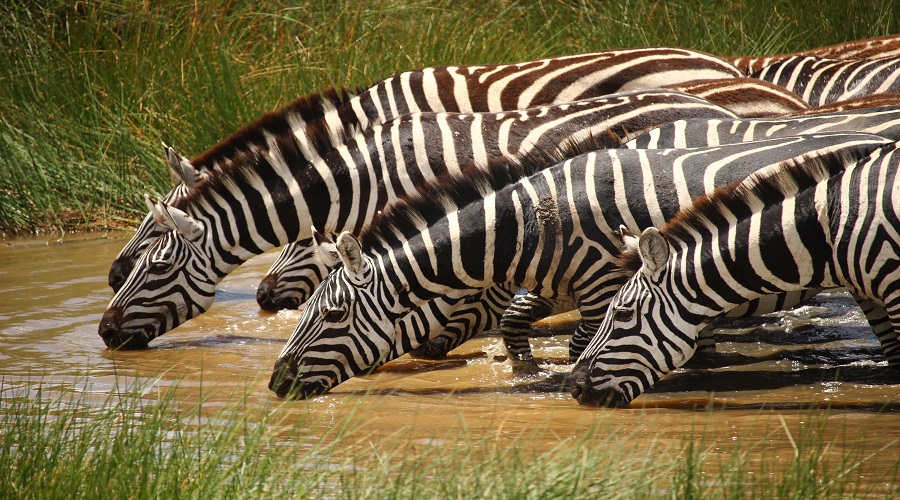
More Informations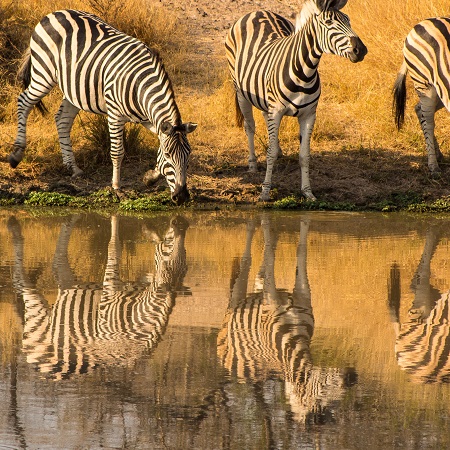 The dry season pushes massive herds towards permanent water sources like the Mara River.
July – Peak Season Begins
Wildlife densities increase dramatically. The Great Migration herds start pushing north. Ideal for:
- Private tours.
- Classic luxury lodge stays.
- Kogatende and Grumeti safaris.
August – The Best Month for Everything
If you want a single perfect month, choose August. It brings:
- Iconic Mara River crossings.
- High predator activity.
- Superb weather.
- Prime lodge availability (book early!)
September – Perfect for Couples & Photographers
The great crossings continue. The weather remains stable and clear. This month is especially loved by:
- Photographers (crisp golden hour lighting)
- Honeymooners.
- Luxury camp travelers.
October – Warm, Wildlife-Rich, Quieter
Still excellent for game viewing with fewer crowds. Great for:
- Budget tourists.
- Mobile tented camps.
- Private family safaris.
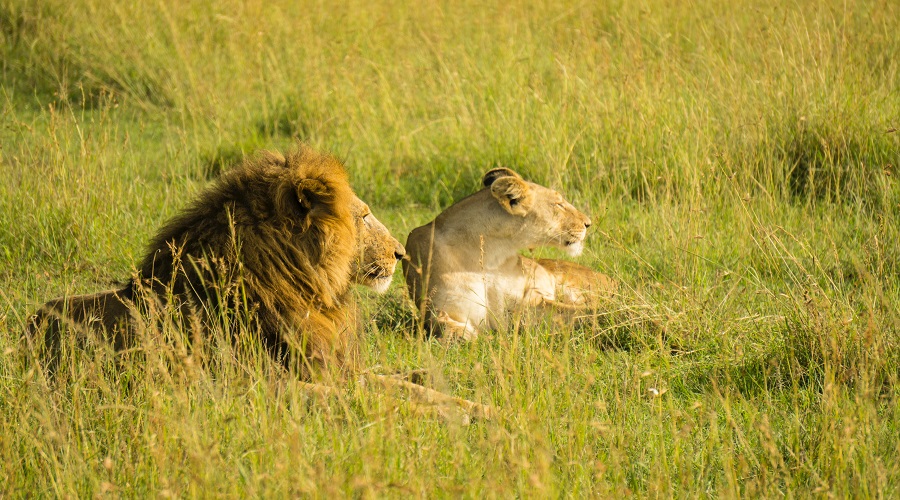
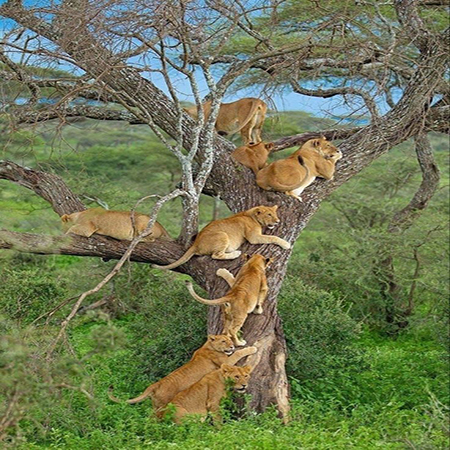 Group of tree climbing lions.
When to Avoid Tanzania?
While Tanzania is rewarding throughout the year, there are months when conditions are less ideal to due to weather conditions.
March to May -The Long Rainy Season
This period is typically considered the least ideal time for safari tours because:
- Roads in parks can get muddy.
- Thick vegetation makes sightings harder.
- Some remote lodges close temporarily.
- Heavy rains limit movement.
However, this does not mean you shouldn’t visit. For best recommendation, consult with ground or local safari companies or local safari consultant for extra information about the weather changes. In fact, the rainy season offers:
- The cheapest safari deals.
- Very quiet parks.
- Green, dramatic scenery.
- Great birding opportunities.
So if you’re on a budget safari, this may actually be an advantage. But for first-timers or those seeking luxury comfort, June to October is safer.
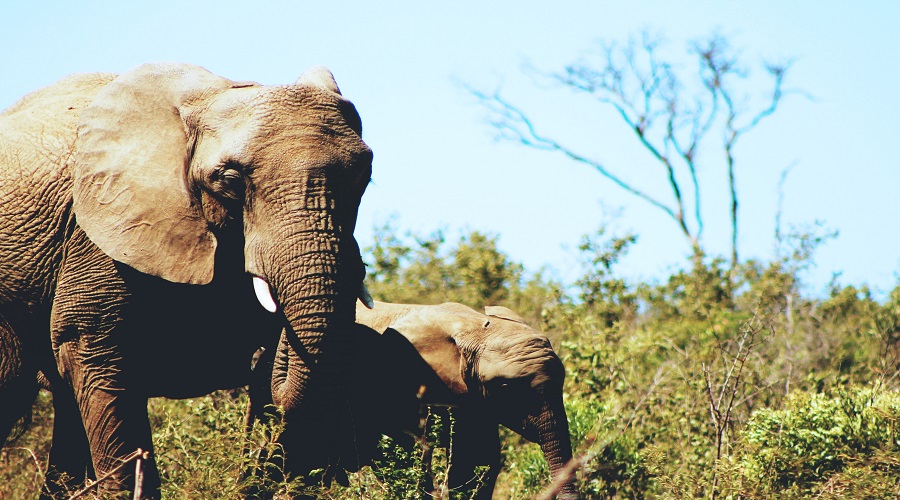
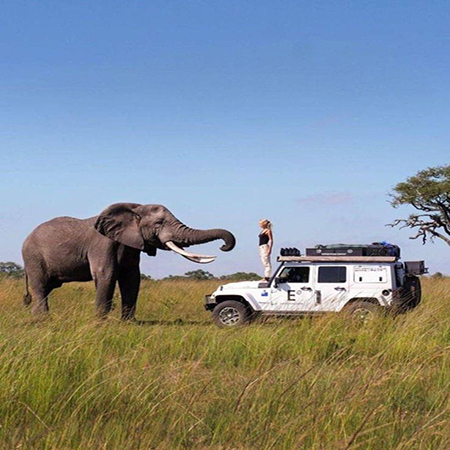 A closer contact with African Elephant.
How Many Days Is Enough for a Tanzania Safari?
This depends on the type of safari you want budget, private, luxury, or Great Migration focused. But here is the general rule:
Minimum: 4–5 Days (Fast Safari)
Best for tourists with limited time.
Sample Quick Itinerary:
- 1 night Tarangire National Park.
- 1 night Ngorongoro Conservation crater.
- 2 nights Serengeti National Park.
You still see the Big Five and classic landscapes.
Best: 7–10 Days (Full Northern Circuit Safari)
This is the sweet spot for most travelers. It allows you to explore Serengeti properly (3–4 nights minimum), visit Ngorongoro Crater, add Tarangire or Lake Manyara, and enjoy a relaxed pace.
Best for Great Migration Safaris: 10–14 Days
Because the Great Migration moves constantly, spending more time increases your chances of seeing river crossings, predator hunts, or mega-herds. A longer safari also allows you to combine regions such as: Central Serengeti, Northern Serengeti (Kogatende), Ngorongoro, Tarangire, and Ndutu (for calving season).
From short escapes to complete expeditions, find your perfect balance on our site.
Visit Our Homepage Herds of buffaloes roaming in Tanzanian landscape.
Are Safaris Better in Kenya or Tanzania?
This is one of the most frequently asked questions, especially by travelers comparing private tours, budget lodges, and Great Migration opportunities.
Tanzania Advantages
- Largest diversity of landscapes: Serengeti, Ngorongoro Crater, Tarangire, Lake Manyara.
- More days with the Great Migration: About 9 months per year.
- Bigger wilderness areas: Wider open spaces, less fencing, more natural movement.
- Ngorongoro Crater: A unique wildlife concentration you won’t find in Kenya.
Kenya Advantages
- Masai Mara river crossings in July–October.
- Better safari + city combo (Nairobi + parks).
- More accessible for short safaris.
Final Verdict: Tanzania Wins for Overall Safari Experience
Its sheer size, authenticity, wildlife density, and year-round Great Migration action make Tanzania the more complete safari destination especially for first-time travelers seeking the best value from their tours, lodges, and luxury camps.
Best Month to Visit Serengeti, Ngorongoro & the Northern Circuit
The Northern Circuit is the crown jewel of African wildlife. It includes: Serengeti National Park, Ngorongoro Crater, Tarangire National Park, Lake Manyara National Park, and Arusha National Park. Each park has its own peak season:
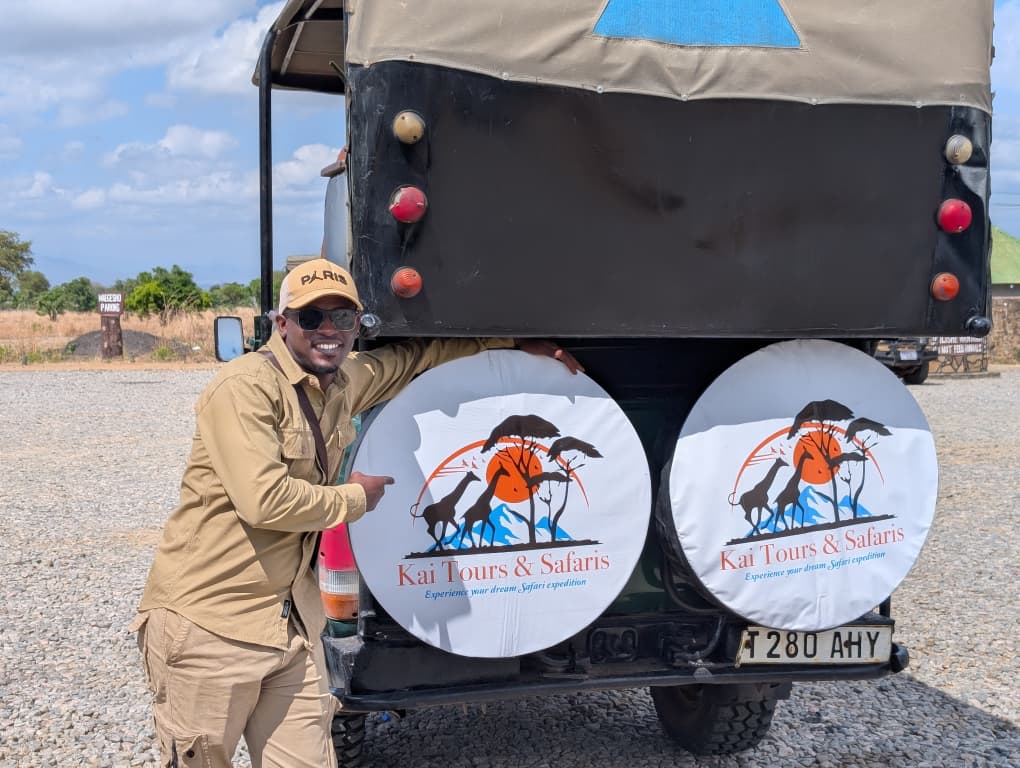 Our expert guides ensure you are in the right place at the right time for the best sightings.
Serengeti National Park - Best Months
Because of the Great Migration, Serengeti is a year-round spectacle. But the best months depend on what you want.
- Best Months for River Crossings: July, August, September, and early October
- Best Months for Calving Season (Ndutu): January to March
- Best Months for Big Cats and Predators: June to September
- Best Months for Green Landscapes & Fewer Crowds: April & May
Ngorongoro Crater — Best Months
The Crater is excellent all year because the animals rarely migrate out of the caldera.
Best Months: June to October (Clear views, Dry grass, Concentrated wildlife).
Avoid: April–May (Fog and rain reduce visibility, although prices drop).
Tarangire National Park — Best Months
Best Months: June–October (Massive animal herds appear around the Tarangire River).
Lake Manyara National Park — Best Months
Best Months: June–October (Tree-climbing lions, Flamingos and Elephants).
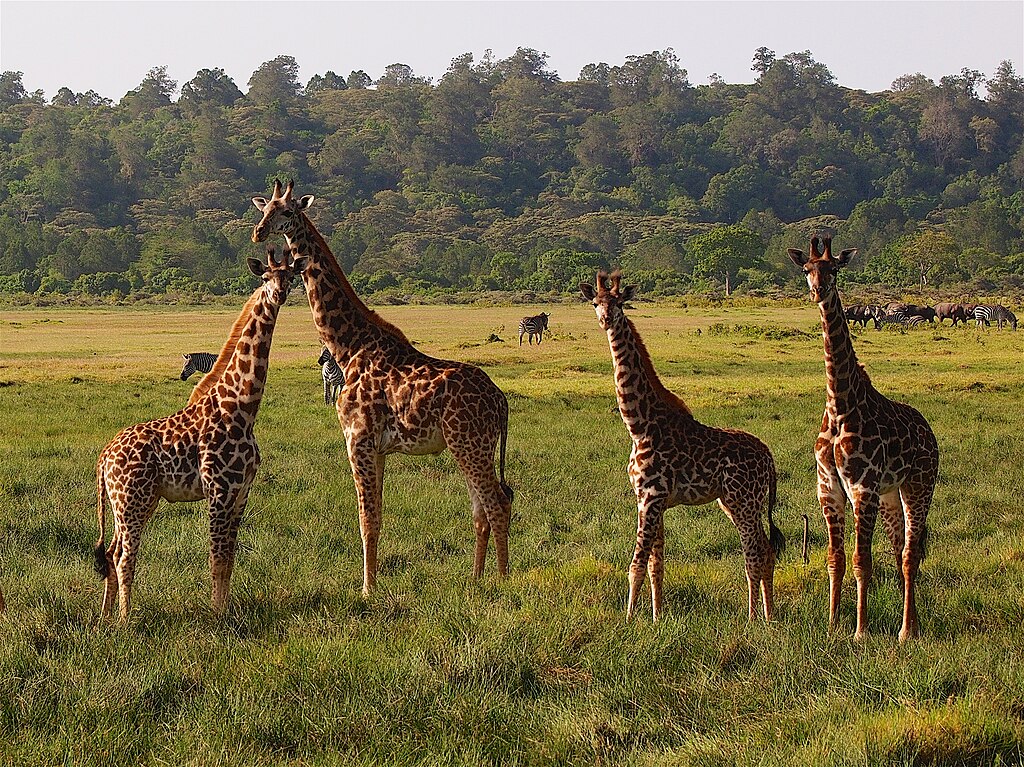 Massive animal herds roam freely through the lush habitats of Lake Manyara and Tarangire.
Conclusion: The Best Month to Go on a Safari in Africa
If you're planning a safari in Africa, particularly in Tanzania, the best months are: June, July, August, September, and October. These months offer the best wildlife viewing, best weather, and the most dramatic Great Migration action.
- January–March for calving.
- April–May for green season.
- June–October for peak wildlife.
- November–December for quiet, beautiful shoulder season tours.
Tanzania stands out as the ultimate safari destination
for its lodge variety, private tour options, budget-friendly choices, and world-famous luxury camps. Whether you’re planning a Budget safari, Luxury safari, Great Migration adventure, Private family tour, Honeymoon safari Tanzania's Northern Circuit remains the unbeatable choice for travelers seeking the most complete wildlife experience in Africa.
Choosing the right time for an African safari isn’t about chasing a single "perfect" month, it's about aligning your expectations with the rhythm of the wilderness. Across the continent, June to October consistently delivers Africa’s most reliable wildlife encounters, but Tanzania stands out for offering world-class game viewing almost every month of the year.
If your heart is set on Tanzania and for many travelers it is then plan around what you want most. July through September is unmatched for Great Migration river crossings, while January to March turns Ndutu into a vast nursery during calving season. For many people, 7 to 10 days is the best window to explore the Serengeti, Ngorongoro Crater, and the broader Northern Circuit without rushing the landscapes or the experience.
And the comparison with Kenya? Both countries offer exceptional safaris, but Tanzania's scale, diversity, and nine-month Great Migration timeline give it a depth that’s difficult to rival. Kenya shines for quick, accessible adventures; Tanzania shines for those who want a fuller, more immersive journey.
In the end, planning a safari is about timing, pacing, and understanding how each season shapes the story you'll witness. Whether you prefer a quiet green-season escape, a classic dry-season safari, or a front-row seat to the Great Migration, thoughtful planning will reward you with a journey that feels intentional, not accidental. Let your safari dates serve your purpose, not the other way around. When you match the month, the number of days, and the destination to the experience you want, Africa has a way of giving you more than you came for.
Contact our Safari Specialist:
Call/WhatsApp: +255 672 530 415 or info@kaitoursandsafaris.com
Written By:
Justus Kahwa (@mr_jmasterz)