Fly from the beach to the plains in under two hours of flying time, spend three nights inside the central Serengeti at Tanzania Bush Camps, and lift off over the plains in early morning on your final morning in a hot air balloon that is part of the package, not an upsell. Because the balloon is built into the itinerary, your return flight to Zanzibar is scheduled for the afternoon and nothing is rushed. Return flights, all park fees, the balloon flight, the park balloon fee and the champagne bush breakfast are all inside the price. We publish our group rates openly: from US$3,799 per person for two travellers down to US$2,203 per person for six.
The balloon is included, and here is why that matters
Almost every Serengeti operator sells the balloon separately, typically at around US$599 per person on top of the safari price. We build it in, which means the number you see is the number you pay, and it also means we plan the whole itinerary around it: the camp we use is within reach of the launch site, your final morning is protected, and your flight back to Zanzibar leaves in the afternoon rather than at breakfast. When you compare quotes, compare the total including the balloon rather than the headline.
Sunrise Balloon Safari
Drift silently above the Serengeti as the sun rises, watching elephants, giraffes and herds moving across the plains before enjoying a champagne bush breakfast.
Full-Day Game Drives
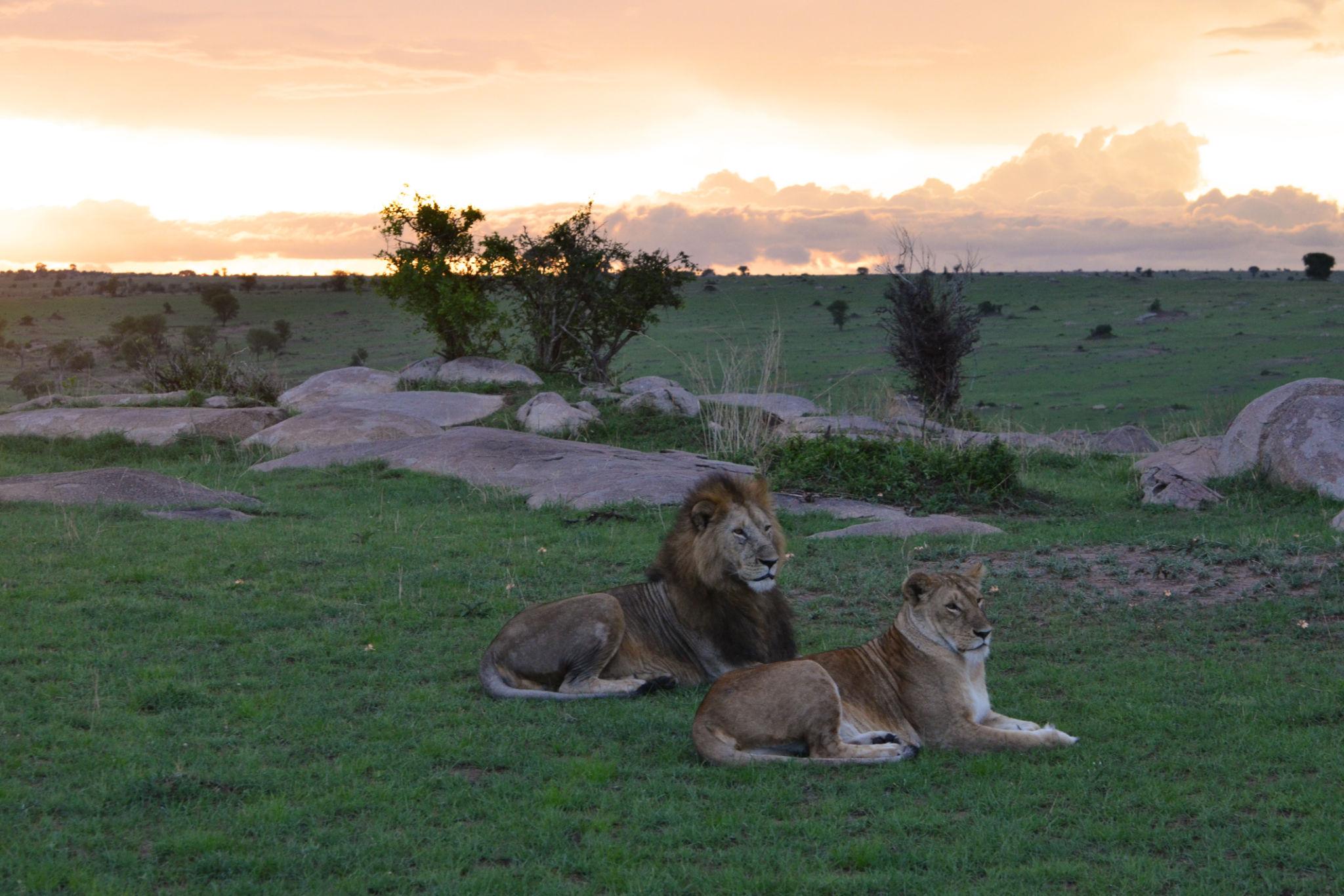
Spend full days exploring the Seronera Valley with your private guide, giving you the best chance of seeing the Big Five, cheetahs, leopards and the Great Migration.
Why fly in, and why four days
Driving from the Tanzanian coast to the Serengeti takes the better part of two days in each direction. On a short trip that means most of your holiday is spent watching the roadside rather than the wildlife. Flying replaces those four days of driving with roughly an hour and forty minutes of actual flying time to the Seronera airstrip in the central Serengeti, which is why almost everyone travelling from Zanzibar chooses to fly.
The question then becomes how many days to spend once you are there, and this is where a lot of short safaris disappoint. A two-day trip gives you an arrival afternoon and a departure morning, which amounts to a single main game drive and leaves no room at all for a balloon flight. Three nights changes the arithmetic completely.
What the extra days actually buy you
- Two complete days of game driving, not fragments of days bookended by flights.
- A protected balloon morning. Early morning flight needs an early start and a relaxed finish, which only works when the departure day is built around it.
- The ability to go back. If your guide finds a leopard in a sausage tree on the second afternoon, you can return at first light the next morning. On a two-day trip that sighting is simply gone.
- Range. The central Serengeti is large, and different areas hold different wildlife. Four days lets you work the Seronera river valley one day and push further out the next.
- Early morning and dusk, three times over. Predators are active in the first and last hour of light, and staying inside the park means you are already among them.
Day-by-day itinerary
- Morning pick-up from your Zanzibar hotel and transfer to Zanzibar airport, where we meet you and see you through check-in.
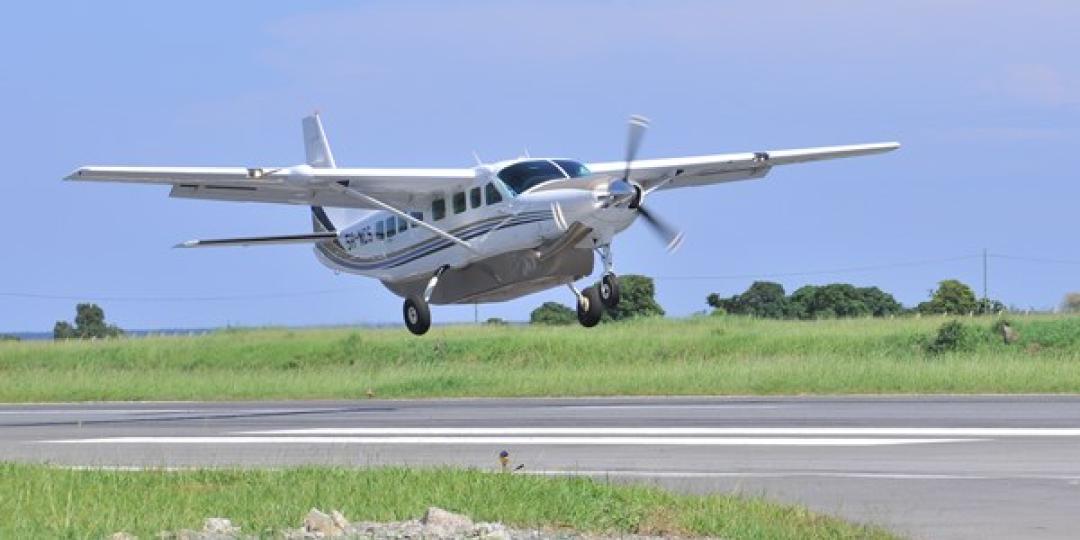
- Scheduled light-aircraft flight to the Seronera airstrip in the central Serengeti, usually with a short stop at Arusha. Flying time is about 1 hour 40 minutes, and the views over the coast and the Rift Valley are part of the experience.
- Your guide meets you at the airstrip with your private 4x4, and your first game drive begins immediately on the way to camp, through some of the richest wildlife country in the park.
- Arrive at Tanzania Bush Camps in the late afternoon, settle into your tent and take dinner under the stars.
Overnight: Tanzania Bush Camps, central Serengeti. Meals: lunch, dinner.
- An early breakfast and out at first light, when the plains are cool and the predators are still moving.
- A full day exploring the Seronera river valley, the permanent water that makes the central Serengeti so productive, and one of the better places in Africa to look for leopard resting in the riverine trees.
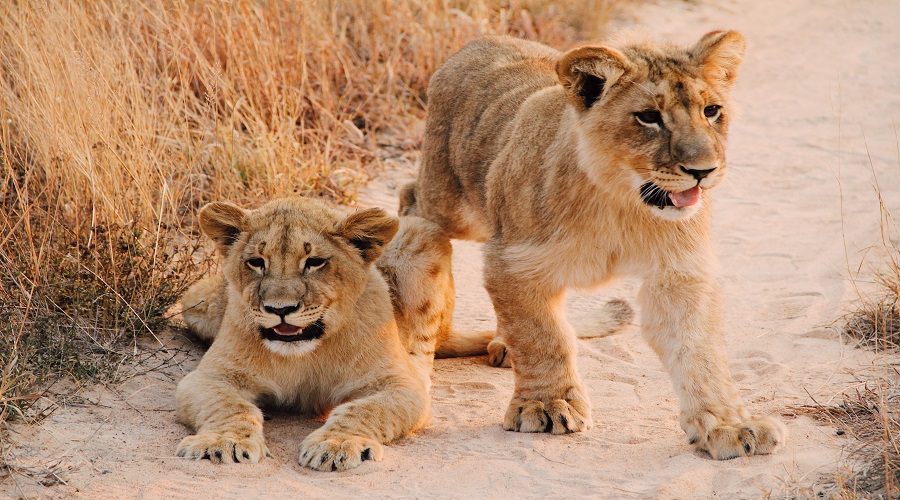
- Time among the granite kopjes, the rocky outcrops that lion prides use as lookouts and cheetah favour for the same reason, with a picnic lunch in the field so you never lose the middle of the day.
- Return to camp toward dusk, or stay out for the last golden hour if the sightings are good. Dinner at camp.
Overnight: Tanzania Bush Camps, central Serengeti. Meals: breakfast, lunch, dinner.
- This is the day that makes a four-day safari worth doing, and it is deliberately not a repeat of yesterday. Your guide plans it around two things: where the wildlife actually is, and the season.
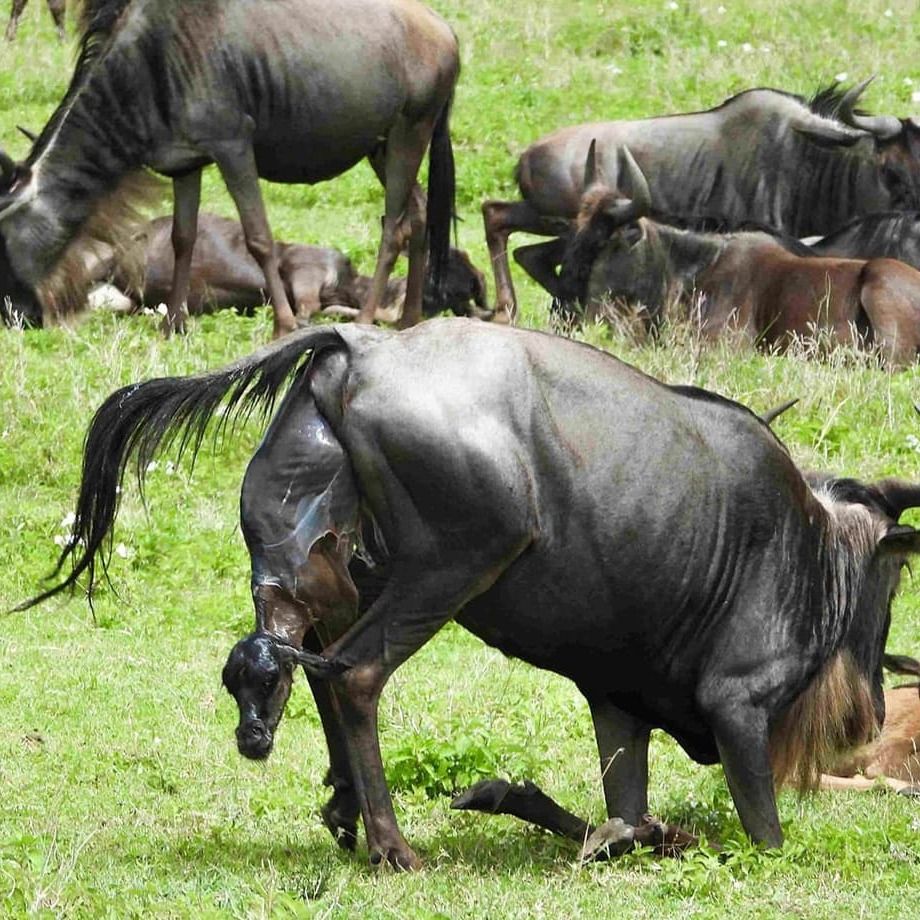
- In the calving and green months, that usually means heading south and southeast onto the short-grass plains, where the migration herds gather and predator activity is at its most dramatic.
- In the dry season, it more often means working north and west along the river systems and the woodland edges, where resident game concentrates around remaining water.
- Either way you cover new ground, and you can return to any outstanding sighting from the previous day. Back to camp for an early dinner and an early night, because tomorrow starts in the dark.
Overnight: Tanzania Bush Camps, central Serengeti. Meals: breakfast, lunch, dinner.
- A very early collection from camp in the dark, and a short drive to the launch site where the balloons are being inflated. Your pilot briefs the group as the burners light up the canvas.
- Lift-off at first light. You drift low and silently over the plains for around an hour, watching the Serengeti wake beneath you, herds moving off, hippo in the river pools and the long shadows of sunrise across the grass.
- On landing, the traditional champagne bush breakfast is laid out in the open, cooked and served in the middle of the Serengeti, which is the part most people talk about afterwards.
- Rejoin your guide for a final game drive as you make your way to the airstrip, then your afternoon flight back to Zanzibar, deliberately scheduled so the balloon morning is never rushed.
- Transfer from Zanzibar airport back to your hotel, in time for dinner and the beach.
Meals: champagne bush breakfast, and lunch where flight timings allow.
Your balloon safari, in detail
Early morning flight over the Serengeti is one of the great experiences in African travel, and on this itinerary it is a fixed part of what you have booked rather than something we try to sell you when you arrive. Here is exactly what is involved.
| Detail | What to expect |
|---|---|
| Cost to you | Included in every price on this page |
| What that covers | The flight, the US$40 park balloon fee, and the champagne bush breakfast on landing |
| When | Early morning on Day 4, lifting off as the sun rises |
| Duration | About one hour airborne, roughly four hours from collection to the end of breakfast |
| The basket | Shared, typically 8 to 16 passengers in compartments, as all Serengeti balloons are |
| Requirements | Usually a minimum age of 7 and the ability to stand unaided throughout. Passenger weights are collected in advance for load planning |
| Weather | Flights cannot go ahead in high wind or storms. See our contingency below |
Why it is worth building the trip around
What makes the balloon worth its place in the itinerary is perspective. From a few hundred feet you see the shape of the ecosystem rather than a slice of it: the game trails threading between waterholes, the river courses, the kopjes standing out of the grass, and in season the herds spread across the plains to the horizon. It is also the only hour of your safari with no engine noise, which changes the whole character of the experience. Photographers rate it for the light; everyone else rates it for the silence.
Our weather contingency, stated plainly
Balloons are grounded by wind and storms, and no honest operator will tell you otherwise. Because this flight is central to the package rather than an optional add-on, we treat a cancellation as our problem rather than yours. We hold your Day 4 flight and, where the schedule allows, we will attempt the previous morning instead so there is a second chance built in. If the flight cannot go ahead at all during your stay, the balloon portion of your payment is refunded in full and you take a sunrise game drive in its place. We would rather refund you than put you in a basket in unsafe conditions.
One logistical point we insist on. Because the balloon finishes mid-morning, your return flight to Zanzibar is always booked for the afternoon on this itinerary. Some operators sell early morning balloon and a morning flight out on the same day, which leaves no margin if the balloon is delayed by even half an hour. We would rather build in the time than have you watching the clock over your champagne.
Your camp: Tanzania Bush Camps
All three nights are spent at Tanzania Bush Camps, a mid-range tented camp in the central Serengeti. We use it for this itinerary for two reasons: it is inside the park, which is what puts you among the wildlife at early morning and dusk rather than an hour's drive away behind a gate, and it is within a practical distance of the balloon launch site, which matters a great deal when your collection time is before early morning.
The tents are proper walk-in safari tents with real beds, en-suite bathrooms and hot water, and there is a shared dining tent and a fire where most people end up after dinner comparing what they saw. It is comfortable rather than luxurious, and we would rather describe it accurately than dress it up: a good bed, a hot shower, generous food and an outstanding location, without the premium that inside-park luxury lodges command.
Why one camp for three nights
Moving camps sounds like variety but usually costs you a morning of packing and a middle-of-the-day transfer, which is time taken directly out of game viewing. Staying put means your bags stay unpacked, your guide learns the area properly over three days, and every hour of good light is spent looking for animals. It also means your balloon morning starts from a camp the drivers already know, which is one less thing to go wrong in the dark.
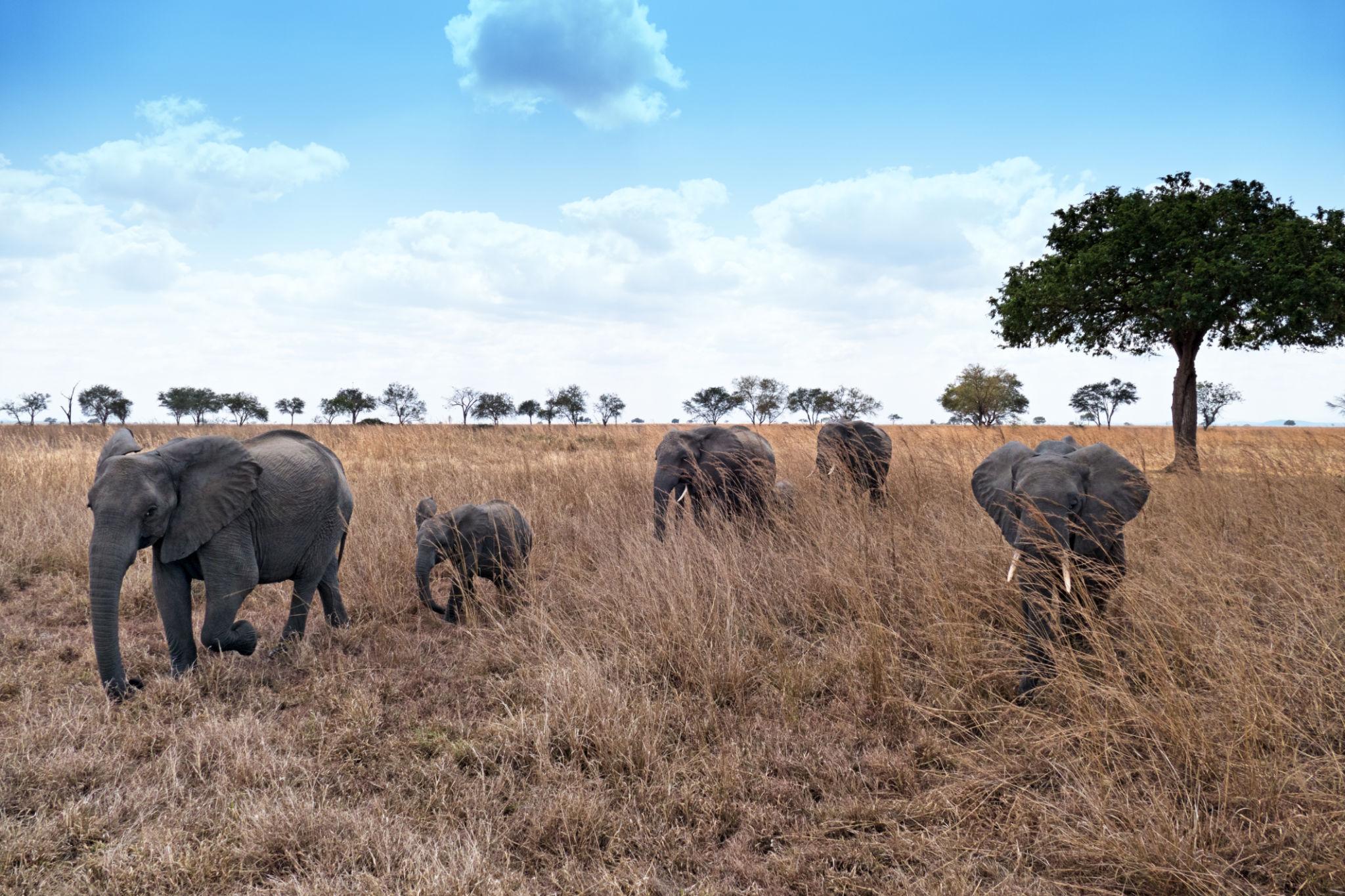
Giants of the Serengeti
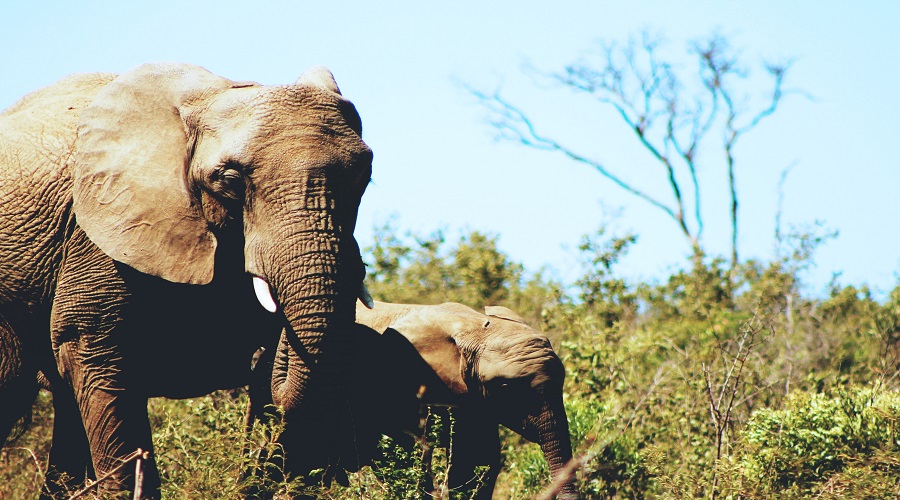
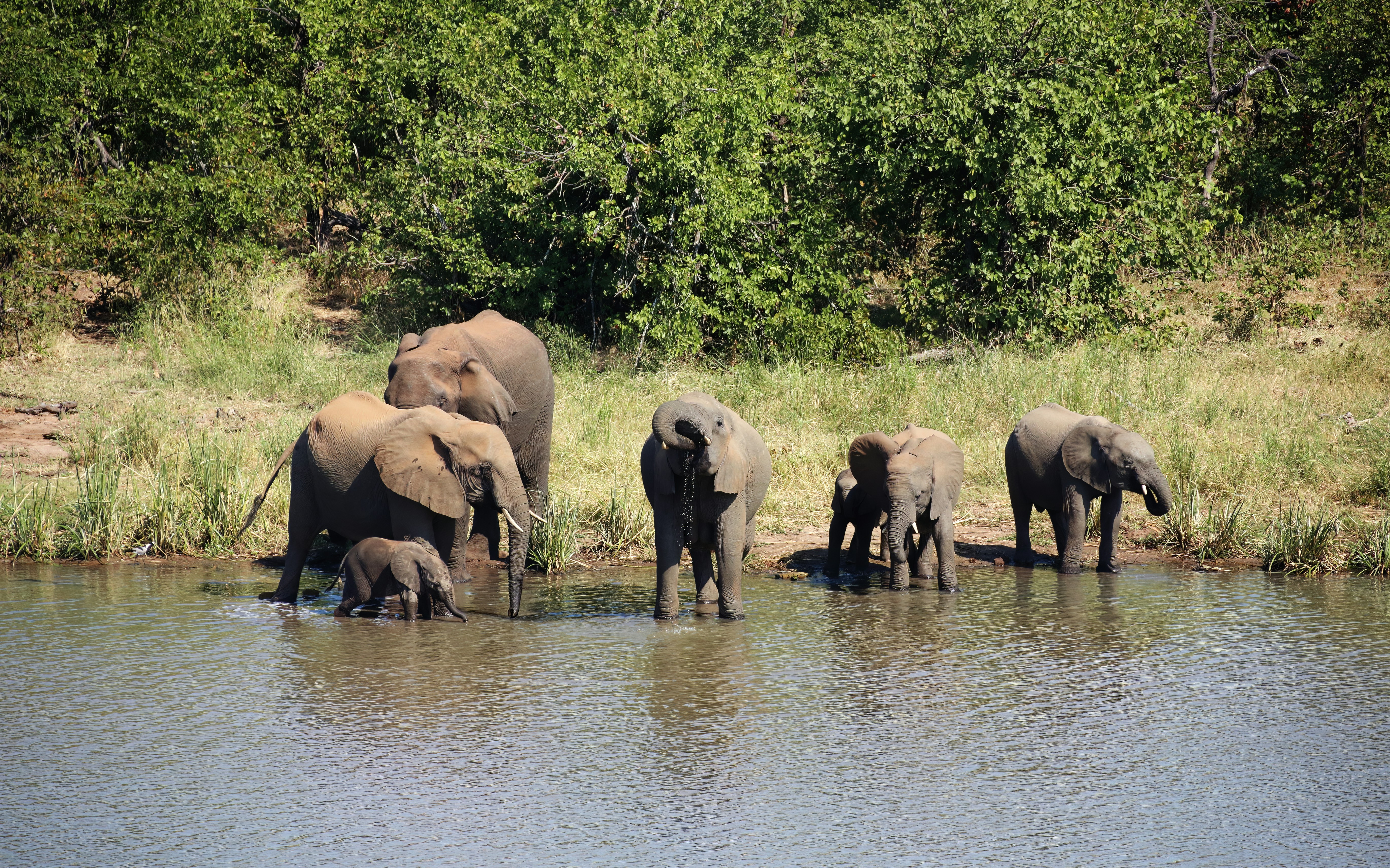
Large elephant herds roam the acacia woodlands and open plains, often passing remarkably close to the safari vehicle. Watching these gentle giants interact with their families is one of the unforgettable moments of a Serengeti safari.
The Elusive Leopard
Leopards are the most secretive of the Big Five and are often found resting in sausage trees or acacias during the heat of the day. A patient guide can turn a distant silhouette into one of the most rewarding wildlife sightings of your safari.
What you will see, honestly
The central Serengeti is one of the great wildlife arenas on earth, and three nights here is enough to see a great deal. Here is an honest guide to what to expect, including one claim you should be sceptical of wherever you read it.
| Animal | Likelihood over three nights |
|---|---|
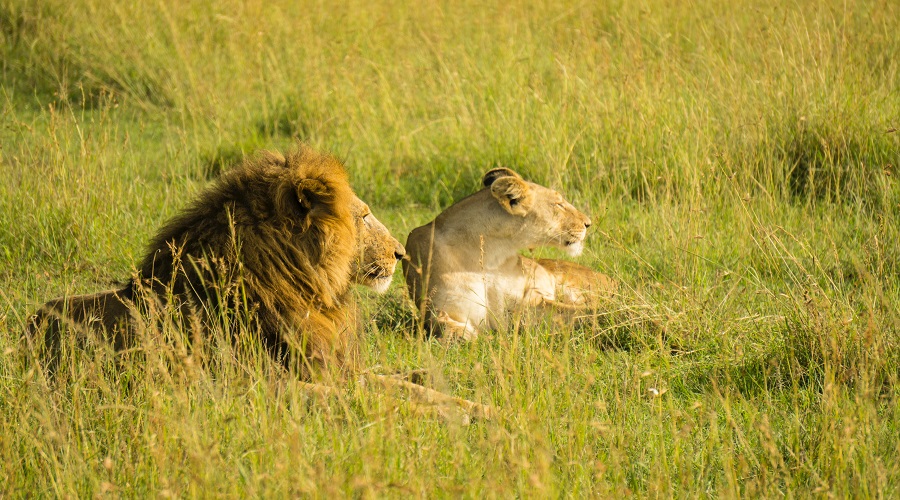
| Lion | Very high, the central Serengeti holds strong resident prides |
| Elephant | High |
| Cape buffalo | High |
| Giraffe, zebra, wildebeest, topi, impala | Very high |
| Leopard | Genuinely possible, the Seronera valley is among the best places to try, but always elusive |
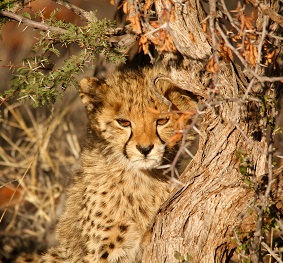
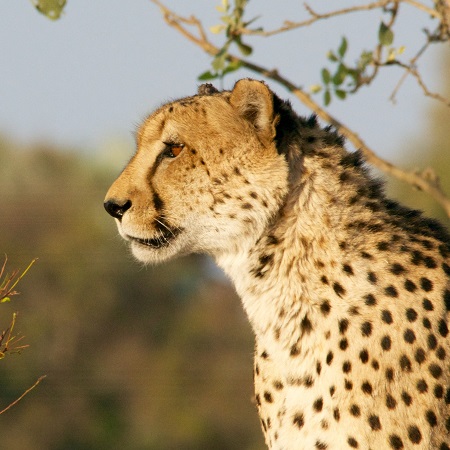
| Cheetah | Good chance on the open plains, better in the shorter grass |
| Spotted hyena, jackal | High |
| Hippo and crocodile | High at the river pools, and often seen from the balloon |
| Great Migration herds | Seasonal, see the month by month guide below |
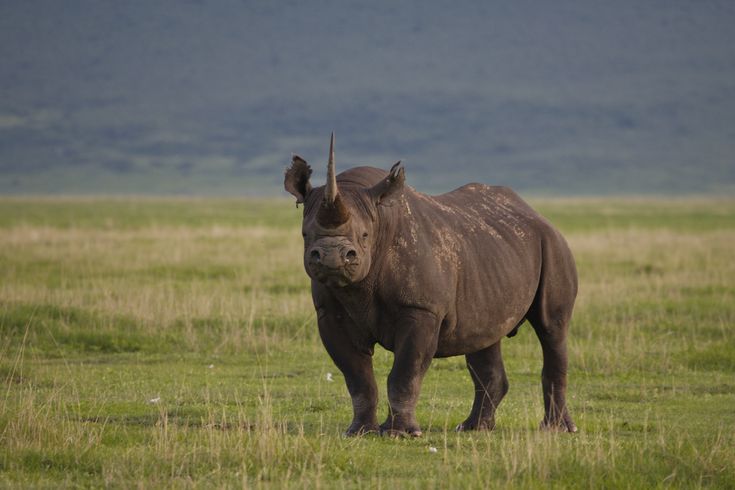
| Black rhino | Effectively unavailable to visitors in the Serengeti |
What three nights in the central Serengeti does reliably deliver is lions, in numbers and often at close range, big herds on open country, and a real chance at the cats that make photographers travel. Leopard and cheetah are never promised by anyone honest, but the Seronera valley and the surrounding kopjes are among the better places in Africa to look for them, and two full days of searching gives you a far better chance than a single afternoon.
The Great Migration, by month
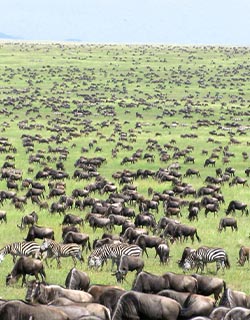
Around two million wildebeest, zebra and gazelle move around the Serengeti through the year following the rains. Where they are depends entirely on your dates, so here is the honest picture rather than a promise.
| Months | Where the herds usually are | What it means for this safari |
|---|---|---|
| December to March | Southern and central Serengeti, calving on the short-grass plains | Excellent. The herds are within reach of camp and the balloon views are extraordinary |
| April to May | Moving north and west, dispersed | Variable, and the wettest time. Balloon cancellations are more likely |
| June | Western corridor and Grumeti | Often reachable on a long day drive |
| July to October | Far north, Mara River crossings | Usually too far north for a central base. Resident game and balloon weather are both superb |
| November | Returning south with the short rains | Can be excellent as the herds move back through the centre |
The important point: the central Serengeti holds outstanding resident wildlife every month of the year, so this safari is worth doing whenever you travel. But if witnessing the migration specifically is your priority, tell us your dates before booking and we will tell you honestly whether the herds are likely to be within reach.
Published group prices, balloon included
We publish our prices rather than making you enquire to find out. All prices are per person sharing and include return flights between Zanzibar and the Serengeti, all park fees, three nights full board and the early morning balloon flight with its park fee and bush breakfast.
| Group size | Price per person | Total for the group | Balloon |
|---|---|---|---|
| 2 travellers | $3,799 | $7,598 | Included |
| 3 travellers | $3,355 | $10,065 | Included |
| 4 travellers | $2,808 | $11,232 | Included |
| 5 travellers | $2,424 | $12,120 | Included |
| 6 travellers | $2,203 | $13,218 | Included |
The per-person price falls as the group grows because the vehicle, the guide and much of the camp cost are shared across your party. Flights, park fees and the balloon seat are the elements that stay per person, which is why the curve flattens toward the larger groups. If you are travelling as a family or with friends, this is the single biggest saving available on any safari, which is why we show it openly instead of burying it.
Per person sharing, 2027 indicative rates with the balloon flight included. Single travellers and single-room supplements are quoted on request. Park fees and balloon rates are reviewed annually, so your exact price is confirmed at the time of quoting.
What's included
- Early morning hot air balloon flight over the Serengeti
- Champagne bush breakfast on landing
- Return domestic flights, Zanzibar to the Serengeti
- Hotel transfers in Zanzibar, both directions
- Airstrip transfers in the Serengeti
- All Serengeti park entry and conservation fees
- Three nights full board at Tanzania Bush Camps
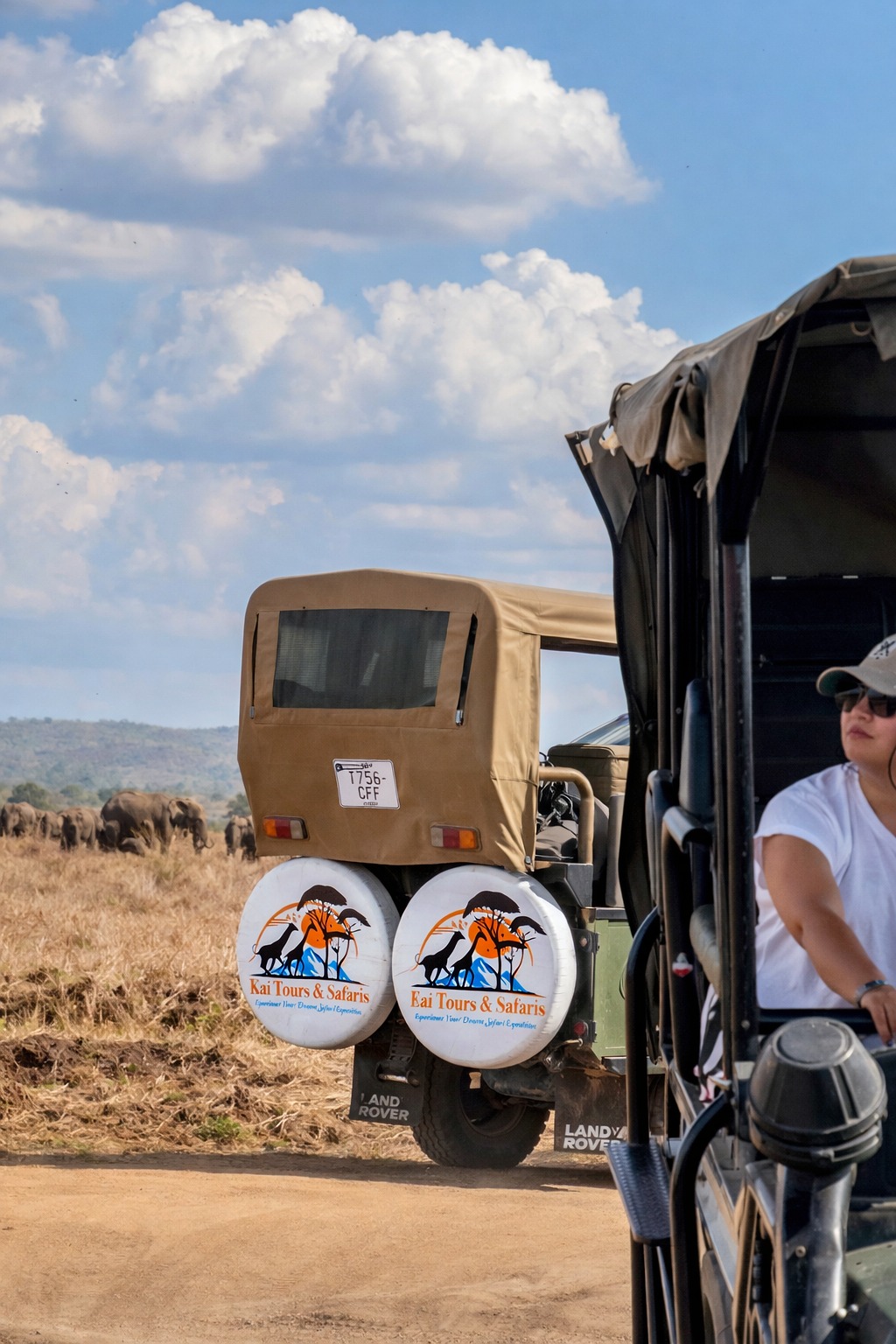
- Private 4x4 with pop-up roof, for your group only
- Professional English-speaking driver-guide
- Unlimited game drives as per the itinerary
- Drinking water throughout
- All government taxes and VAT
Not included
- International flights and Tanzania visa
- Travel and medical insurance
- Alcoholic and soft drinks at camp
- Tips for your guide, pilot and camp staff
- Laundry and personal expenses
- Your Zanzibar accommodation before and after
Note that the balloon, park fees, flights and taxes are genuinely inside the price. It is worth checking this on any quote you compare, because the balloon and the park fees are the two items most commonly left out of a headline figure.
Flights, luggage and logistics
The flight itself
Flights between Zanzibar and the Serengeti are operated by light-aircraft carriers such as Coastal Aviation, Auric Air and Air Excel. Actual flying time to the Seronera airstrip is around 1 hour 40 minutes, and most services make a short stop at Arusha, so allow roughly 3 to 4 hours door to door from your Zanzibar hotel to your first game drive. The aircraft are small, typically 12 to 20 seats, and they fly low enough that the journey is genuinely scenic. Your return flight on Day 4 is always an afternoon departure to accommodate the balloon.
Luggage
The luggage allowance on these aircraft is normally 15 kilograms per person including hand luggage, and bags must be soft-sided so they can be loaded into the hold. This is a firm limit, not a suggestion. Almost every Zanzibar hotel will store your remaining luggage while you are on safari, which is what most of our clients do, so pack a small soft bag for the safari and leave the rest at the coast.
Dressing for the balloon morning
Early morning on the Serengeti is cold, and you will be standing around in the dark before the flight. Bring a fleece or warm layer, closed shoes rather than sandals, and a hat you can hold onto. The burners give off real heat overhead, so a cap is useful, and you will warm up quickly once the sun is up.
Timing your safari within your holiday
We strongly recommend scheduling your safari in the middle of your Zanzibar stay rather than immediately before your international flight home. Light aircraft are occasionally delayed by weather, and a day of buffer removes all the stress. Ask for a window seat on the way out for the views over the coast and the Rift Valley.
Best time to travel
| Season | Months | What to expect |
|---|---|---|
| Dry season | June to October | The easiest game viewing, the most reliable balloon weather and the best overlap with good Zanzibar beach conditions. Busiest and priciest, and the migration is in the far north |
| Calving season | December to March | Migration herds in the south and centre, superb predator action and spectacular balloon views over the herds. An excellent time for this central Serengeti base |
| Green season | April, May and November | Quietest and best value, lush scenery and excellent birding. Expect rain, and note that balloon cancellations are most likely in April and May |
For the combination of reliable game viewing, reliable balloon weather and reliable beach conditions, June to October is the strongest window. For the migration within reach of camp and the most dramatic views from the basket, aim for the calving months from December to March. Because the central Serengeti holds resident wildlife year round, there is no month in which this safari does not work.
Compare our Zanzibar fly-in safaris
This is one of several fly-in options from the island, and the only one with a balloon flight built in. Here is how they line up, so you can pick honestly rather than by price alone.
| Safari | Parks | Nights | Balloon | From (pp) |
|---|---|---|---|---|
| Mikumi fly-in day trip | Mikumi | None | No | $450 |
| 3-Day Tarangire, Ngorongoro & Lake Eyasi | Three, incl. the crater | 2 | No | $1,650 |
| 2-Day Serengeti fly-in | Serengeti | 1 | No | $1,800 |
| 4-Day Serengeti fly-in (this trip) | Serengeti | 3 | Included | $2,203 to $3,799 |
Choose this 4-day trip if you want the Serengeti properly, with the balloon as part of the experience rather than a decision to make later. Choose the 2-day if you want a taste of the plains at the lowest Serengeti price. Choose the 3-day northern trip if you would rather see three different parks including the Ngorongoro Crater and its rhino. New to all of this? Start with our first-timer's guide to the Serengeti, or our Zanzibar first-timer's guide if you are still planning the beach half of the trip.
How to book
- Send us your details. Travel dates, group size, your Zanzibar hotel, and passenger ages for the balloon.
- We confirm and quote. We check flight seats, camp space and balloon places, and send an exact, all-inclusive price, usually within a few hours.
- Secure your dates. A 30 percent deposit confirms the booking, by bank transfer or card.
- We arrange everything. Flights, transfers, camp, park fees, vehicle, guide and your balloon places, under one confirmed itinerary.
- Pack light and go. The balance is due before the safari begins. Bring a 15 kilogram soft bag and a warm layer for the balloon morning.
Justus Kahwa
Safari Operations Manager, Kai Tours & Safaris.
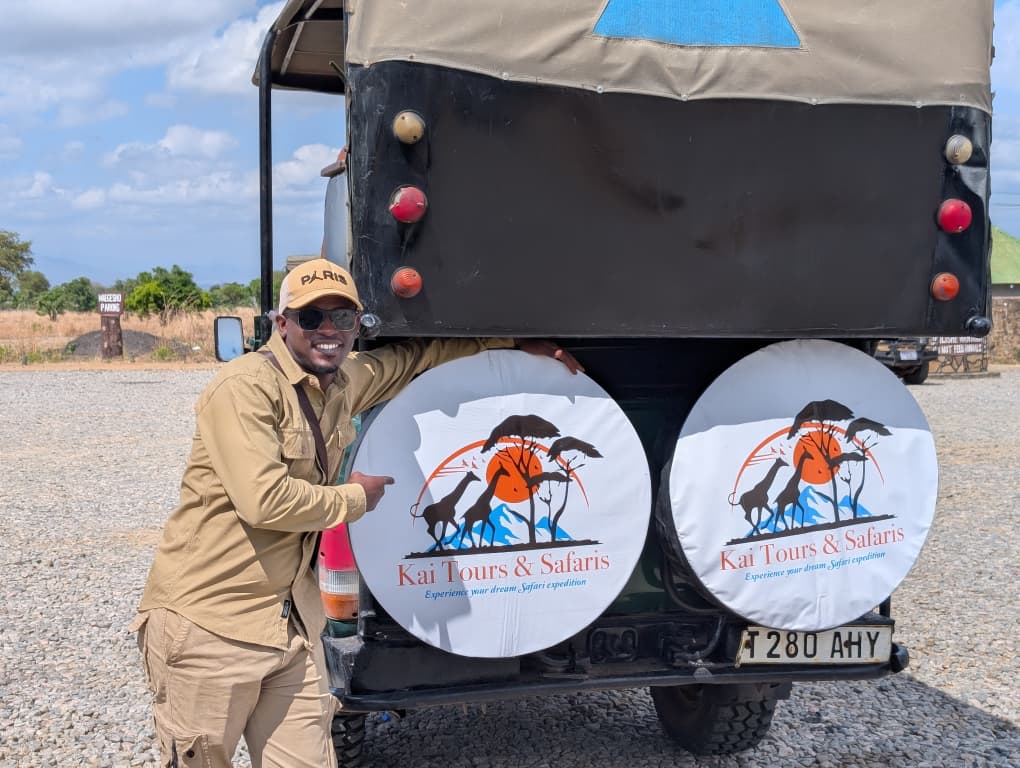
Plans fly-in safaris from Zanzibar every week, publishes prices openly, and builds the balloon into the trip rather than selling it to you at the campfire.