Short answer: yes, if your time or budget is limited, or you are based in Dar es Salaam or Zanzibar. Mikumi is a genuine safari, with lions, elephants, giraffes, buffalo and hippos on an open floodplain that people call a mini-Serengeti, and it is the easiest major park to reach in southern Tanzania. What it is not is a substitute for the density of the northern circuit or the boat safaris of Nyerere. This guide gives you the honest picture: the animals you will really see, how Mikumi compares to Nyerere, the former Selous and Ruaha, who it suits, and how to visit. No hype, just what to expect.
What is Mikumi National Park
Mikumi is the fourth-largest national park in Tanzania, covering roughly 3,230 square kilometres in the south of the country, near the town of Morogoro. It sits on the northern edge of a vast wilderness that continues into Nyerere National Park, the former Selous, so the two share wildlife and an ecosystem. The main road from Dar es Salaam to the south runs straight through the park, which is both its charm and the reason it is so easy to reach.
Its heart is the Mkata Floodplain, a wide expanse of open grassland dotted with acacia and borassus palms that draws frequent comparison to the southern Serengeti. This openness is what makes Mikumi such a rewarding place to watch wildlife: the plains give you long, clear views, so animals are easier to spot than in the thick bush of some other southern parks. For many visitors arriving from the coast, Mikumi is their first real taste of the African savannah.
2 Days Mikumi Safari From Zanzibar : View & Book NowIs a Mikumi safari worth it? The honest answer
Yes, with a clear understanding of what you are getting. Mikumi is a genuine safari, not a watered-down one, and for the right traveller it is outstanding value. But honesty matters more than sales talk here, so let us be plain about who it is and is not for.
Mikumi is worth it if you...
- Are based in Dar es Salaam or Zanzibar and want a real safari without flying to the northern circuit
- Have only a day or two to spare
- Want an affordable safari that still delivers lions, elephants and giraffes
- Prefer open, easy game viewing on a floodplain
- Are taking a first safari and want to keep it simple
Look elsewhere if you...
- Want the sheer density and drama of the Serengeti or Ngorongoro Crater
- Are set on a boat safari or seeing wild dogs, which Nyerere does better
- Expect to see rhino, which are effectively absent from Mikumi
- Want the remote, exclusive wilderness of Ruaha
- Have the time and budget for a full northern or deep-southern safari
The verdict: Mikumi is the most accessible real safari in Tanzania, and for a short trip or a coastal base it is genuinely worth it. Judged as the best safari in the country it falls short, because it was never trying to be that. Judged as an affordable, easy, authentic introduction to the African bush, it succeeds completely, and thousands of first-time visitors leave delighted.
What animals are in Mikumi
This is the question people ask most, so here is the honest wildlife picture, with how likely you are to see each on a typical game drive.
| Animal | Likelihood at Mikumi |
|---|---|
| Masai giraffe | Very high, the emblem of the park |
| Elephant | High |
| Cape buffalo | High, often in large herds |
| Zebra, wildebeest, impala, eland | Very high, on the floodplain |
| Lion | Good, the Mkata Floodplain is the best area |
| Hippo | Very high, at the Hippo Pools |
| Greater kudu, sable antelope | Present in the miombo woodland, a special sighting |
| Yellow baboon, warthog | Common |
| African wild dog, spotted hyena | Occasional, an exciting bonus |
| Leopard | Present but elusive, rarely seen |
| Cheetah | Not a feature of Mikumi |
| Black rhino | Effectively absent |
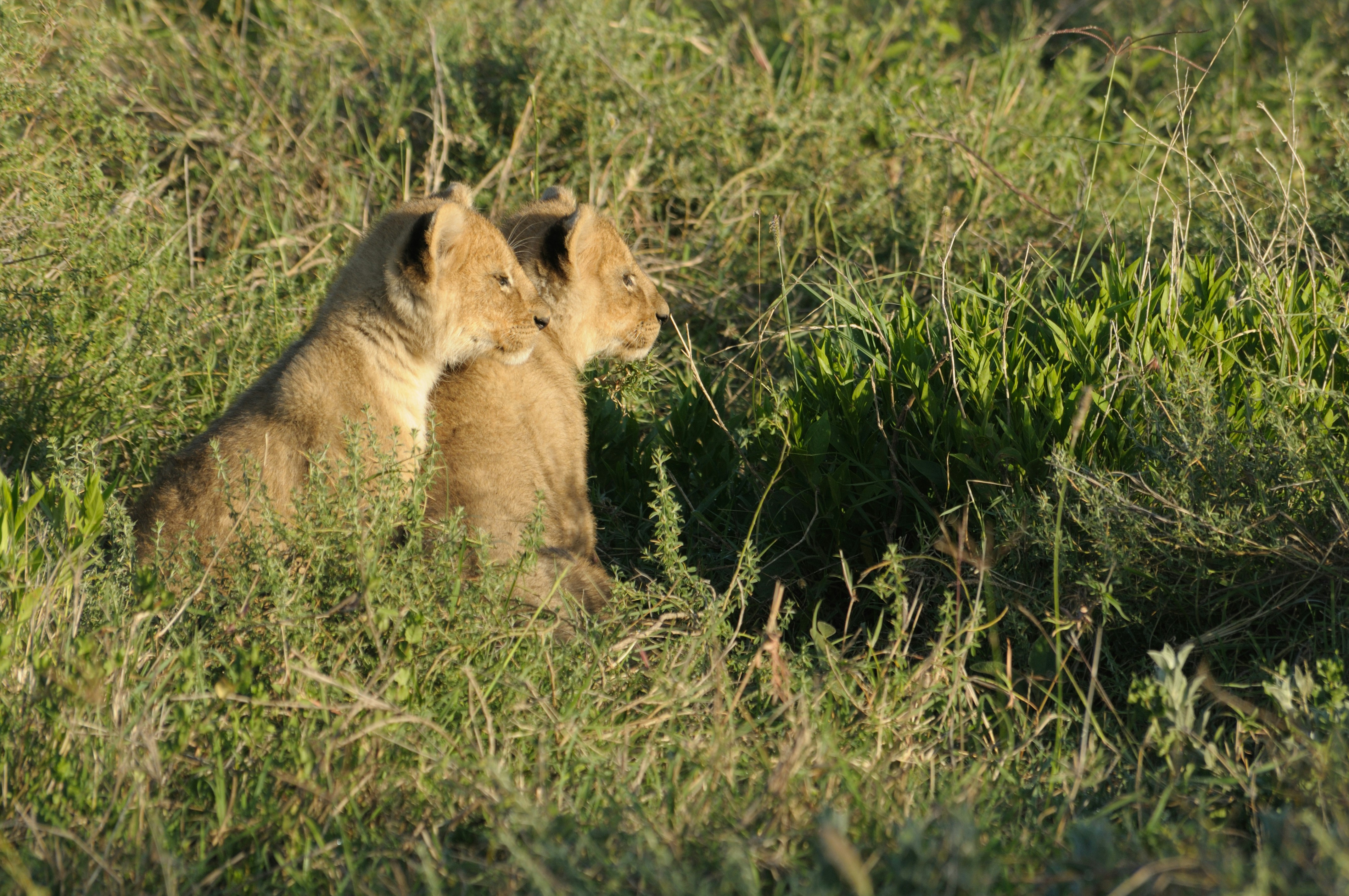
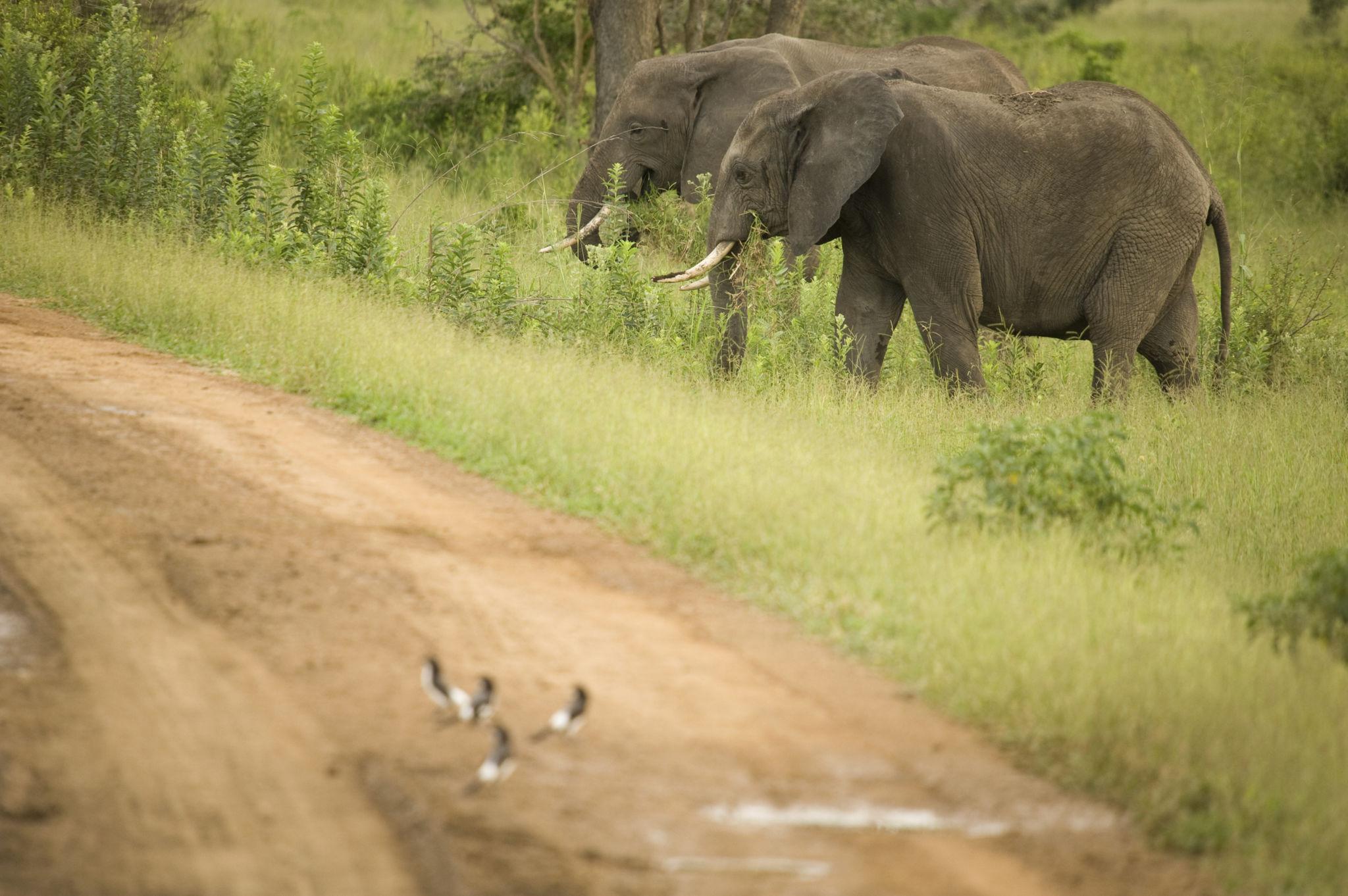
So Mikumi gives you a strong chance of what many people come for: lions, elephants, giraffes, buffalo and huge herds of grazers on open plains, plus hippos at close range. The Big Five is not the right frame here, because rhino are effectively gone and leopard are rarely seen, so think of Mikumi as a big-general-game park with a good lion chance rather than a Big Five destination. The sable antelope, one of Africa's most beautiful and hard-to-see antelopes, is a genuine prize in the woodland for those who look. Mikumi is also a fine birding park, with over 400 recorded species, from the lilac-breasted roller to the bateleur eagle.
View & Book Best 1-Day Mikumi Safari from Dar es SalaamThe Mkata Floodplain, the mini-Serengeti
If Mikumi has one signature, it is the Mkata Floodplain in the north of the park. This broad, open grassland is what earns Mikumi its mini-Serengeti nickname, and it is where most of the memorable game viewing happens. Herds of buffalo, zebra and wildebeest graze the plains, giraffes browse the scattered acacias, and the resident lion prides are most often found here, sometimes climbing the trees, a behaviour Mikumi shares with a handful of other Tanzanian parks.
The comparison to the Serengeti is about the landscape and the openness, not the scale of the wildlife, which is lower than in the great northern park. But for a visitor who wants to sit on an open plain and watch the African savannah go about its day, without a great deal of driving, the Mkata Floodplain delivers exactly that. The Hippo Pools, near the main gate, are a reliable highlight, where you can watch pods of hippos and a rich cast of waterbirds.
Mikumi vs Nyerere (the former Selous)
This is the comparison people agonise over most, because Mikumi and Nyerere are the two obvious southern-Tanzania choices, and they share an ecosystem. The former Selous Game Reserve is a source of confusion, so to be clear: in 2019 the northern part of the Selous became Nyerere National Park, which is now the headline safari destination, while the name Selous still appears in older listings. Here is how the two compare.
Top 2 Days Mikumi Safari from Dar es Salaam| Mikumi | Nyerere (former Selous) | |
|---|---|---|
| Access | Easy, road or SGR train from Dar, or fly-in | Fly-in, or a longer drive |
| Cost | Lower, best value | Higher |
| Boat safari | No | Yes, on the Rufiji River, a highlight |
| Wild dogs | Occasional | One of the best places in Africa |
| Wilderness feel | Roadside in parts, less remote | Vast, remote, exclusive |
| Best for | Short, affordable, accessible trips | A deeper, wilder multi-day safari |
The honest verdict: if you have the time and budget, Nyerere is the richer safari, and the boat safari alone is a reason to choose it. But if you are short on either, Mikumi gives you a real safari for far less effort and cost. Many of our clients from Zanzibar do a Mikumi day trip precisely because Nyerere would need more time and money than they have. Neither is wrong; they simply suit different trips. We run fly-in day trips to Nyerere from Zanzibar too, if the boat safari appeals.
Nyerere vs Ruaha, and where Mikumi fits
Travellers researching the south often run into a second comparison: Ruaha versus the former Selous. Ruaha is Tanzania's largest national park, a remote, rugged wilderness in the centre of the country, famous for enormous lion prides, big predator action, and antelopes like sable and greater kudu. It has a wildness and a lack of crowds that few parks match.
Between the two, Ruaha is the stronger choice for predators and pure wilderness, while Nyerere is the stronger choice for the boat safari, water-based wildlife and variety. Both are more remote and more expensive than Mikumi, and both usually involve flying in. Mikumi sits at the accessible, affordable end of this southern trio: it does not match Ruaha for predators or Nyerere for the boat experience, but it asks far less of your time and budget, and it is the only one of the three you can realistically visit on a day trip. Think of it as the gateway to the south rather than its wildest corner.
3-Day Mikumi Fly-in Safari from ZanzibarMikumi vs the northern circuit
It is worth being clear about how Mikumi compares to the famous northern parks, because many people weighing up Mikumi are really asking whether they are missing out. The northern circuit, the Serengeti, the Ngorongoro Crater, Tarangire and Lake Manyara, offers greater wildlife density, the Great Migration and the rhino of the crater. For a once in a lifetime safari with time and budget to match, the north is hard to beat.
But the north is a long way from the coast and costs more to reach. Mikumi's advantage is simple: it is right there, a few hours from Dar es Salaam or a short flight from Zanzibar. If you are on a beach holiday in Zanzibar and want to add a genuine safari without a major detour, Mikumi makes that possible in a way the northern circuit does not. It is not a competition; they serve different trips. Our first-timer guide to the Serengeti covers the northern option if you have the time.
Mikumi Vs Serengeti Safari GuideWho should visit Mikumi
- Zanzibar beach holidaymakers who want to add a real safari day without flying to the north.
- Dar es Salaam residents and visitors looking for the closest genuine safari, reachable by road or the SGR train.
- Budget and first-time safari-goers who want lions, elephants and giraffes without a large outlay.
- Families and those short on time, because the open plains and easy access make for a relaxed, rewarding day.
- Birders, thanks to the park's 400-plus species and varied habitats.
If you are none of these, and you have a week and a generous budget, you will likely be happier on the northern circuit or a deeper southern safari. But for the traveller Mikumi is designed for, it is one of the best value safaris in Africa.
How to visit Mikumi, and what it costs
Mikumi is unusually flexible to reach, which is a large part of its appeal. There are three main ways in.
| From | How | From (per person) |
|---|---|---|
| Dar es Salaam | SGR train or road, day trip or overnight | ~$295 |
| Zanzibar | Fly-in day trip or multi-day safari | ~$595 |
| On a southern circuit | Combined with Nyerere or Ruaha over several days | On request |
Indicative 2027 starting prices per person, including park fees. Final prices depend on group size, season and whether flights are included.
The most popular options we run are the Mikumi day trip from Dar es Salaam by SGR train and the Mikumi fly-in safari from Zanzibar. Both include your park fees, a private 4x4 and a professional guide, and both can be extended to two or more days for a more relaxed experience. See all our 1-day Tanzania safaris for the full range.
Best time to visit Mikumi
Mikumi is a genuine year-round park, because the wildlife on the Mkata Floodplain is largely resident, but the seasons do change the experience.
| Season | Months | What to expect |
|---|---|---|
| Dry season | June to October | Best game viewing, animals gather near water, easiest spotting. The most popular time. |
| Green season | November to May | Lush and quiet, excellent birding as migratory species arrive, lower prices. Some afternoon rain, wildlife more scattered. |
For the best big game, choose the dry season from June to October. For green scenery, birds and lower prices, the green season rewards those who do not mind a shower. Because Mikumi holds resident wildlife all year, there is no genuinely poor time to visit, which is another reason it works so well as a flexible, add-on safari.
Frequently asked questions
Thinking about a Mikumi safari?
Tell us where you are staying and how much time you have, and we will recommend the right way to visit and send an honest quote, usually within a few hours. Park fees are always included.
Popular Mikumi and Southern Safaris
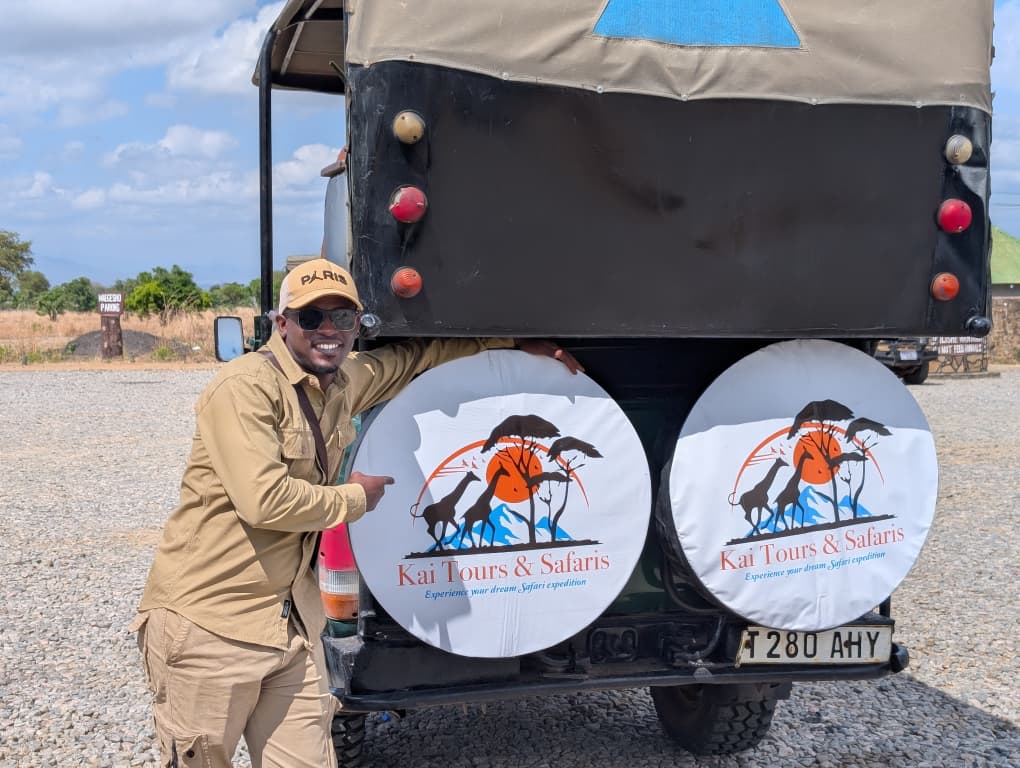
Justus Kahwa
Safari Operations Manager, Kai Tours & Safaris
Runs Mikumi and Nyerere safaris from the coast, and would rather tell you honestly which southern park fits your trip than sell you the most expensive one.