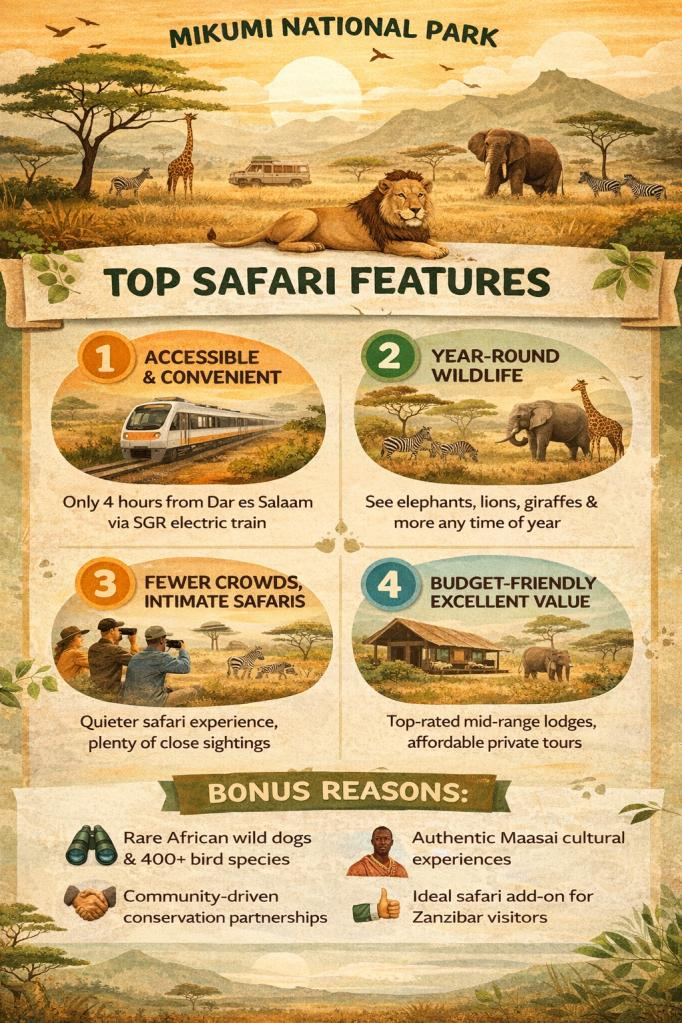
For many travelers dreaming of seeing Africa’s majestic wildlife, images of vast plains and grazing elephants often conjure thoughts of Serengeti or Ngorongoro. Yet, a growing number of visitors from Europe, North America, Zanzibar, and Dar es Salaam are discovering a lesser-spoken gem: Mikumi National Park. Over the last several years, Mikumi has quietly risen in global safari appeal, not by out-shouting bigger parks, but by delivering a meaningful safari experience that doesn’t compromise reality for spectacle.
This narrative isn’t just about geography, it’s about how essential safari experiences are evolving to match the priorities and realities of modern travelers: limited time, environmental curiosity, cultural connection, value-driven choices, and accessibility without crowds.
The Heart of Mikumi: The Mkata Floodplain
At the core of Mikumi’s allure lies its iconic landscape: the Mkata Floodplain, a sweeping expanse of golden savannah that can seem like a miniature Serengeti to the untrained eye. Here, herds of zebras, wildebeests, and antelopes gather alongside elephants, giraffes, and buffalo, making wildlife viewing consistent and rewarding.
Unlike the Serengeti, where seasonal migration is the big spectacle sought by seasoned safari travelers, Mikumi offers predictable year-round wildlife viewing. Animals don’t disappear with seasonal patterns; they remain in pockets of grassland and water sources that can be accessed even during short safari breaks. This reliability has made Mikumi especially popular for Europeans and Americans who may have limited vacation days and want guaranteed sightings without long, complex itineraries.
Accessibility: A Core Reason for Mikumi’s Rise
One of the silent engines of Mikumi’s growing trend is accessibility. The park is located roughly a 3-hour drive from Dar es Salaam via SGR railway and connected by a good paved road. It’s comparatively straightforward to reach via road or flight from Zanzibar, particularly if travellers combine a beach holiday with a wildlife adventure.
For visitors based in Zanzibar or Dar es Salaam, this proximity is transformational. Whereas Serengeti safaris typically require a long road transfer or an internal flight from northern hubs like Arusha or Kilimanjaro, Mikumi can be reached from coastal gateways with minimal transit time. This flexibility allows:
- Short safaris (1–3 days) without sacrificing wildlife viewing quality
- Fly-in options with minimal schedule disruption for beach vacationers
- Family-friendly arrivals and departures tied to Zanzibar resorts
Travelers who might otherwise skip a safari due to time constraints are now finding that Mikumi doesn’t ask for a week of commitment to deliver adventure.
An Intimate Safari Experience—Away from the Crowds
While the Serengeti’s fame brings crowds, dozens of jeeps around wildlife sightings, and a global safari spectacle, many travelers are beginning to ask a simple question: Is constant crowding part of the experience I want?
Mikumi’s appeal, in contrast, lies in its intimacy:
- Fewer safari vehicles, even during peak season
- More open plains where wildlife tends to be accessible without competition
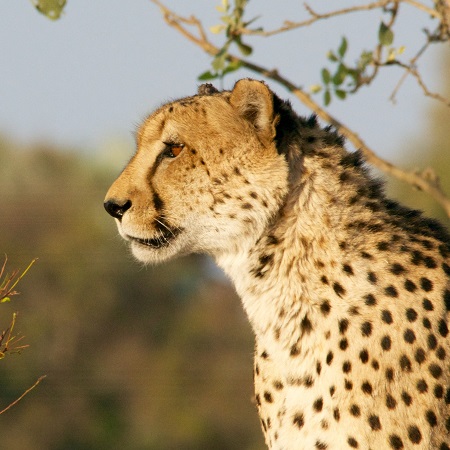
- Quiet moments with big cats, elephants, and giraffes without vehicle congestion
This quieter safari framework appeals strongly to European couples and American small groups who want unobstructed photographic opportunities, peaceful encounters, and a sense of being alone in the wild without battling throngs of tourists.
Diverse Wildlife Without the Migration Hype
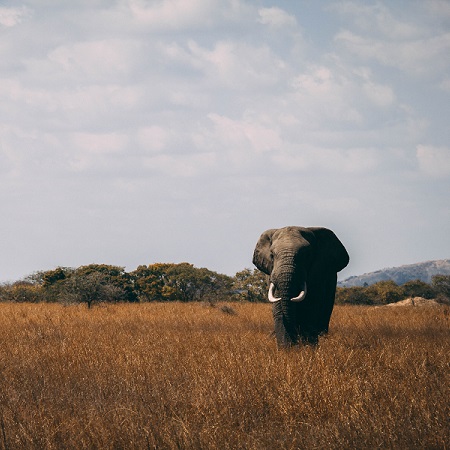
Mikumi’s wildlife roster rivals that of bigger parks, with lions, elephants, giraffes, buffalo, elands, wildebeest, and a wide variety of birdlife. In fact, over 400 bird species have been recorded in the park, offering rich bonuses for avian enthusiasts.
Some features that make Mikumi stand out include:
- Its known populations of African wild dogs, a rare and endangered species that safari travelers hope to glimpse.
- Rich birding opportunities that draw niche travelers focused on ornithology.
- Sculpted landscapes that include floodplains, open savannah, miombo woodlands, and nearby mountainous backdrops.
Travelers who love diversity without overwhelming scale find Mikumi’s ecological composition intimate, accessible, and visually compelling.
Beyond Game Drives: Cultural and Conservation Value
Mikumi’s appeal isn’t limited to the animals themselves. The park lies within a broader ecological tapestry connected to the Selous ecosystem, one of Africa’s largest wildlife landscapes. Its community and conservation programs, often overlooked in standard safari narratives, mean that visiting Mikumi supports local economic development and sustainability efforts.
These collaborations, such as employment pathways for village guides and human-wildlife conflict mitigation projects, resonate with travelers from Europe and America increasingly interested in responsible tourism. Visiting Mikumi becomes not just a wildlife spectacle, but a purposeful engagement with conservation ethics.
Value-Driven Safari for Modern Travelers
Safari pricing and logistics have long been barriers to entry for budget-minded explorers. The Serengeti often carries a premium due to its branding, migration draw, and high-end lodges. Mikumi, on the other hand, offers:
- Lower overall costs for short safaris ($250 to $600)
- Flexible private and group safari packages
- A wide range of accommodations from budget to mid-range and luxury
- Fly-in or road safari options that save valuable vacation time
For travelers who want maximum wildlife viewing per dollar and per day, Mikumi has become, increasingly, a smart alternative or complement to northern parks.
Why Travelers Keep Choosing Mikumi National Park
Ask travelers returning from Mikumi what they remember most, and what surfaces consistently is emotion paired with simplicity:
- Morning light on grazing giraffes, with silence broken only by the whisper of tires on savannah tracks
- Close elephant sightings without dozens of guide vehicles
- Birdlife that delights even seasoned ornithologists
- Serene evenings under starlit skies near campfires or in modest safari lodges
Unlike the sometimes frenetic chase for a migration crossing in the Serengeti, Mikumi’s experience feels unhurried yet deeply rewarding. This shapes the way visitors internalize their safari: not as a checklist destination, but as a place of connection and reflection.
A Pandemic Effect: Safari Planning Shifts
Global travel trends in recent years have shifted travelers’ behavior. Many visitors now prefer:
- Shorter, high-impact travel segments
- Experiences with meaning and depth
- Locations that combine wildlife, culture, and immersive landscapes
- Trips that accommodate slower pacing and personal connection
Mikumi fits this pattern: it can be done efficiently in a short window yet offers enough diversity to make travelers feel fully connected to Africa’s wilderness narrative. For Zanzibar travelers especially, a Mikumi safari can be a quick and powerful add-on to an ocean beach holiday.
Comparing Mikumi to Serengeti: Not Better, But Exceptionally Different
Discussing Mikumi requires nuance. The Serengeti’s fame is rooted in the Great Migration, a natural phenomenon unmatched anywhere else on Earth and a major reason Serengeti remains the ultimate safari dream for many.
Mikumi does not have a similar spectacle of migration, but what it lacks in scale it makes up for in:
- Ease and convenience from coastal gateways like Zanzibar and Dar es Salaam
- Consistent wildlife viewing year-round without needing precise seasonal timing
- A quieter, more peaceful safari vibe that still delivers classic wildlife sightings
- More affordable and flexible safari planning for short or extended stays
In essence, Mikumi isn’t competing with Serengeti in scale, but complements it by offering an alternative safari narrative tailored for travelers who prioritize experience quality, accessibility, and value.
Tourism Trends Toward 2027: Why Mikumi Will Continue Growing
Looking toward 2027, several trends point to sustained and growing interest in Mikumi:
- Continued Growth in Short-Break Safari Tourism: As work and life patterns increasingly favor travel fragmentation (multiple shorter trips rather than one long vacation), destinations like Mikumi that deliver impactful experiences in 2–4 days will continue to grow.
- Rising Demand for Combined Safari + Beach Holidays: Travelers from Europe and America consistently ask for multi-destination packages that include coastal relaxation and wildlife adventure. Mikumi’s proximity to Zanzibar makes it a natural fit and this trend is expected to strengthen by 2027.
- Responsible and Sustainable Travel Aspirations: Travelers more than ever want their tourism dollars to support conservation and local communities. Mikumi’s collaborations with nearby villages and focus on sustainable tourism outcomes align with these preferences.
- Diversification of African Safari Markets: Tourists are increasingly exploring less mainstream safari destinations to avoid crowds, find authentic experiences, and tell deeper stories of engagement. Mikumi’s growing presence on safari itineraries suggests it will gain momentum as a preferred second destination after Serengeti or even as a standalone highlight.
Conclusion: The Safari That Feels Personal
Mikumi National Park isn’t just a “smaller Serengeti.” It’s a place that offers its own version of Africa’s wild heart, accessible, serene, reliably wildlife-rich, and deeply emotive. For travelers with limited time, budget considerations, or a desire for more relaxed safari experiences, Mikumi is emerging as the go-to choice for safari discovery.
By 2027, as safari tourism continues to evolve and diversify, Mikumi’s story is likely to be told more frequently, not as an alternative to Serengeti, but as a standalone safari destination of choice for the modern traveler.
Frequently Asked Questions About Mikumi National Park
Location of Mikumi National Park
Recommended Mikumi Safari Packages
Best Mikumi Safari Packages 2026-2027
Experience the magic of Mikumi with our expert guides. Perfect for short trips from Zanzibar or Dar es Salaam.
VIEW ALL SAFARIS WHATSAPP USContact our Safari Specialist:
Call: +255 672 530 415 |
Email: info@kaitoursandsafaris.com
Written By:
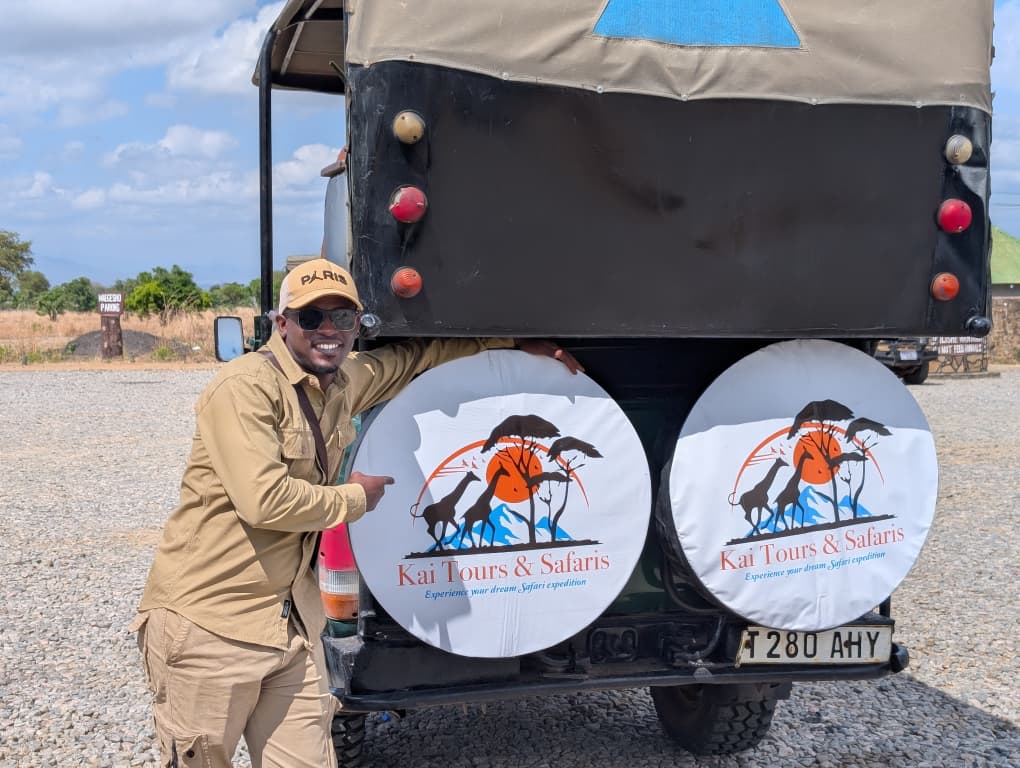
Justus Kahwa (@mr_jmasterz)
Why Kai Tours?
Kai Tours and Safaris is the premier local touring company in Tanzania. We pride ourselves on deep local expertise, professional service, and a passion for showing you the true heart of Africa.