Why Travelers Planning a Mikumi Safari Should Pay Attention to Global Politics
At first glance, it may seem strange that policies connected to Donald Trump could have anything to do with a wildlife safari between Dar es Salaam and Mikumi National Park. After all, Mikumi is known for its open savannah, lion sightings, and easy access from Tanzania’s commercial capital—not global politics.
But modern tourism is deeply connected to international economics.
Decisions made in Washington, oil market reactions in the Middle East, and global transport costs all quietly influence how much travelers pay for safaris, how operators price tours, and how Tanzania’s domestic tourism sector grows.
For travelers planning Mikumi safaris in 2026–2027, the real question is not politics. The real question is:
How do global economic decisions affect the cost, availability, and experience of a Mikumi safari?
Understanding this helps travelers:
- Plan better travel budgets
- Book at the right time
- Understand price changes
- Choose the right safari packages
This article explains the real connections without political bias, focusing only on economic and tourism realities.
The Hidden Link Between Global Leadership and Local Tourism
Tourism does not operate in isolation.
A Mikumi safari depends on:
- Fuel for safari vehicles
- Imported vehicle parts
- Exchange rates
- International travel demand
- Global airline stability
When major economic powers shift policies affecting trade, energy, or currency markets, the effects eventually reach even local safari destinations.
This is why global economic policies associated with leaders like Donald Trump can indirectly influence safari markets worldwide, including Tanzania.
The most important connection is fuel.
Fuel Prices: The Real Bridge Between Global Politics and Mikumi Safari Costs
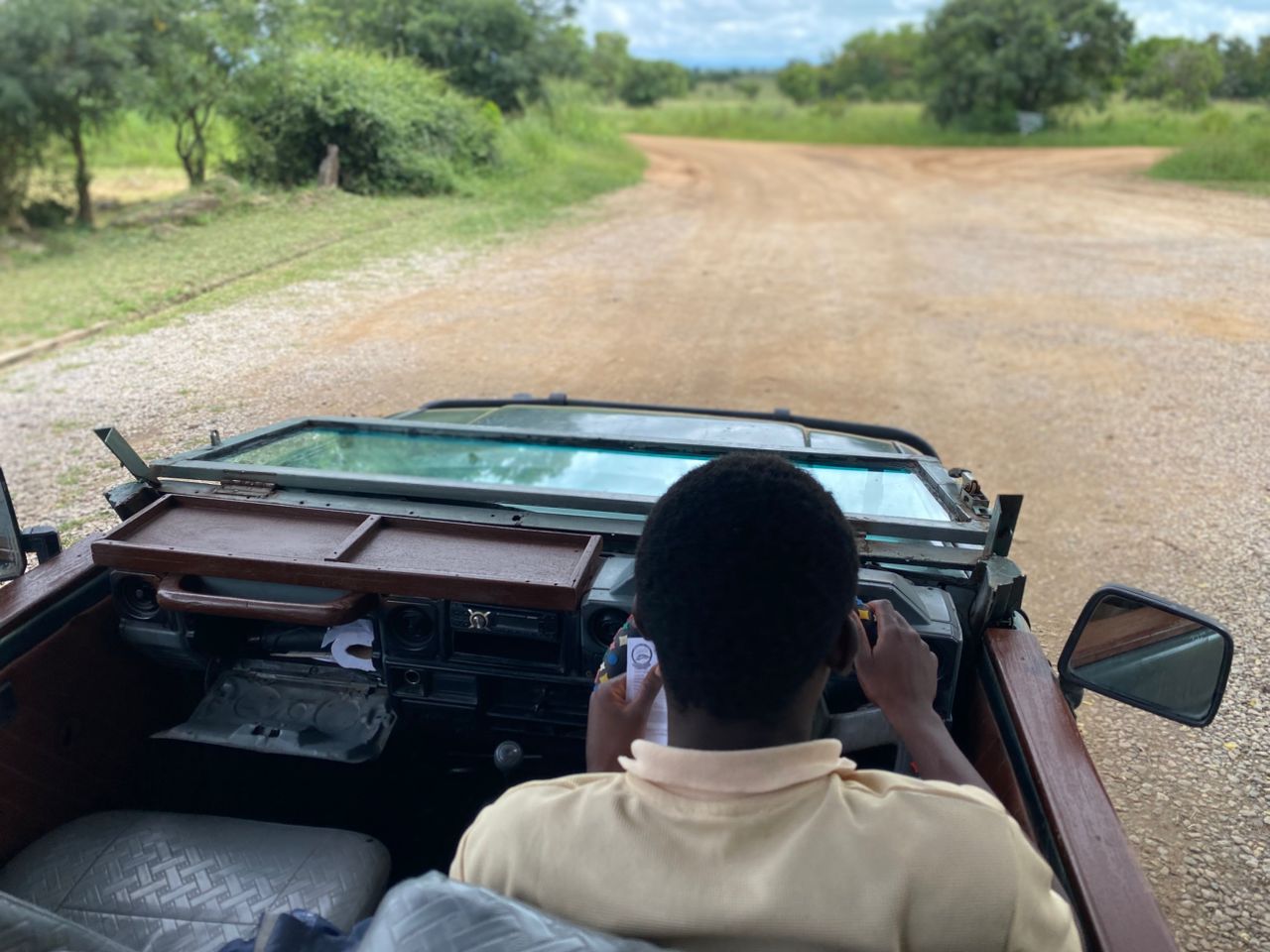
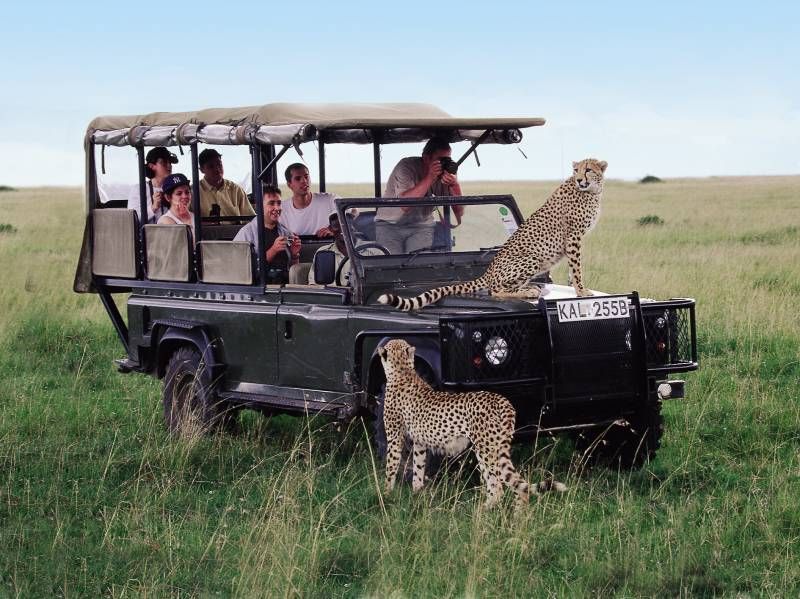
Every Mikumi safari depends heavily on transport.
A typical safari from Dar es Salaam involves:
- Approximately 300 km each direction
- Game drive mileage inside the park
- Logistics transport for supplies
- Hotel energy costs
Total operational distance often exceeds: 600–750 kilometers per safari trip.
Safari Land Cruisers typically consume: 8–10 km per liter.
Meaning each trip may require: 70–100 liters of diesel.
This makes fuel the largest variable cost in safari operations.
When global oil markets fluctuate due to geopolitical tensions or economic policy shifts, fuel prices respond.
And when fuel moves: Safari pricing eventually follows.
Why Mikumi Safaris Are More Economically Resilient Than Other Tanzania Safaris
Interestingly, Mikumi may actually benefit from global economic uncertainty.
Here is why:
- Northern circuit safaris often require flights.
- Southern circuit remote parks require long logistics.
- Luxury safaris depend heavily on international travelers.
Mikumi offers:
- Road access.
- Short duration trips.
- Lower logistics costs.
- Strong domestic tourism demand.
This makes Mikumi one of Tanzania’s most economically resilient parks.
When global travel becomes expensive, many travelers choose: Shorter safaris instead of canceling travel entirely. Mikumi fits this trend perfectly.
How Dar es Salaam’s Growing Middle Class Is Protecting the Mikumi Safari Market
One major shift happening quietly is the growth of domestic tourism.
Dar es Salaam’s expanding professional class increasingly takes:
- Weekend safaris.
- Short wildlife trips.
- Corporate retreats.
- Family nature travel.
This trend reduces dependence on international markets.
During global economic uncertainty: Domestic tourism becomes a stabilizing force.
Mikumi’s location only 5–6 hours from Dar makes it ideal for this trend.
Operators report growing interest from: Local companies, Resident expatriates, Regional travelers. This diversification strengthens the market.
Real Experience: What a Mikumi Safari Still Feels Like Despite Global Changes
While economics may influence pricing, the safari experience itself remains unchanged.
A typical safari morning still begins before sunrise. Departure from Dar es Salaam often starts around 5:00 AM.
As the city traffic fades, the highway toward Chalinze opens into Tanzania’s rural landscape. By Morogoro: Mountains rise dramatically. By Mikumi: The ecosystem changes. Acacia trees begin appearing. Grasslands stretch outward. Wildlife corridors become visible.
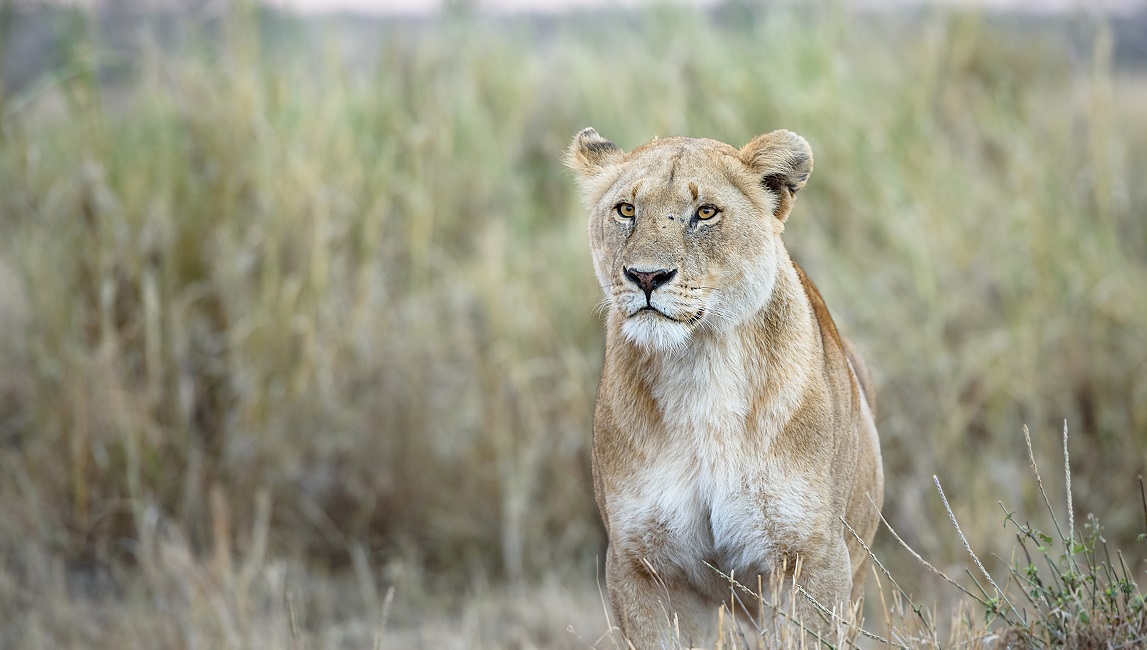
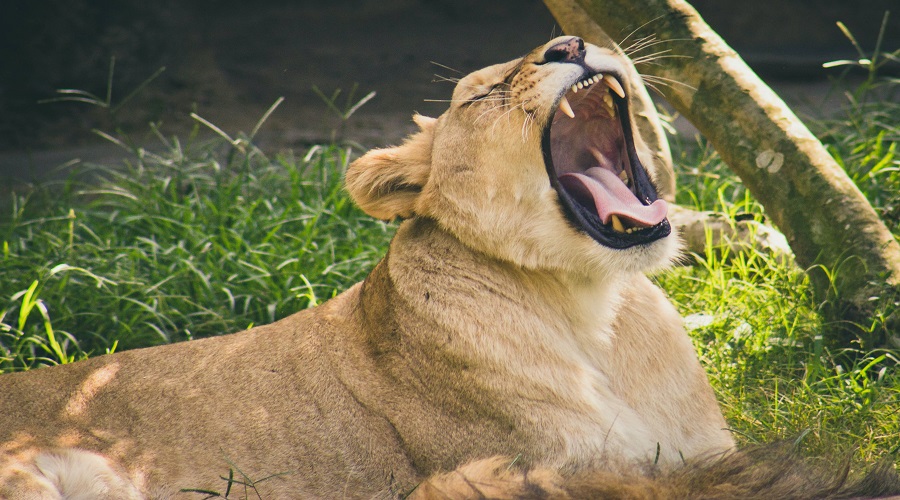
Inside the park: Elephants move slowly across plains. Giraffes browse quietly. Zebra herds graze without concern. Lions rest in shaded areas.
These experiences remain unaffected by global politics. Wildlife does not react to oil markets. And that is what makes safari travel uniquely resilient emotionally.
How Smart Travelers Are Adapting Their Safari Planning Strategy
Experienced travelers are responding to economic uncertainty with smarter planning rather than canceling travel.
Common strategies now include:
- Booking earlier to lock prices.
- Traveling in small groups.
- Choosing 2-day trips instead of longer packages.
- Comparing operators more carefully.
Private safaris remain popular but group safaris are growing because transport costs can be shared.
The most experienced travelers understand: Experience quality matters more than small price differences. A slightly cheaper safari with poor guide quality can ruin the experience. Travelers now prioritize: Guide knowledge, Vehicle condition, Operator reliability over small savings.
How Safari Operators Are Responding Behind the Scenes
Professional operators rarely react to cost pressure by reducing experience quality. Instead they improve efficiency.
Common adjustments include:
- Optimizing departure schedules.
- Combining group departures.
- Improving route planning.
- Reducing empty vehicle movements.
High quality operators protect: Guide experience, Vehicle safety, Park time because these define their reputation. Travelers should look for operators that maintain quality rather than those competing only on price.

Could Global Economic Policy Actually Increase Demand for Mikumi?
Interestingly, history suggests economic pressure can increase demand for accessible destinations.
When travel becomes expensive: Travelers shorten trips, choose closer parks, reduce luxury upgrades, focus on core experiences.
Mikumi benefits because it offers: Strong wildlife viewing, Short travel time, Affordable logistics. This positions Mikumi as a "value safari destination" during uncertain economic periods.
This trend has been seen globally where nearby nature destinations grow during economic slowdowns.
The Transportation Reality Most Travelers Do Not Consider
Many travelers compare safari prices without understanding cost structures.
Typical safari pricing includes:
- Transport fuel.
- Guide salary.
- Vehicle maintenance.
- Park entry fees.
- Accommodation.
- Food logistics.
Transport remains the most volatile factor. Park fees remain stable. Accommodation changes slowly. Fuel changes quickly. This explains why safari prices sometimes adjust even when other costs remain stable.
Traveler Decision Guide: Should You Book a Mikumi Safari Now?
Based on tourism patterns, most travel experts suggest:
- Book early if planning fixed dates.
- Travel in groups when possible.
- Choose experienced operators.
- Focus on experience value.
Delaying travel rarely produces major savings. Travel demand typically returns quickly after uncertainty. Early planners usually benefit.
Explore & Book Best Mikumi safari packages 2026-2027Future Outlook for Dar es Salaam to Mikumi Tourism
Tourism analysts expect continued growth because: Dar population increasing, Road infrastructure improving, Weekend tourism growing, Nature travel increasing globally.
Short wildlife safaris are becoming more popular worldwide as travelers prefer shorter but meaningful travel experiences. Mikumi fits this trend extremely well. This makes the long-term outlook positive regardless of short-term economic pressure.
Mistakes Travelers Should Avoid During Economic Uncertainty
Common mistakes include:
- Choosing cheapest operator blindly.
- Ignoring vehicle quality.
- Not checking guide experience.
- Not confirming inclusions.
Smart travelers ask: How long are game drives? Is vehicle private? Guide experience level? Hidden costs? These questions quickly reveal quality differences.
What Experienced Mikumi Travelers Always Recommend
Travelers who frequently visit Mikumi often recommend:
- Travel minimum 2 days.
- Choose pop-up roof safari vehicles.
- Start early from Dar.
- Bring binoculars.
- Prioritize experienced guides.
These decisions affect safari quality more than minor price differences.
Frequently Asked Questions About Global Economics and Mikumi Tourism
Expert Travel Planning Advice for 2026–2027
Travel experts recommend focusing on: Operator experience, Safari vehicle quality, Guide expertise, Time inside the park. These determine safari success more than small price differences. The difference between an average safari and an extraordinary one is usually the guide, not the price.
Faqs on Tanzania SafarisFinal Analysis: What This Means for Travelers
Global economic policy may influence safari pricing indirectly through fuel and logistics costs. But it does not change: Wildlife quality, Park beauty, Safari experience. Dar es Salaam to Mikumi remains one of East Africa’s most practical wildlife adventures. Travelers who plan intelligently will still find exceptional value. The best strategy remains simple: Plan early, choose quality, focus on experience. Because while global economics may change travel costs, the experience of watching elephants cross Mikumi’s golden plains remains timeless.
About This Analysis (EEAT Authority Section)
This article combines tourism logistics insight, traveler behavior patterns, and Tanzania safari market observations to help travelers make informed decisions when planning Mikumi safaris from Dar es Salaam. The purpose is to provide practical travel intelligence rather than political commentary.
Contact our Safari Specialist:
Call: +255 672 530 415 |
Email: info@kaitoursandsafaris.com
Written By:
Justus Kahwa (@mr_jmasterz)
Why Kai Tours?
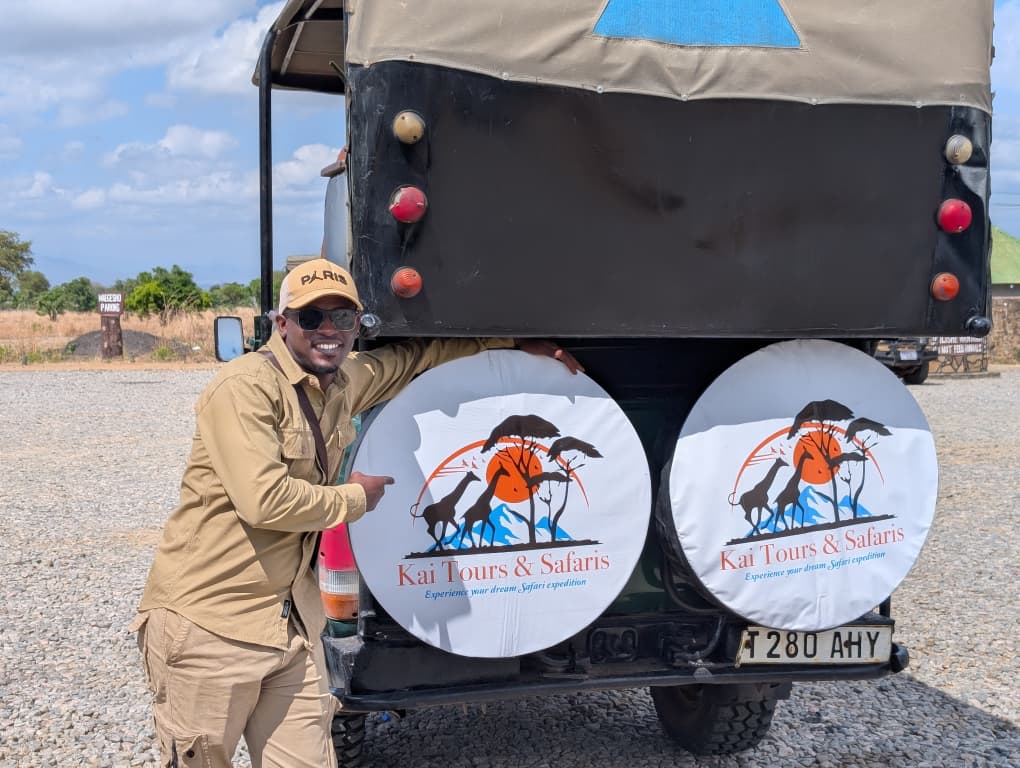
Kai Tours and Safaris provides reliable logistics even during global economic uncertainty. We focus on transparency and quality to ensure your 2026-2027 adventure is successful.