In Short
A 4-day Great Migration safari from Arusha: Ndutu, Southern Serengeti and Ngorongoro Crater. Go in February or March to see the calving season on the southern plains, when tens of thousands of calves are born in a few weeks. Park fees, full-board lodge and tented camp accommodation and a private 4x4 with an English-speaking driver-guide are included, from $1,750 per person for two travellers.
Want to Explore more: all our migration safari packages.
On This Page
Overview
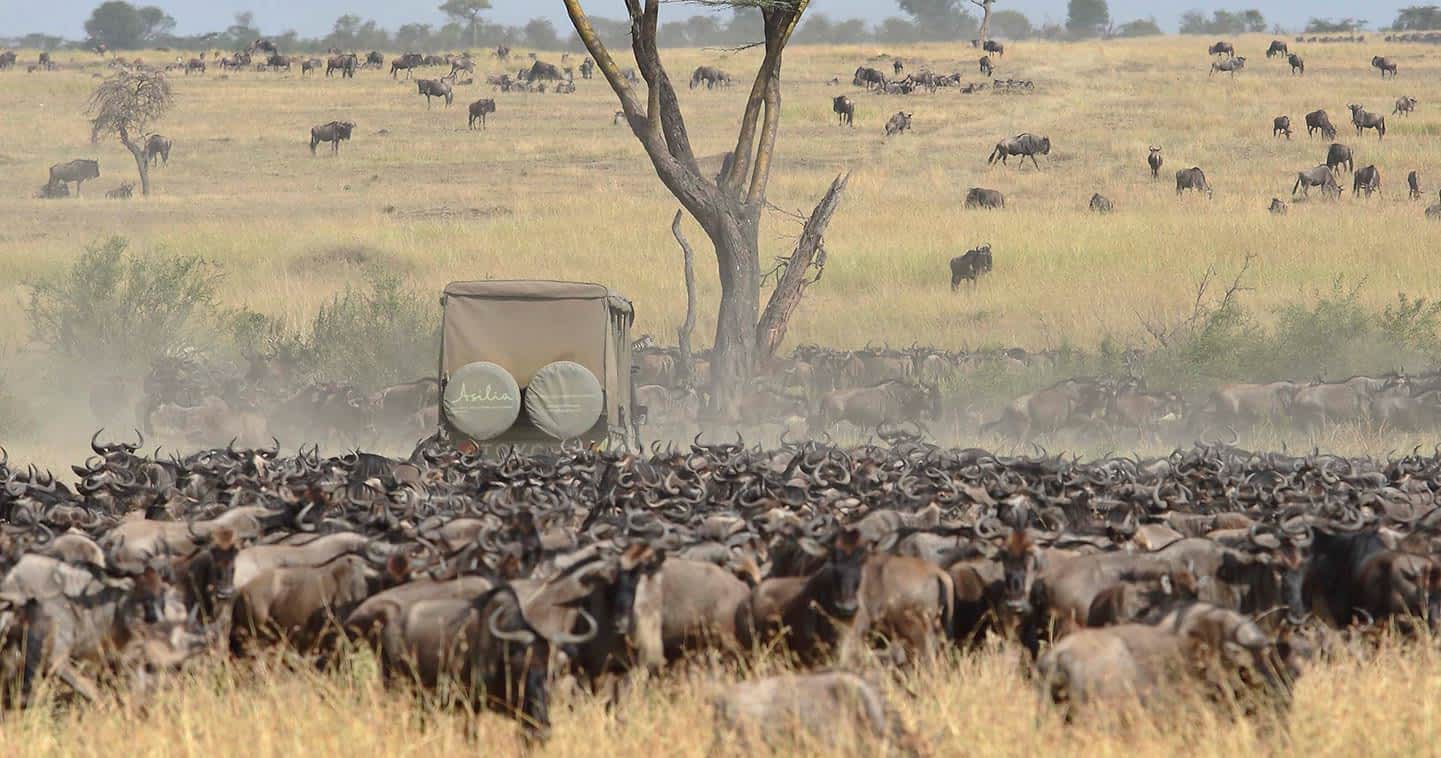
The Great Migration is the year-round movement of about 1.4 million wildebeest, with hundreds of thousands of zebra and gazelle, through the Serengeti, following the rains. The herds are always somewhere in the park, so the right safari depends on the month you travel.
This 4-day safari is planned for the Southern Serengeti and Ndutu, for travel from December to March. Go in February or March to see the calving season on the southern plains, when tens of thousands of calves are born in a few weeks.
This route only works from about December to March, when the herds are on the southern plains. In other months the herds move north and the plains are quiet.
You travel in a 4x4 Land Cruiser with a pop-up roof and an English-speaking driver-guide, and sleep in comfortable lodges and tented camps. The price is per person and falls as more people share the vehicle.

- Calving season on the Ndutu plains, usually December to March
- Two nights in the Ndutu area, so you are among the herds at sunrise and sunset
- Olduvai Gorge, the cradle of mankind
- A morning in the Ngorongoro Crater
- Park fees and the Crater service fee included
- Private 4x4 with an English-speaking driver-guide
- Day 1: Arusha to Ndutu
- Day 2: Full day on the Ndutu plains
- Day 3: Ndutu to Karatu via Olduvai
- Day 4: Ngorongoro Crater and return to Arusha
Detailed itinerary
Day 1: Arusha to Ndutu
A long drive from Arusha through Karatu and the Ngorongoro highlands to the Ndutu area, about seven hours with a picnic lunch and game viewing on the way. Afternoon game drive on the plains. Dinner and the night at a lodge or tented camp in the Ndutu area, or similar.
Day 2: Full day on the Ndutu plains
A full day of game drives on the short-grass plains around Ndutu, where the herds gather from about December to March. In February and March the plains fill with newborn calves, and the lions, cheetahs and hyenas that follow them. Dinner and the night at a lodge or tented camp in the Ndutu area, or similar.
Day 3: Ndutu to Karatu via Olduvai
A last morning game drive on the Ndutu plains, then the drive to the Ngorongoro highlands, with a stop at Olduvai Gorge on the way. Dinner and the night at Country Lodge Karatu, or similar.
Day 4: Ngorongoro Crater and return to Arusha
Descend early into the Ngorongoro Crater, a volcanic caldera with a dense year-round population of wildlife, including lion, buffalo, elephant and black rhino. After a picnic lunch, drive to Arusha, about three and a half hours, for your drop-off.
Timings are a guide and flex with the season, road conditions and the wildlife.
Optional Add-Ons
Extras you can add to this safari. Prices are per person and indicative.
| Optional Add-On | Price |
|---|---|
| Hot air balloon safari in the Serengeti | +$599 pp |
| Maasai village visit | +$25 pp |
| Fly-in or fly-out from the Serengeti airstrips | On request |
| Luxury camp upgrade | On request |
| Extra night in Arusha before or after the safari | On request |
A Calvin Season price for 2027
Prices are per person for a private safari and depend on the number of travellers. Park fees and the Ngorongoro Crater service fee are included.
| Group size | 1 person | 2 people | 3 to 4 people | 5 or more people |
|---|---|---|---|---|
| Price Adult (USD) | $2,000 | $1,750 | $1,550 | $1,400 |
Indicative 2027 prices for high season. The peak migration months and Christmas and New Year cost more, and the green season (April, May and November) is usually cheaper. Park fees are reviewed every year, so we confirm the exact price when you book.
Want to Explore more: Browse Serengeti Great Migration Guide.
Accommodation
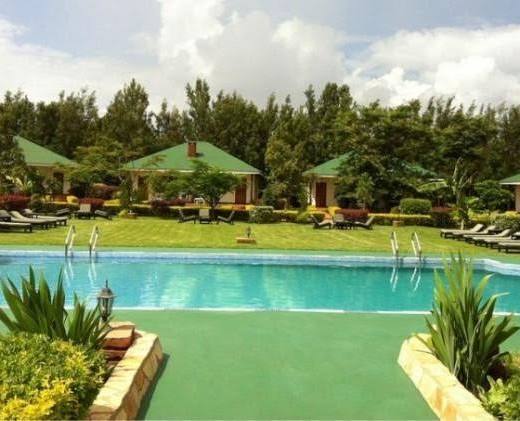
3 nights in lodges and tented camps with full board. Properties are confirmed at booking and are subject to availability.
- Lodge or tented camp in the Ndutu area, or similar
- Country Lodge Karatu, or similar
What's included
- • Airport pick-up on arrival and drop-off after the safari
- • 4x4 Toyota Land Cruiser with a pop-up roof
- • Professional English-speaking driver-guide
- • All national park and conservation area entry fees
- • Ngorongoro Crater service fee
- • Lodge and tented camp accommodation for 3 nights
- • Full board: breakfast, lunch and dinner
- • Drinking water throughout the safari
- • Government taxes and VAT
What's excluded
- • International and domestic flights
- • Visa fees
- • Tanzania mandatory inbound travel insurance ($44)
- • Travel insurance
- • Tips and gratuities for the guide and lodge staff
- • Personal expenses and drinks
- • Optional activities and upgrades
Wildlife you will see
The herds are the main event, but the predators and the resident animals make the safari. This table shows what to expect on this route.

| Animal | Likelihood |
|---|---|
| Wildebeest and zebra | Ndutu and the southern plains, December to March. Very likely |
| Newborn wildebeest calves | February and March, in their thousands |
| Lion | Ndutu plains and the Crater. Very likely. |
| Cheetah | Open plains around Ndutu. Good chance. |
| Spotted hyena | Likely, following the herds. |
| Rhino | Ngorongoro Crater, the best place in Tanzania to see black rhino. Rare. |
Best time for calving season at ndutu southern Serengeti and Ngorongoro
Short answer
This safari is planned for the Southern Serengeti and Ndutu, so the best months are December to March, with February and March (calving) the strongest. The herds follow the rain, so timing can move by a few weeks either side.
The herd calendar
- December to January: The herds are on the southern plains and Ndutu, and calving starts late in January.
- February to March: Calving season on the southern plains, with about 500,000 calves born and very active predators.
- April to May: The herds move north and west through the central Serengeti. Green season, quiet and good value.
- June to July: Herds in the Western Corridor, with the first Grumeti River crossings. The first of the herds reach the north in July.
- July to September: The Mara River crossings in the northern Serengeti, usually strongest in August and September.
- October to November: Crossings taper off and the herds head south again. Fewer vehicles.
Which months suit this safari
This route only works from about December to March, when the herds are on the southern plains. In other months the herds move north and the plains are quiet.
Our advice
- Book as early as you can: the best camps fill many months ahead in July to October and February to March
- Tell us your dates and we will check where the herds are before you pay
- A longer safari gives more time at the herds and a better chance of a crossing
Good to know
- The herds follow the rain, so we may change the route to stay close to them.
- No safari can guarantee a river crossing or a sighting of any animal.
- Dress in layers: the Serengeti and the crater rim are cold in the early morning.
- Bring binoculars, a hat, sunscreen and a camera with a zoom lens.
- Some days include long drives of four to eight hours, with game viewing on the way.
- Tips for the driver-guide and lodge staff are not included.