I help travellers plan their Zanzibar trips every week, and the beach sellers come up more than almost anything, more than the weather, sometimes more than safety. People have read a worried review or a Reddit thread, and they arrive on the island already tense, bracing for a fight. So let me give you the honest version, the one I would give a friend over coffee, because the truth is far more reassuring than the horror stories, and because these sellers are real people trying to earn a living, not a plague to be survived.
Who the beach boys really are
The first thing to understand is who you are actually dealing with, because it changes how the whole thing feels. The young men you meet on the beach are mostly local, and many of them are remarkable at languages. It is normal to be greeted in English, then Italian, then French, sometimes Russian or Polish, all within a minute. They sell sunglasses, wood carvings, sarongs, boat trips, snorkelling excursions, fruit, or simply their services as a guide.
Here is the part the angry reviews leave out. Most of them are not registered guides, and they are not criminals. They freelance because formal jobs are scarce, and Zanzibar is a poor island where tourism is one of the few reliable ways to earn. A small number will push hard, inflate prices, or try a scam, and I will be straight with you about those. But the majority are simply hustling for a living in a hard economy. Holding that in mind takes the fear out of the encounter and turns it into something you can manage with a smile.

Why it can feel like a lot
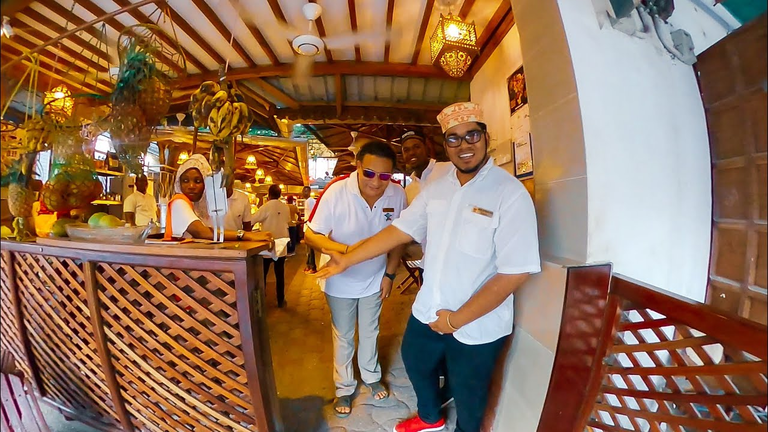
I will not pretend it is nothing, because that is not honest either. On a busy stretch of beach you may be approached every few minutes. Some sellers will walk alongside you for a while, ask where you are from, learn your name, and remember it the next day. A few use small tricks, the most common being the restaurant walk, where someone leads you to a place, and once you are seated they imply you already agreed to eat there.
On the east and south coasts, where you often reach restaurants by walking along the shoreline, this can feel constant, because there is no way to get from your hotel to dinner without passing the same vendors. One traveller I read described feeling like a walking cash machine by the end of a long stay, and I understand that feeling completely. It is tiring. The good news is that almost all of it dissolves with a little technique and the right base, which is what the rest of this guide is about.
Are they dangerous?
This is the worry I most want to put to rest. In my experience, physical aggression from beach sellers is very rare. They are persistent, not violent. The real risks are smaller and easy to manage: paying too much for something, accepting a gift that turns out to have a price, or petty theft if you leave a phone or a wallet sitting unattended on a sunbed while you swim.
So the practical defence is simple. Keep your valuables close and your bag zipped, do not flash large amounts of cash, and you have handled the main concern. If you are travelling with children, please do not lose sleep over this. Your kids are not in danger. The sellers are pushy, not threatening, and a calm parent sets the tone for a calm child.
How to say no, politely
The single skill that changes everything is a friendly, firm decline that does not invite a follow-up. A warm smile and a vague "maybe later" is read as interest, and it brings them back. A clear, kind no ends it. Here are the lines and habits I give every traveller.
- Say it warmly, keep walking, and do not break your stride. Stopping reads as a yes.
- Sunglasses help, because they soften the eye contact that invites a pitch.
- Do not take any item placed in your hand. If someone hands you a carving or ties a bracelet on your wrist, hand it straight back with a smile and a no.
- Never accept a free anything. A free gift, a free tour of a shop, a free coconut, almost always comes with an expected payment.
- Do not be rude, and do not shout. Firmness with warmth works better and respects the person's dignity. You can be kind and unmovable at the same time.
A few Swahili words go a surprisingly long way. The moment a seller hears Asante sana from a visitor, the dynamic softens, because you have shown respect, and respect is returned.
Explore The Best Zanzibar ToursThe local-guide tip that solves most of it
If I could give you only one piece of advice, it would be this. When you arrive at your hotel, ask the reception or the manager for a known, registered local person to walk with you, especially for a sunset stroll or an evening out with the family. The effect is immediate. When you have a local at your side, the sellers leave you alone, because they know the area is spoken for.
What it costs, and why it is the right answer
A tip of around USD 30 for the day is plenty for a local escort. I like this solution because it does more than buy you peace. It puts your money directly into the hands of a local person, which is the respectful answer to the whole dynamic. You are not avoiding the economy that drives the hustle, you are supporting it on your own terms.
This is also the simplest reason to travel with a proper operator. When your transfers, your Stone Town day, your snorkelling trip and your safari are arranged in advance with registered guides, you spend your week enjoying Zanzibar rather than negotiating on a beach. We set our trips up exactly this way.
Where it is calmer, and where it is busier
Where you base yourself makes a real difference, so choose with this in mind.
The northern beaches: Nungwi and Kendwa
These are the busiest and most developed beaches, but the sand directly in front of the large resorts is patrolled by their own security, so the selling is lighter there. Walk into Nungwi village or along the public stretches and you will meet more vendors, but a resort-front base in the north is one of the calmer choices.
Contact Us For EnquiryThe east and south coasts: Paje and Jambiani
These are quieter, wider and beautiful, and they are my favourite for atmosphere. The trade-off is that you reach the restaurants by walking the shoreline, which means you pass more sellers along the way. This is where the constant feeling comes from, so plan for it with the techniques above, or arrange a guide for your dinner walks.
Stone Town and Forodhani
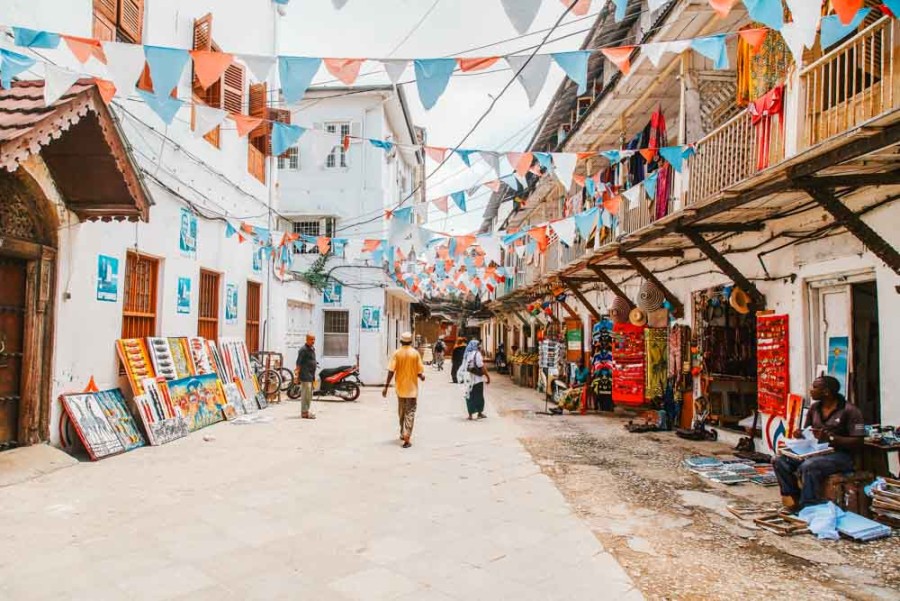
In town the equivalent is the touts, known locally as papasi, who offer tours and taxis. A clear no thank you works just as well here. The Forodhani night market is wonderful and worth your evening. Agree any price before you accept a plate, and you will have a brilliant time.
The Maasai photo question
You will see men dressed in the bright red of the Maasai, selling beaded bracelets, walking the beaches, or offering to pose for photographs. This one deserves a careful word. Some of them are genuinely Maasai who have travelled from the mainland to earn money on the coast. Some are not Maasai at all, and wear the dress as a way to sell. Either way, a photograph almost always carries an expected fee.
So the rule is simple and respectful: if you want the photo, agree the price first, and if you do not, decline politely and move on. Never feel pressured into paying for a picture you did not arrange. The Maasai are a real and proud people, and this is not about treating their culture as a spectacle. It is about knowing that a beach photo is a transaction, so you can choose it with your eyes open.
A quick word for families, solo travellers and couples
Families with children. Brief your kids gently before you go: people will say hello and try to sell things, we smile, we say Asante, and we keep walking, and no one will hurt us. Children take their cue from you, so a relaxed parent makes for relaxed kids. For evening walks, the local-guide tip is worth every cent of peace of mind.
Solo travellers, especially women. The same rules apply, with a little extra firmness. A consistent, unbothered no works. Stick to the busier, well-lit stretches at sunset, and consider a guide for evening outings. The persistence is annoying rather than dangerous, but you are entitled to your peace, so do not feel you owe anyone a conversation.
Couples. If you are after a romantic, undisturbed sunset walk, a resort-front beach in the north or a guide for the evening will protect the mood. It is a small arrangement for a big improvement.
The respectful flip side
I want to end the heart of this guide on the right note, because if you take only the defensive advice you will miss the best part of Zanzibar. The hustle is a thin layer over a deeply warm place. Almost every traveller I have read who complained about the beach sellers also said, in the same breath, that the ordinary, non-selling locals they met were the highlight of the trip.
So do engage, on your own terms. Buy a carving from the one seller you genuinely liked. Tip the man who actually helped you find a restaurant. Learn a few more Swahili words than you think you need. Treat the people you meet as people, not as obstacles, and Zanzibar opens up. Spending a little, on purpose and with a smile, is the kindest and most honest answer to a poor economy, and it will make your own trip richer too.
Want a Zanzibar trip without the hassle?
We arrange registered guides, set transfers and planned days, so your week is spent enjoying the island, not negotiating on a beach. Tell us your dates and we will build it around you.
Keep planning your Zanzibar trip
Common questions about the beach boys in Zanzibar
Other trips you might like

Justus Kahwa — Founder and Operations Manager of Kai Tours and Safaris. He arranges Zanzibar holidays, transfers, guides and safaris, and writes these honest guides from what he sees on the island every week.