This is a compact, varied 6-day safari through four of northern Tanzania's most rewarding parks, without the long drives that a Serengeti trip demands. You explore Arusha National Park on foot and by vehicle, the elephant country of Tarangire, the wildlife-packed Ngorongoro Crater, and the forests and flamingos of Lake Manyara. It is one of the best value ways to experience Tanzania's variety and a superb choice for first-timers, families and keen birders. The price is US$1,700 per person for a private safari, based on two sharing, with every park fee and the crater service fee included. Below is the full day-by-day itinerary, the real lodges, and exactly what is included.
The safari at a glance
This 6-day safari is designed for travellers who want breadth rather than distance. Instead of the long drives to and from the Serengeti, it stays within the cluster of parks close to Arusha, so you spend your time watching wildlife rather than covering ground. In six days you experience four genuinely different ecosystems, from montane forest to baobab savannah to a volcanic crater to a Rift Valley lake, which is remarkable variety for a trip of this length.
| Day | Route | Overnight |
|---|---|---|
| 1 | Arrive JRO, transfer to Arusha or Moshi | Arusha / Moshi |
| 2 | Arusha National Park, game drive and walking safari | Arusha / Moshi |
| 3 | Tarangire National Park, full-day game drive | Tarangire / Karatu |
| 4 | Ngorongoro Crater, full game drive on the floor | Karatu |
| 5 | Lake Manyara National Park, then return | Arusha / Moshi |
| 6 | Breakfast, transfer to JRO for departure | - |
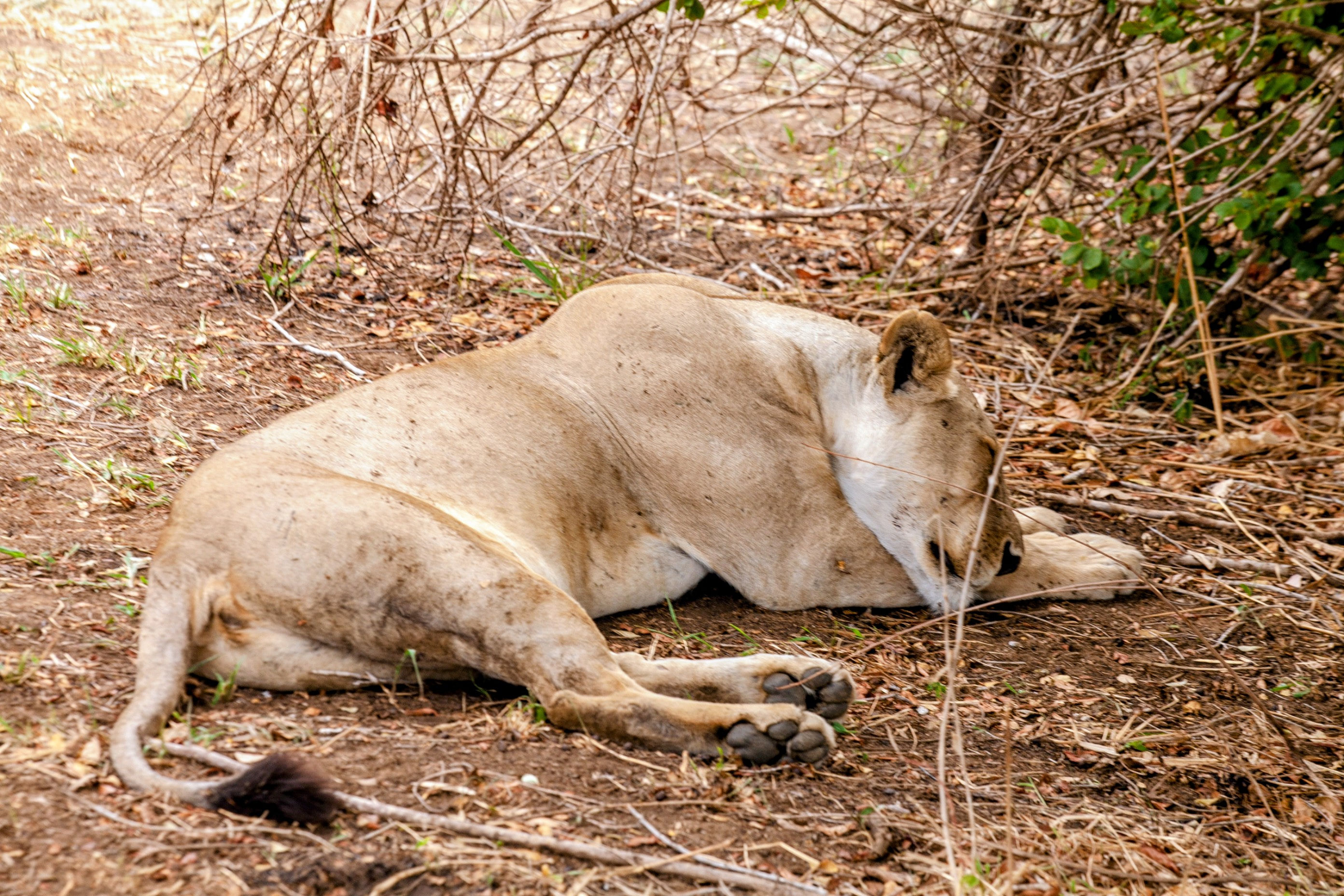
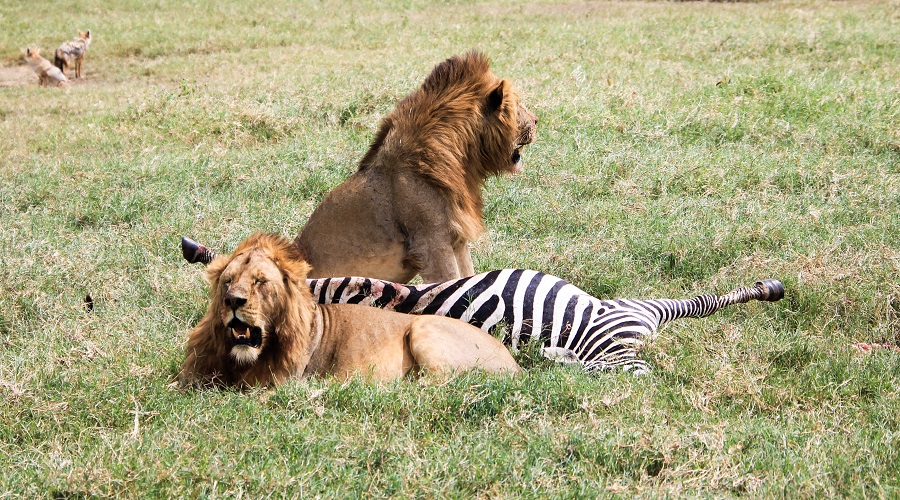
Have the best view of the big 5 photography and memory keeping
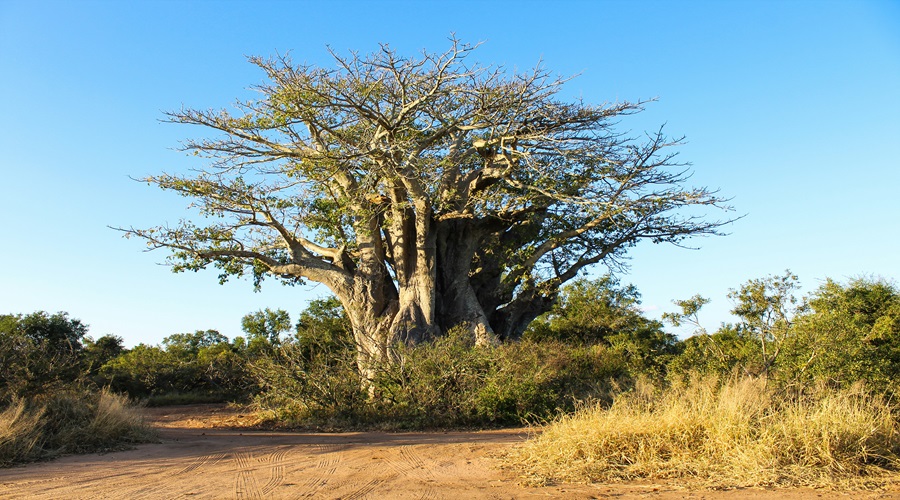
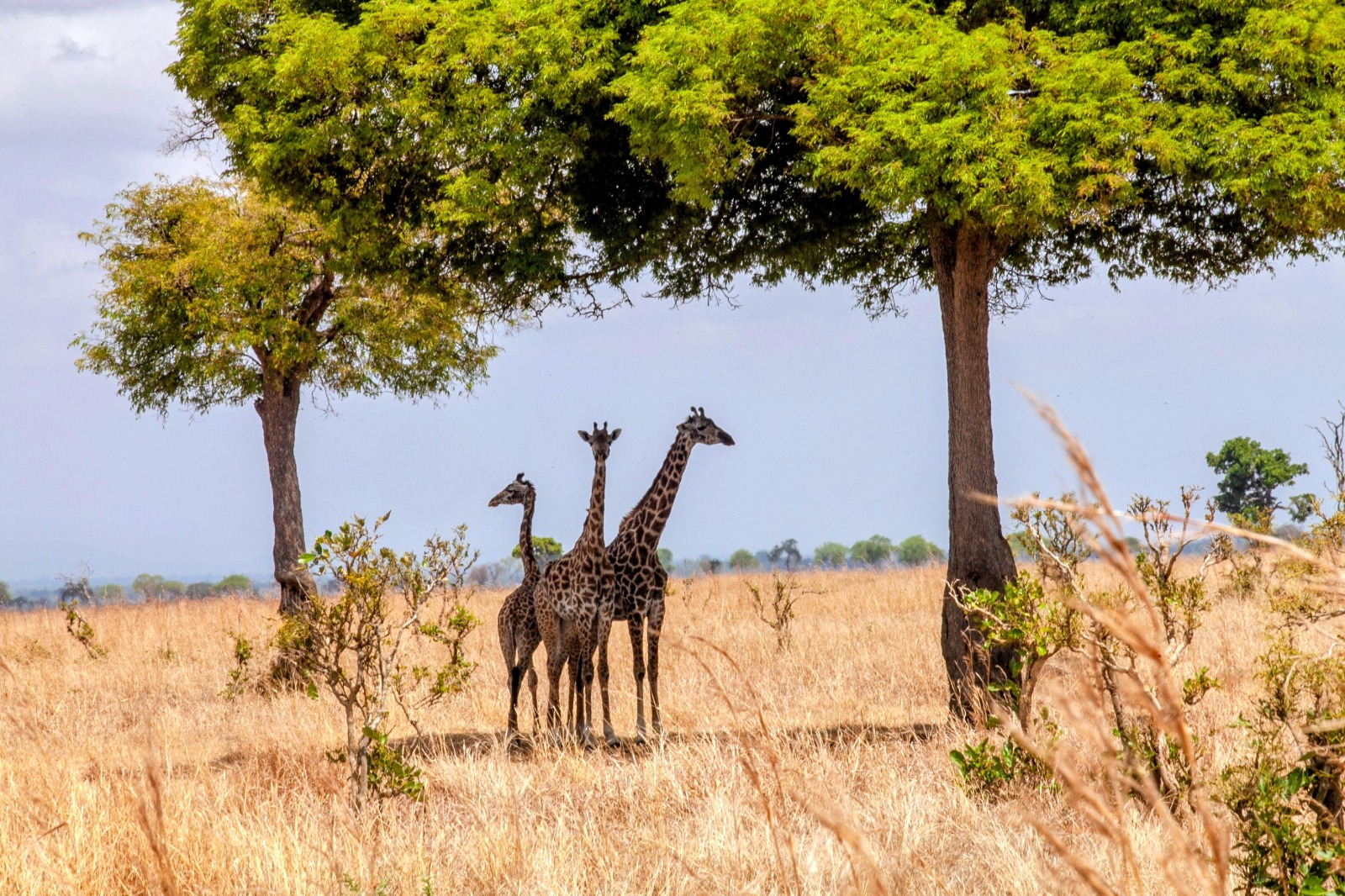
Observe and study large trees found Mostly in Tanzania National parks
Why this itinerary works
The strength of this route is its efficiency. Because all four parks lie within a few hours of Arusha, you are never trapped in the vehicle for a full day of transit, which means more time watching animals and less time watching the road. It is also unusually varied for six days: Arusha National Park adds a walking safari you cannot do in most parks, Tarangire delivers the elephants, the crater delivers the density, and Lake Manyara delivers the birds and the forest. For a first safari, or for anyone who wants to see a lot of Tanzania without the cost and driving of a Serengeti trip, it is hard to beat.
Day-by-Day Itinerary
Arrival and transfer
- Our safari guide meets you at Kilimanjaro International Airport (JRO) or Arusha Airport.
- Private transfer to your hotel in Arusha or Moshi, whichever you prefer, to relax after your flight.
- An optional short town tour and a safari briefing with your guide, then overnight.
Overnight: Arusha or Moshi, mid-range. Meals: dinner.
Arusha National Park, game drive and walking safari
- An early start for the short drive to Arusha National Park, the most underrated park in the region.
- A game drive among the Momella Lakes, forest and open glades, looking for giraffe, buffalo, zebra, warthog and colobus monkeys, with Mount Meru rising above and Kilimanjaro on the horizon on a clear day.
- A guided walking safari with an armed park ranger, a rare chance to explore on foot. Note there are no lions here, which is what makes walking safe and relaxed.
Overnight: Arusha or Moshi, mid-range. Meals: breakfast, lunch, dinner.
Tarangire National Park
- Depart after breakfast for Tarangire, about 2 to 2.5 hours away, famous for the largest elephant herds in northern Tanzania and its ancient baobab trees.
- A full-day game drive with a picnic lunch, following the Tarangire River where wildlife concentrates in the dry season.
- Watch for lions, giraffe, zebra, buffalo and, for birders, some of the richest birdlife on the circuit.
Overnight: Tarangire area or Karatu, mid-range camp or lodge. Meals: breakfast, lunch, dinner.
Ngorongoro Crater
- An early descent into the Ngorongoro Crater, the largest intact volcanic caldera in the world, home to around 25,000 to 30,000 large animals.
- A full game drive on the crater floor with a picnic lunch, offering the best chance on this safari of black rhino, alongside lion, elephant, buffalo, hippo and huge herds of grazers.
- Ascend in the late afternoon and continue to your lodge in Karatu.
Overnight: Karatu, mid-range. Meals: breakfast, lunch, dinner.
Lake Manyara National Park
- A game drive in Lake Manyara, a compact park of groundwater forest, floodplain and soda lake beneath the Rift Valley escarpment.
- Look for elephants, hippos, giraffe, large troops of baboons and, in season, flamingos and pelicans along the lakeshore. The park is famous for lions that occasionally rest in the trees, a lucky and unpredictable sighting.
- Return to Arusha or Moshi for your final night.
Overnight: Arusha or Moshi, mid-range. Meals: breakfast, lunch, dinner.
Departure
- Breakfast at your hotel, with time to relax or take a short shopping tour.
- Private transfer to Kilimanjaro International Airport for your onward flight.
Meals: breakfast.
Your Route Map
The safari runs as a compact loop from Arusha, taking in four parks that all lie within easy reach of the city, which is exactly why it avoids the long transit days of a Serengeti itinerary.
The four parks
Arusha National Park
The most underrated park in the north and the perfect gentle opener. It combines the Momella Lakes, montane forest, the Ngurdoto Crater and views of Mount Meru, with giraffe, buffalo, zebra, warthog and many primates including black-and-white colobus. Because there are no lions, it is one of the few parks where you can safely explore on foot with a ranger, which is a highlight of this safari.
Tarangire National Park
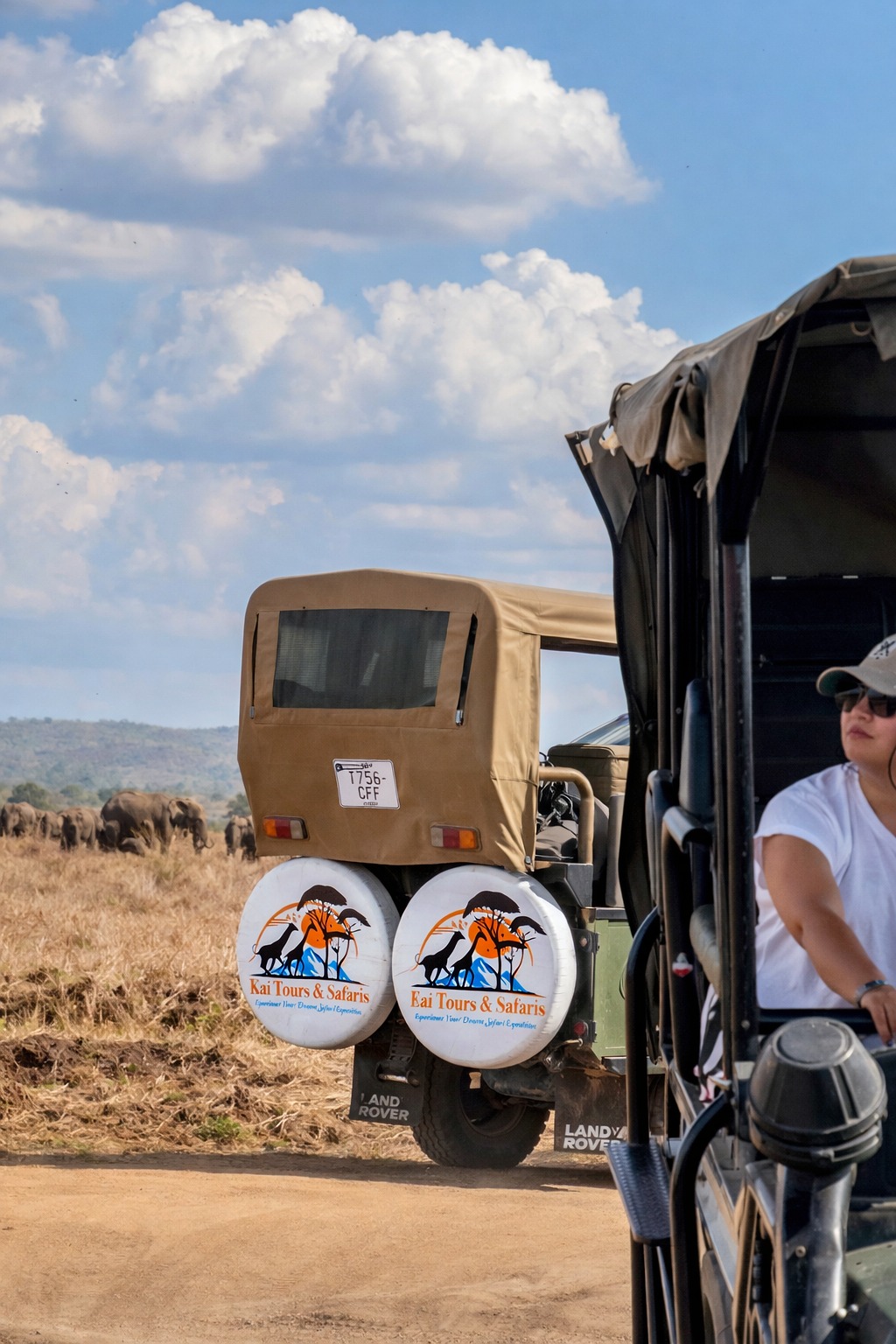
Home to the largest elephant concentrations in northern Tanzania. In the dry season, when the Tarangire River is the only reliable water for miles, elephants gather in great numbers, sometimes a hundred or more along the banks. The ancient baobabs give the landscape a character found nowhere else, and with over 550 bird species it is one of the finest birding parks in the country.
Ngorongoro Crater
A UNESCO World Heritage Site and the world's largest intact volcanic caldera, its floor holding an estimated 25,000 to 30,000 large animals within walls six hundred metres high. It offers the best chance on this safari of seeing black rhino, with around 30 resident, alongside lion, elephant, buffalo and hippo. Note there are no giraffes on the crater floor, because the descent roads are too steep for them.
Lake Manyara National Park
A compact, varied park on the eastern edge of the Rift Valley, where a lush groundwater forest gives way to open floodplain and a shining soda lake. It is best known for flamingos in season, huge troops of baboons, and lions that occasionally climb the acacia trees. With more than 400 bird species it is a birding highlight, and its small size makes it easy to enjoy in a day.
What you will see, honestly
This route is superb for variety and for elephants, and it offers a genuine chance at four of the Big Five, with the crater providing the rhino. Here is an honest guide to what you can expect.
| Animal | Where and likelihood |
|---|---|
| Elephant | Very high, Tarangire above all, plus crater and Manyara |
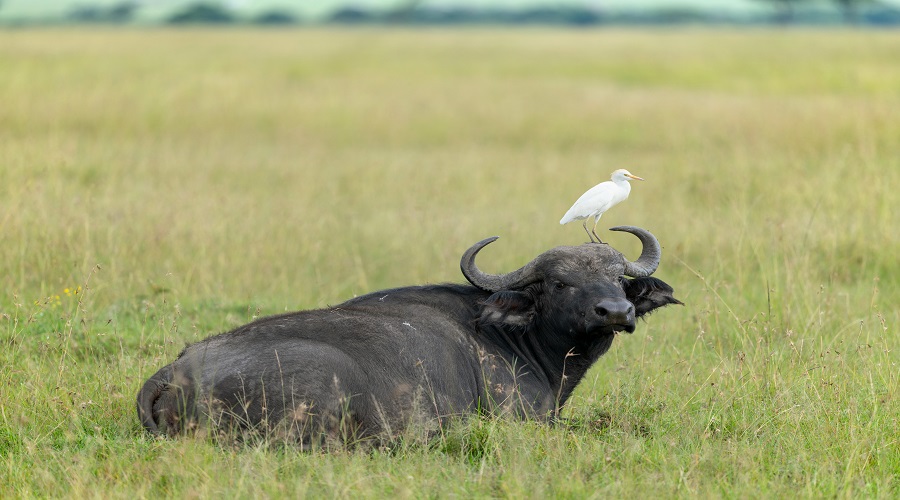
| Cape buffalo | Very high, all parks |
| Lion | Good, most reliable in the crater |
| Black rhino | Realistically the Ngorongoro Crater only, around 30 resident |
| Leopard | Present but elusive, never guaranteed |
| Giraffe, zebra, wildebeest, hippo | Very high (no giraffe on the crater floor) |
| Flamingo and pelican | Lake Manyara, seasonal |
| Colobus and baboon | Very high in Arusha NP and Manyara |
| Tree-climbing lion | Lake Manyara's reputation, but elusive, never guaranteed |
Because this itinerary does not include the Serengeti, it is honest to set expectations clearly: you have an excellent chance of four of the Big Five, but leopard is elusive and cheetah are not a feature of these particular parks. What the route guarantees instead is exceptional variety, the best elephant viewing in the north, a genuine rhino opportunity in the crater, and some of the finest birding in Tanzania. It is a wonderful first safari, and those wanting the Serengeti plains and the Great Migration should consider our 7-day Northern Circuit safari instead.
Price and what is included
The private safari is US$1,700 per person, based on two people sharing. Every park and conservation fee and the Ngorongoro Crater service fee are already in the price, so there are no surprises at the gate.
The package includes
- Airport pick-up and drop-off
- Private 4x4 safari vehicle with pop-up roof
- Professional English-speaking driver-guide
- Walking ranger in Arusha National Park
- All national park and conservation area fees
- Ngorongoro Crater service fee
- Full-board meals and bottled water
- All government taxes and levies
The package excludes
- International flights and Tanzania visa
- Travel and medical insurance
- Tips and gratuities for your guide
- Alcoholic beverages
- Personal laundry and souvenirs
- Optional activities and upgrades
Per person, based on two sharing, private mid-range safari, 2027 indicative rate. The price varies with group size, season and final lodge choice, and park fees are reviewed annually. Your exact price is confirmed at the time of quoting.
Your lodges
Accommodation is comfortable mid-range, with en-suite rooms or tented camps, hot water and full-board dining, well placed for each park. These are the properties this itinerary uses, or similar, subject to availability.
| Night | Location | Lodge or similar |
|---|---|---|
| 1, 2 and 5 | Arusha or Moshi | Comfortable town hotel, or Springlands Hotel in Moshi |
| 3 | Tarangire area or Karatu | Selected safari camp or lodge |
| 4 | Karatu, near the crater | Highview Hotel Karatu |
Prefer to step up to luxury lodges or crater-rim properties? We can rebuild the same route at a higher tier, which is covered next.
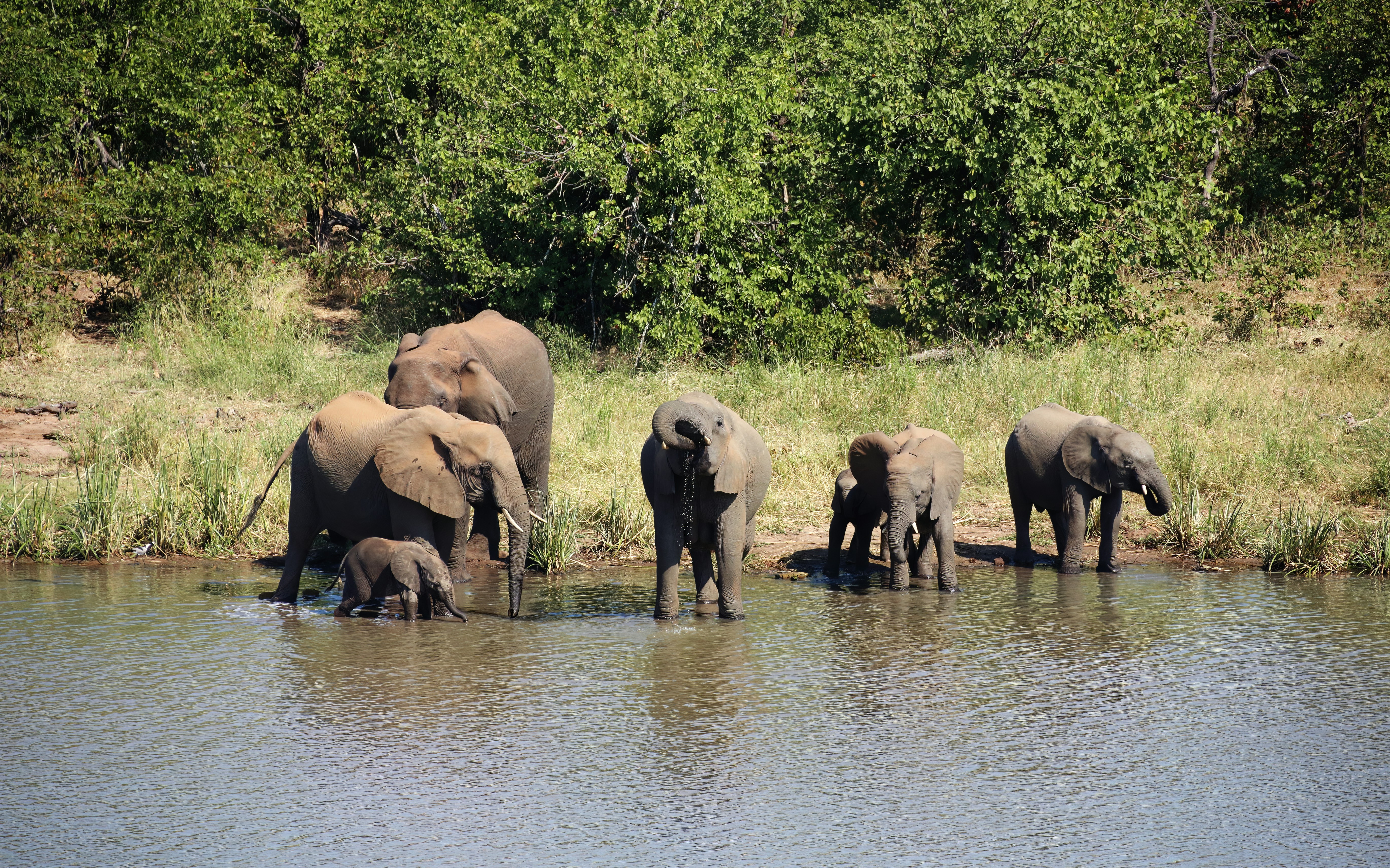
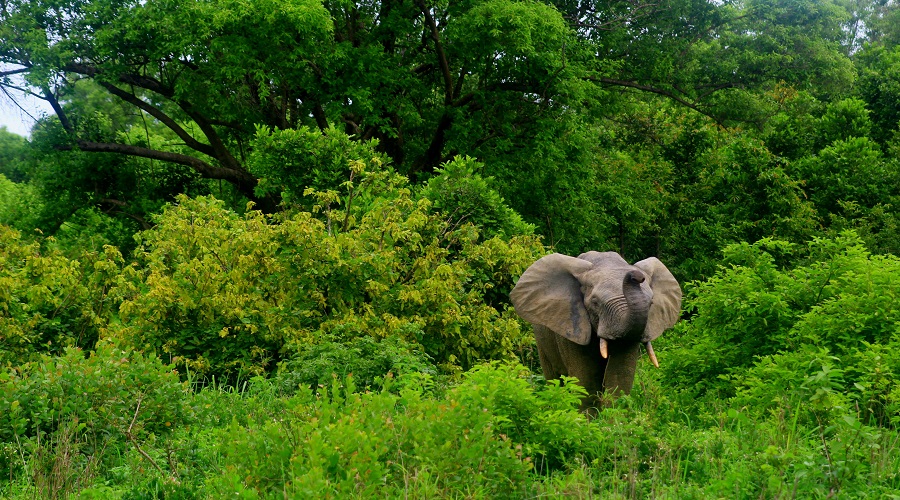
Observe and study groups of elephants in Manyara National Park
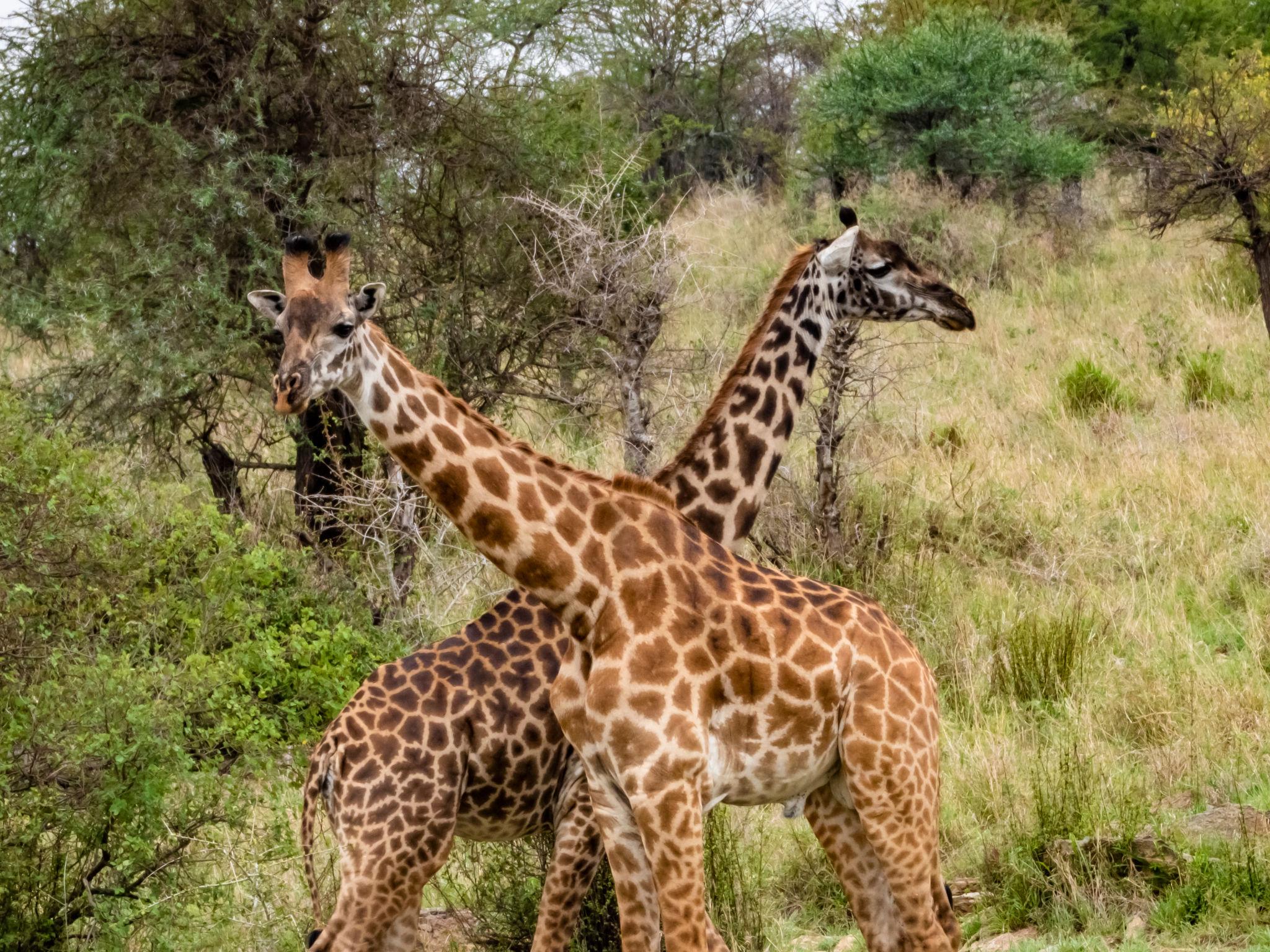
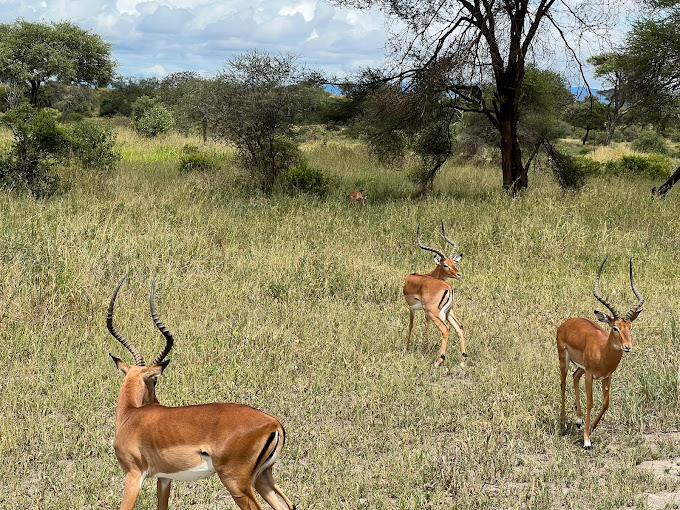
The beauty of wildlife in Tarangire National Park
Optional upgrades and add-ons
Any part of this safari can be enhanced. These are the most popular additions, quoted separately so you only pay for what you choose.
| Upgrade | What it adds | Indicative price |
|---|---|---|
| Luxury lodge upgrade | The same route in luxury lodges, including crater-rim properties. | On request |
| Maasai village visit | A cultural visit to a Maasai boma near Karatu or Mto wa Mbu. | ~$25 pp |
| Hadzabe cultural trip, Lake Eyasi | An early visit to one of East Africa's last hunter-gatherer peoples. | ~$60 pp |
| Add the Serengeti | Extend to 7 or 8 days to include the Serengeti plains. | On request |
| Zanzibar beach extension | Finish with a few nights on the island. | On request |
Best time to travel
There is no wrong time for this safari, only different strengths by season.
| Season | Months | What to expect |
|---|---|---|
| Dry, peak game | June to October | The best big-game viewing, with Tarangire's legendary elephant gatherings. Busiest and priciest. |
| Green, best birding | November to May | Lush and photogenic, with the best birding and flamingos. Wildlife more dispersed. |
For elephants and general game, choose the dry season. For birds, flamingos, green scenery and value, choose the green season. The Ngorongoro Crater is excellent all year, because its wildlife does not migrate out.
Practical information
Getting there
The safari begins and ends at Kilimanjaro International Airport (JRO), the gateway to northern Tanzania, about 45 minutes from Arusha and an hour from Moshi. We meet you on arrival, so all you need to do is clear immigration and look for your name.
Visa and passport
Most visitors need a tourist visa, best arranged in advance as an e-visa through the official Tanzania immigration portal, though visa on arrival is available at JRO. A standard tourist visa costs about US$50, while US citizens are issued a US$100 multiple-entry visa. Your passport should be valid for at least six months beyond your travel dates.
Health and vaccinations
No vaccine is mandatory unless you are arriving from or transiting a yellow-fever country, in which case a yellow-fever certificate is required. Malaria is present, so take antimalarial medication and use repellent. Visit a travel clinic four to six weeks before departure, and carry any medication in your hand luggage.
What to pack
Pack light in a soft bag, in neutral colours such as khaki and olive. Bring layers for cool mornings and the cold crater rim, a hat, sunglasses, sunscreen, insect repellent, binoculars, a camera with a zoom lens, comfortable closed shoes, personal medication and some US-dollar cash for tips. A light rain jacket is useful in the green season, and a warm fleece is essential for the crater rim, which is cold at dawn.
Money and tipping
US dollars are widely accepted, and notes should be from 2009 or newer. Lodges take cards, but carry cash for tips and small purchases. Tipping is customary and not included: budget around US$20 to US$30 per day for your driver-guide, charged per group, plus a small contribution to the lodge staff tip box.
Travelling with children
This safari suits families well, because the short driving days and the walking safari in Arusha National Park are easy on younger travellers. A private vehicle lets the days be paced around children, child park rates apply, and family rooms can be arranged. Tell us your children's ages when you enquire.
How to book
- Send us your details. Travel dates, group size, and whether you prefer to base in Arusha or Moshi.
- We confirm and quote. We check availability and send an exact, all-inclusive price, usually within a few hours.
- Secure your dates. A 30 percent deposit confirms the booking, by bank transfer or card.
- We arrange everything. Permits, lodges, vehicle, guide and transfers, under one confirmed itinerary.
- Pay the balance and travel. The balance is due before your safari begins. Then bring a camera and a warm layer for the crater rim.
Frequently Asked Questions