If you are planning a September safari to see the migration, the single most important thing to understand is this: the action is in the far north, not the famous central Serengeti most first-timers picture. Base yourself around Kogatende, give it three or more nights, and you have a genuinely good chance of a Mara River crossing. This guide covers exactly where the herds are in early versus late September, the Tanzania side versus the Kenya side, what a crossing is really like, your realistic odds, the September weather and crowds, and how to plan the trip so you are in the right place.
On this page
- Exactly where the herds are
- Early September vs late September
- Tanzania side or Kenya side?
- What the crossings are really like
- Your realistic odds, and how many days
- The rest of the Serengeti in September
- September vs August vs October
- Weather, crowds and price
- How to plan a September migration safari
- Frequently asked questions
Exactly where the herds are in September
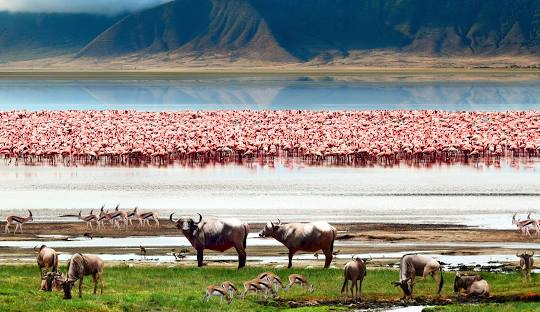
The Great Migration is a continuous, year-round loop of roughly one and a half million wildebeest, plus hundreds of thousands of zebra and gazelle, moving clockwise through the Serengeti and up into Kenya's Masai Mara in pursuit of fresh grazing and water. In September, that loop has reached its northernmost point.
The herds are concentrated in the far northern Serengeti, in two areas you will hear named again and again: Kogatende, the main northern hub with its airstrip and the camps nearest the river, and the Lamai Wedge, the triangle of land between the Mara River and the Kenyan border. This is Mara River country, and it is where the famous crossings happen. At the same time, a large portion of the herd has already pushed across into Kenya's Masai Mara, so by September the migration is genuinely split across the international border, with animals on both sides and crossing back and forth over the river.
What this means in practice is simple and important. To see the migration in September, you base yourself in the northern Serengeti. Not the central Seronera area, not the southern plains, which are empty of the migration this time of year. The north is a long way from the rest of the circuit, which is exactly why so many September trips get this wrong, and why I am hammering the point.
Early September versus late September
September is not one uniform month, and the difference between its start and its end matters more than most guides admit.
In early to mid September, the herds are at their most concentrated in the far north and the Mara. This is prime crossing time, a direct continuation of the August peak, and if crossings are your goal, this is the stronger half of the month to travel. The river sees regular activity, and the density of animals in the Kogatende and Lamai areas is high.
As September moves into its final week and toward early October, the picture starts to shift. The animals begin their long southward return, drifting down through the Loliondo and Lobo areas of the eastern Serengeti. The crossings do not stop abruptly, and late September can still deliver superb sightings, but the herds are starting to spread and move, so the concentration in the far north eases a little. If your dates are flexible and crossings are the whole point, lean toward the first three weeks of the month.
Tanzania side or Kenya side?
Because the migration straddles the border in September, a fair question is whether you should be in Tanzania's Serengeti or Kenya's Masai Mara to see it. Here is the honest answer from a Tanzanian operator, and I will try to be fair rather than parochial.
You do not need to go to Kenya to see the September migration. The Mara River, and its dramatic crossings, run through the northern Serengeti at Kogatende and the Lamai Wedge, entirely on the Tanzania side. You can watch wildebeest gather on the bank and plunge across the crocodile-filled water without ever leaving Tanzania. The Serengeti side is generally less crowded at the crossing points than the busiest parts of the Masai Mara, and it slots naturally into a wider Tanzania itinerary that also takes in the Ngorongoro Crater and the other northern parks.
The Masai Mara in Kenya is also excellent in September, with a large share of the herd on its plains, and if you are building a two-country trip it is a natural pairing. But for someone planning a Tanzania safari, the northern Serengeti gives you the full crossing spectacle without the cost and logistics of adding a second country and a border. For most of our guests, the answer is Tanzania, Kogatende, done well.
What the crossings are really like
It is worth setting expectations honestly, because the river crossing is the most mythologised event in African safari, and the reality is both more thrilling and more patient than the highlight reels suggest.
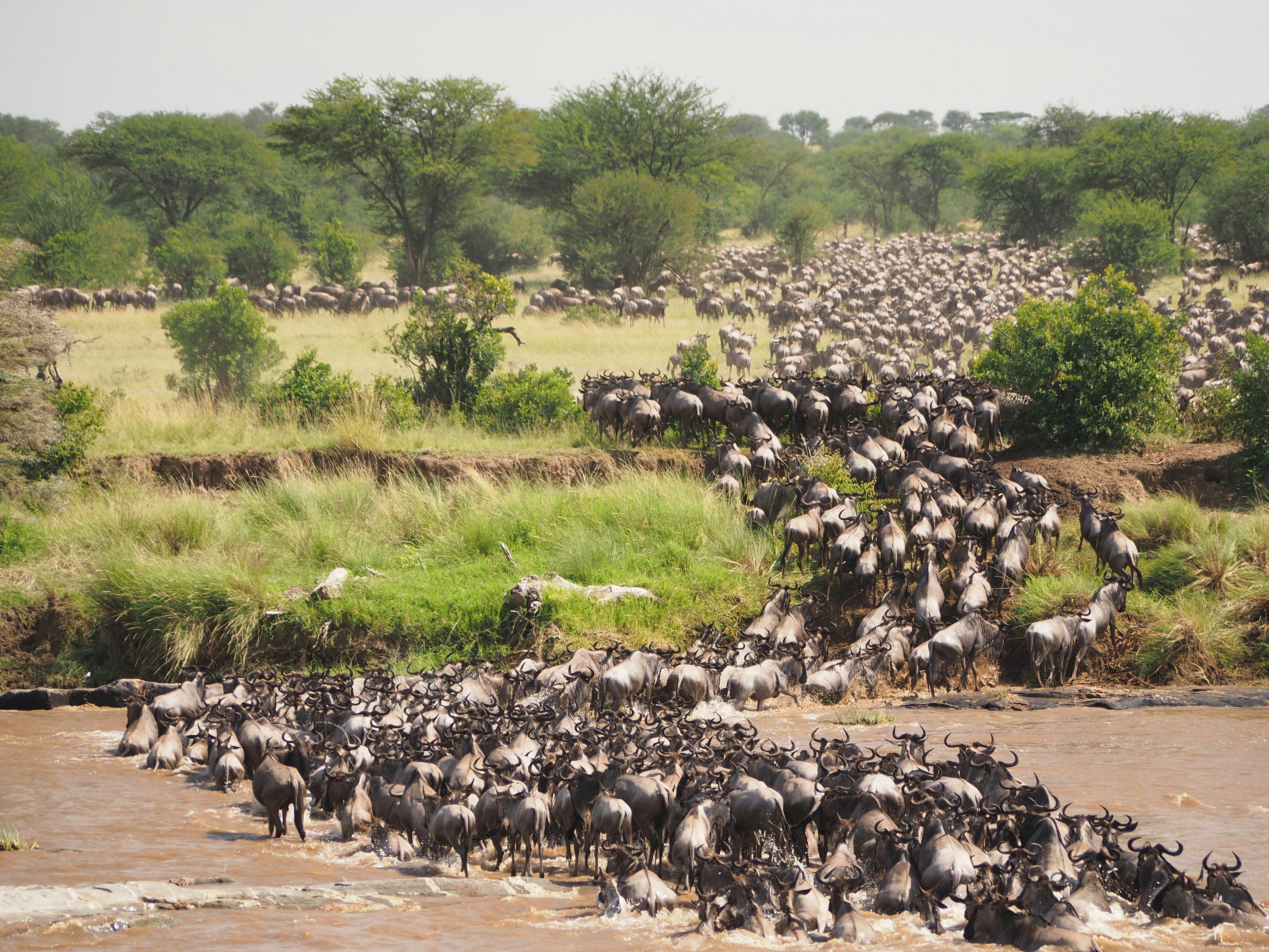
A crossing happens when a large herd, having massed on the riverbank, finally commits to the water. What triggers it is not fully predictable: the need for grazing on the far side, the pressure of animals behind, sometimes seemingly nothing at all until one wildebeest jumps and thousands follow in a churning, dust-and-spray chaos of hooves and current. Waiting in the shallows and on the banks are the Mara River's enormous crocodiles, and on the far side the lions and other predators that shadow the herds. It is raw and it is dramatic, and seeing one is genuinely one of the great wildlife experiences on earth.
But here is the part the films leave out: the waiting. Herds can stand at the water's edge for hours, or even days, building up, retreating, building again, before a crossing actually happens. Some days there is no crossing at all. Your guide reads the signs, positions you at likely crossing points, and manages the long patient hours, but no one controls the wildebeest. When it does happen, the wait makes it unforgettable. If you arrive expecting a crossing on demand, like a scheduled show, you will be frustrated. If you arrive understanding that you are watching wild animals make a wild decision, you will treasure it.
Your realistic odds, and how many days you need
Let me be practical about probabilities, because this drives how you should plan.
The single biggest lever on your odds is time in the north. One day at Kogatende in September, and you are largely at the mercy of luck: the herds might cross that day, or they might not. Three or more nights, and your chances of witnessing at least one crossing become genuinely good, because you have multiple days for the unpredictable to happen and your guide can track the herds' movements and position you accordingly. This is why I always push September migration guests toward at least three northern nights, and more if the crossings are the entire reason for the trip.
Even on a day without a full crossing, the northern Serengeti in September is far from quiet. The sheer density of wildebeest and zebra, the predators shadowing them, the tension along the river, all of it is remarkable in its own right. A crossing is the crescendo, but the whole northern experience in September is worth the trip.
The rest of the Serengeti in September
A common and costly misunderstanding is to book a September trip based in the central Serengeti, expecting the migration, and then discover the herds are a full day's drive or a short flight to the north. So let me be clear about what each part of the park offers this month.
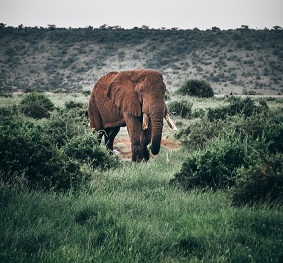
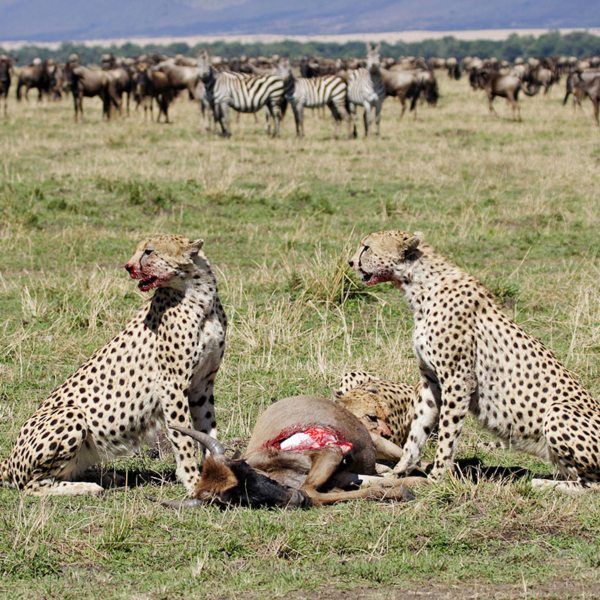
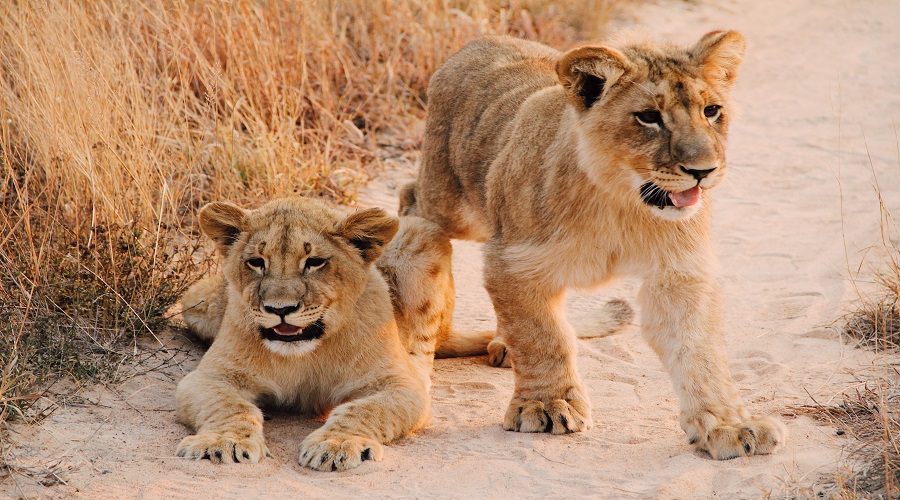
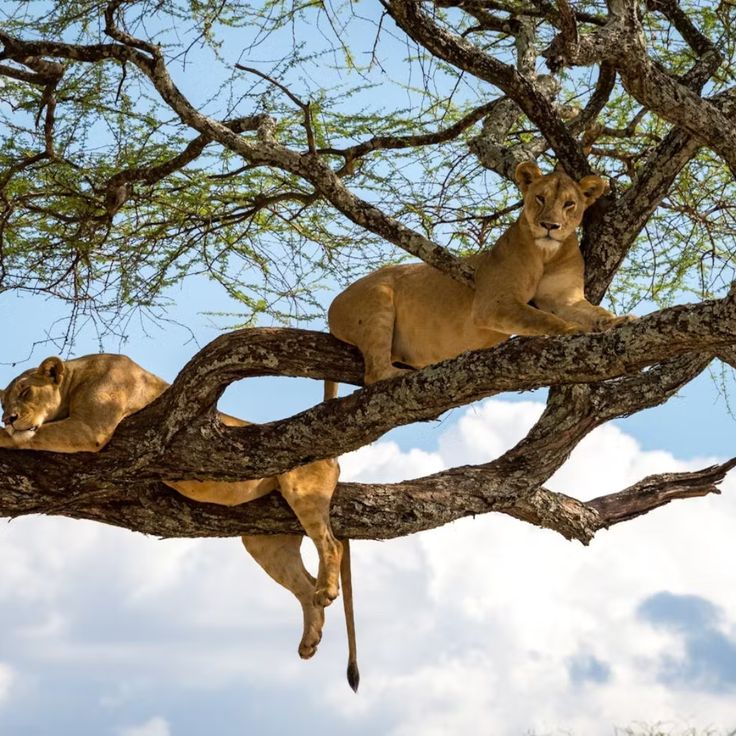
The central Serengeti, the Seronera area, does not have the migration in September. What it does have, all year round, is superb resident wildlife: some of the highest lion densities in Africa, excellent leopard along the rivers, cheetah out on the plains, plus elephant, buffalo and abundant plains game. In September's dry, short-grass conditions, the general game viewing there is at its most reliable. It is a wonderful place to spend a few days. It is simply not where the crossings are.
The southern Serengeti and the Ndutu plains are effectively empty of the migration in September, because the herds only gather there for the calving season around December to March. There is little reason to base a September migration trip in the south.
The smart September itinerary, then, often combines a couple of nights in the central Serengeti for the resident cats and the classic plains, with three or more nights in the north at Kogatende for the crossings. That way you get both the migration and the wider Serengeti, rather than gambling everything on one area. We describe exactly this shape in our 8-day Northern Circuit itinerary guide, in the migration-chaser route.
September versus August versus October
September does not exist in isolation, and if your dates have any give, it helps to see how it sits against the months on either side.
| Month | Where the migration is | Crossing prospects | Crowds & price |
|---|---|---|---|
| August | Northern Serengeti (Kogatende, Lamai) and into the Masai Mara | Peak crossings, often the single best month | Highest of the year |
| September | Far northern Serengeti and the Masai Mara, split across the border | Excellent, especially early to mid month | Very high, easing slightly late month |
| October | Moving south through Loliondo and Lobo, second Mara crossing southbound | Good early, tapering as herds head south | High but starting to ease |
The takeaway: August to mid September is the prime crossing window, with the herds most concentrated in the north. Late September into October still delivers, with the bonus of the southbound crossing and slightly easing crowds, but the concentration begins to loosen as the animals move. If crossings are the priority and you can choose, aim for the heart of that August-to-mid-September window and book early. For the full month-by-month picture across the whole year, see our guide to the best time for a Northern Circuit safari.
Weather, crowds and price in September
Three practical realities shape a September trip beyond the wildlife itself.
- Weather. September is dry-season weather at its finest for safari. Days are warm and clear, generally in the mid to high twenties Celsius, mornings and evenings are cool enough for a fleece, and rain is unlikely. The dry conditions keep the grass short and the animals concentrated, which is part of why September game viewing is so reliable across the whole park.
- Crowds. September is firmly peak season. The northern Serengeti crossing areas and the popular crossing points draw plenty of vehicles, especially in early September. A good operator plans around the busiest spots and times, but you should expect company at a major crossing, not solitude.
- Price. September carries peak-season pricing, among the highest of the year, especially at the northern camps closest to the river. This is the trade-off for prime crossing access. If budget is the deciding factor and the migration is not essential, the green season offers the same parks for far less, as covered in our safari costs and park fees guide.
How to plan a September migration safari
Pulling it together, here is how to build a September trip that actually puts you where the migration is.
- Base in the north. Make Kogatende and the northern Serengeti the heart of the trip, not an afterthought. This is non-negotiable if the migration is your goal.
- Give it three or more nights up north. Enough days for the unpredictable crossings to happen and for your guide to track the herds.
- Fly, do not drive, the northern leg. The far north is ten to twelve hours by road from Arusha, so nearly everyone flies in to the Kogatende airstrip. Our guide to flying to the Serengeti covers the costs and timings.
- Consider adding central Serengeti nights for the resident cats and the classic plains, so the trip is not entirely dependent on crossing luck.
- Add the Ngorongoro Crater if you want the fuller Northern Circuit, since its resident wildlife is superb year-round and it pairs naturally with a Serengeti trip.
- Book early. The best northern camps sell out a year or more ahead for September. Plan well in advance.
Plan your September migration safari
Send us your September dates and your group size, and we will build a route that puts you in the northern Serengeti for the crossings, with the nights and the flights arranged to give you the best possible chance.
Plan it on WhatsApp Email usRelated Trips
Frequently asked questions
Where exactly is the Great Migration in September?
In September the Great Migration is concentrated in the far northern Serengeti, in the Kogatende and Lamai Wedge areas along the Mara River, and across the border in Kenya's Masai Mara. This is the classic river-crossing stage of the migration. Early in the month the herds are heavily in the north and the Mara, and toward the end of September they begin drifting south again. If you want to see the migration in September, the northern Serengeti is where you base yourself.
Can you see the Mara River crossings in September?
Yes. September, alongside August, is one of the two best months for the Mara River crossings, and they are watched from the northern Serengeti at Kogatende and the Lamai Wedge on the Tanzania side, without needing to enter Kenya. Crossings happen when the herds decide to move, driven by rain and grazing rather than a schedule, so no operator can promise one on a fixed day. Spending three or more nights in the north gives you a genuinely good chance of witnessing one.
Is the migration in Tanzania or Kenya in September?
Both. By September the herd has split across the Serengeti-Mara ecosystem, with a large portion in Kenya's Masai Mara and a substantial number still in the northern Serengeti around Kogatende and the Lamai Wedge. You do not need to go to Kenya to see the migration in September, because the Mara River crossings occur on the Tanzania side too. Which side suits you depends on your wider trip, but for a Tanzania safari the northern Serengeti delivers the crossings.
Where is the migration in early September versus late September?
In early September the herds are strongly concentrated in the far northern Serengeti and the Masai Mara, and this is peak crossing time along the Mara River. As September progresses into its final week and into early October, the animals gradually begin their southward return, moving down through the Loliondo and Lobo areas of the eastern Serengeti. For the strongest crossing action, early to mid September is marginally better than the very end of the month.
How many days do I need in the northern Serengeti to see a crossing?
Plan for at least three nights in the northern Serengeti in September to give yourself a genuinely good chance of witnessing a Mara River crossing. Crossings are unpredictable, with herds sometimes gathering on the bank for hours or days before one animal jumps, so a single day leaves too much to luck. Three or more nights lets your guide track the herds and position you when the signs are right. More nights improve your odds further.
Is September or August better for the migration?
Both are excellent and both centre on the northern Serengeti and the Mara River crossings. August is often considered the single peak crossing month, with the herds massed in the north, so it is marginally the safer bet for crossings but also the busiest and most expensive. September is nearly as good for crossings, slightly less crowded as the month goes on, and the herds are more split between the Serengeti and the Mara. If your dates are flexible and crossings are the goal, August to mid September is the prime window.
Can I see the migration from the central Serengeti in September?
Not reliably. In September the migration and the river crossings are in the far northern Serengeti, roughly a full day's drive or a short flight from the central Seronera area. The central Serengeti in September holds superb resident wildlife, including high densities of lion, leopard and cheetah, so it is a wonderful place to be, but it is not where the migration herds or the crossings are. If the migration is your priority, you must base yourself in the north, not the centre.
What is the weather like in the Serengeti in September?
September is dry-season weather at its best for safari. Days are warm and clear, typically in the mid to high twenties Celsius, mornings and evenings are cool, and there is little rain. The dry conditions keep the grass short and the wildlife concentrated, which is part of why September game viewing is so reliable across the whole park, not just for the migration. Bring layers for cold early game drives and sun protection for the middle of the day.
Do I need to book far ahead for a September migration safari?
Yes. September is peak season, and the northern Serengeti camps closest to the Mara River crossing points are in high demand and limited in number. The best of them book up twelve months or more in advance, and prices are at their annual peak. If you want a September crossing trip with a good northern camp, plan and book as early as you can, ideally close to a year ahead for the most sought-after camps.
Do I have to go to Kenya to see the migration in September?
No. While a large part of the herd is in Kenya's Masai Mara in September, the Mara River and its dramatic crossings run through the northern Serengeti too, at Kogatende and the Lamai Wedge, entirely on the Tanzania side. You can experience the full river-crossing spectacle without leaving Tanzania. Whether to combine with Kenya is a separate choice about your overall trip, not a requirement for seeing the September migration.
Where does the migration go after September?
From late September into October the herds begin moving south again, crossing back over the Mara River and heading down through the Loliondo and Lobo areas of the eastern Serengeti. Through November the short rains draw them further south toward the short-grass plains, and by December to March they gather on the southern Serengeti and Ndutu plains for the calving season. September sits near the end of the northern crossing phase, just before the southward return begins.
Safari Operations Director, Kai Tours & Safaris.
Sets up northern Serengeti crossing trips every season, and would rather tell you the herds are at Kogatende than sell you a central-Serengeti week in September and let you find out.