The reason two Tanzania safari quotes can look identical and cost hundreds of dollars apart is almost always the fees hidden below the headline price: the Ngorongoro crater service fee (about US$295 per vehicle), per-person conservation fees of roughly US$82.60 for the Serengeti and US$70.80 for Ngorongoro per adult per 24 hours, concession fees for nights inside a park, and 18 percent VAT. This guide breaks every one of them down honestly, shows you the wording traps in a quote, and explains the safari-to-Zanzibar transition. It also points to the shortcut most people miss: reaching a safari from Zanzibar by air, or doing the southern parks like Mikumi and Nyerere from Dar es Salaam, where the fees are far lower and the beach transition is simpler.
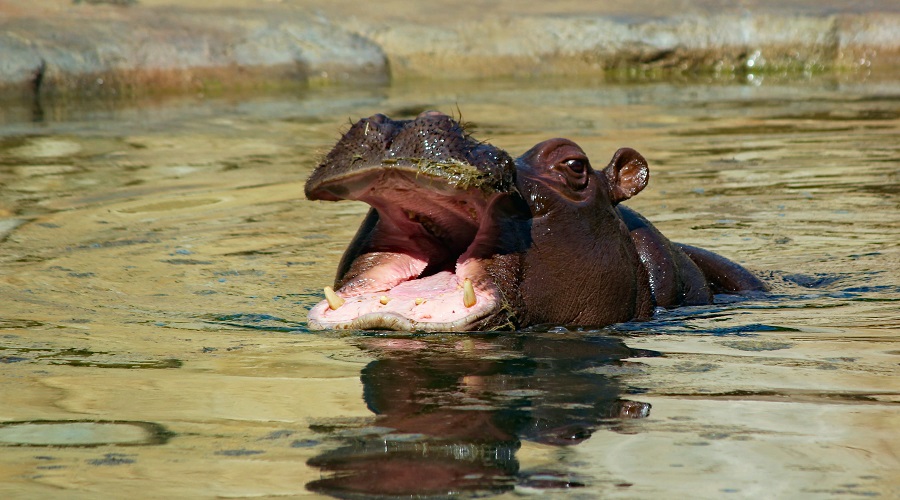
Understanding park and conservation fees before you book
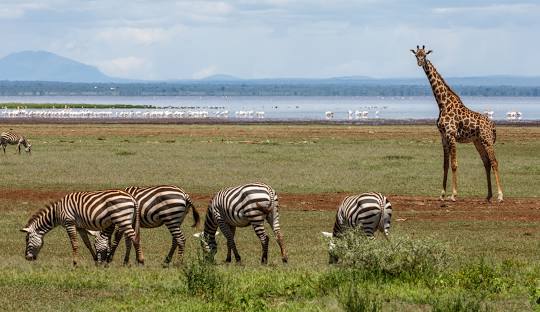
The Ngorongoro Crater, where two separate fees apply
On This Page
- What a safari quote actually contains
- The 2026/2027 park fees, in plain numbers
- The Ngorongoro crater fee explained
- Concession fees and the inside-park trap
- The wording traps that change the price
- Drive times, the road to hell, and flying
- The shortcut most people miss
- The safari-to-Zanzibar transition
- What surprises people about Zanzibar
- How to spot a legitimate operator
- Frequently asked questions
What a Safari Quote Actually Contains
The single biggest source of confusion when planning a Tanzania safari is that a quote is not one price. It is a stack of separate costs, some fixed by the government and some set by the operator, and the ones that get left off the headline are almost always the government ones. Understanding the stack is how you compare two itineraries fairly instead of by their front-page number.
Every quote is built from these layers:
- Per-person conservation or park fees, charged per adult for every 24 hours inside each park.
- The Ngorongoro crater service fee, charged per vehicle each time you descend into the crater, if the crater is on your itinerary.
- Concession or camping fees, charged per person for every night you sleep inside a park boundary.
- A vehicle entry fee, charged per vehicle per day.
- The safari operation itself: the 4x4, fuel, your professional guide, accommodation, meals and transfers.
- 18 percent VAT, which applies to the government fees and to most services.
When a total looks suspiciously low next to another, it is usually because one or more of the first four layers has been left out, to be discovered later or paid at a gate. A trustworthy quote lists them as separate lines so you can see exactly what you are paying and why.
The 2026/2027 Park Fees, in Plain Numbers
Here are the current fees for the parks that matter most to a northern-circuit or southern-circuit trip. All figures are per adult, per 24 hours, for non-resident foreign visitors, and include 18 percent VAT unless stated. Children aged 5 to 15 pay a reduced rate, and under-5s are generally free.
| Park or area | Fee band | Adult, per 24h (incl VAT) |
|---|---|---|
| Serengeti National Park | Top tier | ~$82.60 (peak) / ~$70.80 (low) |
| Ngorongoro Conservation Area | NCAA, separate authority | ~$70.80 per entry |
| Ngorongoro crater service fee | Per vehicle, per descent | ~$295 per vehicle |
| Tarangire National Park | Mid tier | ~$59 |
| Lake Manyara National Park | Mid tier | ~$59 |
| Nyerere National Park (Selous) | Upper tier (confirm) | ~$70.80 |
| Mikumi National Park | Standard tier | ~$35.40 |
| Inside-park concession fee | Per person, per night | ~$60 plus VAT |
| Public campsite | Per person, per night | ~$35.40 |
| Special campsite | Per person, per night | ~$59 |
| Vehicle entry fee | Per vehicle, per day | ~$10 to $40 |
The number that jumps out, and the one this whole guide keeps coming back to, is the gap between the top tier and Mikumi. A day in the Serengeti or Ngorongoro costs a foreign adult roughly US$71 to US$83 in gate fees alone, before you have paid for a vehicle, a guide, a bed or a meal. The same day in Mikumi is about US$35. Over a multi-day trip for a family, that difference runs into hundreds of dollars.
The Ngorongoro Crater Fee Explained
The Ngorongoro Crater is the most misunderstood line in any northern-circuit quote, because there are two separate charges and quotes often show only one.
The first is the conservation fee, about US$70.80 per adult per 24 hours, which you pay to enter the Ngorongoro Conservation Area at all. The second is the crater service fee, about US$295 per vehicle, each time your vehicle actually descends onto the crater floor. That second fee is charged per vehicle, not per person, and it is the one most often missing from a headline price.
There is one more catch worth knowing. To reach the Serengeti by road from Arusha, you must cross the Ngorongoro Conservation Area, and you pay the conservation fee to transit even if you never descend into the crater. If your route crosses it on the way in and again on the way out, you pay it twice. This is a genuine cost that padded itineraries rarely explain.
Concession Fees and the Inside-Park Trap
A concession fee, sometimes called a hotel concession or special campsite fee, is a per-person, per-night charge of roughly US$60 plus VAT that lodges and camps inside a national park pay to the park authority and pass straight on to you. It is separate from your room rate and separate from the park entry fee.
This is why an inside-park lodge can cost far more per person, per 24 hours, than the nightly room rate suggests. Stack a Serengeti conservation fee of about US$82.60 on top of a concession fee of about US$70.80, and a single adult is paying more than US$150 a day in fees alone before the room, the vehicle and the guide. None of that is a scam. It is simply the real cost of sleeping among the wildlife, and the honest thing is to show it to you rather than bury it.
The Wording Traps That Change the Price
Two itineraries can read almost identically and deliver very different trips. These are the phrases to interrogate before you compare prices.
"Serengeti area"
This can mean a camp inside the central Serengeti, where you are among the wildlife at dawn, or a lodge in Ikoma or a similar spot outside the park gate. Staying outside can add one to two hours of driving to and from your game drives every day, plus gate queues, which quietly costs you the best wildlife hours. Ask plainly: is this accommodation inside the park boundary or outside it?
"All-inclusive"
On a beach holiday this means every meal and most drinks. On a safari it can mean almost anything. Ask which meals are included, whether park and concession fees are inside the price, and whether drinks and tips are extra. This word causes more disappointment than any other, so ask for specifics before you compare.
"From $X"
A "from" price is usually the largest group in the low season. If you are two people travelling in peak season, your real price can be much higher, because the vehicle and guide are shared across fewer people and the fees are seasonal. Always get a quote for your actual group size and dates.
Drive Times, the Road to Hell, and Flying
The drive from Arusha to the central Serengeti is often sold as a six-hour transfer. In reality, with gate formalities at Ngorongoro, roadworks and the long rough descent that guides only half-jokingly call the road to hell, it is usually eight to ten hours, and it is at its worst in the dry season when the dust is thick. If a quote treats this as a casual travel day, the itinerary is being padded, and you are losing a day of your trip to a vehicle.
Flying is the fix. A one-way light-aircraft flight into or out of the Serengeti typically runs about US$100 to US$175, and it turns two lost road days into a couple of scenic hours. If you fly out of the Serengeti at the end, you also skirt a second crossing of the Ngorongoro Conservation Area and its per-person fee, so the net extra cost of flying is smaller than the headline suggests, and you arrive at the beach far fresher.
The Shortcut Most People Miss
Almost everyone planning this trip assumes the safari has to be the northern circuit out of Arusha, with its top-tier fees, long drives and internal flights. It does not. There are two routes that are cheaper, simpler, and far kinder to the safari-to-beach transition, and they are what we build our business around.
Fly to a safari directly from Zanzibar
You can fly from Zanzibar straight to the Serengeti or the northern parks, do a proper fly-in safari, and fly back to the beach, without ever routing through Arusha by road. It removes the two-day drive entirely and solves the transition problem, because the beach is your base at both ends.
Do the southern parks from Dar es Salaam
Mikumi and Nyerere sit south of Dar es Salaam, reachable by the fast SGR train or a short road transfer, with no long northern drive at all. Mikumi's gate fee is roughly half the Serengeti's, and its Mkata Floodplain, the so-called mini-Serengeti, gives open, easy viewing of lions, elephants, giraffe, zebra and hippo. Nyerere, the former Selous, adds Rufiji River boat safaris and one of Africa's best chances of wild dogs, an experience the northern circuit cannot offer. For a first safari, a short budget, or an easy add-on to a Dar or Zanzibar trip, this is the smart route.
The Safari-to-Zanzibar Transition
The hardest part of combining safari and beach is not the safari or the beach, it is the day in between. Here is how to get it right.
- Treat it as a travel day, not a beach day. After several dawn starts on safari, a same-day connection to a beach lounger rarely works as imagined. Small planes have tight schedules and strict luggage limits, usually 15 kilograms in a soft bag.
- Do Stone Town first. Arriving into Stone Town for a night, rather than transferring straight to a far beach after a full travel day, is the gentler landing. You see the old town while you are still in transit mode, then move to the beach rested.
- Build in a buffer before your flight home. Light aircraft are occasionally weather-delayed. A spare day between your last safari flight and your international departure removes the risk entirely.
- Check your departure airport and time early. Some Zanzibar international flights leave very late at night, and whether you fly home from Zanzibar or Dar changes the whole routing. Give your operator the flight details before the itinerary is locked.
What Surprises People About Zanzibar
Zanzibar is wonderful, but it rewards travellers who arrive with the right expectations. A few honest points that catch people out:
- The tides are dramatic on the east coast. At Paje, Jambiani and Matemwe the sea can retreat a long way at low tide, so the beach you pictured depends on the hour. The north, Nungwi and Kendwa, holds water better.
- The beaches are lovely but not the point of difference. Travellers who compare them strictly to the Caribbean or the Mediterranean sometimes feel let down. Those who come for the culture, the reefs and the spice-island character rarely do.
- Expect friendly but persistent sellers on the popular beaches, offering excursions and trinkets. A polite, relaxed no is all that is needed.
- Power cuts and a slower pace are part of island life. Build them into your expectations rather than your complaints.
Read the full Zanzibar first-timer's guide for a complete breakdown of beaches, timing and what to pack.
How to Spot a Legitimate Operator
The most anxious moment in planning a first safari is wiring money to a company on the other side of the world and hoping a guide actually turns up. Protect yourself by checking for these signals:
- A licensed, locally registered operator with a real physical address and a verifiable review profile.
- A published, itemised quote that separates park fees, concession fees, the crater fee, the vehicle and guide, and accommodation, so nothing hides in a lump sum.
- A clear deposit and balance structure through traceable payment, rather than pressure to send an untraceable transfer to a personal account.
- Straight answers to direct questions about whether accommodation is inside or outside the park, and exactly which fees are included. Vagueness and urgency are the warning signs.
This is, frankly, the standard we hold ourselves to. We publish our prices, we itemise our fees, and we would rather tell you the crater descent costs US$295 than hide it and hope you do not notice.
Get an Honest, Itemised 2026/2027 Quote
Tell us your dates, your group size and whether you want the northern circuit, a fly-in from Zanzibar, or the southern parks from Dar. We will send a line-by-line quote with every fee shown, usually within a few hours.
Ask on WhatsApp Email Us