Key takeaways
- Two Decembers: early-month is quiet, green and good value; mid to late December is the sunny, lively, peak-priced festive season.
- Migration: gathering and pre-calving on the southern Serengeti plains near Ndutu, not the river crossings (July–October).
- Northern Circuit highlight: southern Serengeti and Ndutu; the central Serengeti and Ngorongoro Crater are reliable all year.
- Southern Circuit: Mikumi, Nyerere, Ruaha and Saadani are green, quiet and the easiest circuit from Dar es Salaam and Zanzibar.
- Coast: excellent beach weather and whale shark season off Mafia Island, roughly October to March.
On this page
- Is December a good time to visit?
- Tanzania weather in December
- The two Decembers: value vs festive
- Where is the migration in December?
- Best places (Northern Circuit)
- The Southern Circuit
- Zanzibar and the coast
- Getting there from Dar & Zanzibar
- Other things to do
- The pros and cons
- What to pack
- So, is December worth it?
- Frequently asked questions
Is December a good time to visit Tanzania?
Yes, and I say that with a caveat rather than a marketing flourish. December is genuinely one of the more rewarding months to visit, but only if you go in with your eyes open about which December you are booking.
The short rains that define November are easing by December, so the country is green and fresh, the wildlife is active, and the light is beautiful. Early in the month you get all of that with green-season prices and hardly any crowds. Then the festive season lands, roughly from the middle of December, and the mood, the weather and the price tags all change. Neither half is better in the abstract. One is quiet and good value, the other is sunny and festive and busy. The mistake is booking one while expecting the other, which is exactly what I will help you avoid.
Tanzania weather in December
December weather divides neatly between the highlands and safari parks inland and the hot coast, so here is what to actually expect.
| Region | Temperature | Conditions |
|---|---|---|
| Northern safari parks (Serengeti, Ngorongoro, Arusha area) | ~16 to 28°C | Green and lush, short rains easing, mostly brief afternoon showers that clear by evening, clear rain-washed air |
| Ngorongoro Crater rim | Cooler, cold at night | High altitude, chilly mornings, pack a warm layer |
| Southern parks (Nyerere, Mikumi, Ruaha, Saadani) | Warm, ~25 to 32°C | Hot lowland, green season, brief showers, full rivers for boat safaris |
| Zanzibar and the coast | ~31 to 33°C, sea ~29°C | Hot and humid, mostly sunny, occasional showers, excellent beach weather |
The headline is that December rain is not the wash-out people fear. The short rains are lighter than November's, and inland they tend to come as short afternoon showers rather than all-day rain, with clear mornings for game drives. One genuine bonus: the rain clears the haze, so the air is crisp and you get long, clean views, of Kilimanjaro, across the plains, and down into the Ngorongoro Crater, which is a gift for photographers. Carry a light waterproof and the weather rarely interferes with a safari.
The two Decembers: early-month value vs festive peak
This is the section that will save you the most money and the most disappointment, so I am giving it its own space.
Early December (to about mid-month)
Quiet and good value. Green-season pricing, deals on safari and beach lodges, and very few other visitors. Slightly higher chance of a short shower, and grass is taller. The landscape is at its greenest. If budget and quiet matter more than guaranteed sun, this is your window.
Mid to late December (festive)
Sunny, lively and peak-priced. The rains ease further, the weather turns reliably dry and sunny, and the festive atmosphere is wonderful. But it is the most expensive and busiest time of the year, and the best camps and Zanzibar lodges sell out months ahead. Book early or accept second choices.
So the same month gives you two quite different trips. If you can travel in the first two weeks, you get much of December's beauty at a fraction of the festive price. If your dates are fixed over Christmas or New Year, that is a lovely time to be here too, just plan and book well ahead, and budget for peak rates. For how festive pricing fits into the wider cost of a trip, see our safari costs and park fees guide.
Where is the wildebeest migration in December?
Here is where I part company with the articles that promise you the Great Migration in December without explaining what that actually means in this month.
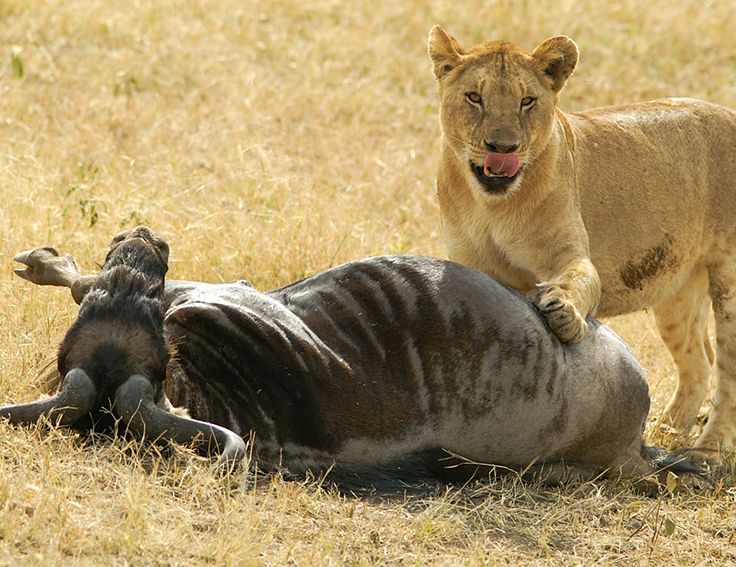
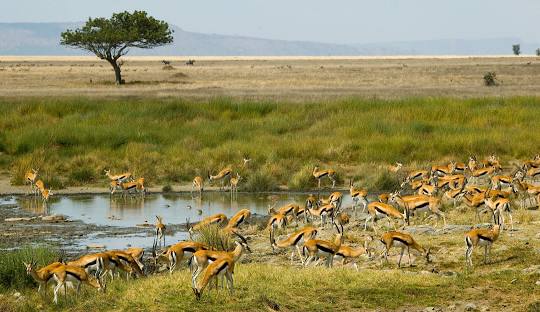
In December you will not see the famous Mara River crossings. Those happen far to the north between July and October, and by December they are long finished. What December offers instead is the southward gathering: the herds are moving down through the central Serengeti toward the Ndutu area and the southern short-grass plains, following the short rains to the fresh, nutrient-rich grazing where they will give birth. By late December the first big herds reach Ndutu. The females are heavily pregnant, the columns stretch across the plains, and the predators, lion, cheetah, hyena, are already shadowing them. It is the tense, building phase just before the calving spectacle of January and February.
That is a genuinely dramatic and far less crowded stage of the migration, and it is honest to call it what it is: gathering and pre-calving in the south, not crossings. If you want the full month-by-month picture of where the herds are all year, our best time and migration guide lays it out.
Best places to go on safari in December (Northern Circuit)
December's wildlife map is different from the dry season, so where you go matters.
Southern Serengeti and Ndutu
This is the December headline. As the herds gather on the southern plains before calving, the Ndutu area and the southern Serengeti come alive with wildebeest, zebra and the predators that follow them. Mobile camps move down here for the season to stay beside the action.
Central Serengeti and the Ngorongoro Crater
Both hold superb resident wildlife all year, so they are reliable in any season, December included. The central Seronera area has strong big-cat densities, and the crater packs the Big Five into a single day regardless of the month. The crater in the green season is especially lovely, greener underfoot and with fewer vehicles. See our Ngorongoro Crater guide.
Tarangire and Lake Manyara
An honest note: Tarangire is at its very best in the dry season, when animals concentrate along the river. In the green season, with water widely available, the wildlife disperses and sightings are a little less predictable. It is still worth a visit, and Lake Manyara's forest and birdlife are rewarding year-round, but for December the Serengeti and the crater are the stronger draws.
One more December plus across all the parks: the birding is excellent, with migratory species present and flamingos active on the soda lakes.
The Southern Circuit in December
Now the part of Tanzania I know best, and the part most December guides barely mention. The Southern Circuit is quieter, wilder and, for a lot of travellers, the more soulful side of the country, and it happens to be the easiest circuit to reach from Dar es Salaam and Zanzibar. December suits it well. This is green season in the south: warm days, some short showers, lush scenery, superb birding, far fewer vehicles and lower prices, and, crucially, the rivers are full, which makes the boat safaris a real highlight.
Mikumi National Park
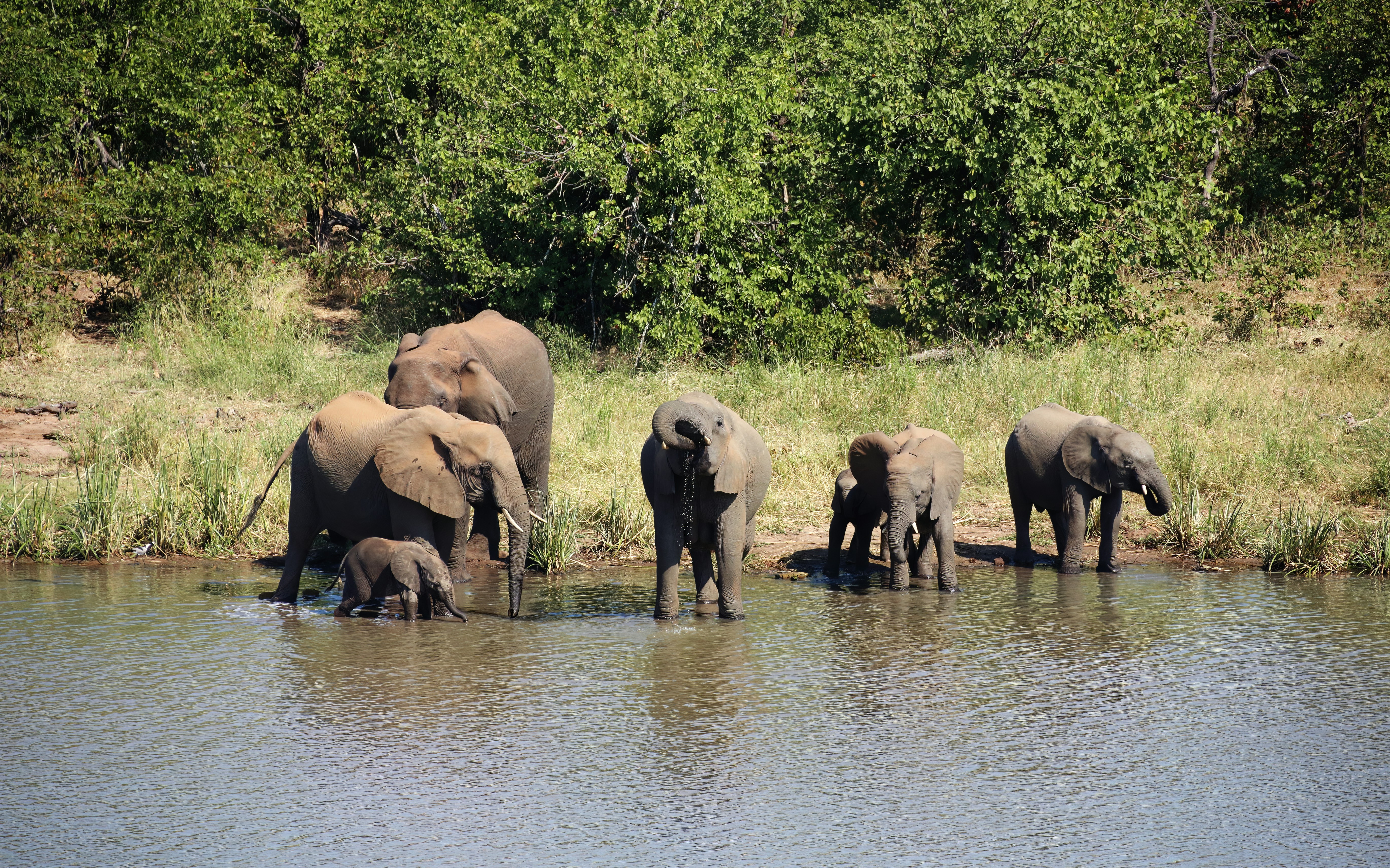
The most accessible safari in the whole country. Mikumi sits about four to five hours from Dar es Salaam on good tarmac, or a short flight away, and its Mkata floodplain holds elephant, lion, giraffe, zebra and buffalo, with park fees far lower than the north. In December it is green and rewarding, and it is the trip we run most often for people coming off the coast.
Nyerere National Park (the former Selous)
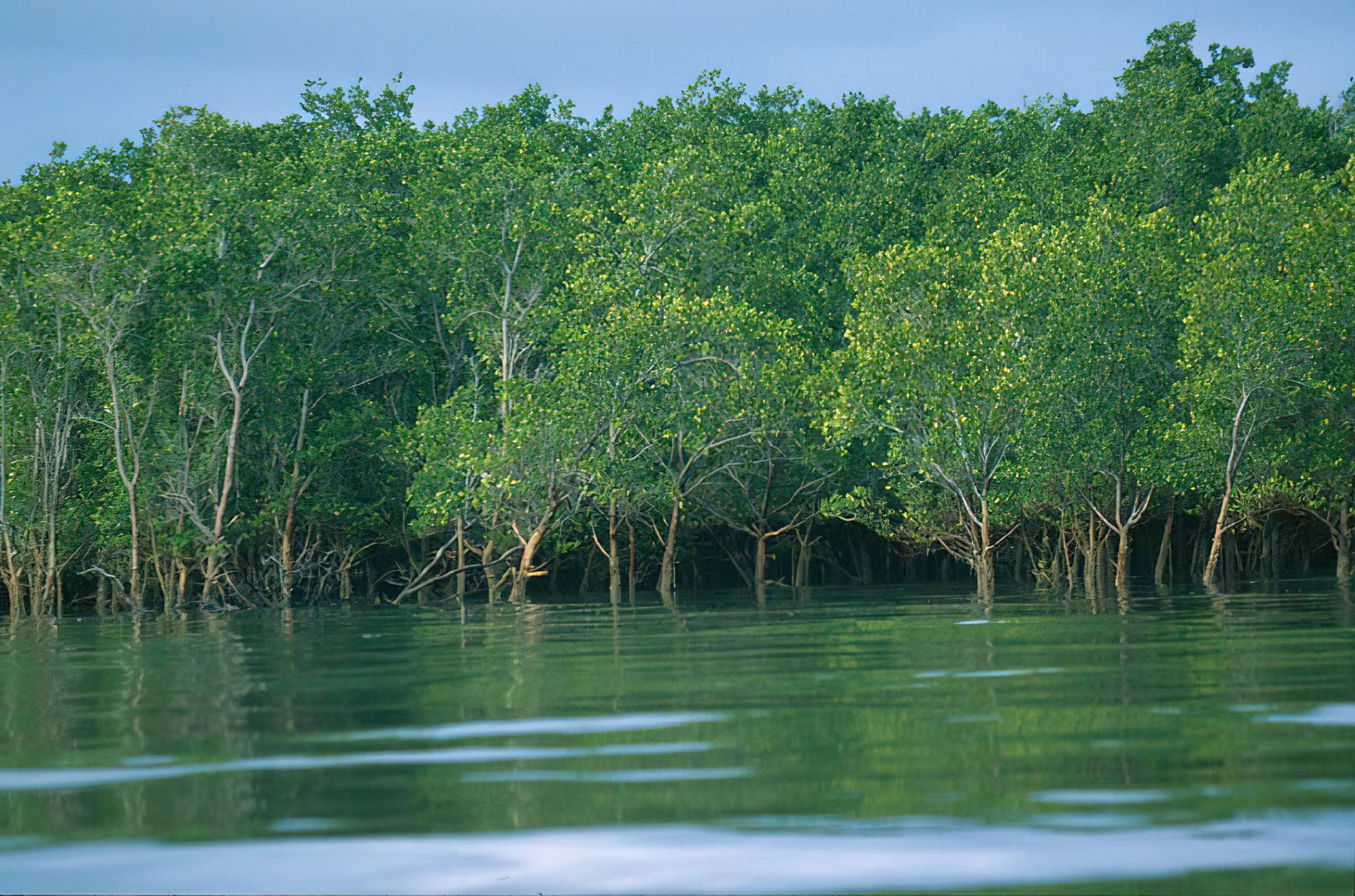
The star of the south, and one of the largest protected areas in Africa. Nyerere's signature is the boat safari on the Rufiji River, and December's higher water makes it especially good, with hippo, crocodile, elephant and birdlife along the banks, plus walking safaris on offer. It is a short light-aircraft flight from Dar es Salaam, roughly forty-five minutes, or a direct hop from Zanzibar.
Ruaha National Park
Tanzania's largest national park, remote and genuinely wild, with huge lion prides, one of the country's best chances of wild dog, and baobab-studded country. An honest note for December: the dry season from June to October concentrates Ruaha's game around water, so in the green season the wildlife is more dispersed. What you get instead is excellent birding and near-total solitude. It is reached by flight.
Saadani National Park
The one place in Tanzania where the bush meets the beach. On the coast, Saadani is where elephant sometimes walk on the sand, and you can take a boat safari up the Wami River. Its trump card is access: it is the easiest mainland park to reach from Zanzibar, a short flight or boat across the channel, so it pairs a mini-safari with a beach trip beautifully. Green and quiet in December.
Udzungwa Mountains
Not a game-drive park but a hiker's one, near Mikumi: rainforest trails, waterfalls and rare endemic primates. Lush and at its greenest in December, and an easy add-on to a Mikumi trip.
The honest December verdict for the south: green season means some rain and more dispersed big game in the driest parks, but full rivers for the boat safaris, brilliant birding, lower prices and real solitude. For a short, affordable, accessible December safari from the coast, the Southern Circuit is hard to beat, and it is exactly what we build most.
Zanzibar and the coast in December
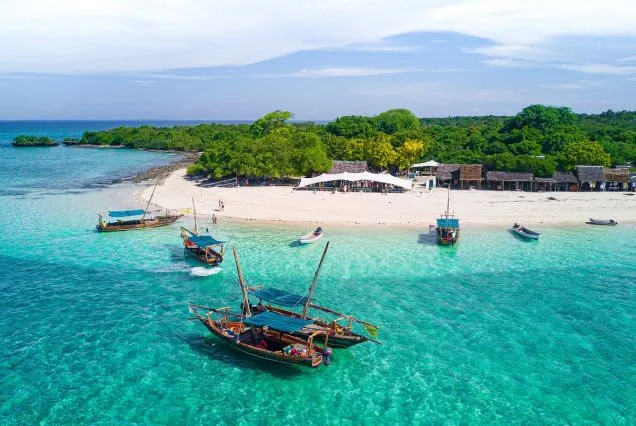
December is one of the best months for the coast, which is a big part of why it is such a popular time for a bush-to-beach trip.
Zanzibar in December is hot and mostly sunny, with a warm sea and only the occasional shower, ideal for the beach, snorkelling and diving. It is also festive-season peak, so the finest beach lodges book out early and rates are at their highest over Christmas and New Year. A lovely December-specific bonus is whale shark season, which runs roughly October to March off Mafia Island and near the coast, a remarkable snorkelling experience if you time it right. A safari in the south followed by a few days on the coast is the classic December trip, and our guide to combining a safari with Zanzibar shows how to sequence it.
Getting to your safari in December: from Dar es Salaam and Zanzibar
Because so many of our guests start from the coast rather than from Arusha, here is how you actually reach each circuit, which matters more in December when festive-period flights and transfers fill up.
From Dar es Salaam
Dar es Salaam is the gateway to the Southern Circuit. Mikumi is a four to five hour drive on good tarmac, or a short flight. Nyerere and Ruaha are quick light-aircraft flights, with Nyerere only about forty-five minutes away. Saadani is a road transfer or a boat up the coast. For the Northern Circuit, you fly from Dar to the Serengeti or up to Kilimanjaro and Arusha.
From Zanzibar
Zanzibar is closer to a safari than most people realise. For the Southern Circuit, there are short flights to Nyerere, and Saadani is a brief hop across the channel by air or boat, so you can combine the island with a mainland mini-safari without a long journey. For the Northern Circuit, you fly to the Serengeti in about one hour forty, or connect through Arusha.
Other things to do in December
- Climb Kilimanjaro. December falls in one of the two popular trekking windows, with a drier spell around the turn of the year. It can be cold and there may be snow near the summit, but the clear post-rain air makes for excellent views.
- Chase whale sharks off Mafia Island, a genuine December highlight for divers and snorkellers.
- Birding. With migratory birds in and flamingos active, December is one of the best birding months of the year.
- Festive in the bush. Many camps and lodges put on a special Christmas and New Year atmosphere, which, combined with the green scenery, makes for a memorable way to end the year.
- Culture. Areas like Lake Eyasi offer cultural visits with the Hadzabe and Datoga communities, a good addition to a green-season trip.
The pros and cons of a December safari
To keep this honest, here is the balance sheet.
The pros
- Green, lush landscapes and clear, photogenic air
- The migration gathering in the south, pre-calving drama
- Excellent birding, migratory species and flamingos
- Fewer crowds and lower prices in early December
- Superb beach weather and whale sharks on the coast
- Festive atmosphere over the holidays
- Full rivers for Rufiji boat safaris, and easy Southern Circuit access from Dar and Zanzibar
The cons
- Short afternoon showers, mainly early in the month
- Taller grass can make some wildlife harder to spot
- Tarangire's wildlife disperses in the green season
- No river crossings, that is July to October
- Festive-period crowds and peak prices from mid-December
- Best camps and beach lodges book out far ahead for the holidays
- Big game more dispersed in the driest southern parks such as Ruaha
What to pack for Tanzania in December
December's mix of warm days, occasional showers, cool highland mornings and hot coast means packing for a range.
- A light waterproof shell, for the occasional afternoon shower, more likely early in the month.
- Breathable, neutral-coloured layers for warm days on game drives.
- A warm layer for cool early mornings and the high, chilly Ngorongoro Crater rim.
- Sun protection, a hat, sunglasses and strong sunscreen, the equatorial sun is fierce between showers.
- Binoculars and a camera, December's clear air and green backdrops are excellent for photography.
- Insect repellent, mosquitoes are more active in the green season, and take malaria precautions.
- Beach and swimwear for a Zanzibar extension, plus light clothing for the coastal heat.
If your trip includes internal flights, use a soft duffel rather than a hard case, as light aircraft limit luggage to about 15 kg.
So, is December worth it? My honest verdict
The couples and families I enjoy planning December trips for most are the ones who want the green season's beauty and value without the peak-season crush, and who like the idea of ending the year in the bush and on the beach. If that sounds like you, tell me your exact dates and I will tell you honestly which December you are getting and build the trip to suit it.
Plan your December trip
Tell us your dates and whether you are after early-month value or a festive holiday, and we will build a safari and beach trip to match, and quote it in full with every fee shown.
Want to Explore More
Frequently asked questions
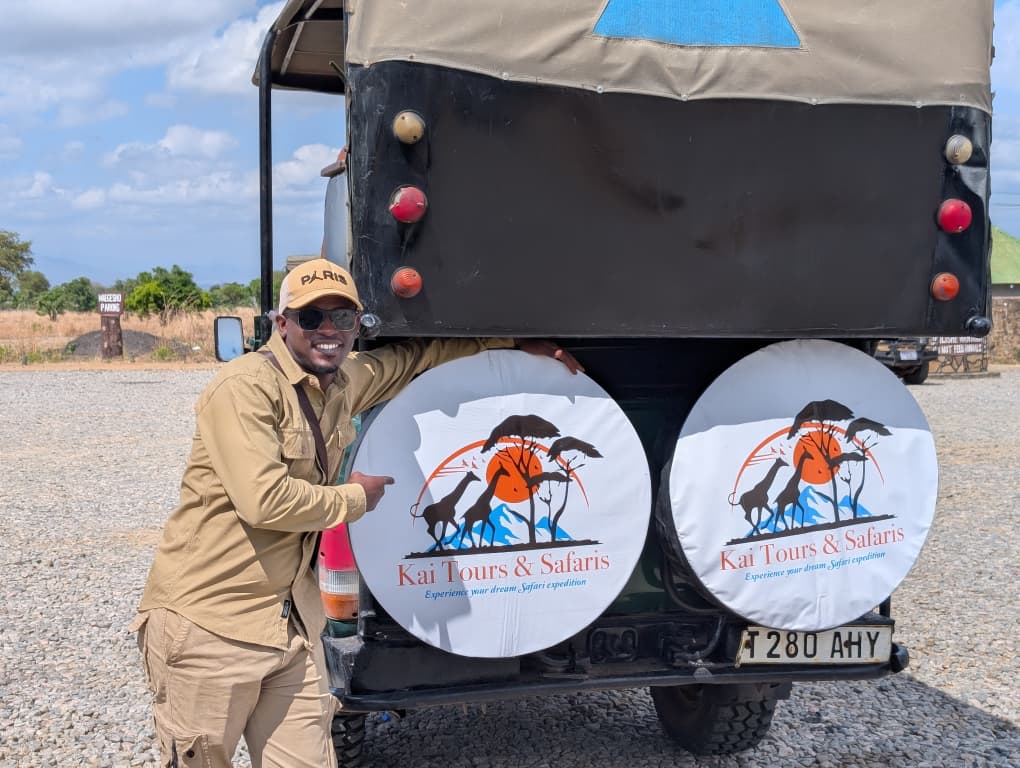
Justus Kahwa, Safari Operations Director, Kai Tours & Safaris.
Plans December safaris every year and will tell you honestly whether your dates fall in the quiet, green early month or the busy festive peak.