The tides, the thing nobody warns you about
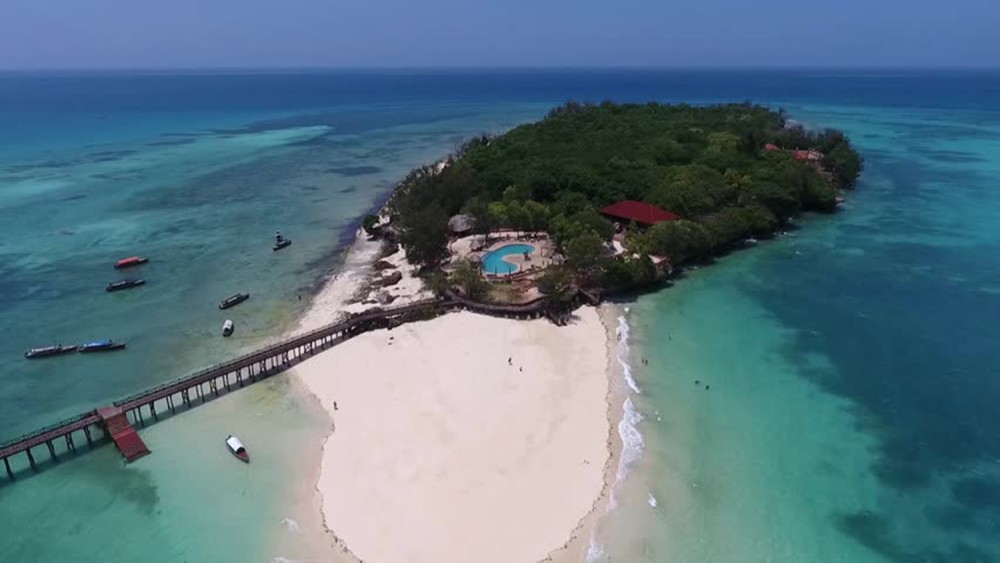
If you read one section of this guide, make it this one. Zanzibar sits in a part of the Indian Ocean with an unusually large tidal range, and on the east and south coasts the difference between high and low water can be several metres vertically, which on a very shallow, gently sloping shore translates into the sea withdrawing hundreds of metres horizontally. Visitors regularly arrive at a beach hotel expecting to swim whenever they please, and discover that for part of every day the water is a long walk away across exposed sand, seagrass beds and coral rubble.
This is not a defect and it is not something a hotel is hiding from you deliberately. It is simply how the island works, and once you know about it, it stops being a problem and becomes a feature. Low tide on the east coast is genuinely wonderful: you can walk far out on firm wet sand, watch villagers tending seaweed farms, and find starfish, sea urchins and sea cucumbers in the shallow pools. Many visitors end up enjoying the low-tide walk as much as the swimming.
Explore More Zanzibar Tours and SafarisHow to plan around the tides
- Check a tide chart for your dates before you book, not after you arrive. Search for a Zanzibar tide table and look at the times of high water during your stay.
- Understand the moon. Around full and new moon the tidal range is at its greatest, so the water goes out furthest and comes in highest. Around the half moons the swing is gentler.
- Match the beach to your priority. If swimming whenever you like matters most, choose the north. If atmosphere, value and village life matter more, choose the east and plan your swims around high water.
- Bring reef shoes. If you plan to walk out at low tide, sea urchins and sharp coral make footwear essential rather than optional.
- Ask your hotel directly whether their beach is swimmable at all states of the tide. A straight question gets a straight answer, and it is the single most useful thing you can ask before paying a deposit.
Which Zanzibar beach should you choose
Zanzibar is small enough to explore from anywhere, so your base matters less than people fear. Still, the coasts genuinely differ. Here is an honest comparison of the areas first-time visitors most often consider.
| Area | Tide effect | Character | Best for |
|---|---|---|---|
| Nungwi (north) | Minimal | Busy, lots of hotels, bars and boat trips | Swimming any time, nightlife, sunsets |
| Kendwa (north) | Minimal | Resort-dominated, big beach, party nights | Reliable swimming and resort comfort |
| Paje (east) | Strong | Relaxed village and beach, kitesurfing hub | Value, atmosphere, kitesurfing, younger travellers |
| Jambiani (east) | Strong | Quiet, strung-out village, very local | Peace, guesthouses, slow days |
| Matemwe (northeast) | Moderate to strong | Low key, close to Mnemba atoll | Snorkelling and diving, quiet stays |
| Stone Town | Not a beach base | Historic, dense, atmospheric | Culture, one or two nights, transport hub |
A pattern worth knowing: the north is where you go if the sea itself is the point, and the east is where you go if the feel of the island is the point. Paje in particular draws repeat visitors because the village and the beach are used by locals and travellers alike, which gives it a life that the larger resorts can lack. Kendwa, by contrast, is efficient and comfortable, but several visitors describe it as one resort after another rather than a place with much local character. Neither view is wrong. Decide which you are after before you book.
A practical note on splitting your stay: a night or two in Stone Town at the start or end of a trip works well, because it is close to both the airport and the ferry, and one full day is enough to see the old town properly.

Power cuts and what to pack
Power interruptions are a normal part of life on the island. They can happen daily, sometimes more than once, and occasionally last for several hours. Many hotels run generators, but coverage varies: some switch over in seconds, others take a while, and some power only part of the property. This is worth knowing not to alarm you, but so it becomes a minor inconvenience rather than a ruined evening.
- A torch or headtorch is the single most useful thing in your bag.
- A power bank, ideally charged whenever the power is on, keeps your phone and camera alive.
- Something offline to read or play, because the wifi goes with the power.
- Water in reserve. If your hotel's pump is electric, taps and toilet cisterns may stop. Keeping a filled bottle or bucket in the bathroom solves this.
- Patience with staff. The grid is not theirs to fix, and courtesy tends to get you the candles and cold drinks faster.
The same practical spirit applies to plugs and connectivity. Zanzibar uses the British-style three-pin socket, so bring a UK-type adaptor. A local SIM card or eSIM is inexpensive and far more reliable than hotel wifi, which is worth arranging at the airport on arrival.
Getting around safely
Distances on Zanzibar look small on a map and take longer than you expect in practice, because roads are narrow, villages are frequent and speed bumps are everywhere. Budget roughly an hour to ninety minutes from the airport to the east coast beaches, and up to two hours to the far north.
Taxis and tuk-tuks
Use licensed taxis, which are identified by red number plates. Unlicensed vehicles with white plates are best avoided, both for insurance reasons and because you have no recourse if something goes wrong. Meters are not used, so agree the fare before you get in, and settle it clearly in either Tanzanian shillings or US dollars so there is no confusion at the end. Tuk-tuks are cheap and fun for short village hops, though they are not the thing for a long airport run with luggage.
Transfers and drivers
For airport arrivals, late-night departures and day trips, a pre-arranged transfer or a driver hired for the day removes almost all of the friction. It costs a little more than haggling on the street, but the vehicle is insured, the driver knows the route, and you are not negotiating at midnight with luggage. For flights leaving in the small hours, arranging the transfer in advance through your hotel or operator is by far the safer approach.
Driving yourself
It is possible, and some visitors do it without difficulty, but it requires a local permit in addition to your licence, and you take on the risks of unfamiliar roads, occasional police stops and limited breakdown support. For a stay of a week or less, taxis and arranged drivers are usually the better value once you count the hassle.
Food, drinks and the pole pole pace
The phrase you will hear constantly is pole pole, meaning slowly, slowly, and it applies to restaurant service more than anything else. It is entirely normal to wait an hour or more for a meal, even when the restaurant is quiet and even when you ordered first. This is not rudeness or inefficiency in the way a visitor might read it; food is generally cooked from scratch, kitchens are small, and nobody is rushing. Order early, order a drink first, and treat dinner as the evening's activity rather than a prelude to it.
What to eat
Seafood is the island's strength and it is frequently outstanding. Prawns, octopus, lobster and squid are consistently well prepared, and the fish is fresh off local boats. Zanzibar's spice heritage shows up in coconut curries and pilau, and the fruit is excellent. Meat dishes are the weaker end of most menus, so if you eat fish, this is the place to lean into it.
Street food, honestly
Opinions divide sharply here and it is fair to give you both sides. Many visitors eat street food across the island, especially at the evening markets in Stone Town, and have a wonderful time. The reasonable middle position is this: freshly grilled seafood cooked to order in front of you is the safer choice, while meat or seafood that has been sitting out in the heat for hours before being reheated carries more risk. Look for busy stalls with high turnover, watch the food hit the grill, and use your own judgement. Stick to bottled water, and note that ice in reputable places is usually made from purified water.
Drinks
Local coffee is typically robusta, which tastes different from the arabica many visitors are used to, though it actually contains more caffeine. Beer is widely available, if not always thoroughly cold. Cocktails at beach bars tend to be generously poured. Zanzibar is a Muslim island, so alcohol is served in hotels, restaurants and tourist bars but is not sold or consumed openly everywhere, and drinking discreetly outside those settings is the respectful approach.
Dress, culture and local laws
Zanzibar is a predominantly Muslim island with a conservative culture outside the resort strips, and a little awareness goes a long way toward being welcomed rather than merely tolerated.
What to wear
Swimwear is entirely fine on hotel beaches and at pools. Away from them, in Stone Town, villages, markets and on the ferry, cover shoulders and knees. This applies to men as well as women, though women will feel the difference more. Loose, light cotton is more comfortable in the humidity anyway, and carrying a light scarf or shawl makes it easy to cover up when you step off the beach. During Ramadan, dressing modestly and eating discreetly in public during daylight hours is especially appreciated.
Greetings and photographs
Greetings matter here. A simple jambo or mambo, and asante for thank you, are received warmly and change the tone of almost every interaction. Ask before photographing people, particularly women and children, and accept a no gracefully.
Beach sellers and touts
You will be approached on the beach, offering boat trips, sunglasses, massages and excursions. Most of this is friendly commerce rather than harassment, and a polite, firm hapana asante, meaning no thank you, is usually enough. Repeating it calmly works better than avoiding eye contact. If you do want a boat trip, booking through your hotel or a licensed operator gives you insurance and accountability that a beach negotiation does not.
Local laws to be aware of
A factual note for travellers to plan around: same-sex sexual activity is criminalised in Tanzania, including Zanzibar, and penalties are severe. Public displays of affection are also generally frowned upon between any couple. Drug offences carry heavy penalties, and it is illegal to import plastic carrier bags. LGBTQ travellers do visit Zanzibar, and many report no difficulties, but the legal position is what it is, so consult your own government's current travel advice before booking.
Best Zanzibar Tour Packages from Dar es SalaamMoney, haggling and tipping
The Tanzanian shilling is the local currency, and US dollars are widely accepted for hotels, tours and larger purchases. Dollar notes should be from 2009 or newer and in good condition, as older or damaged notes are frequently refused. ATMs are available in Stone Town and the main tourist areas but are less reliable in villages, so carry some cash when you travel around the island. Cards work in hotels and larger restaurants, often with a surcharge.
On haggling, set realistic expectations. Negotiation is normal in markets and with beach sellers, but it is a calm, low-drama affair rather than theatrical, and discounts are moderate rather than dramatic. Being friendly, unhurried and willing to walk away gets better results than aggression. Spices, which make excellent gifts, are cheaper at local markets than at farm shops and airport stalls, though they are not as cheap as visitors sometimes expect.
Tipping is customary and appreciated without being obligatory. Rounding up taxi fares, leaving roughly five to ten percent in restaurants where service is not included, and tipping guides and drivers directly at the end of a tour are all normal.
What is worth it and what to skip
Every island has attractions that live on reputation. Here is an honest sorting, based on what visitors consistently rate highly and what they consistently regret paying for.
Genuinely worth it
- A spice farm tour. Consistently the surprise highlight, roughly two hours, hands-on, and it ends with a fruit tasting.
- A guided Stone Town walk, especially the former slave market site and cathedral. A good guide transforms it.
- Snorkelling or diving around Mnemba atoll, reached from Matemwe and the northeast.
- Sunset dhow sailing, simple and memorable.
- Kitesurfing lessons at Paje, one of the best beginner spots anywhere.
- Jozani Forest for the endemic red colobus monkeys, a short and worthwhile trip.
Think twice about
- Dolphin tours at Kizimkazi. Boats commonly chase and crowd wild dolphins. The welfare concerns are real.
- The Rock restaurant. A wonderful photograph, an expensive and often ordinary meal.
- Kendwa, if you came for local character rather than resorts and nightlife.
- Unlicensed beach excursions, which are cheap until something goes wrong and nobody is insured.
- Turtle enclosures where animals are kept in small pens for photographs.
The pattern: Zanzibar rewards the experiences that involve a knowledgeable local guide and punishes the ones built purely for a photograph. Spend your money on the spice farm, the Stone Town guide and the reef, and be sceptical of anything whose main selling point is how it looks on social media.
Adding a real safari to a beach holiday
You can fly from Zanzibar to a national park, spend a day or two on safari, and be back on the beach without relocating your holiday. Because a short flight replaces what would otherwise be a very long drive, a safari stops being a separate trip and becomes an add-on of one to three days.
People regularly tell us they assumed a Tanzanian safari meant a week and a separate budget. It can, and a full northern circuit is a wonderful thing. But if you are already in Zanzibar with a few spare days, the fly-in options below are the practical routes, and they are the single best use of time on the island for anyone who wants more than beaches.
| Option | Time needed | What you see | From (pp) |
|---|---|---|---|
| Mikumi fly-in day trip | 1 day | Lions, elephants, giraffe, hippos | $595 |
| Nyerere (Selous) day trip | 1 day | Boat safari, wild dogs, big game | $595 |
| Serengeti fly-in | 2 days | The Serengeti plains and predators | $1,800 |
| Northern Circuit | 3 days | Tarangire, Ngorongoro and Lake Eyasi | $1,650 |
Indicative 2027 starting prices per person, including flights from Zanzibar and park fees. Final prices depend on group size, season and the exact itinerary.
How to choose
- Have one spare day? Fly south to Mikumi or Nyerere. You leave early, game drive, and are back the same evening. Nyerere adds a boat safari, which the north cannot offer.
- Have two or three? Go north for the Serengeti or the Ngorongoro Crater. Two days gets you the Serengeti plains; three lets you add Tarangire's elephants or the crater floor without rushing.
- Not sure Mikumi is enough? Our honest guide to whether a Mikumi safari is worth it lays out exactly what you will and will not see.
- Want the crater specifically? The complete guide to a Ngorongoro safari from Zanzibar covers timings, costs and what to expect.
Related Safari Packages
Best time to visit Zanzibar
| Season | Months | What to expect |
|---|---|---|
| Main dry season | June to October | Warm, lower humidity, sunshine. Best for safari combinations. |
| Hot dry season | Dec to Feb | Hot and humid. Popular over the holidays. |
| Long rains | Late March to May | Heaviest rain, some hotels close. Good for discounts. |
| Short rains | November | Afternoon showers, good value shoulder season. |
For a first visit combining the beach with a safari, June to October is the strongest window, because it is dry on the coast and the peak game-viewing season inland at the same time. If your dates are fixed for the green months, the island is still lovely and considerably cheaper, and the Ngorongoro Crater in particular remains excellent year round.
Your Practical Checklist
- Visa: Arranged in advance (e-visa portal), ~$50–$100.
- Passport: Valid for at least 6 months.
- Yellow fever certificate: Required if arriving from a yellow fever country.
- Antimalarials: Visit a travel clinic 4–6 weeks before departure.
- Insurance: Should cover medical evacuation.
- Electricity: Bring a torch, power bank and UK-style adapter.
- Gear: Reef shoes, high-factor sunscreen and a hat.
- Clothing: Modest layers for Stone Town and villages.
- Money: US dollars (2009 series or newer) plus Tanzanian shillings.
Frequently Asked Questions
Adding a safari to your Zanzibar trip?
Tell us your dates and how many spare days you have. We will send an all-inclusive quote for a genuine fly-in safari usually within a few hours. Flights and park fees are always included in our quotes.
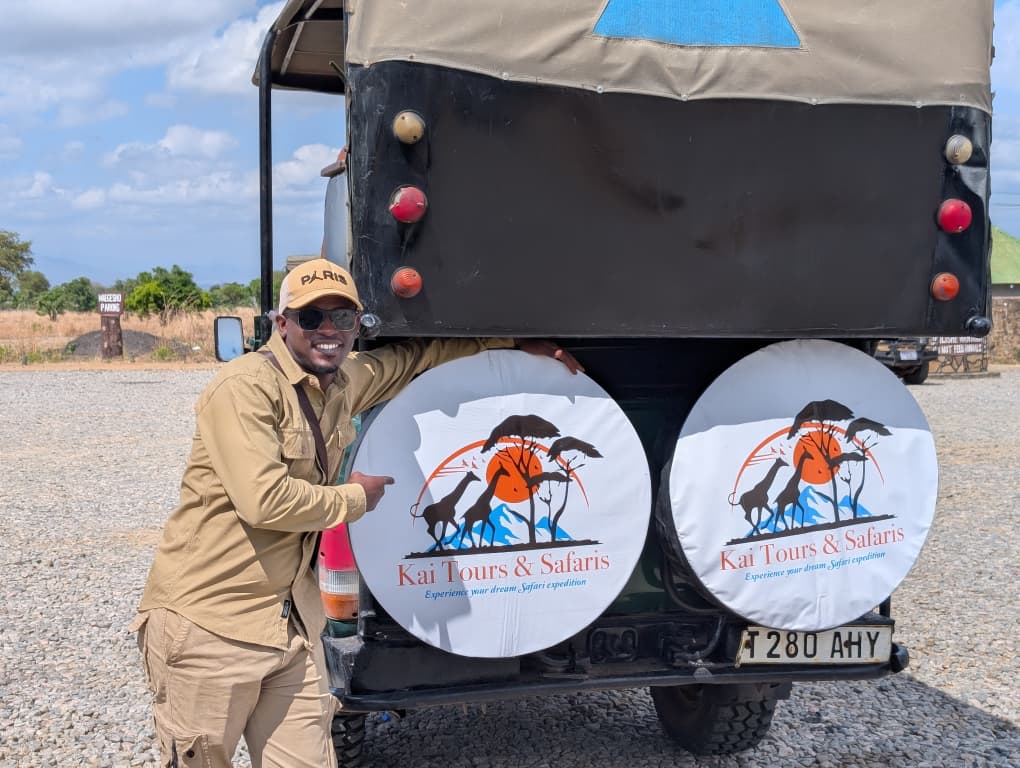
Justus Kahwa — Safari Operations Manager, Kai Tours & Safaris
Justus Kahwa and his team run fly-in safaris from Zanzibar every week. We would rather tell you which beach suits you than sell you the most expensive trip.