Quick answer — Mikumi or Serengeti?
Choose Mikumi for an accessible, affordable, intimate safari ideal if you fly into Dar es Salaam, have 2–3 days, or are adding a safari to a Zanzibar holiday. Choose the Serengeti for the Great Migration, the Big Five and iconic scale best if you fly into Kilimanjaro or Arusha and have 5–7 days. Mikumi is the value pick; the Serengeti is the bucket-list one.
"Should I do Mikumi or the Serengeti?" is the question I'm asked more than any other, especially by European travellers planning a first trip to Tanzania. The honest answer is that it depends on what you want, how long you have, and where you land. Both are genuine, rewarding safaris but they're not interchangeable, and the wrong choice for your trip wastes either your time or your money. This guide lays out the real differences, written by someone who runs trips into both.
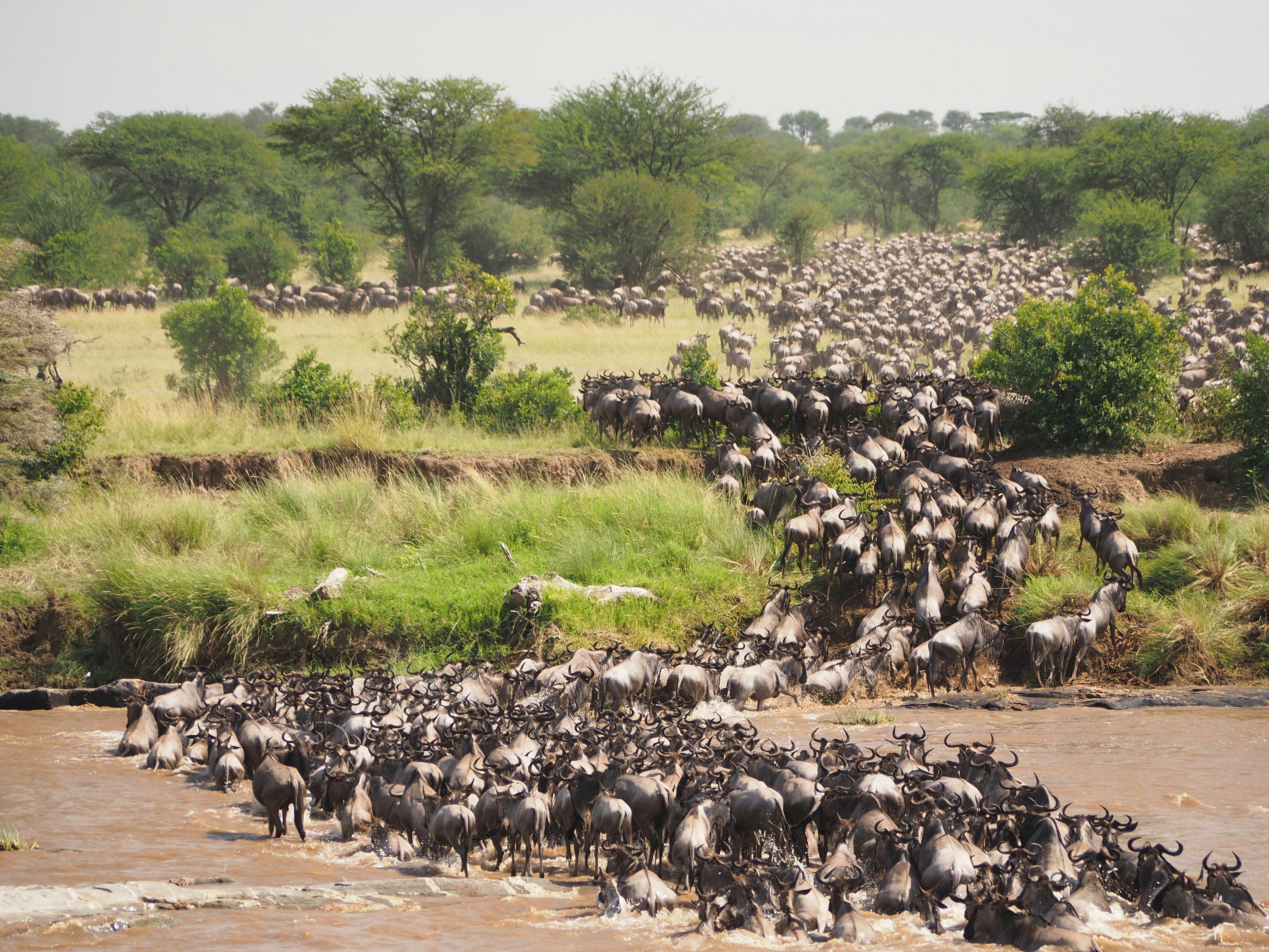
Mikumi vs Serengeti at a glance
Here's the whole comparison in one view. Every row is unpacked in the sections below.
| Factor | Mikumi | Serengeti |
|---|---|---|
| Size | 3,230 km² (4th largest) | ~15,000 km² (UNESCO site) |
| Location | Southern Tanzania | Northern Tanzania |
| Best access | SGR train from Dar (~4 hrs) | Fly/road via Arusha or Kilimanjaro |
| Park fee (2026) | $37.50 /adult/day | $82.60 /adult/day + concession |
| Big game | Big Four (no rhino) | Big Five |
| Great Migration | No | Yes |
| Cheetah | Not reliably | Yes |
| Crowds | Few | Busy in peak season |
| Ideal trip length | 2–3 days | 5–7 days |
| 2-day cost (from) | from $720 pp | from $2,000–2,500 pp |
| Best for | Accessible, affordable, intimate | Iconic, Migration, scale |
Mikumi — key facts
- 3,230 km², southern Tanzania, est. 1964
- ~283 km from Dar es Salaam · SGR train access
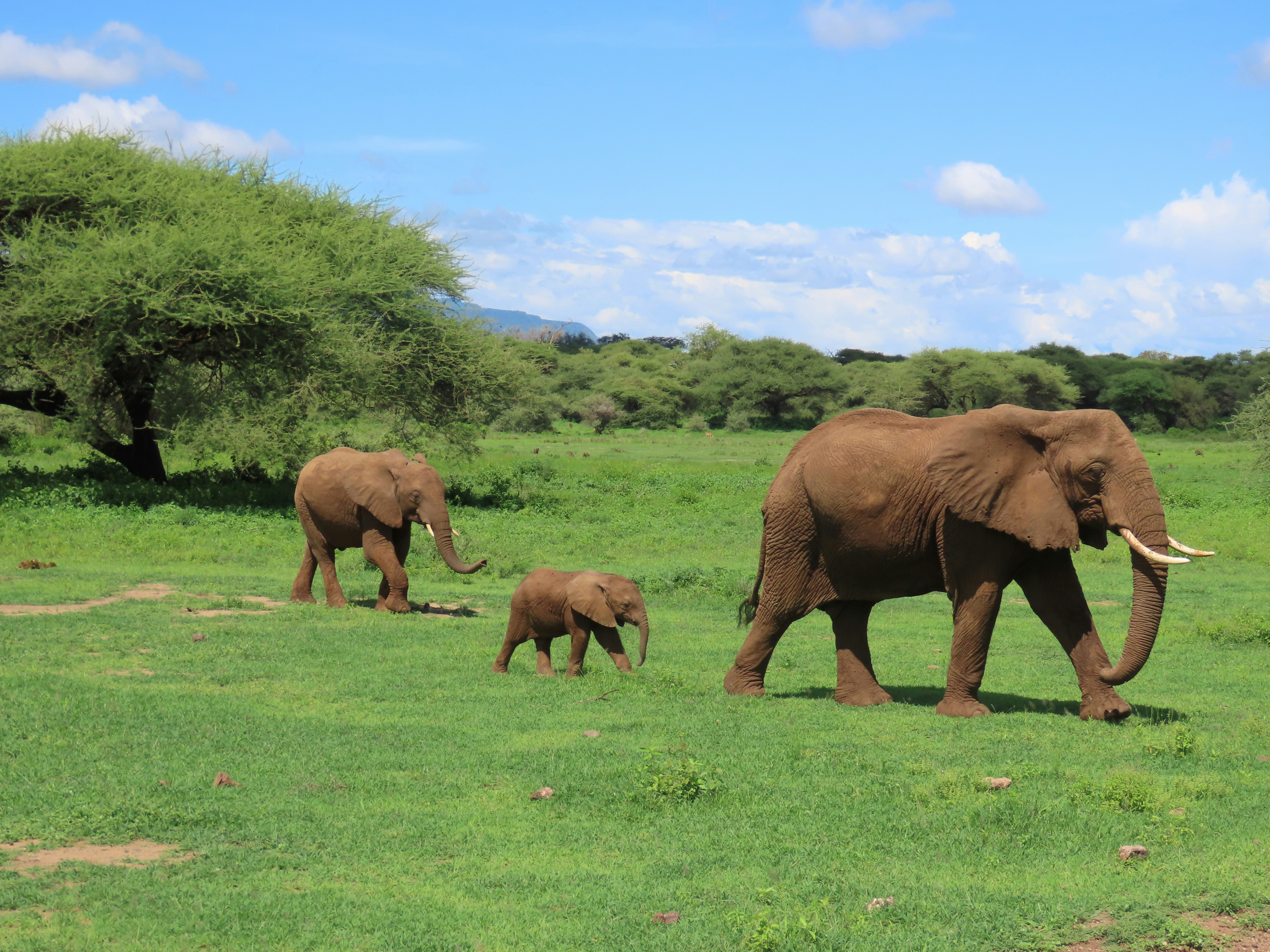
- Big Four · 400+ bird species
- Mkata Floodplain ("Little Serengeti")
- From $720 pp for a 2-day private safari
Serengeti — key facts
- ~15,000 km², northern Tanzania, UNESCO site
- Reached via Arusha / Kilimanjaro
- Big Five · the Great Migration
- Highest predator density in the region
- From ~$2,000 pp for a comparable 2-day trip
The basics: what are these two parks?
Mikumi National Park is Tanzania's fourth-largest park, about 3,230 km², in the south of the country roughly 283 km from Dar es Salaam. Established in 1964, it's defined by the open Mkata Floodplain short-grass plains so reminiscent of the north that they've earned the nickname the "Little Serengeti." It forms part of the greater Selous–Mikumi ecosystem and is the most accessible real safari park from the coast.
The Serengeti National Park is the icon: around 15,000 km² of northern Tanzania, a UNESCO World Heritage Site, and the stage for the Great Wildebeest Migration. It anchors the famous northern circuit alongside the Ngorongoro Crater and is reached via Arusha or Kilimanjaro. It is, by most measures, one of the greatest wildlife destinations on earth and it's priced and positioned accordingly.
Wildlife: Big Four vs Big Five
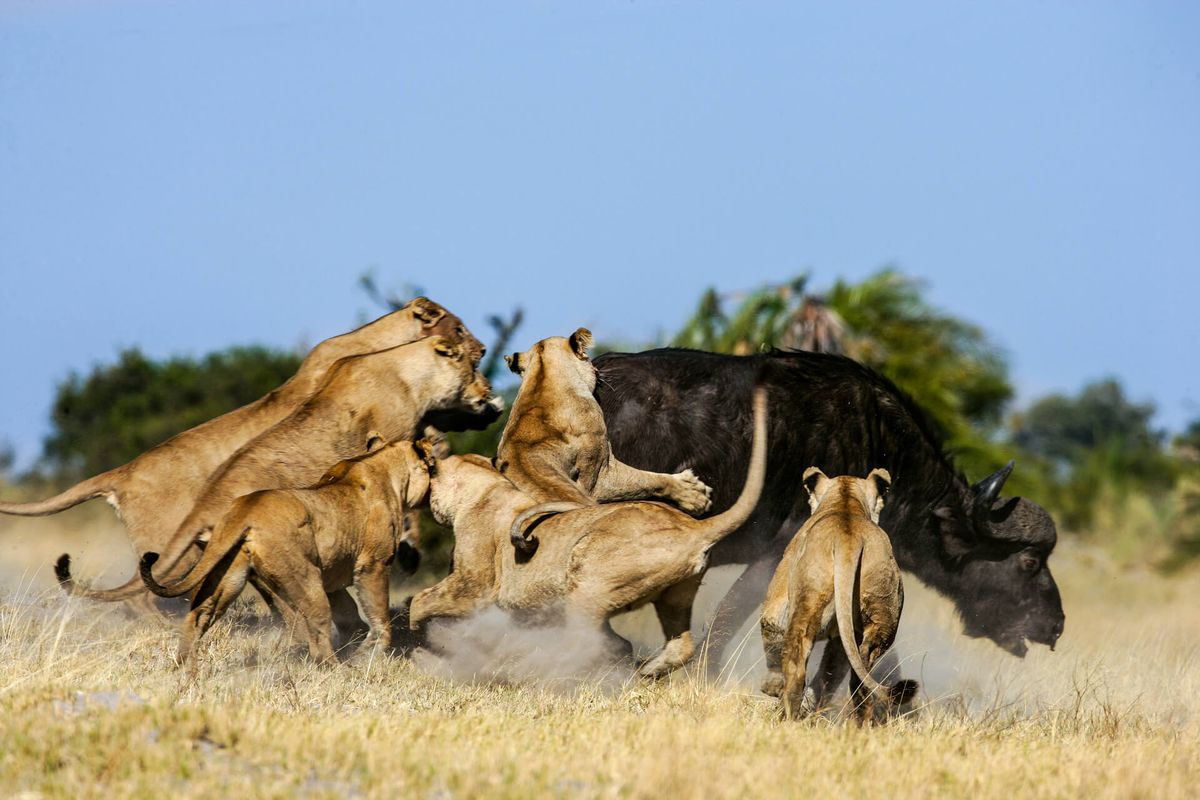
This is where the honest differences begin. Mikumi is a genuine Big Four park — lion, elephant, leopard and buffalo set among large herds of zebra, wildebeest, giraffe, impala and other antelope, plus hippos, crocodiles and over 400 bird species. What it doesn't have is rhino, so it is not a Big Five destination, and it has no reliable cheetah and no Great Migration. I'd rather you hear that from me than feel misled on the day.
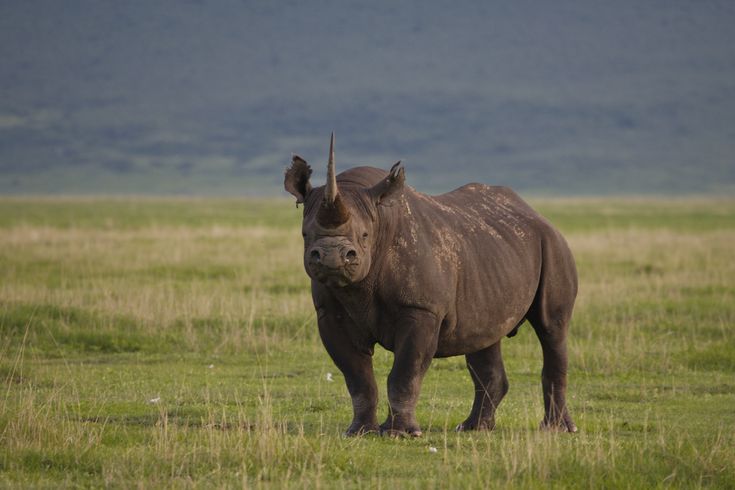
The Serengeti offers the full Big Five, the highest predator density in the region, cheetahs on the plains, and of course the Migration. One honest nuance worth knowing: while the Serengeti does hold a small black rhino population, rhino sightings there are rare the reliable place to see rhino in Tanzania is the nearby Ngorongoro Crater, which is why most northern-circuit itineraries pair the two. If completing the Big Five is your goal, plan for both.
The honest wildlife summary
For sheer wildlife spectacle- the Migration, big cats including cheetah, and the chance at all of the Big Five across the northern circuit the Serengeti wins, and it isn't close. Mikumi's appeal isn't out-gunning the Serengeti on wildlife; it's delivering a real, satisfying safari with far less time, cost and effort. Judge each on what it's actually for.
The game-drive experience
Numbers don't capture how the two feel. In the Serengeti's prime zones during peak season, a notable lion or cheetah sighting can draw a cluster of vehicles it's busy because it's extraordinary, but it is busy. Mikumi is the opposite: quieter roads, often your vehicle alone at a sighting, and an intimacy that many travellers genuinely prefer. The Mkata Floodplain's open terrain also makes wildlife easy to spot in a short visit, so even a single day delivers.
If your dream is the cinematic Serengeti endless plains dotted with thousands of wildebeest, a river crossing, big-cat drama nothing else substitutes for it. If you'd rather have a relaxed, uncrowded safari where you set the pace, Mikumi offers something the Serengeti, by its very fame, often can't.
Access & logistics: the European traveller's deciding factor
For many travellers this is what actually settles the choice. The Serengeti sits in the north and is reached via Arusha or Kilimanjaro, usually with a domestic flight or a long drive straightforward if you're already on the northern circuit, but a real detour if you land in Dar es Salaam or come from Zanzibar.
Mikumi's advantage is its accessibility from the coast. The SGR electric express train covers Dar es Salaam to Morogoro in under two hours in comfort, removing the city traffic and the worst of the highway, after which it's a short transfer to the gate. That single link is what makes a one- or two-day Mikumi safari realistic something the Serengeti can't match for a Dar arrival. It also makes Mikumi the natural safari pairing for a Zanzibar beach holiday: a short hop to the mainland and you're on safari, no northern-circuit logistics required.
Why this matters for European itineraries
If you're flying into Dar es Salaam, or building a trip around Zanzibar, Mikumi via the SGR is by far the most efficient safari you can add sometimes the difference between fitting a safari into your trip at all and not. If you're flying into Kilimanjaro for a dedicated safari week, the Serengeti is right there and the calculus flips.
Cost comparison: where the money goes
Cost is often where the decision firms up, and the gap is large. Two structural facts drive the difference: Mikumi is reachable overland and carries lower park fees, while the Serengeti involves flights, higher fees and pricier lodges.
Park fees (2026)
| Fee | Mikumi | Serengeti |
|---|---|---|
| Park entry (adult/day) | $37.50 + VAT | $82.60 + VAT |
| Concession / extra fees | — | Additional concession fees apply |
| Over a 2-day visit | ~$75 pp | $300+ pp |
Before you've paid for a vehicle, a guide or a bed, the Serengeti already costs several times more in fees alone. Multiply that across the longer stay it deserves and the difference compounds.
Total trip cost (typical, per person)
| Trip | Mikumi | Serengeti |
|---|---|---|
| 2-day private safari (mid-range) | from $720 | from $2,000–2,500 |
| Accommodation (per night) | $70–250 | $250–1,000+ |
| Domestic flight needed? | No (SGR train) | Usually yes |
Our own 2-day private Mikumi safari staying at the well-rated Camp Bastian (9.7/10 on Booking.com) and travelling by SGR train starts from $720 per adult. For two travellers that's roughly $1,440 all in. A comparable two days in the Serengeti, once flights, higher fees and pricier lodging are counted, typically runs $2,000–2,500 per person. Neither is "better value" in the abstract you're buying different things but if budget is a real constraint, Mikumi is dramatically more affordable. For a full breakdown of what goes into a Mikumi price, see our Mikumi cost guide.
Best time to visit each park
Both parks are year-round, but they reward slightly different timing.
Mikumi by season
The dry season (June–October) is prime: animals concentrate on the Mkata Floodplain and around water, and the bush thins for easier viewing. The green season (November–March) brings lush scenery, excellent birding and migratory species, with fewer visitors. The long rains (April–May) are quietest and wettest, but Mikumi stays reliably accessible thanks to its road and rail links a real advantage if your dates are fixed.
Best Mikumi Safari Packages 2026-2027Serengeti by season
The Serengeti's calendar revolves around the Great Migration. December–March sees the herds on the southern short-grass plains for calving; April–May is the rainy lull; the dramatic Grumeti and Mara river crossings unfold roughly July–October in the west and north. Timing your visit to where the herds are is the key planning task, and a good operator will steer you to the right region for your dates.
Best Serengeti Safari Packages 2026-2027So, which should you choose?
Choose Mikumi if you…
- Fly into Dar es Salaam
- Have only 2–3 days
- Are on a budget
- Are adding safari to a Zanzibar trip
- Want a quiet, intimate safari
- Prefer easy train access over flights
Choose the Serengeti if you…
- Want the Great Migration
- Want the full Big Five (with Ngorongoro)
- Have 5–7 days for safari
- Fly into Kilimanjaro or Arusha
- Want cheetahs and the highest cat density
- Are after the iconic bucket-list experience
Put simply: the Serengeti is the once in a lifetime spectacle, best for travellers with the days, the budget and a northern arrival. Mikumi is the accessible, affordable, genuinely rewarding safari for travellers based in Dar, building around Zanzibar, short on time, or watching the cost and, increasingly, for experienced Africa hands who want something quieter than the famous north.
Can you visit both?
Yes, and for travellers with the time, combining them makes a superb trip. A practical 12–14 day pattern for European visitors: arrive in Dar es Salaam, spend two days in Mikumi via the SGR, return to Dar, fly to Zanzibar for five or six days of beach, then fly up to Kilimanjaro for three to five days across the Serengeti and Ngorongoro before flying home. You cover the accessible south, the islands and the iconic north without backtracking, and you experience the full range of what Tanzania does best. We're happy to build this around your dates.
Why book Mikumi with Kai Tours
We're a TANAPA-licensed operator based in Dar es Salaam, which means we pre-book your SGR train tickets, handle the early hotel pickup and the Morogoro transfer, and run every park drive ourselves — booking direct, with no platform commission. We guide both the southern and northern circuits, so the advice you get here is the same advice we'd give a friend.
Frequently asked questions
Plan your Tanzania safari with us
Whether it's an accessible Mikumi safari from Dar or Zanzibar, the full northern circuit, or both combined, tell us your dates and we'll recommend honestly no pressure. From $720 per adult for a 2-day private Mikumi safari.
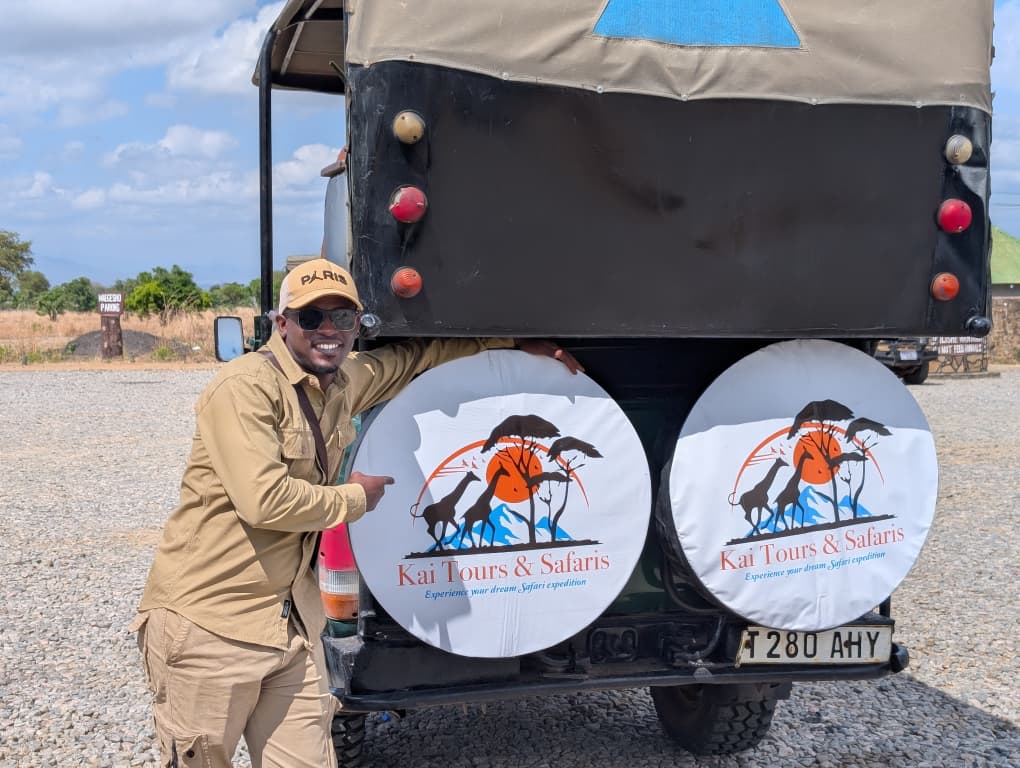
Written By:
Justus Kahwa - Safari Operations Director
Kai Tours and Safaris
Justus leads safari operations at Kai Tours and Safaris, a TANAPA-licensed operator based in Dar es Salaam, and has guided travellers across both Tanzania's southern and northern circuits. He writes to help visitors choose the right park for their trip honestly.