Mikumi doesn't get the headlines that the Serengeti and Ngorongoro do, and people who've only read about those parks sometimes arrive expecting less. They leave surprised. What Mikumi lacks in fame it makes up for in access and honesty it's close, it's affordable, and the wildlife is genuinely there. After years of guiding here, I still think it's the most underrated park in the country.
This guide covers what you actually need: where it is, what lives there, what it costs, when to come, and how to reach it. If you read one thing before you visit, make it this.
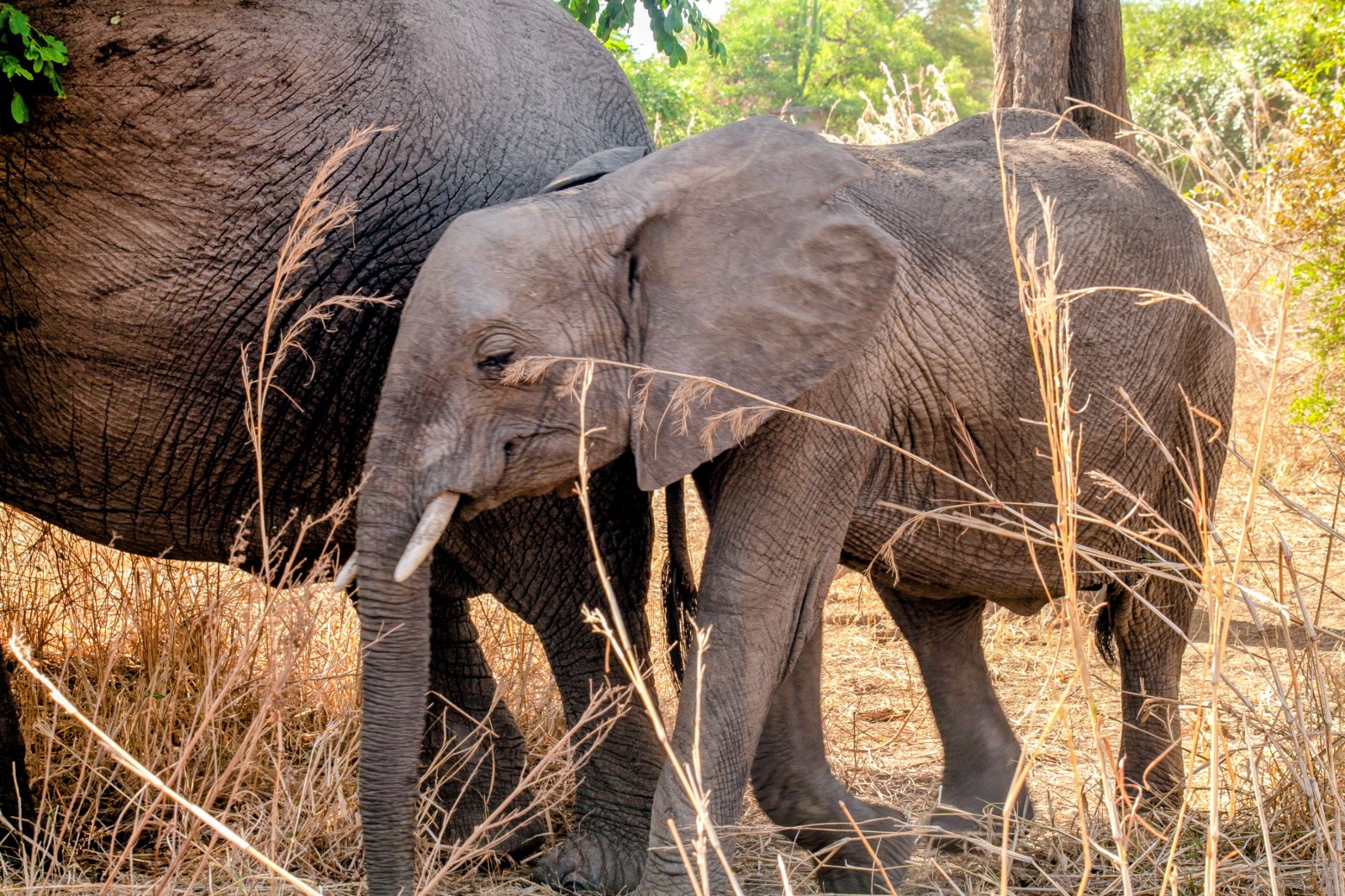
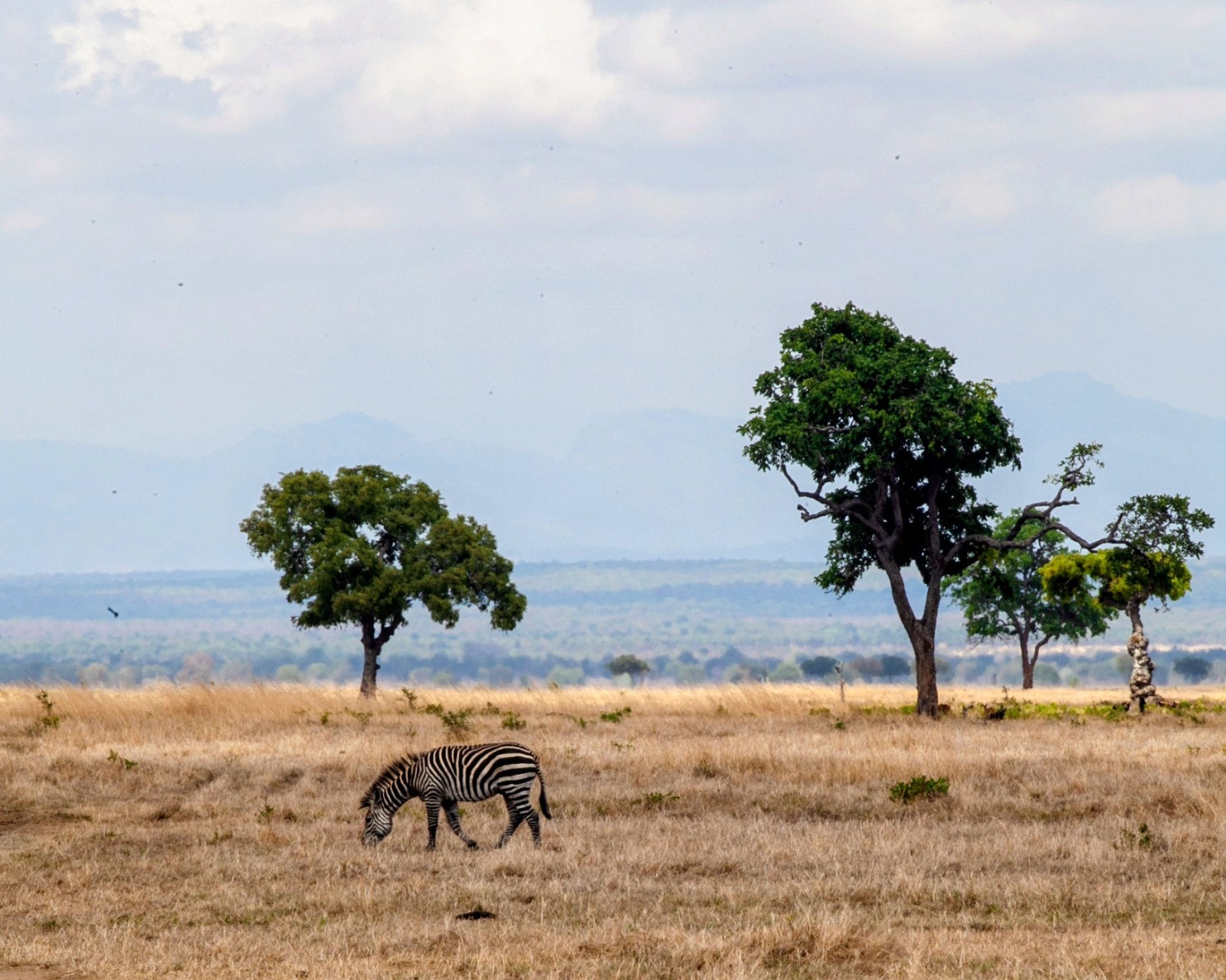
Mikumi National Park: key facts
| Feature | Detail |
|---|---|
| Location | Morogoro Region, southern Tanzania |
| Established | 1964 |
| Size | 3,230 km² (Tanzania's 4th largest park) |
| Distance from Dar es Salaam | ~283 km (closest major park to the city) |
| Signature feature | The Mkata Floodplain ("Little Serengeti") |
| Ecosystem | Part of the greater Selous (Nyerere) ecosystem |
| Big game | Big Four — lion, elephant, leopard, buffalo (no rhino) |
| Bird species | 400+ |
| Park fee | ~$47 per adult/day for international visitors (+ VAT) |
| Best time to visit | June–October (dry season) |
| Getting there | SGR train + transfer, or drive ~4–5 hrs |
| Managed by | TANAPA (Tanzania National Parks Authority) |
Where is Mikumi, and what does it look like?
Mikumi lies in the Morogoro Region of southern Tanzania, straddling the A7 highway that runs from Dar es Salaam toward Iringa and the south. That road actually cuts through the park, which is unusual you can spot wildlife from the tarmac before you've even started a game drive, though there are strict speed limits to protect crossing animals.
The park's southern boundary meets Nyerere National Park (the area long known as the Selous), and together they form one of the largest protected ecosystems in Africa. Animals move between them, which is part of why Mikumi's wildlife is so rich for a park of its size.
Geographically, Mikumi splits into two characters. The northern section is dominated by the flat, open Mkata Floodplain. To the south and around the edges, the land rises into the Uluguru-facing foothills and miombo woodland denser, hillier country with a different set of animals. Most game drives, and almost all day trips, focus on the floodplain, because that's where the density and the visibility are.
The Closest National Park From Dar es SalaamThe Mkata Floodplain: the "Little Serengeti"
If Mikumi has a heart, this is it. The Mkata Floodplain is a broad expanse of open grassland fed by the Mkata River, and the nickname "Little Serengeti" is earned, not marketing. Wide horizons, golden grass, scattered acacia and baobab, big herds moving across open ground.
The open terrain is the single best thing about safari-going here. In thick bush, animals vanish a few metres off the track. On the floodplain, a herd of elephants or a resting lion pride is visible from a long way off, which means more sightings in less time. For anyone on a short trip, that matters enormously the landscape itself does half the work of finding wildlife.
Scattered across the plain are waterholes and hippo pools that become the focus of activity in the dry months, when animals concentrate around the remaining water. Sit quietly at a hippo pool for twenty minutes and you'll usually see far more than hippos.
Wildlife: what you'll actually see
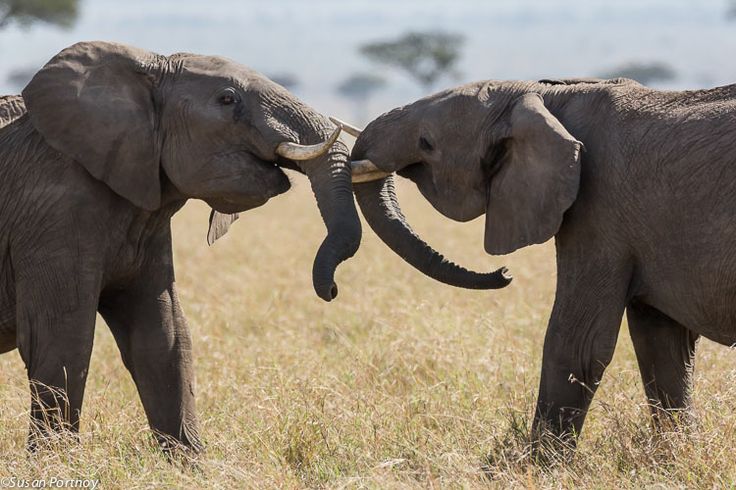
Let me be accurate rather than promotional, because a lot of safari pages aren't. Mikumi is a Big Four park. It has lion, elephant, leopard and buffalo. It does not have rhinos, and it has no reliable cheetah population, cheetahs are a northern circuit animal. If a page promises you the Big Five or cheetahs in Mikumi, treat the rest of what it says with caution.
With that settled, here's what genuinely lives here.
The big game
Lions (including Mikumi's famous tree-climbing individuals), leopards, large elephant herds, and big buffalo herds. Spotted hyenas are the other main predator.
The herds
Maasai giraffe, plains zebra, wildebeest, impala, hartebeest, eland, and the open-country antelope that make the floodplain feel alive.
Water and woodland
Hippos and crocodiles in the pools and rivers; warthogs, baboons; and in the southern miombo, sable antelope and greater kudu for the lucky.
The birds
Over 400 species lilac-breasted rollers, bateleur eagles, marabou storks, hornbills, guinea fowl and, in the green season, a wave of migrants.
Lions are seen on most game drives, though never guaranteed, as anywhere wild. Leopards are present but elusive a sighting is a real stroke of luck rather than an expectation. The honest framing I give every guest is this: come for the elephants, the giraffes, the open plains and the birds, all of which you're very likely to enjoy, and treat the big cats as the bonus they are.
The Most Trending National Park In Tanzania 2026-2027Best time to visit Mikumi
Mikumi is a year-round park, but what you get changes with the season. There's no single "right" time — it depends on what you want.
| Season | Months | What it's like |
|---|---|---|
| Dry season | June–October | Best for wildlife viewing. Animals gather at water, grass is short, sightings are easiest. Peak season. |
| Green season | November–March | Lush, scenic, excellent for birds and photography. Migratory species arrive. Fewer crowds. |
| Long rains | April–May | Heaviest rain, some tracks muddy, lowest visitor numbers. Green and beautiful, but less predictable. |
For most first-time visitors after the classic experience, June to October is the safe pick. But I have a soft spot for the green season the park is at its most beautiful, the birding is extraordinary, and you'll often have sightings to yourself.
Best Month To Go On Africa Safari 2026-2027Park fees and entry
Entry fees are set by TANAPA, the national parks authority, and they change periodically, so treat any figure as a guide rather than a fixed quote. As of 2026, international adult entry runs around $47 per person per day, plus VAT, with lower rates for East African residents, students and children.
✅ Good to know
On almost any organised safari, park fees are already built into the tour price, so you won't be paying at the gate yourself. When you compare tour prices, check whether fees are included — a cheaper-looking quote that excludes park fees often isn't cheaper at all.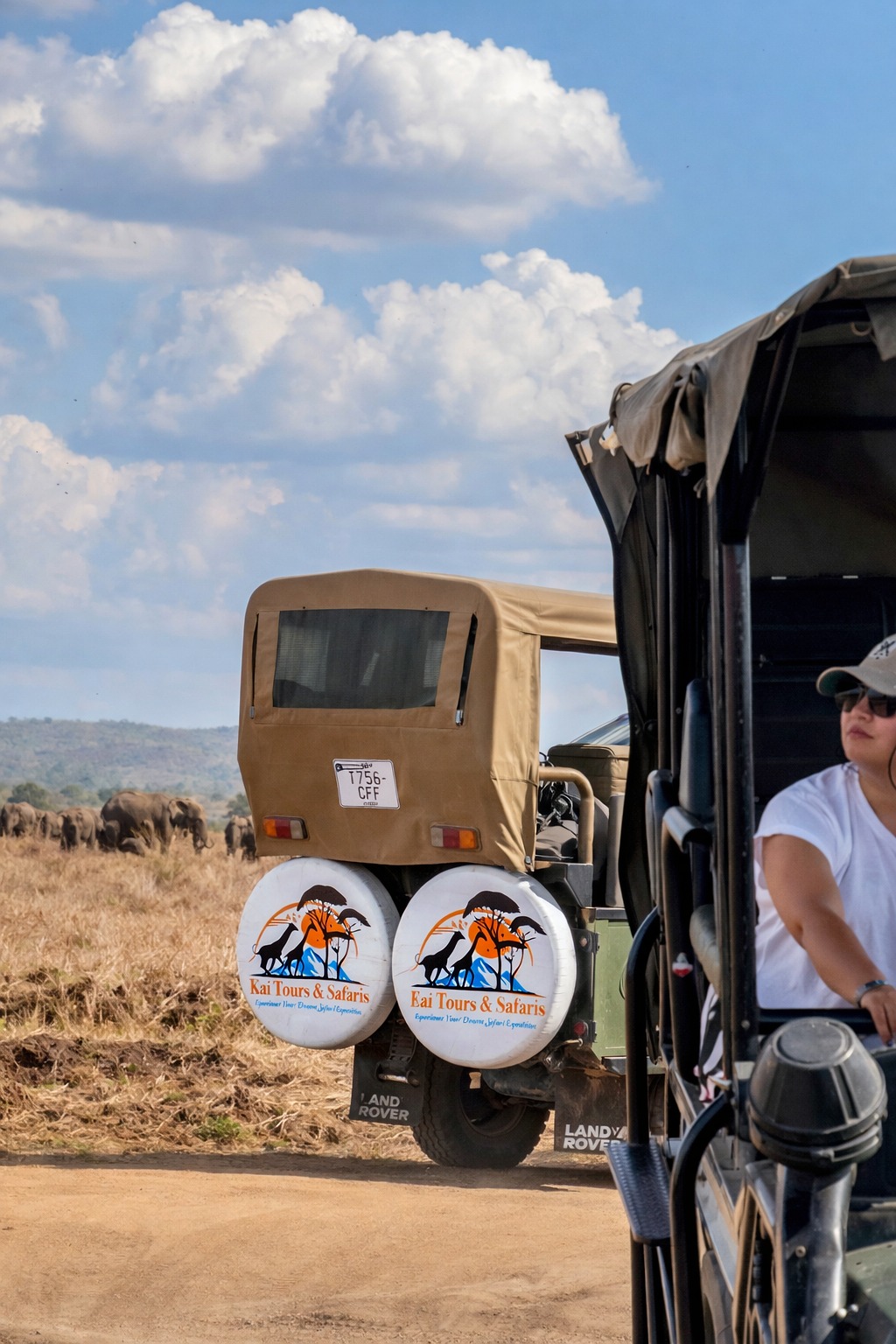
How to get to Mikumi
Mikumi's biggest practical advantage is access. It's the closest major safari park to Dar es Salaam, roughly 283 km away, and you have a few ways to cover that distance. The most comfortable for a short trip is the SGR electric train to Morogoro (about two hours) followed by a road transfer to the gate. You can also drive the whole way in four to five hours, take a public bus on a budget, or fly in to a nearby airstrip.
Where to stay
If you're doing more than a day trip, Mikumi has a decent spread of places to sleep, from tented camps to lodges. Camp Bastian, near the main gate, is the one I most often recommend for comfort and value — pool, gardens, good food, easy access to the floodplain. There are also tented camps set on the hills with views over the plain for those who want something more immersive. For a day trip, of course, you don't stay at all; you're back in Dar by evening.
How long should you spend in Mikumi?
This is the question I field most, and the answer depends on you. Because the park is compact and close, a single day genuinely works you can see the main wildlife and be back in the city the same night. Two days adds the dawn and dusk hours, which are the best of the day for predators and light.
💡 Before you go
Bring neutral-coloured clothing, a warm layer for early mornings (the floodplain gets cool at dawn), sunscreen, a hat, binoculars and a zoom lens if you have one. And remember you can't drive your own car or walk inside the park game viewing must be done in a safari vehicle with a licensed guide.Frequently asked questions
See Mikumi for yourself
We run Mikumi safaris year-round from Dar es Salaam from a single day by SGR train to multi-day trips. Tell us what you're after and we'll build it around your dates.
Contact our Safari Specialist:
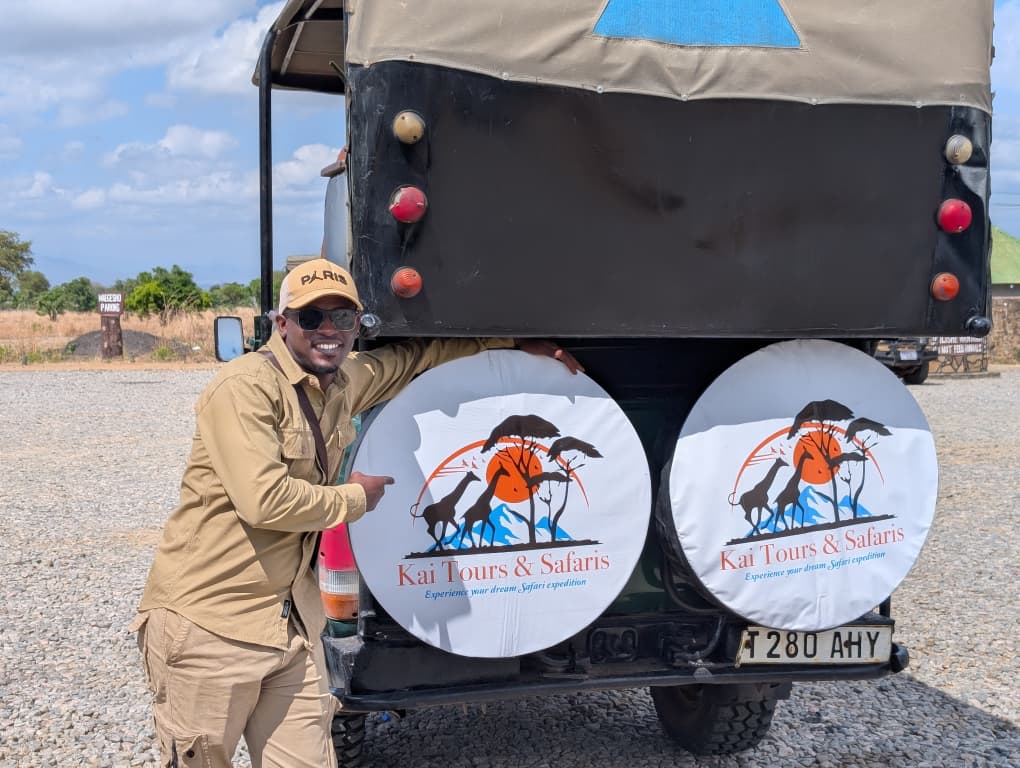
Written By:
Justus Kahwa (@mr_jmasterz)
Why Kai Tours?
Kai Tours and Safaris is your local expert for navigating Mikumi National Park logistics. We ensure your Wild adventure remains high-quality and worth your visit.