Short answer:
For a day safari from Dar es Salaam or Zanzibar, Mikumi is usually the better pick it's the closest major park, reachable by SGR train or a short flight, and its day trips are affordable and easy to arrange. Choose Nyerere (the former Selous) when you have two or more days and want a wilder, more remote experience with boat safaris on the Rufiji River, walking safaris, and one of Africa's best chances of wild dogs. Mikumi is the easy day-trip taste; Nyerere is the deeper, more premium immersion.
1 Day Mikumi Safari From Dar es salaamThis is one of the most common questions I get from travellers based in Dar es Salaam or on a Zanzibar beach holiday: which of the two big southern parks should I actually do? They sit side by side in southern Tanzania, share the same greater ecosystem, and hold much of the same wildlife yet visiting them feels different in almost every practical way that matters to your plans and your budget. Below is the honest head-to-head, written by someone who guides in both, so you don't waste either your time or your money on the wrong fit.
First, a clarification: Nyerere vs "Selous"
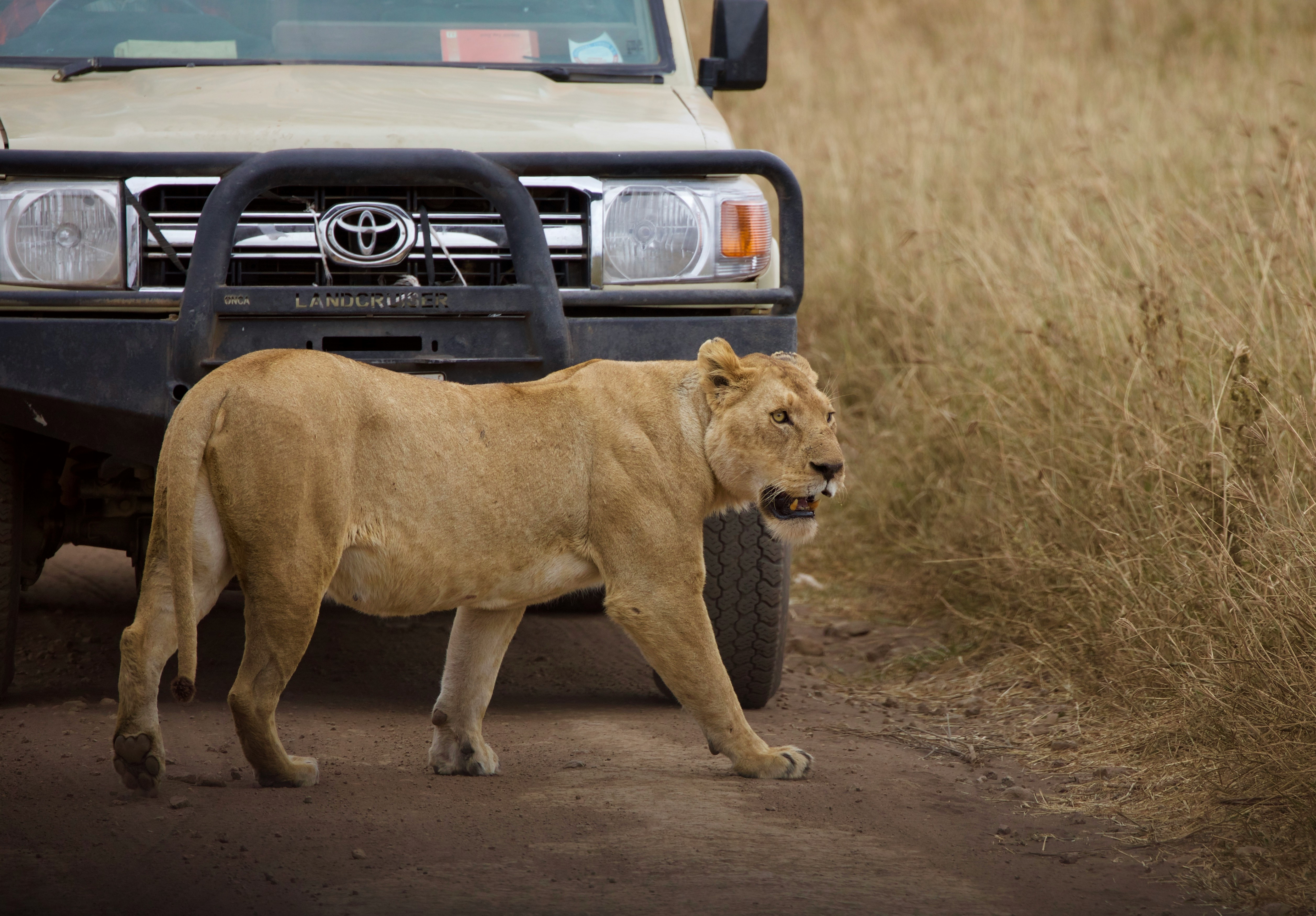
If you've done any research, you've run into both names, and the confusion is understandable. Here's the simple version. In 2019, the northern section of the old Selous Game Reserve was upgraded and renamed Nyerere National Park, in honour of Julius Nyerere, Tanzania's first president. It became one of the largest national parks in Africa. The name "Selous" is still used everywhere out of long habit, and the wider Selous ecosystem still exists to the south, but the area that virtually all safaris visit is officially Nyerere National Park today.
So when you see a tour advertised as a "Selous safari," read it as Nyerere. Throughout this article I'll use "Nyerere (Selous)" so it's clear we're talking about the same place, whichever name your operator happens to use. Knowing this also helps you compare quotes fairly two companies may be selling the identical park under two different names.
The comparison at a glance
Before we get into the detail, here's the whole comparison in one view. Each row is unpacked in the sections that follow.
| Feature | Mikumi National Park | Nyerere (Selous) |
|---|---|---|
| Size | 3,230 km² (4th largest) | ~30,000+ km² (one of Africa's largest) |
| From Dar es Salaam | ~283 km · SGR train + road, easy | Fly-in (~45 min) or longer road |
| From Zanzibar | Short fly-in for the day | Fly-in (longer, more premium) |
| Good for a day trip? | Yes — ideal | Possible, but better over 2+ days |
| Signature experience | Game drives on Mkata Floodplain | Boat safaris on the Rufiji River |
| Walking safaris | Limited | Yes |
| Big game | Big Four (lion, elephant, leopard, buffalo) | Big Four + huge elephant herds |
| Wild dogs | Rare, occasional only | One of Africa's best chances |
| Crowds | Moderate | Very few — remote & wild |
| Park fees | Lower (~$37/day + VAT) | Higher (premium fees) |
| Typical cost | Budget-friendly | More premium |
| Best for | Short trips, day-trippers | Wilderness, boating, multi-day |
Accessibility: getting there from Dar/Zanzibar
This is the most practical difference, and for a day safari it's often the deciding one.
Reaching Mikumi
Mikumi is the closest major park to Dar es Salaam, about 283 km away. From the city you can take the SGR electric train to Morogoro (around two hours) and transfer by road to the gate, or drive the whole way in four to five hours. That train link is the quiet hero of the Mikumi day trip it removes the city traffic and the roughest stretch of highway, so you arrive fresh. From Zanzibar, a short scenic flight brings you across to the mainland for the day. Either way, Mikumi genuinely works as a one-day round trip: you can leave in the morning and be back the same evening.
Mikumi Flying Safari from ZanzibarReaching Nyerere (Selous)
Nyerere lies south of Dar es Salaam and is far bigger and more remote. Most visitors fly in roughly a 45-minute light-aircraft hop from Dar, or a longer flight from Zanzibar. You can do a Nyerere fly-in day trip, but here's the honest issue: once you've made the effort and expense to fly into one of Africa's great wildernesses, spending only a few hours on the ground feels like a missed opportunity. Nyerere is built for staying, not for ticking off in an afternoon.
1 Day Nyerere (Selous) safari from ZanzibarThe day-trip verdict on access
If your priority is a genuine day safari from Dar or Zanzibar out in the morning, real wildlife, home by night Mikumi wins comfortably on convenience and cost. Nyerere is reachable, but it rewards an overnight, and a single day there is both pricier and less satisfying.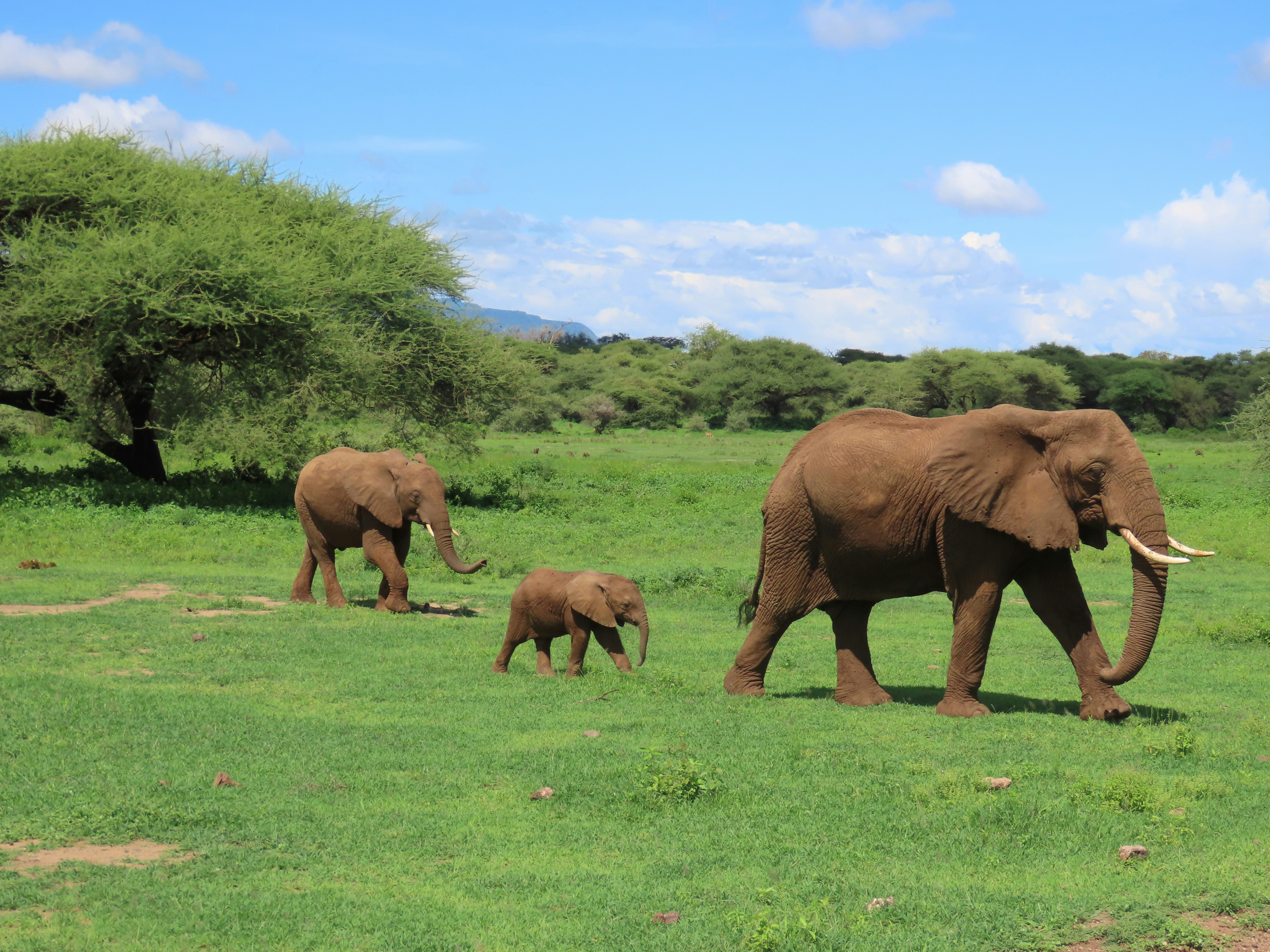
Wildlife: The same cast, different stars
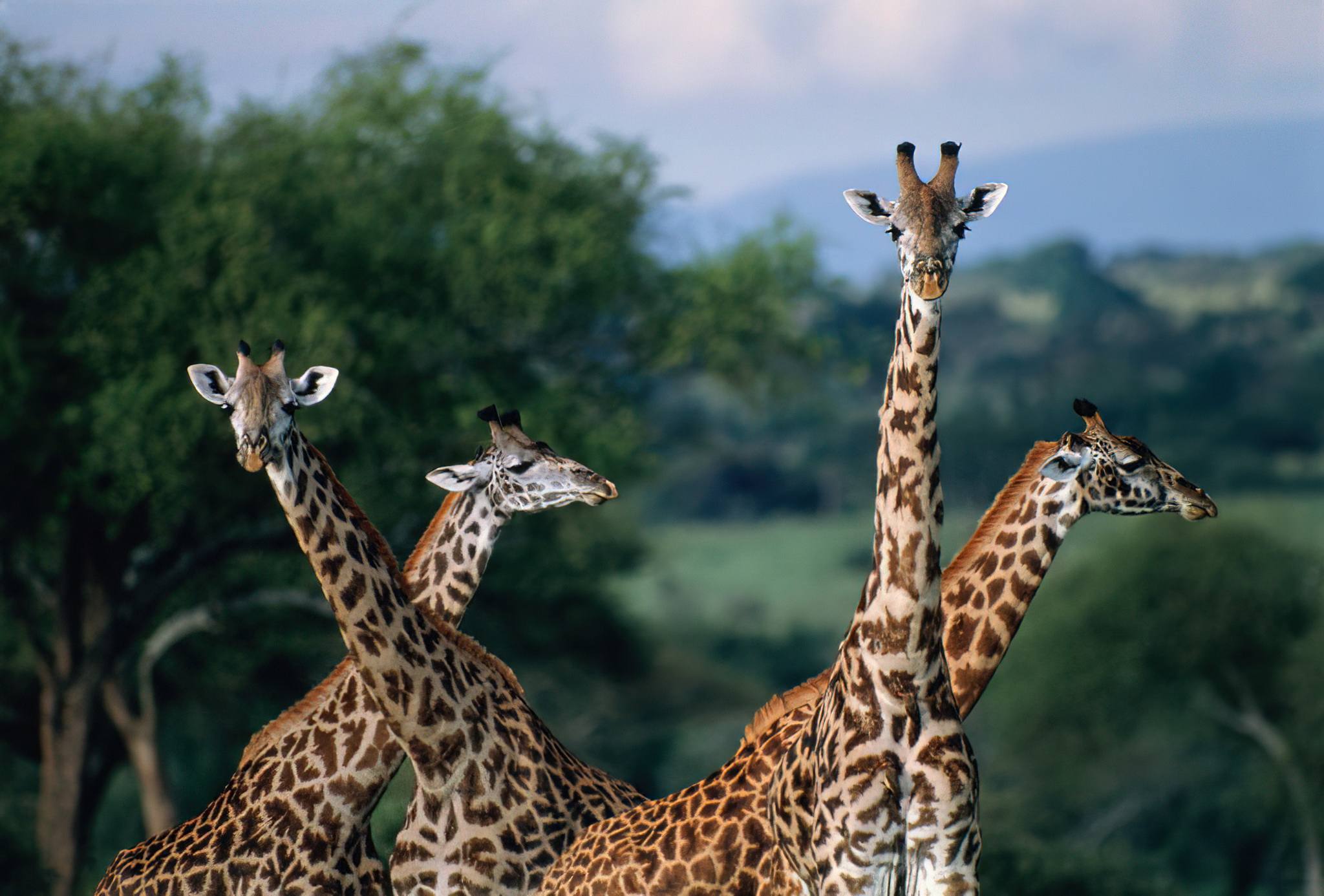
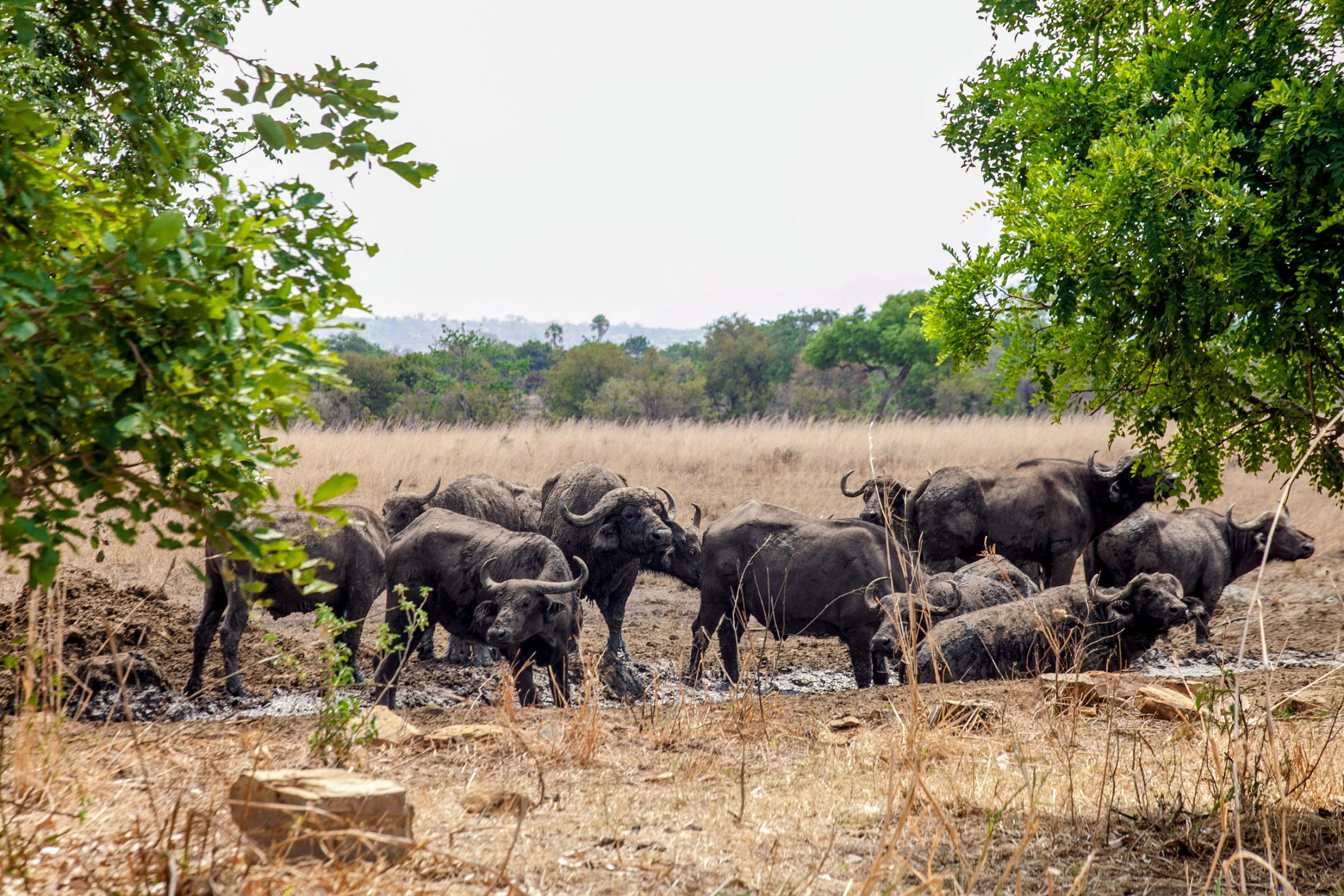
Both parks sit in the same greater ecosystem, so the core wildlife overlaps heavily. In each you can expect elephants, lions, giraffes, buffalo, zebras, hippos, crocodiles, a range of antelope, and rich birdlife. Both are honestly Big Four parks lion, elephant, leopard and buffalo. Neither reliably has rhino; for the full Big Five you'd need the Ngorongoro Crater on the northern circuit. If an operator promises you the Big Five in either Mikumi or Nyerere, be cautious about the rest of their claims.
Where they differ is in the highlights. Mikumi's strength is its open Mkata Floodplain the short-grass, big-sky terrain that makes wildlife easy to spot in a short visit. On a single day you reliably see plains game and usually lions. Nyerere's strength is scale and wildness: enormous elephant herds, big buffalo congregations, and the prize that Mikumi can't match the African wild dog. The greater Selous ecosystem is one of the very best places on the continent to see these endangered predators, whereas in Mikumi a wild dog is a rare, lucky visitor passing through. Nyerere's rivers and lakes also bring you closer to hippos, crocodiles and waterbirds than a game drive ever can.
For a full, honest rundown of what lives in Mikumi and how likely you are to see each species, see our guide to animals in Mikumi National Park.
The Boat Safari: Nyerere's Signature
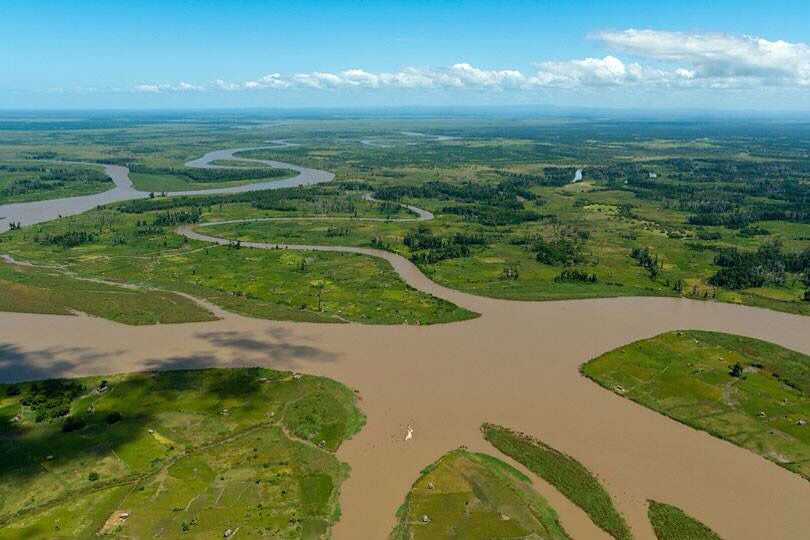
If there's one experience that defines Nyerere and simply doesn't exist in Mikumi, it's the boat safari. Nyerere's Rufiji River the largest river in East Africa and its connected lakes let you watch wildlife from the water. Drifting quietly past pods of hippos, eyeing crocodiles on the banks, and seeing elephants come down to drink at eye level is a completely different perspective from a game-drive vehicle. The birdlife along the river is extraordinary, and the light at golden hour on the water is something photographers travel a long way for.
Mikumi, by contrast, is a pure game-drive park. It has the lovely open floodplain and its hippo pools, but no major river for boating. So if a boat safari is on your wish list, that single factor settles the decision in Nyerere's favour. For many returning safari-goers, the Rufiji boat trip alone is the reason they choose Nyerere.
Walking safaris, scenery and exclusivity
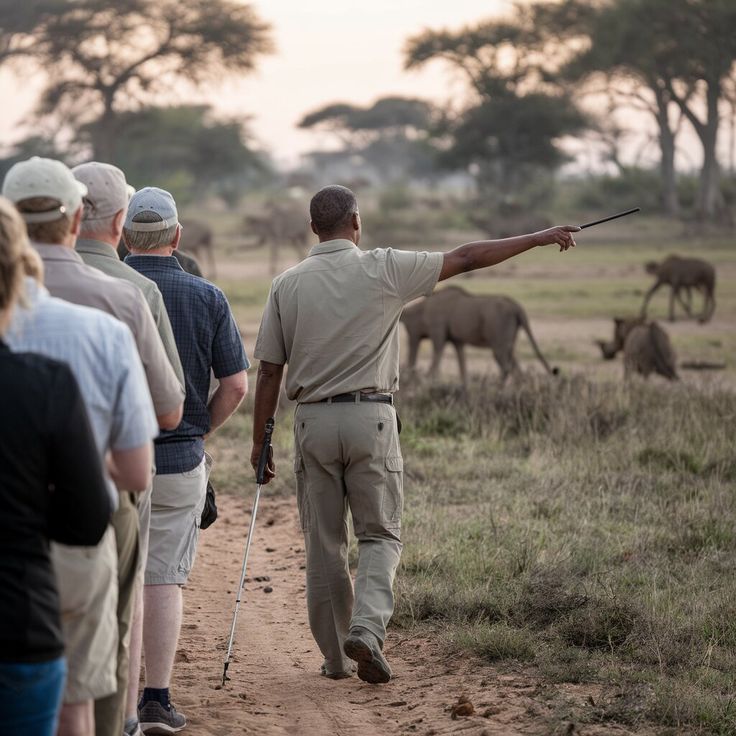
Nyerere also permits walking safaris with an armed ranger tracking wildlife on foot, learning the small details of the bush you miss from a vehicle. It's a genuine highlight for the adventurous and isn't a standard part of a Mikumi visit. The scenery differs too: Mikumi is defined by its open floodplain framed by the Uluguru facing hills, while Nyerere mixes river channels, lakes, palm-dotted banks, sandbanks and woodland into a more varied, watery landscape.
Then there's exclusivity. Mikumi is far from crowded by northern-circuit standards, but because it's accessible it does see more day visitors. Nyerere is vast and lightly travelled, so you can spend hours without meeting another vehicle. If a sense of having the wilderness to yourself matters to you, Nyerere delivers it in a way few accessible parks can.
Price ranges: What each safari typically costs
Cost is often where the decision firms up, so let me be transparent about it. Two structural facts drive the difference: Mikumi is reachable overland and has lower park fees, while Nyerere usually involves a fly-in and carries higher conservation fees and pricier lodges. That makes Mikumi the budget-friendly option and Nyerere the premium one.
Here are indicative price ranges per person. Mikumi figures are our actual starting prices; Nyerere figures are typical market ranges that vary with lodge tier, season and group size always get a written quote for exact numbers.
Complete Guide on the Average Cost of Tanzania Safari| Trip type | Mikumi (from) | Nyerere/Selous (typical) |
|---|---|---|
| 1-day safari from Dar es Salaam | from $470 pp | premium fly-in · noticeably higher |
| 1-day fly-in from Zanzibar | from $450 pp | premium fly-in · noticeably higher |
| 2-day safari | from $590 pp | mid-to-upper range (lodge-dependent) |
| 3-day safari | from $600 pp | upper range (boat + lodge) |
| Park / conservation fee | ~$37/adult/day + VAT | higher than Mikumi (+ VAT) |
A few honest notes on price. First, park fees are set by the authorities and are the same whoever you book with, so a quote far below everyone else's usually means fees have been quietly excluded always check. Second, much of a safari's cost isn't profit: it's park fees, a 4x4 and fuel, a professional guide, meals, and on multi-day trips lodging. Third, Nyerere's premium buys you real things the boat safari, the remoteness, the wild dogs so it's not simply "more expensive," it's a different product. For a deeper look at what goes into the numbers, see our Mikumi safari cost breakdown.
The quote-comparison trap
When you weigh two prices, make sure you're comparing like with like: same park, same number of game drives, park fees included or not, private or shared vehicle, and lodge standard on multi-day trips. A cheaper headline number often hides a fee that gets added later or a shared vehicle where you assumed private.Private safari vs Group sharing: Which To Book
This is the other big lever on price and experience, and it applies to both parks. Whether you book a private safari or a group / shared one changes both what you pay per person and how the day feels.
| Private safari | Group / shared safari | |
|---|---|---|
| Vehicle | Your own 4x4 & guide, just your party | Shared 4x4 with other travellers |
| Price per person | Higher (you cover the whole vehicle) | Lower (cost is split across the group) |
| Schedule | Fully flexible your pace and stops | Fixed pickup and itinerary |
| Best for | Families, couples, photographers, friends | Solo and budget travellers, the social |
| Wildlife pace | Linger at sightings as long as you like | Pace balanced for the whole group |
How group size changes the price
The key thing to understand is that the vehicle, fuel and guide cost roughly the same whether one person or six are in the car. On a private safari you're paying for that whole vehicle, so the per-person price falls sharply as your own group grows. A solo traveller booking privately pays the most; a family of four or a group of six splits the same vehicle cost several ways and each pays much less. This is why our "from" prices assume a small group book privately as a solo and you'll pay a premium for the exclusivity.
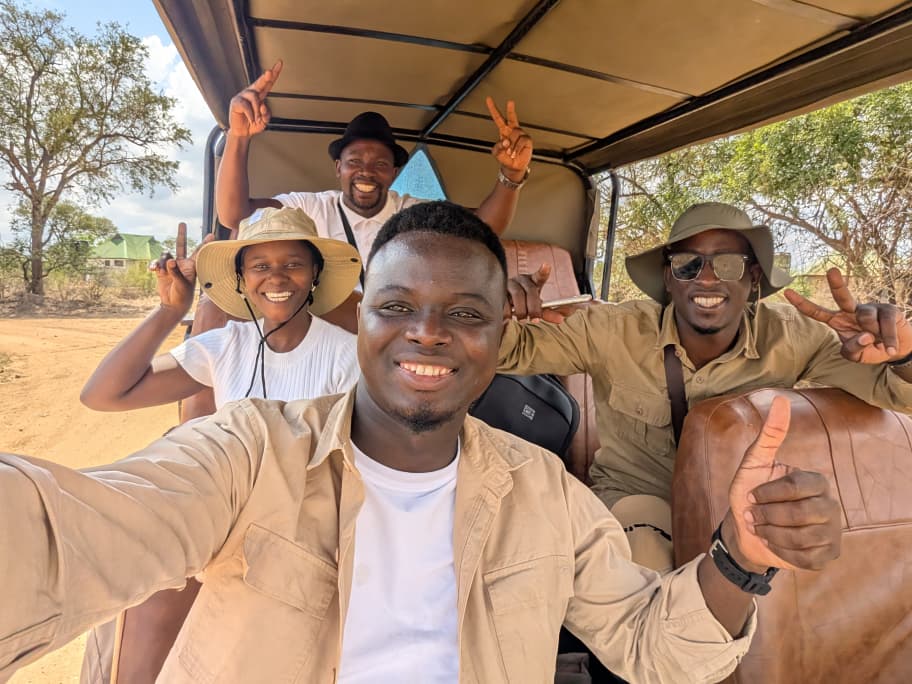
A group / shared safari solves the solo-traveller problem differently: the operator seats you alongside other travellers in one vehicle, so the cost is already split and your per-person price is low from the start. The trade-off is a fixed schedule and sharing your sightings and your space with people you've just met. For a sociable solo traveller on a budget, that's often a fair deal; for a honeymoon or a serious photographer, it usually isn't.
How this plays out in each park
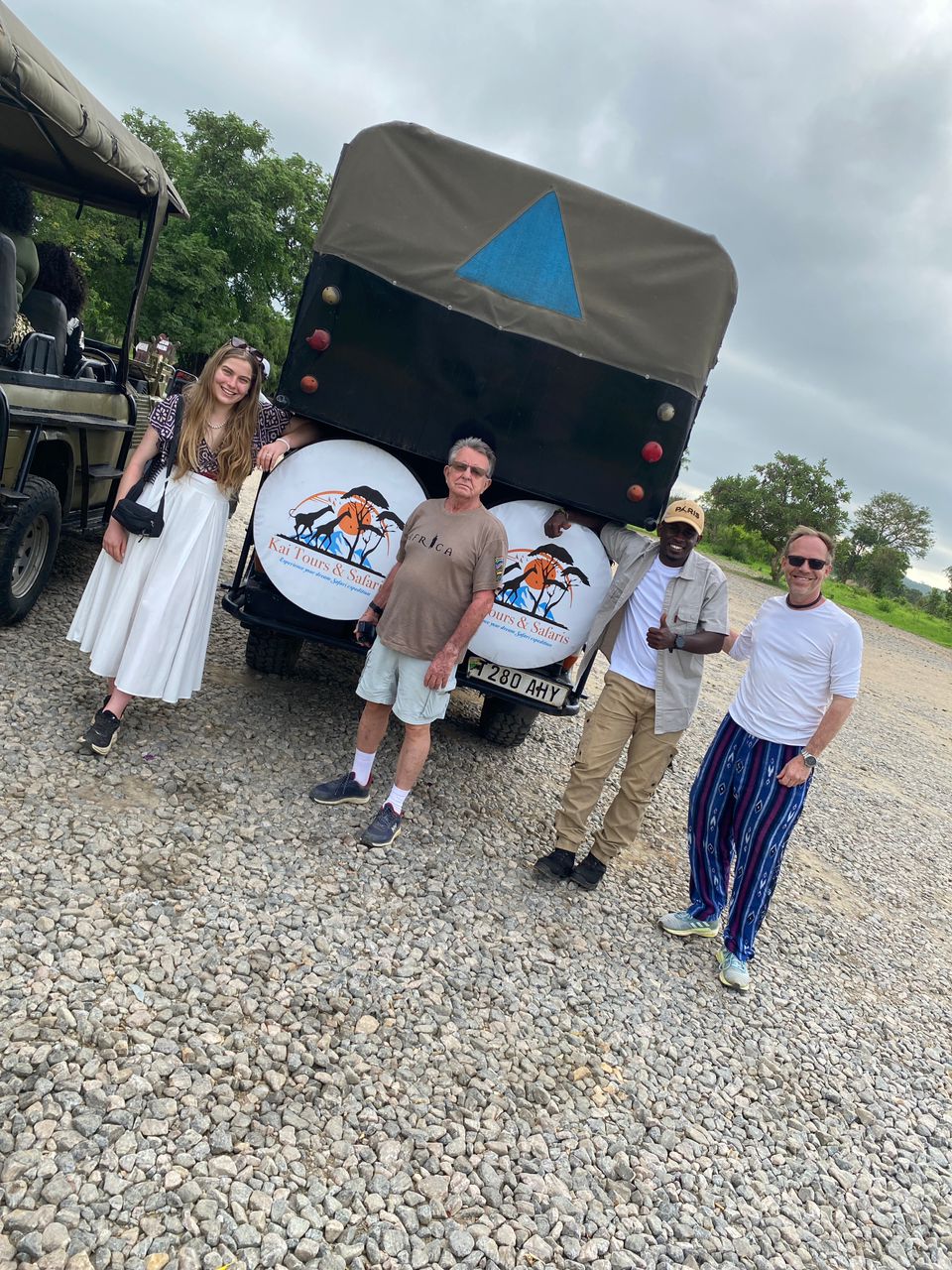
In Mikumi, both styles are common. Day trips can often be joined as a shared departure (cheapest) or arranged privately (more flexible), and because the park is compact, a private day is very doable on a moderate budget especially for two or more people. In Nyerere, safaris lean more toward private, lodge-based arrangements simply because of how fly-in itineraries and camps are structured; shared options exist but are less the norm. So if keeping the price down through sharing is your priority, Mikumi gives you more flexibility to do that.
A simple rule of thumb
Travelling solo on a budget and happy to share? A group departure (most easily in Mikumi) keeps your cost lowest. Travelling as a couple, family or group of friends, or you care about pace and photography? Book private split across your own party, it's often barely more per person and the day is entirely yours.Best time to visit each
Both parks are year-round, but the dry season from June to October is the easiest for wildlife in either animals concentrate around water and the bush thins out. In Nyerere this is also the prime window for boat safaris and the best river levels. The green season, roughly November to March, brings lush scenery, superb birding and migratory species to both, with fewer visitors and sometimes lower rates. The long rains of April and May are the quietest and wettest; some Nyerere camps even close for part of this period, while Mikumi stays reliably accessible thanks to its road and rail links. If your dates are fixed and fall in the rains, that accessibility is another quiet point in Mikumi's favour.
So, which should you choose?
Choose Mikumi if you…
- Want a true day trip
- Are short on time or on a budget
- Want your first taste of safari
- Prefer easy train/road access
- Want the option of a cheaper shared departure
Choose Nyerere if you…
- Have two or more days
- Want a Rufiji River boat safari
- Want walking safaris
- Hope to see wild dogs
- Value remoteness and few people
- Are happy to pay a premium for it
Let me put it in terms of real travellers. If you're a first-time safari-goer, or you're slotting a safari into a Zanzibar beach holiday and only have a day, do Mikumi it gives you a genuine safari with the least friction and cost. If you're a family or group watching the budget, Mikumi's shared and private day-trip options make it the practical pick. If you're a returning safari-goer who's already done the classic game drives and wants something different, or a photographer or honeymooner after that boat-safari magic and total seclusion, Nyerere is worth the extra days and money. And if you simply want the easiest, most affordable real safari near the coast, Mikumi is hard to beat.
Can you do both?
Absolutely, and plenty of people do. Because both parks sit in southern Tanzania and connect to Dar es Salaam and Zanzibar, a natural pattern is to use Mikumi as a quick taste a day trip early in your stay and then commit to a multi-day Nyerere safari for the boat trips, walking and wilderness. You get the accessible introduction and the deep immersion, each doing what it does best. If you've got a week to play with and want the full southern-circuit experience, combining the two is a genuinely excellent itinerary, and we're happy to build it around your dates.
Frequently asked questions
Not sure which fits your trip?
Tell us your dates, group size, and whether you want a quick day safari or a wilder multi-day adventure — we'll recommend honestly between Mikumi and Nyerere.
WhatsApp View 1-Day Mikumi Safari Email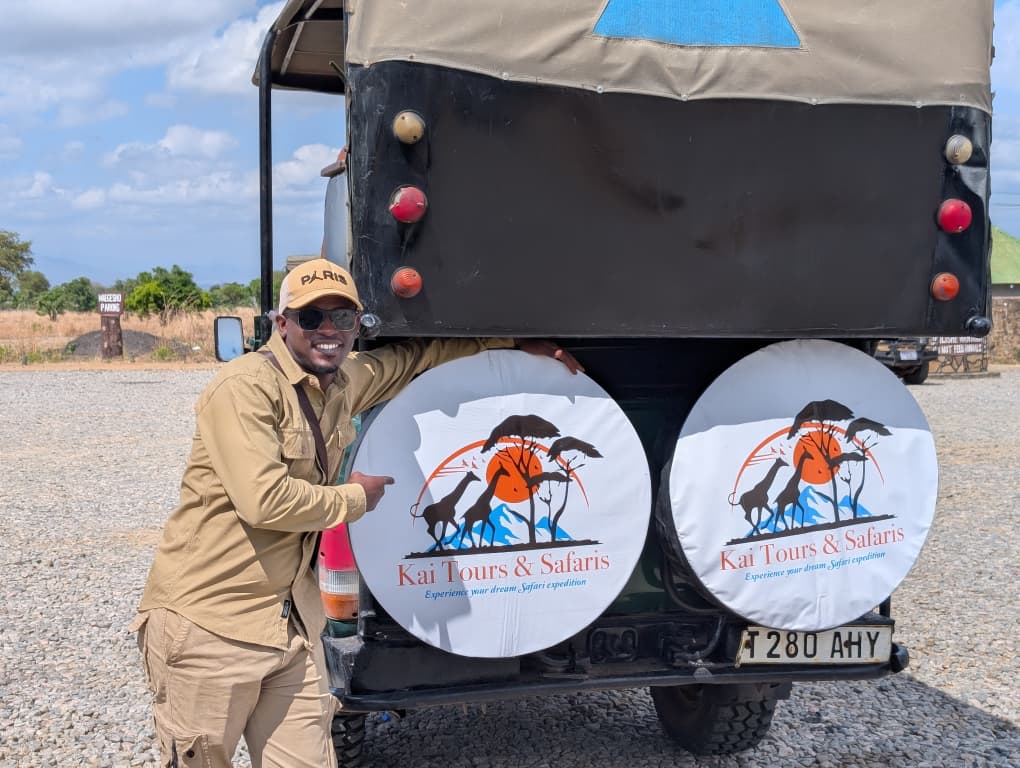
Written By:
Justus Kahwa - Safari Operations Director
Kai Tours and Safaris