The short answer
For most travellers in 2026 and 2027, the smartest way to reach Mikumi from Dar es Salaam is the early SGR express train to Morogoro followed by a pre-booked safari transfer to the park gate. You skip the worst of the Dar traffic, arrive rested in under two hours of rail time, and you can be watching elephants on the Mkata floodplain before mid-morning. Self-driving still suits people who want a flexible road trip, the public bus is the cheapest option, and flights only make sense if Mikumi is one stop on a longer southern circuit.
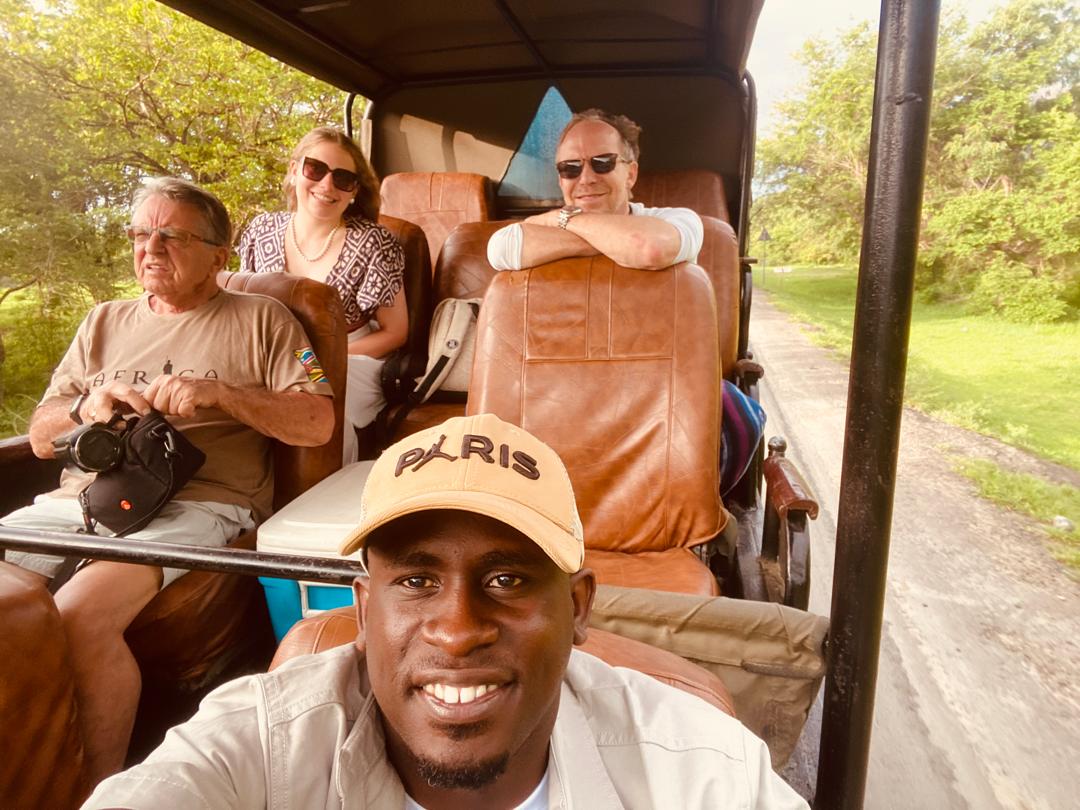
I have lost count of how many times I have made this journey. Ten years of guiding out of Dar es Salaam, and the road to Mikumi is the one I know in my sleep, the bend near Mlandizi, the climb into the Uluguru foothills, the moment the savanna opens up and the first giraffe appears against the hills. What has changed in the last couple of years is how people get there. The train changed everything, and a lot of the advice still floating around online is out of date.
So this is my honest, current take on every realistic way to travel from Dar es Salaam to Mikumi. Not a brochure. I will tell you what each option actually feels like, what it costs, where it goes wrong, and which one I would put my own family on. If you are still deciding whether Mikumi is even the right park for you, I cover that too, because half the people who ask me about transport are really asking whether the trip is worth it. It is.
The four ways to get there, compared
Mikumi has one big advantage over almost every other Tanzanian park: it is genuinely easy to reach. The A7 highway runs straight through it, the railway now reaches halfway in under two hours, and you do not need a bush flight to see lions. Here is how the four options stack up for a non-resident traveller in 2026. Figures are for one direction and are a planning guide, not a quote.
| Option | Travel time | Rough cost (one way) | Comfort | Best for |
|---|---|---|---|---|
| SGR train + transfer (my pick) | 4–5 hrs door to gate | $5 train + transfer (in package) | High, air conditioned | Comfort, dawn arrival (no driving stress) |
| Self-drive / private car | 4–6 hrs | $35–60 fuel + car hire | High | Flexibility, families, road-trippers |
| Public bus | 4–5 hrs to town | $6–10 | Basic | Budget travellers, backpackers |
| Flight (charter) | 1 hr air | $200+ typically | High | Multi-park itineraries, Tight schedules |
Notice the train fare. Five US dollars for the rail leg sounds too good, and on its own it is. The real cost of the train option is the road transfer from Morogoro to the gate, which is why most people do it as part of a package rather than piecing it together alone. I will come back to that. For now, the headline is simple: the train and the private car are the two comfortable choices, the bus is the cheap one, and flying is for people doing something bigger than a Mikumi only trip.
Where Mikumi actually is
Mikumi National Park sits in the Morogoro region of southern Tanzania, about 280 to 310 km west of Dar es Salaam depending on where in the city you start. It is the country's fourth largest park, covering roughly 3,230 square kilometres, and it forms the northern doorway to the southern safari circuit that runs on to Nyerere National Park and Ruaha.
The geography matters for your journey, so picture it. The Uluguru Mountains rise to the north and the Rubeho range sits to the southeast, and the park spreads across the Mkata floodplain between them. The A7 highway, the main road south from Dar, cuts the park into two halves. The northern half, around the floodplain, is where almost all the game driving happens. The southern half is thicker acacia country and is mostly left to the rare antelope and the few visitors who want real solitude.
The practical upshot of that highway running through the park is unusual: you often see your first zebra or elephant from the public road, before you have paid a shilling. It also means the gate is right off the main route, so there is no long dirt approach like you get on the northern circuit. If you want the full background on the park before you go, our Mikumi first time visitor guide walks through the layout in more detail.
View 1-Day Mikumi Safari PackageYour transport options, in plain terms
Before the detail, here is the mental model I give clients. You are really choosing between two questions. First, do you want to do the journey yourself or have it handled? Second, how much does comfort matter against cost? The train and a chauffeured car answer "handled" and "comfort matters." Self-drive answers "myself." The bus answers "cheap." Flying answers "I am short on time and doing more than one park."
Most first timers from Dar or Zanzibar end up on the train or in a private vehicle, and I think that is right. Mikumi is close enough that flying is rarely worth the money on its own, and the bus, while perfectly safe, drops you in Mikumi town with no way to get into the park itself. Let me take each one properly.
The SGR train, and why it changed the trip
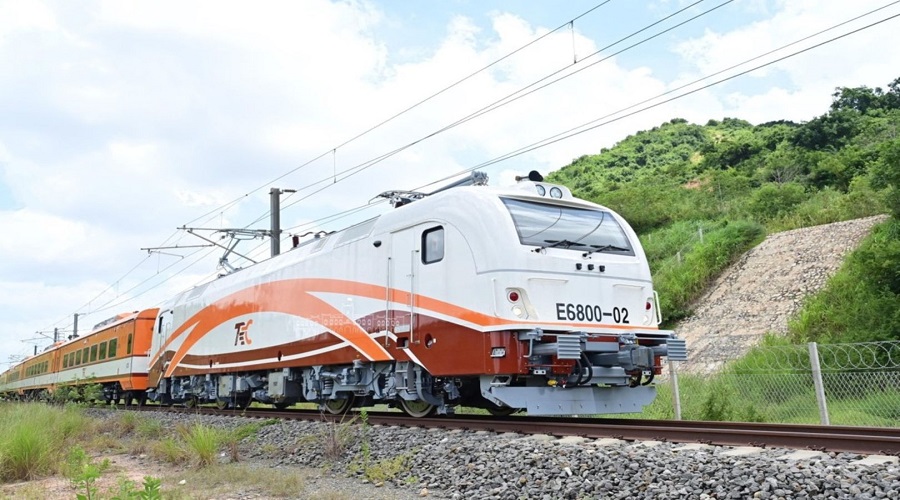
The Standard Gauge Railway is the single biggest improvement to southern safari access in my career. When the Dar to Morogoro service opened in mid-2024 and the line extended to Dodoma soon after, it quietly turned a tiring half-day road slog into a calm two-hour glide. A new timetable took effect on 3 January 2026, and the early express remains the one that matters for Mikumi.
The journey on rails
The express leaves the Dar es Salaam SGR terminal at 06:00 and reaches Morogoro at around 07:40. That is roughly 300 km of the old grind erased in under two hours, on a smooth electric train that does not lurch, does not stop in every village, and does not sit in Ubungo gridlock. There are also EMU trains, the ones locals call "Mchongoko," and slower ordinary services, but for a Mikumi day the early express is what you want.
Standard class from Dar to Morogoro costs about 13,000 Tanzanian shillings, a little over five US dollars. Business class costs a bit more for extra legroom and quieter carriages. You book through the official TRC portal at sgrticket.trc.co.tz or at a station counter, and I would book a few days ahead in high season because the early express fills up.
Booking and the station, practically
A couple of things trip up first-timers. The online portal works, but card payments from foreign banks sometimes fail, so if your booking will not go through, a station counter or a quick message to us will sort it. Carry the passport you booked under, because the name on the ticket is checked.
Get to the terminal by about 05:40 for the 06:00 express, since there is a security screening like at an airport and you do not want to be jogging for the platform. Luggage is straightforward for a safari daypack, but if you are travelling with big bags, keep anything valuable on you rather than out of sight. And one small comfort tip from experience: the air conditioning runs cold on that early train, so the light jacket you packed for the dawn game drive earns its place before you even reach the park.
Why I now recommend it first
A few things make the train the option I reach for, and they are not marketing fluff, they are what my clients actually notice.
- Air-conditioned coaches. You sit in cooled, comfortable seats the whole way. On the old road, by the time you reached the gate you were already hot and flat. On the train you arrive fresh, which means you actually enjoy the first game drive instead of recovering from the trip.
- Less time lost. The rail leg is under two hours against four to six on the road. Even after the Morogoro transfer, you usually reach the gate earlier than a car that left at the same time, because the train never touches Dar's morning traffic.
- No road fatigue. Driving the A7 demands constant attention, the trucks, the speed bumps, the overtaking. The train removes all of that. You can read, sleep or watch the Uluguru Mountains slide past the window.
- A proper, European-style experience. Assigned seats, clean carriages, screens, security at the stations. Visitors who were nervous about African road travel relax the moment they board. It feels like catching a train in Europe, just with better scenery.
- It is the greener choice. The SGR is electric, so a train seat carries a far smaller carbon footprint than your share of a car or minibus on the same route. For travellers who care about that, and many of mine do, it is an easy win.
The one catch, told honestly
The train does not go to Mikumi. It goes to Morogoro, and from Morogoro you still have about 100 km of road, roughly 90 minutes, to the park gate. So the train is half the journey, not all of it. You need a vehicle waiting at Morogoro station, which is exactly what we arrange. There is also a regular train to Kilosa, which sits closer to the park's northern edge, and authorities have announced plans for a dedicated SGR access gate near Kilosa that would shrink the road transfer to around 19 km.
That gate is not open yet. Until it is, Morogoro is the sensible railhead, and anyone telling you the train drops you at the park is selling you a future that has not arrived.
Driving or private transfer
If you like a road trip, or you are travelling as a family with luggage and a flexible plan, driving is a fine choice. The A7 is sealed tarmac the entire way, so this is not a rough-track adventure. The distance is around 300 km and the honest time is four to six hours, with most of the variability coming from how long it takes to claw out of Dar in the morning and the stretch through Morogoro.
You leave Dar, pass Mlandizi and Chalinze, swing through Morogoro at the foot of the Ulugurus, then run west until the highway enters the park. The last section through Mikumi is studded with speed bumps where animals cross, and you genuinely need to watch for elephants and baboons on the road. Self-driving gives you total control of timing and stops, and a private chauffeured transfer gives you the same comfort without you holding the wheel for six hours.

If you want the road broken down, here is how it goes. The first stretch out of Dar to Chalinze is the slow part, busy with trucks heading inland, and it is where you lose time if you leave late. Chalinze is the natural fuel and coffee stop, with petrol stations and roadside grills. From there the road climbs gently toward Morogoro, the Uluguru Mountains rising green on your right, and the town itself is the last good place to top up fuel, grab water and use a proper toilet before the park.
West of Morogoro the traffic thins, the country opens out, and the drive becomes genuinely pretty. Then, almost without warning, the savanna spreads wide and you are inside Mikumi, slowing for the speed bumps while zebra graze the verge. Fuel up in Morogoro rather than gambling on stations further on, keep your speed sensible through the park section, and never drive it tired in the dark, because animals on the highway at night are a real hazard.
My one caution: do not underestimate the fatigue. Leaving before dawn to beat the traffic, then driving five hours, then doing a game drive, is a long day. If you are set on the road but not on driving it yourself, a private transfer with a guide who knows the route is the relaxed version. If budget is the deciding factor and you want the wildlife without the premium price, look at our best affordable Mikumi safaris instead.
The public bus
The cheapest way to reach Mikumi is an ordinary intercity bus. You catch an Iringa bound or Mbeya bound coach from Ubungo bus terminal in Dar, and you ask the conductor to drop you at Mikumi town, which sits right beside the park on the highway. The trip takes about four to five hours, including a short stop in Morogoro, and a ticket runs roughly 15,000 to 25,000 shillings, somewhere around six to ten dollars.
The buses are safe and the road is good, so there is nothing to fear about the journey itself. The limitation is what happens when you arrive. The bus leaves you in Mikumi town with no vehicle and no guide, and you cannot walk into a national park full of lions. You will need to arrange a game drive and a vehicle locally, which is doable but eats into the saving. The bus is best for budget travellers who plan to stay a night in town and book a drive on arrival, not for someone expecting a turnkey safari.
Flying
Flying to Mikumi alone almost never makes sense, and I will not pretend otherwise. There is no scheduled commercial flight to a Mikumi airstrip the way there is to Serengeti. Charter flights to the park's airstrip exist, but they are expensive and usually only booked as part of a tour package. The other air route is to fly toward Iringa or Dodoma and transfer by road, which adds taxis and time and rarely beats the train on value.
Where flying earns its place is on a bigger itinerary. If Mikumi is your first stop before flying deeper into Nyerere or Ruaha, a charter chain can knit the parks together and save a long drive between them. For a standalone Mikumi trip from Dar, though, the money is better spent on an extra night in the park.
What it really costs
Travellers fixate on the transport fare and forget that the park fee is often the bigger line. So let me separate the two. The transport cost is what gets you to the gate. The park cost is what gets you in.
On transport, the bus is cheapest at well under ten dollars, the train fare itself is about five dollars plus the transfer, self-driving is thirty five to sixty dollars in fuel plus your car hire, and flying starts around two hundred. On park fees, the TANAPA tariff for 2025 to 2026, valid through 30 June 2026, charges non-resident adults 30 US dollars per 24 hours and children 10 US dollars, plus 18 percent VAT. Expatriate residents pay 15 and 5 dollars, and East African citizens pay in shillings, around 11,800. Children under five enter free. On top of the per-person fee there is a separate vehicle fee, and extras like a guided walking safari or a night drive carry their own charges.
A note that saves people grief at the gate: TANAPA wants foreign visitors to pay park fees by card, Visa or Mastercard, and discourages cash. If you book through an operator, the fees are bundled into your package and settled for you, which is one less thing to fumble at the entrance. Fees do change each July, so treat these as 2026 figures and confirm before you travel. For why starting your safari in the city makes the whole budget work, see why start your safari in Dar es Salaam.
Average Cost of A Tanzania safari : Complete guideTo make it concrete, picture a couple doing one night in 2026. Two SGR tickets are about ten dollars. Park fees for two adults across two calendar days come to around 120 dollars before VAT and vehicle fee, since the 24-hour clock means an overnight stay touches two fee days. Add the road transfers from Morogoro, a guide and 4x4, a night in a mid-range lodge, and meals, and a comfortable one night Mikumi trip for two from Dar lands in a sensible mid hundreds of dollars range rather than the thousands a northern safari would cost. That gap, more than anything, is why I send so many first time and short on time visitors here.
How the travel times compare
Time is where the train quietly wins. On paper the road is "four to six hours" and the train leg is "under two," but that comparison hides the real story. The car's clock starts the moment you hit Dar traffic, and on a bad morning the first hour barely clears the city. The train ignores all of that. It leaves on time and reaches Morogoro in well under two hours regardless of what the roads are doing.
Add the Morogoro to gate transfer of about ninety minutes to the train, and you land at the gate at a similar time to a car that left at dawn, but you arrive rested rather than wrung out. The bus sits in the middle, around four to five hours, but with no onward transport sorted. Flying is fastest in the air and slowest in practice once you count the transfers at both ends. For a single park, the practical winner on time and comfort together is the train.
What you will actually see in Mikumi
This is the part that decides whether the trip was worth the journey, so let me be straight about it. Mikumi punches well above its reputation. The Mkata floodplain in the northern section is open grassland dotted with palms, and on a good morning it can feel like a smaller, quieter Serengeti.
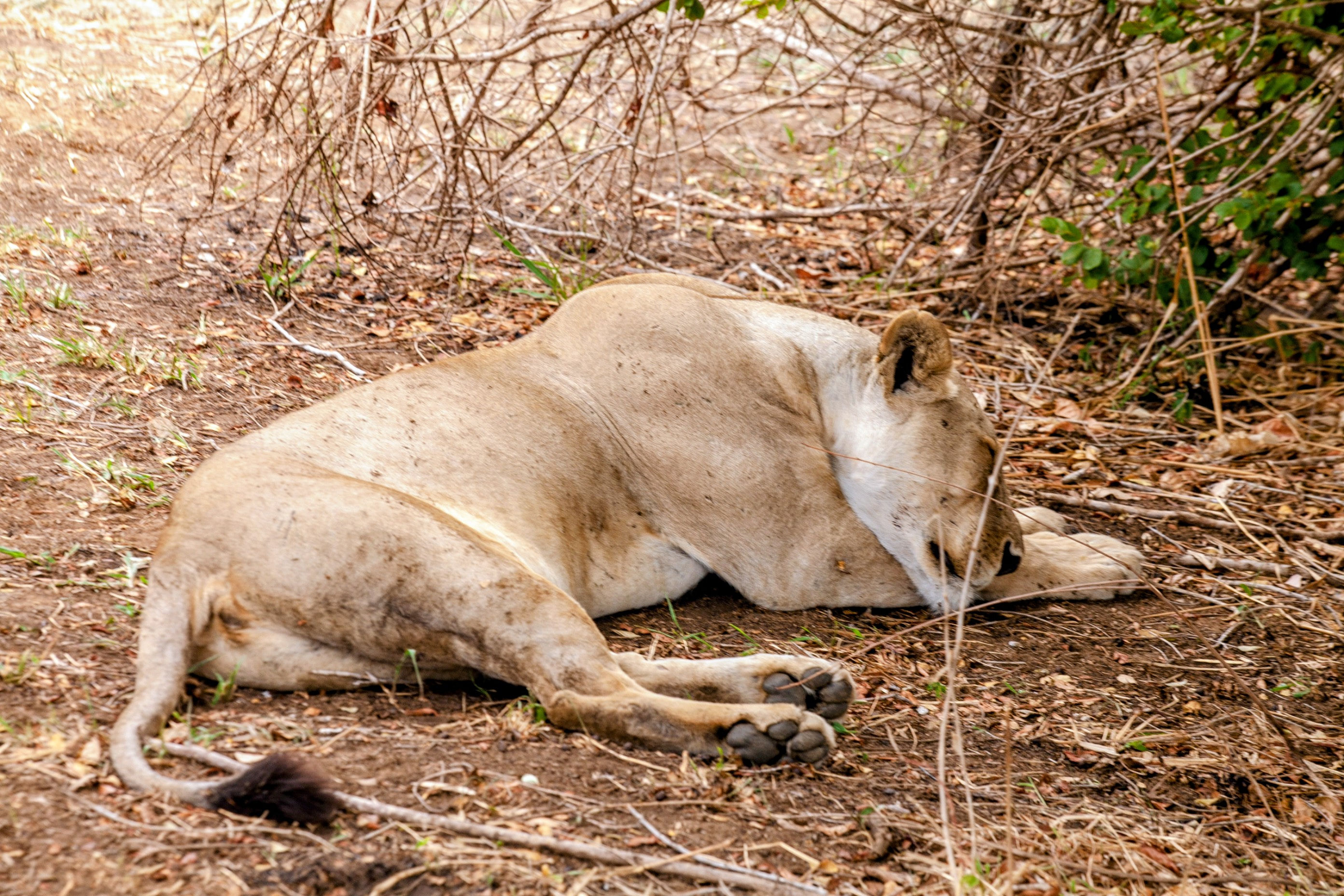
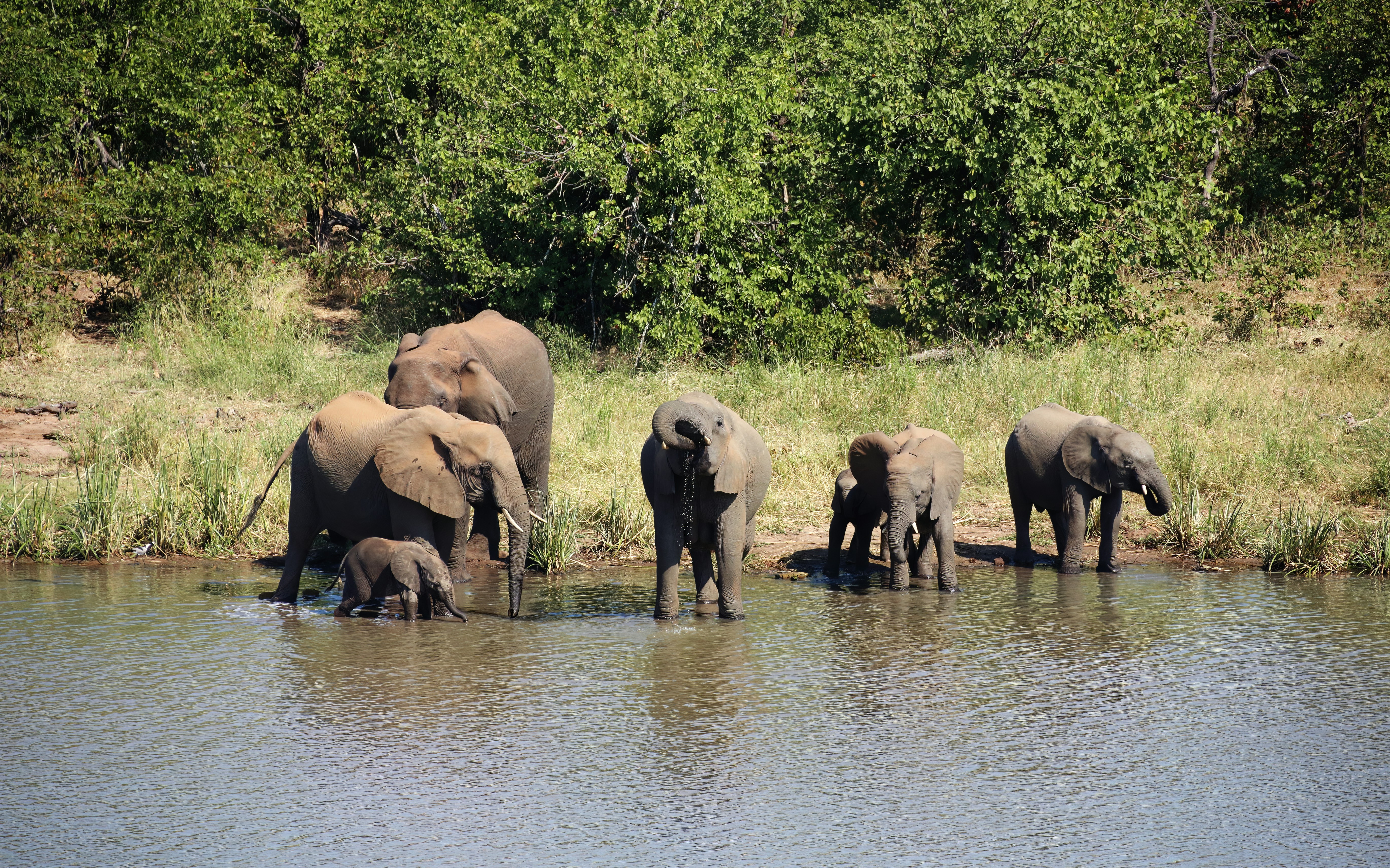
You can reasonably expect large herds of buffalo, plenty of elephants, zebra, wildebeest, impala, giraffe and warthog. Lions are resident and seen regularly, often lazing near the floodplain or up an acacia. Hippos crowd the pools near the gate, where you can usually leave the vehicle at a viewpoint. In the thicker southern section, patient visitors find shy antelope like sable and greater kudu that are harder to see elsewhere.
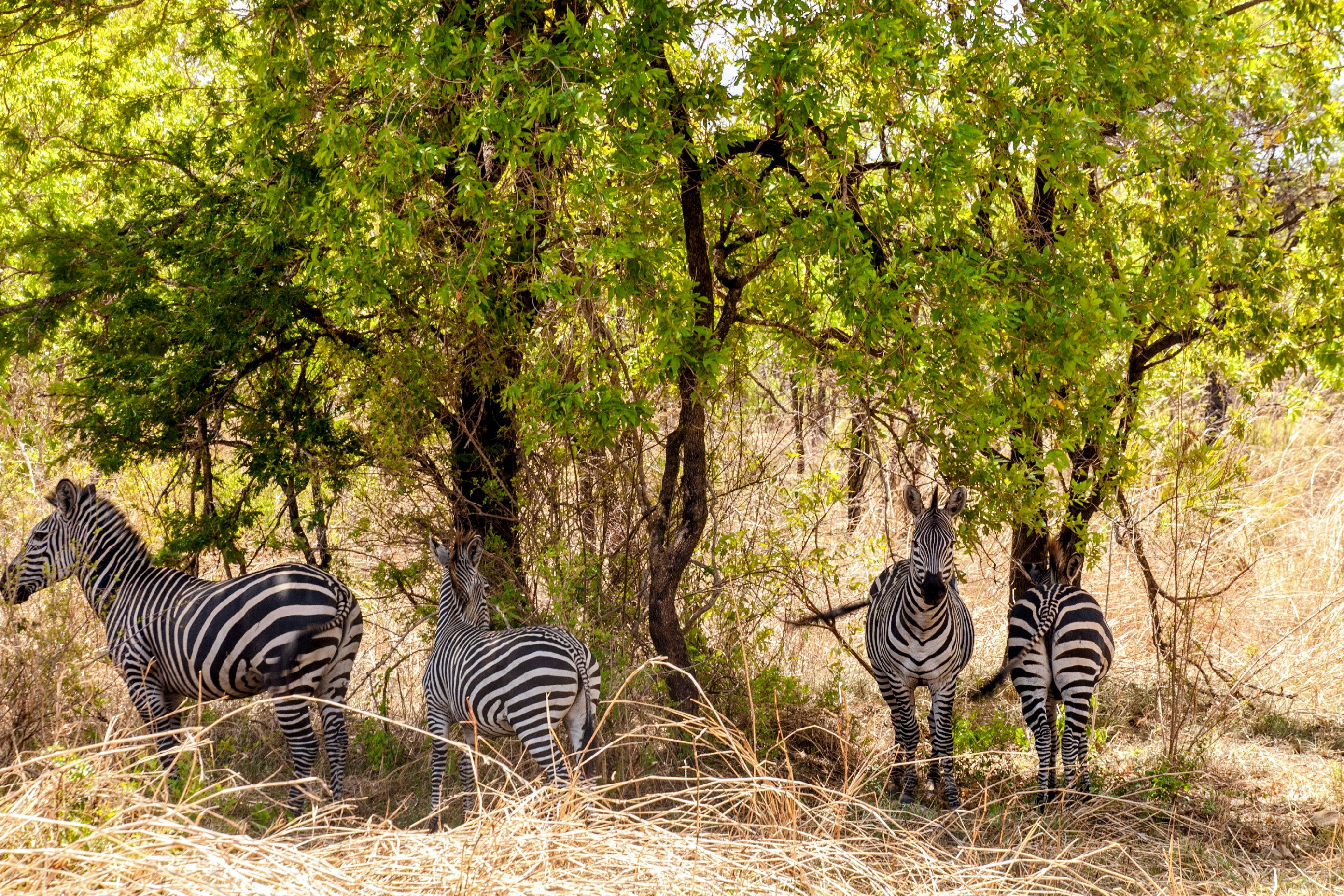
On the famous Big Five question, I will give you the answer a brochure will not. Lion, elephant, buffalo and leopard are all here, with leopard the trickiest of the four. Rhino are not reliably present in Mikumi, so do not come expecting them. Four of the five is a realistic target, and on a good two-day visit you will likely see three of them comfortably. The birding is excellent too, especially in the green season, with lilac-breasted rollers, bateleur eagles and the open-country species that love the floodplain.
To set expectations honestly, a typical dawn drive on the Mkata floodplain goes something like this. You leave camp in the cold half-light and within minutes you are among zebra and impala waking up. Giraffe browse the scattered acacias. You pass a waterhole thick with buffalo, and your guide slows at every tree line, because lions like to lie up where the grass meets shade. Some mornings you find a pride sprawled and yawning, some mornings you find only tracks, and that uncertainty is the point of a real safari. By the hippo pools near the gate you can usually get out and watch them grunt and jostle. Elephants are close to guaranteed in the dry months, when they cross the open ground in family groups. Leopard is the one you hope for rather than plan on. Manage your expectations around lion, elephant and buffalo, treat leopard as a bonus, and you will go home happy.
What the journey actually feels like
Numbers and tables only get you so far. Here is a real morning on the train and transfer option, the way I run it, so you can picture your own day. Times line up with the early express.
- 05:00 Hotel pickup in Dar
We collect you while the city is still quiet and the roads are empty. - 06:00 Board the SGR express
The train pulls out on time. Air conditioning on, Uluguru Mountains ahead. - 07:40 Arrive Morogoro
Under two hours and you are halfway, rested rather than rattled. - 09:30 Mikumi main gate
Park fees handled, paperwork done. Wildlife viewing begins immediately.
That is a same-day-capable rhythm. Leave early, ride the rails, transfer, and you are watching animals by mid morning with the whole day ahead. Compare it to the old way, leaving Dar at six, fighting traffic, and crawling into the gate exhausted at noon, and you can see why I changed my default.
Why travellers choose Mikumi over the bigger names
People often ask whether they should skip Mikumi for a more famous park. It depends entirely on what you want, so here is how I compare them for clients.
Mikumi vs Nyerere
Nyerere, the old Selous, is wilder, much larger and offers boat safaris on the Rufiji that Mikumi cannot match. It is also further, pricier and usually needs a flight or a long drive. Mikumi gives you a similar floodplain feel for far less effort and money. If you have the budget and days, do both, Mikumi first.
Mikumi vs Serengeti
The Serengeti is the Serengeti. Nothing replaces the migration. But it is a flight and a much bigger budget away in the north. Mikumi is a fraction of the cost, needs no internal flight from Dar, and delivers real big-game viewing. For a short trip or a first taste of safari, Mikumi wins on access and value, the Serengeti wins on scale and spectacle.
Mikumi vs Ruaha
Ruaha is raw, remote and brilliant for predators and big elephant herds, and it sits further down the same southern road. Mikumi is the gentle, accessible cousin. Many of my clients use Mikumi as the warm-up and Ruaha as the main event on a longer southern circuit.
Mikumi vs Saadani
Saadani is the novelty park where the bush meets the Indian Ocean, so you can pair game viewing with a beach. It has fewer animals and a different mood. If your dream is elephants on a sandy shore, choose Saadani. If your dream is a proper floodplain full of game, choose Mikumi. For the wider picture of close-to-city options, see our guide to wildlife safaris near Dar es Salaam.
A sample one-night itinerary
A day trip works, but one night is the sweet spot, because it buys you the two best windows: the late-afternoon drive on arrival day and the dawn drive the next morning. Here is the shape of it.
Day one. Early SGR express from Dar, transfer from Morogoro, reach the gate mid-morning. A game drive across the Mkata floodplain, lunch, check in to your lodge or tented camp inside or beside the park, then an afternoon drive as the light softens and the animals come out to feed. Sundowner, dinner, the sound of hippos at night.
Day two. Out at first light for the best drive of the trip, when lions are still active and the air is cool. Back for breakfast, a last loop past the hippo pools, then the transfer to Morogoro and the train home, or onward south toward Ruaha if you are extending. Whether you go private or share a vehicle changes the feel and the price, which we break down in private vs group Mikumi safari.
First-time visitor tips
The questions I get asked most, answered quickly. For the full version, our Mikumi first time visitor guide goes deeper.
- What to wear. Neutral colours, greens, browns and khaki, not bright white or black. Layers, because the dawn drive is cold and midday is hot. A hat and closed shoes.
- How much cash to bring. Park fees go on card, so cash is only for tips, snacks and the odd curio. A modest amount in small shilling notes covers it.
- Mobile signal. Good near the gate, the highway and Mikumi town, patchy deeper in the park. A local SIM helps. Treat the quiet zones as a feature.
- Toilets. Clean facilities at the main gate and the hippo pool viewpoint, and at all lodges. Plan around them, because there is nowhere to stop mid-drive.
- Photography. Bring a zoom if you have one, shoot in the soft light of early morning and late afternoon, and turn off your flash. A beanbag or rolled jacket steadies the camera on the vehicle window.
- Weather. Dry season, June to October, is hot, dusty and best for spotting game. Green season, November to May, is lush, humid and quieter, with short rains and superb birding.
Local expert note: the mistake I see most
After guiding hundreds of travellers from Dar es Salaam to Mikumi, the biggest mistake I see is people leaving too late in the morning. A 9 o'clock start instead of a dawn one can cost you the entire predator window. Animals move and hunt in the cool hours and then settle into the shade by eleven. Leave early. Every single time, the early groups come back with the better stories.
— Justus Kahwa, Kai Tours & Safaris
Most Mikumi Transport Questions With Answers (FAQ)
Ready to go to Mikumi?
We run train and transfer and private road safaris to Mikumi from Dar es Salaam and Zanzibar, with park fees, a licensed guide and a 4x4 sorted from the start.
WhatsApp: +255 672 530415 Email Us Today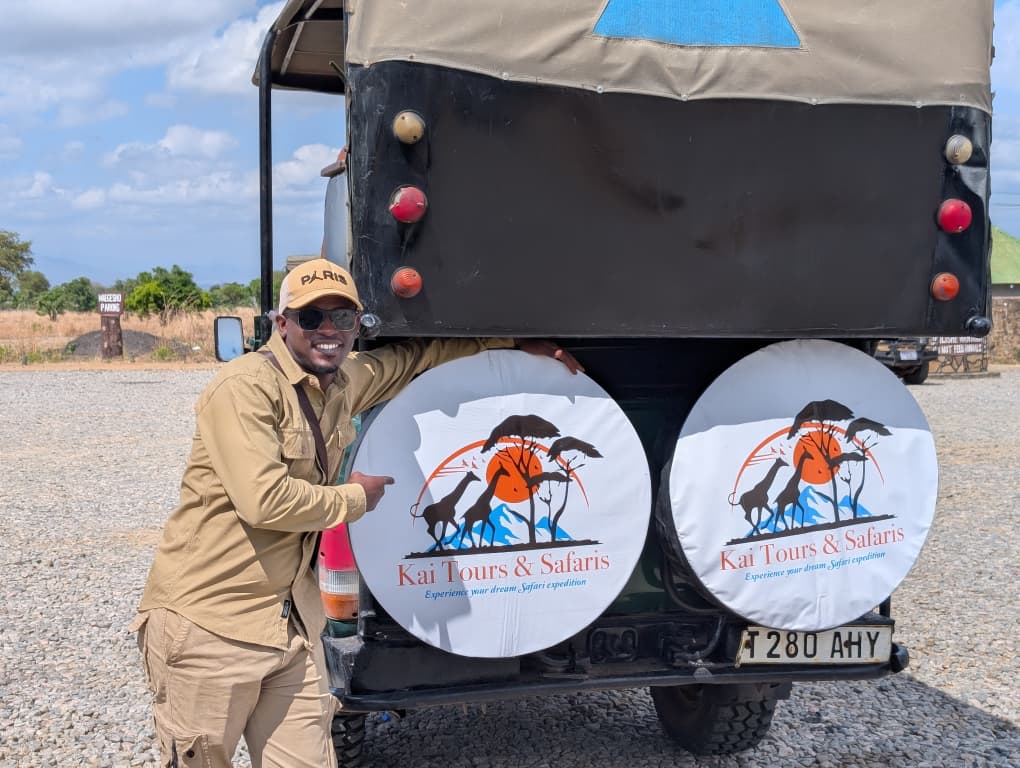
Written By:
Justus Kahwa - Safari Operations Director
Kai Tours and Safaris