Overview of Saadani National Park
Saadani National Park safari is a unique Tanzania coastal safari where beach and bush meet, encompassing 1,062 square kilometers, Saadani National Park is strategically positioned on Tanzania’s northern coastline, roughly 100km northwest of Dar es Salaam. It stands as a rare ecological marvel, seamlessly integrating marine life with mainland ecosystems. Here, the traditional safari experience is enhanced by coastal relaxation, creating an unparalleled holiday destination.
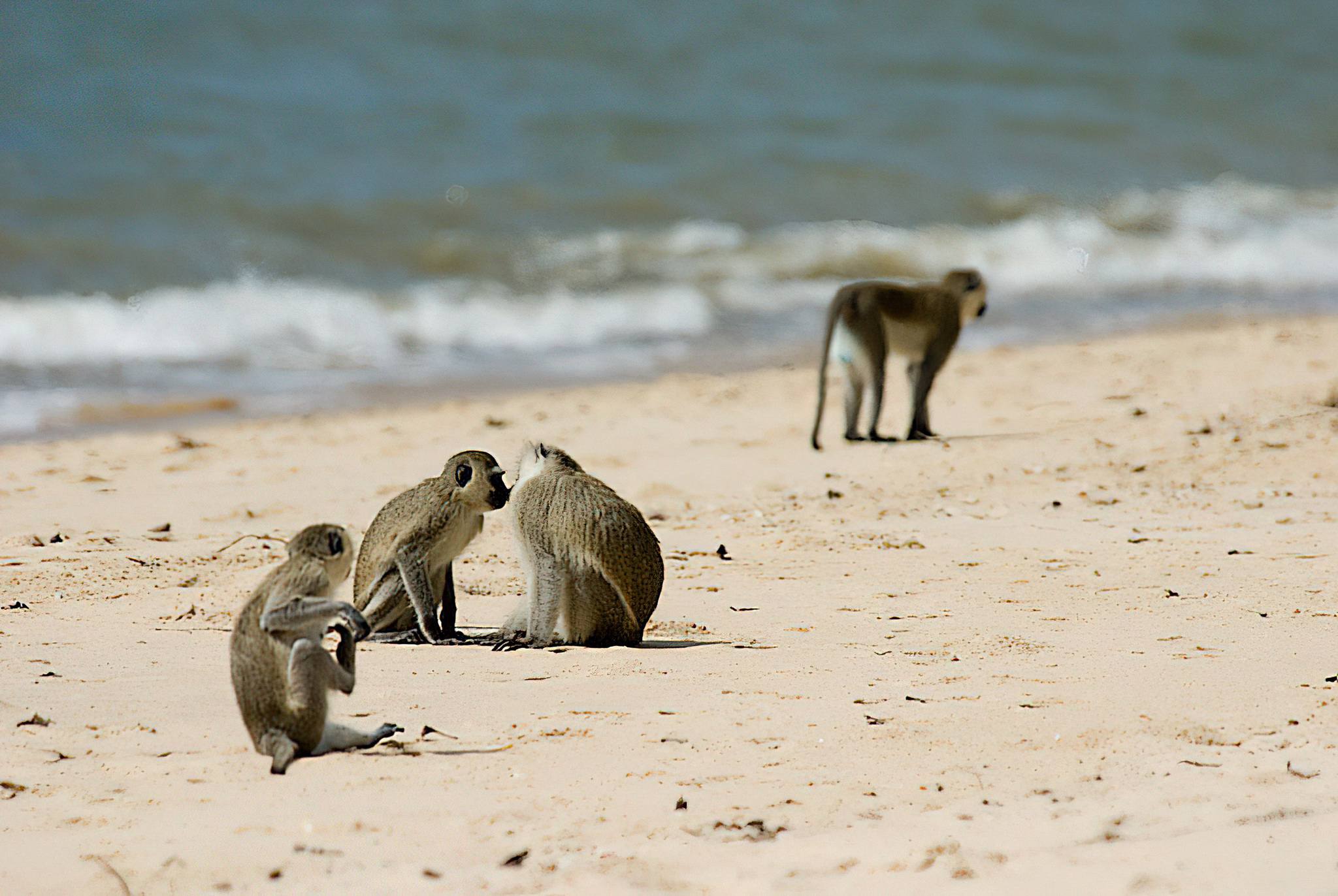
Saadani is a singular paradise where the raw wilderness literally touches the sea. Visitors have the extraordinary luxury of transitioning from a morning game drive directly into the warm waters of the Indian Ocean. This intersection allows for a diverse display of flora and fauna found nowhere else in East Africa.
Historical Significance
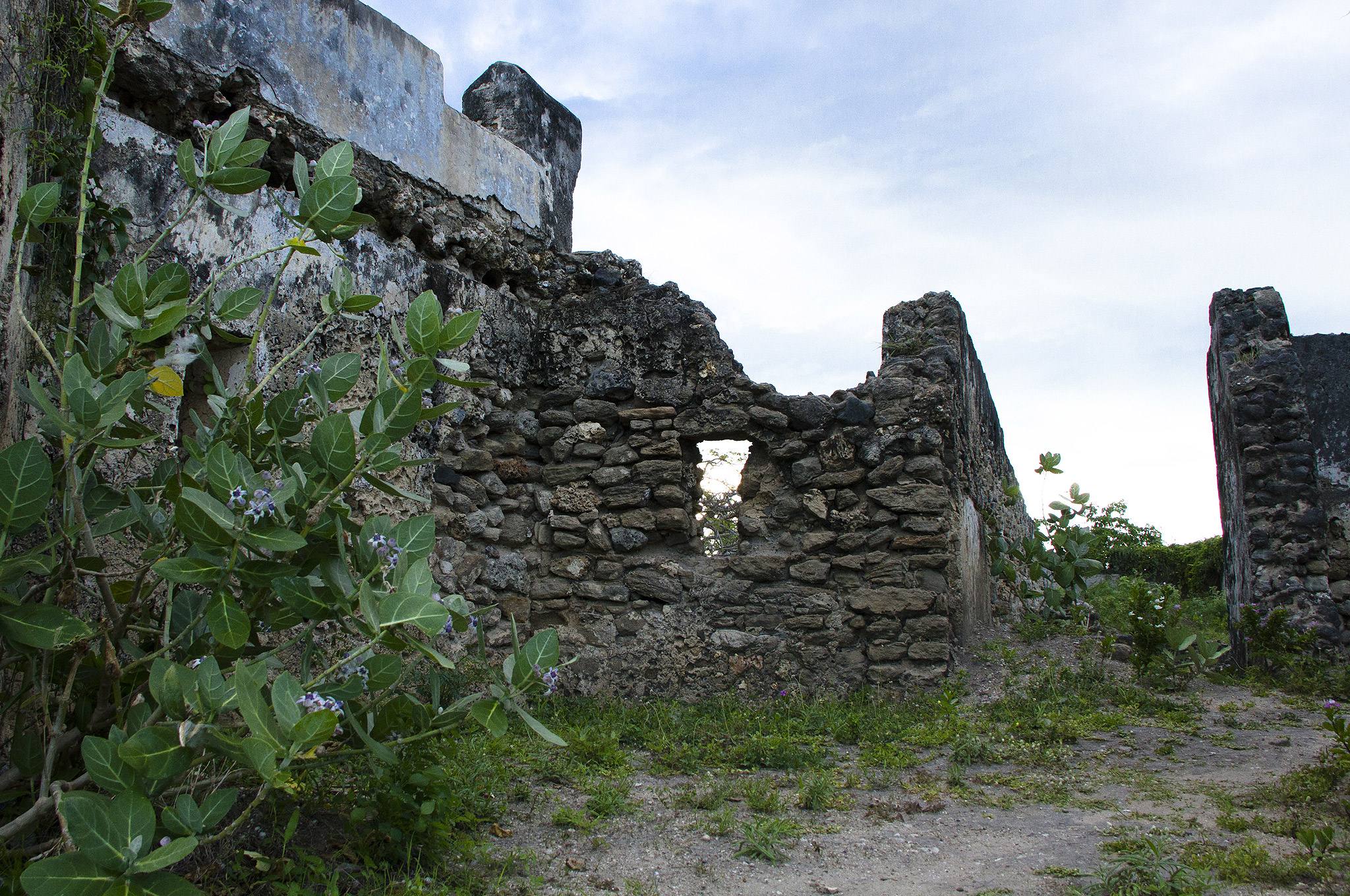
The name "Saadani" is deeply intertwined with the 19th-century Arab settlements in the region. Originally a prominent fishing village known as Utondwe, it eventually became Saadani—a name etched into historical records for centuries. Notable explorers and chroniclers like Richard Burton, Johannes Rebman, and Ptolemy have documented this coastal gem.
Beyond its natural beauty, Saadani serves as a window into the past. Once a bustling trade hub, the area coordinated commerce between the African hinterland and overseas markets, including the somber history of the trade of enslaved people.
Wildlife & Marine Experiences
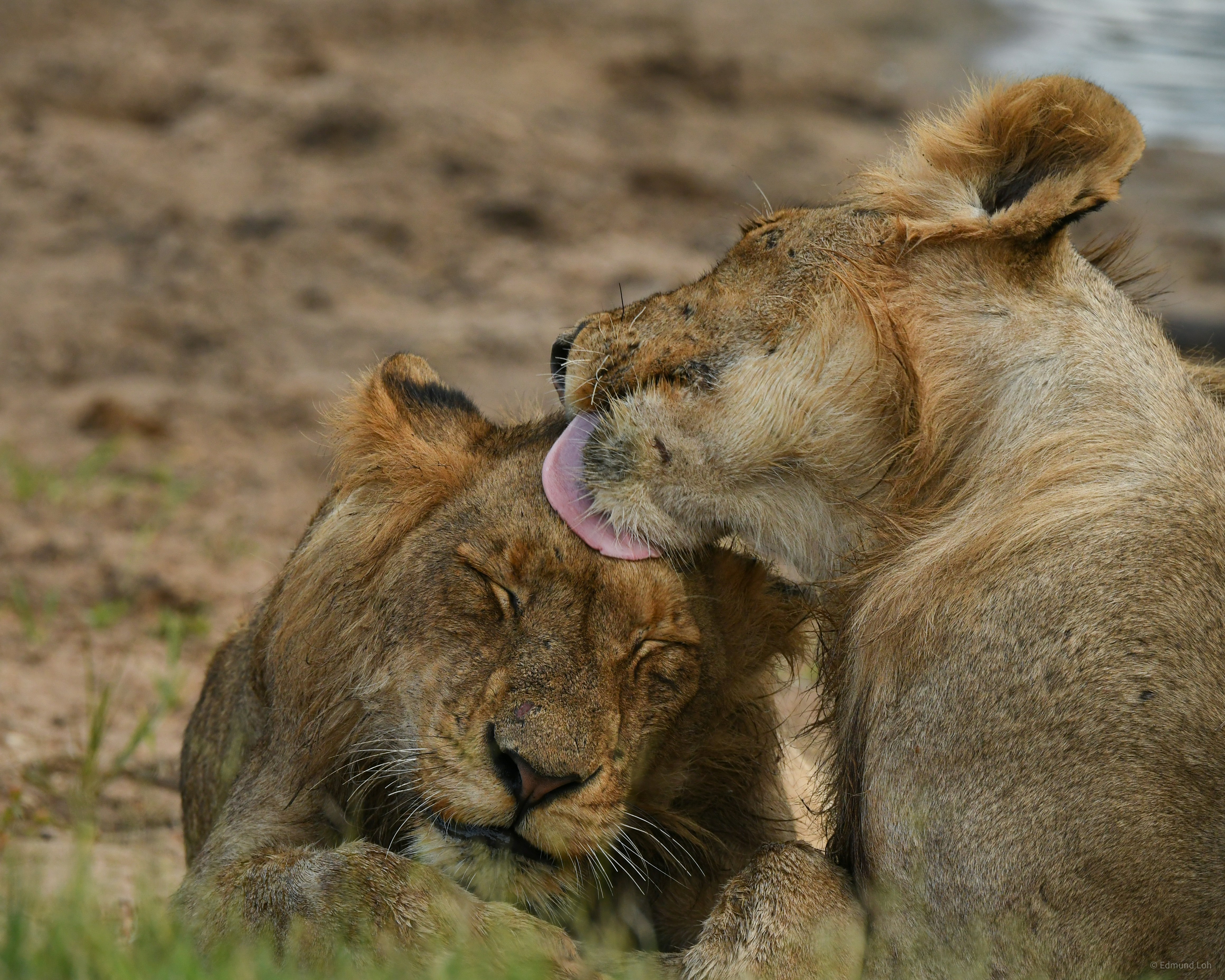
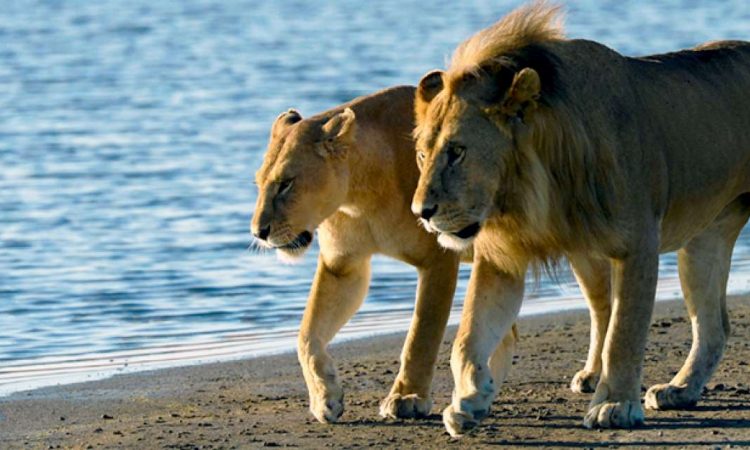
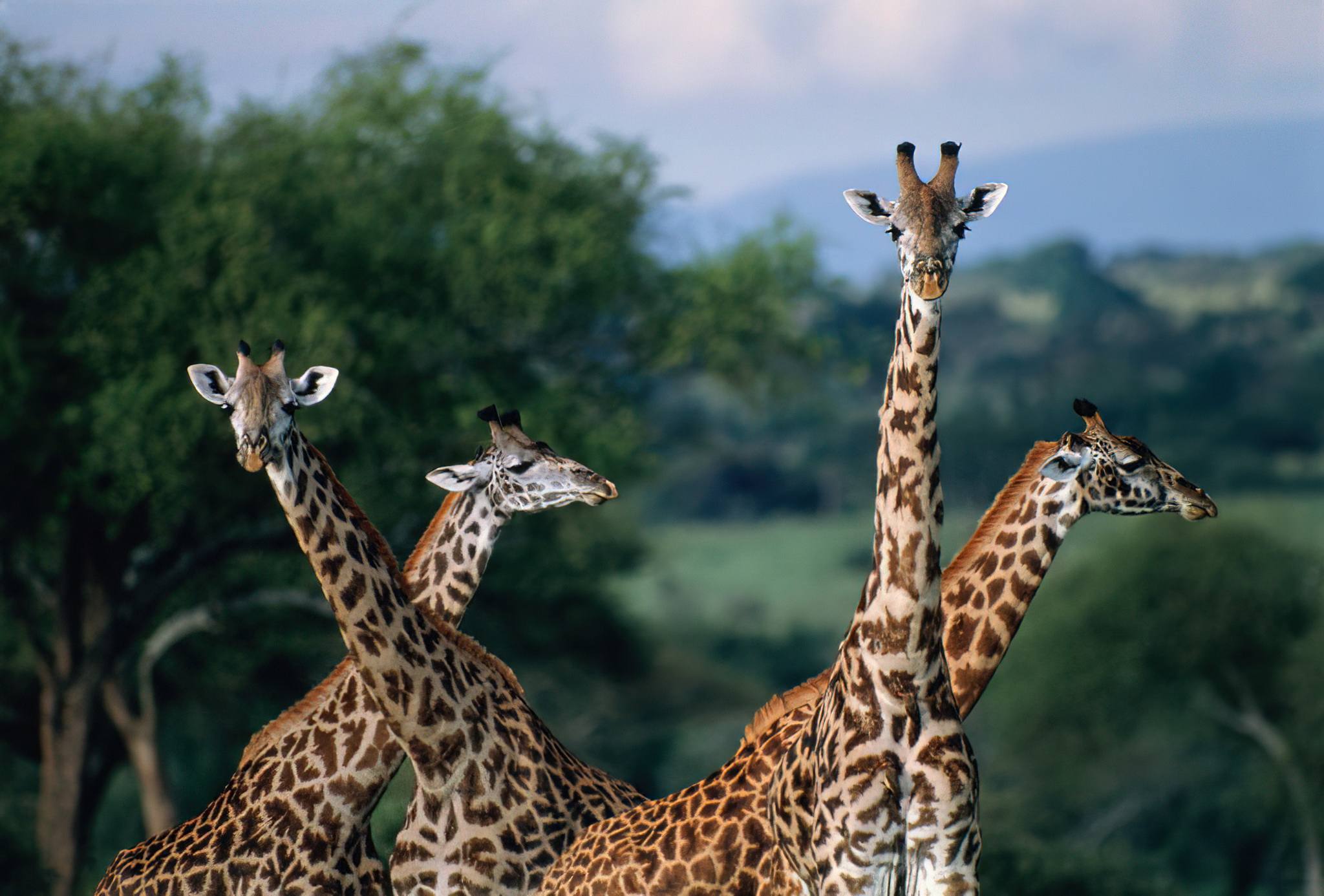
During game drives and walking safaris, you can expect to see an impressive array of grazers and primates, including giraffes, buffaloes, elands, sable antelopes, and velvet monkeys. Lion prides and leopards are residents here, alongside hyenas and jackals. Remarkably, elephant herds of up to 30 individuals are frequently sighted.
Saadani Regional Map
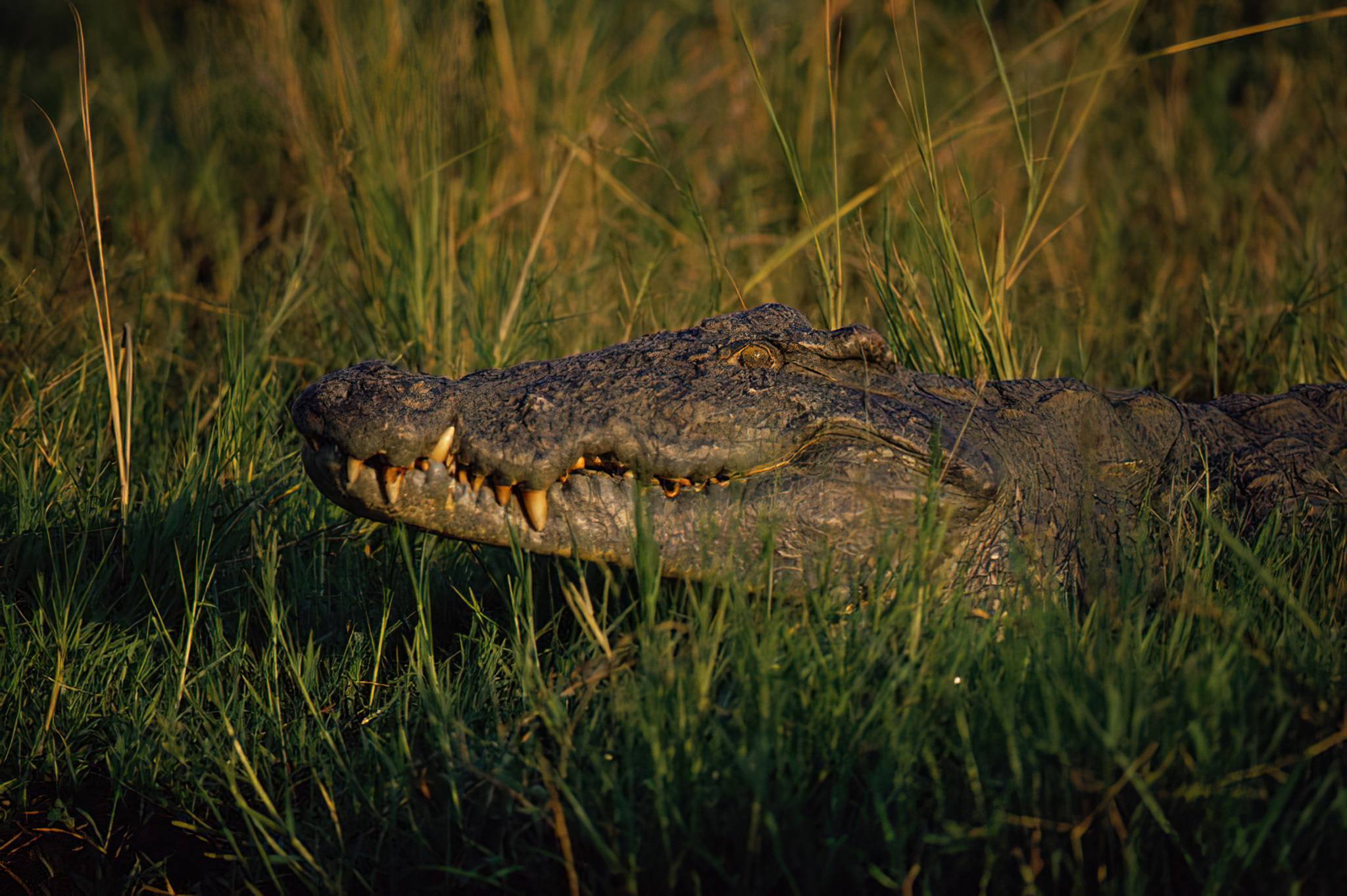
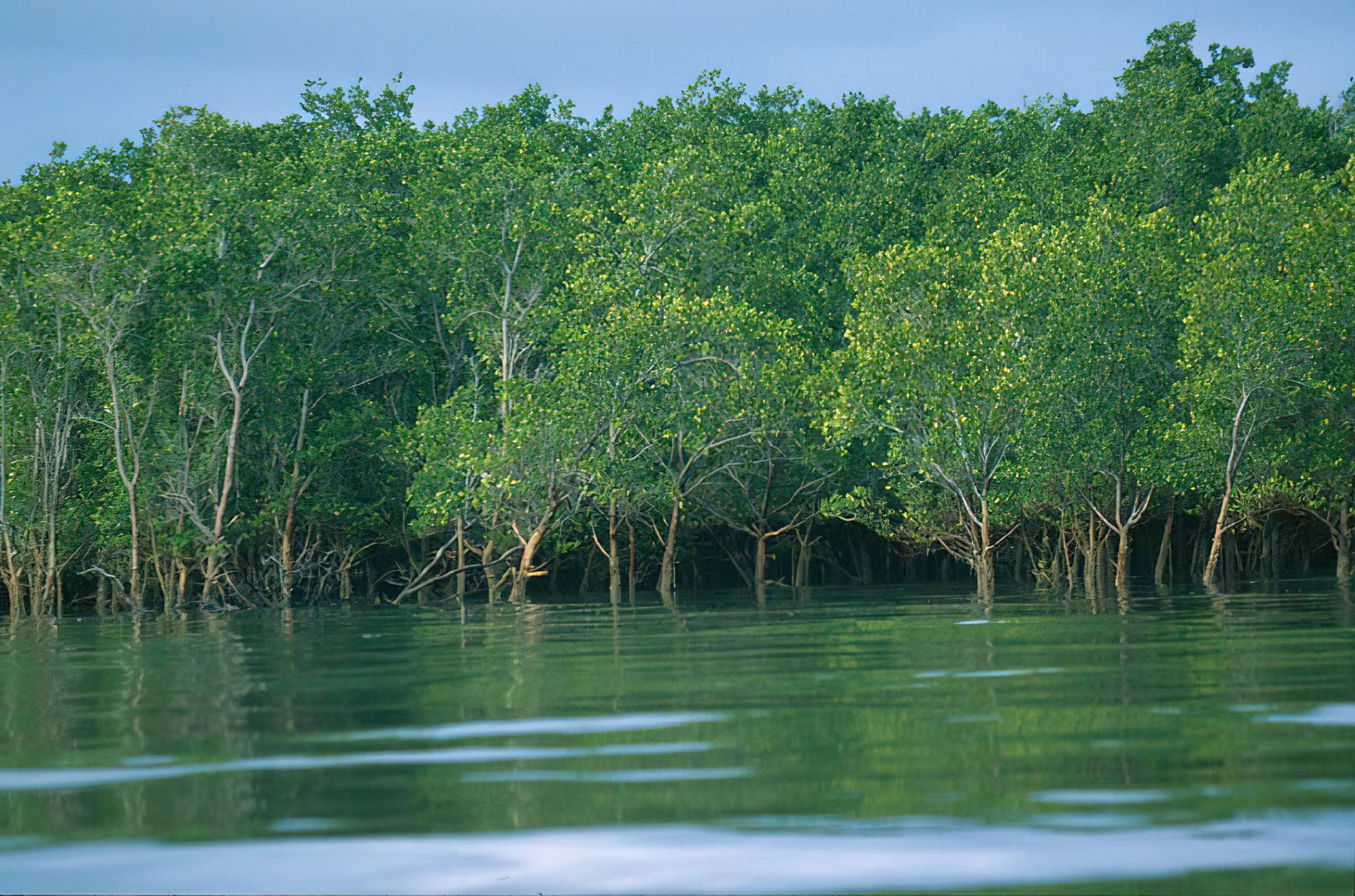
The Wami River, lined with thick mangroves, offers high-probability sightings of hippos and crocodiles. Bird enthusiasts will delight in spotting mangrove kingfishers and lesser flamingos. Furthermore, the park's beaches serve as one of mainland Tanzania's most critical breeding grounds for the endangered green turtle.
Key Activities & Attractions
- Boat Safaris: Explore the Wami River directly from your lodge.
- Game Drives: Track the Big Five across the savannah.
- Turtle Hatching: Witness green turtles nesting at Madete Beach.
- Snorkeling: Visit the Mafui Sandbank coral reefs.
- Historical Visits: Tour Saadani Village & Slave Trade ruins.
- Nature Walks: Guided hiking in Zaraninge Forest.
- Bird Watching: A riverine and marine bird paradise.
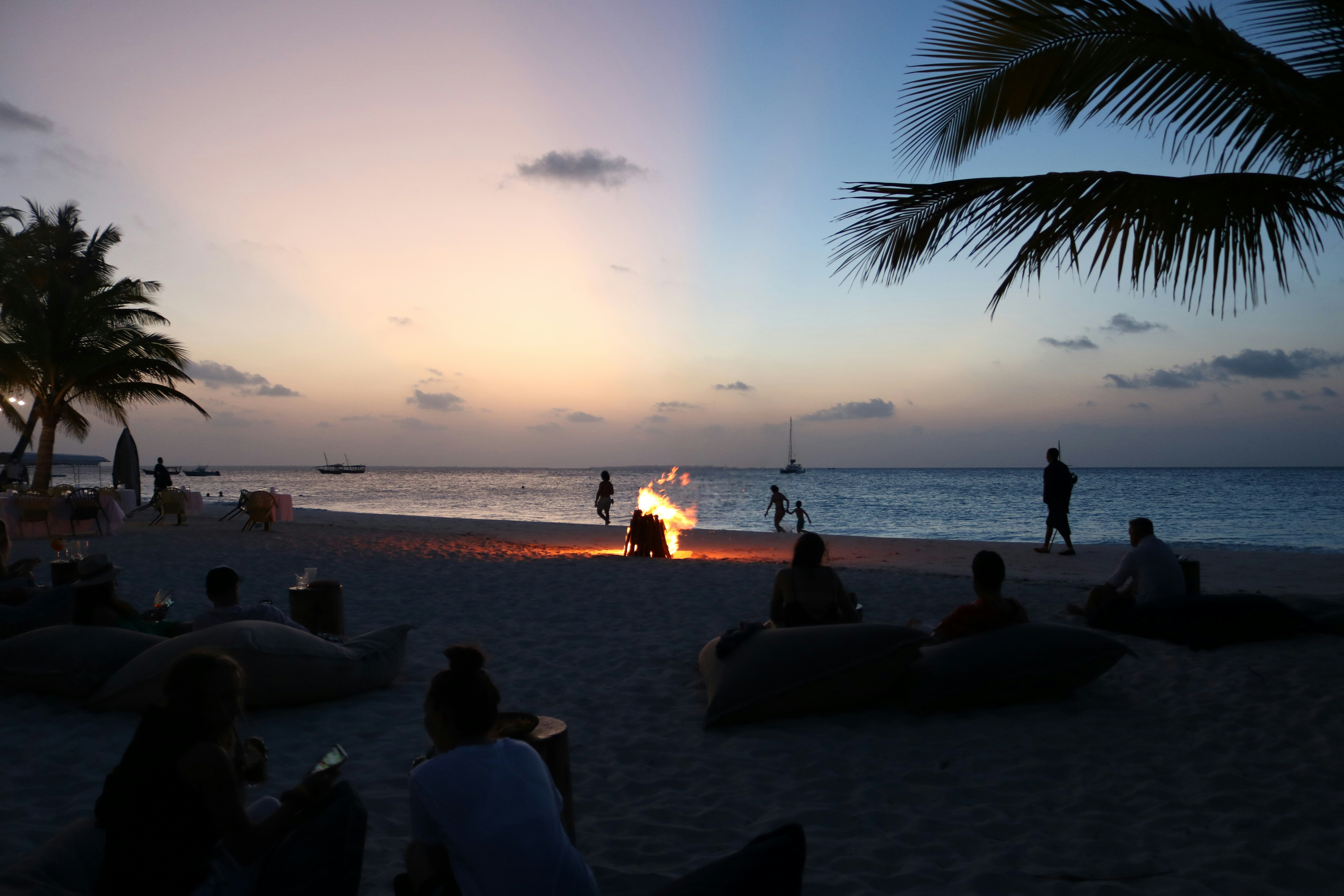
Madete Beach & Turtle Nesting
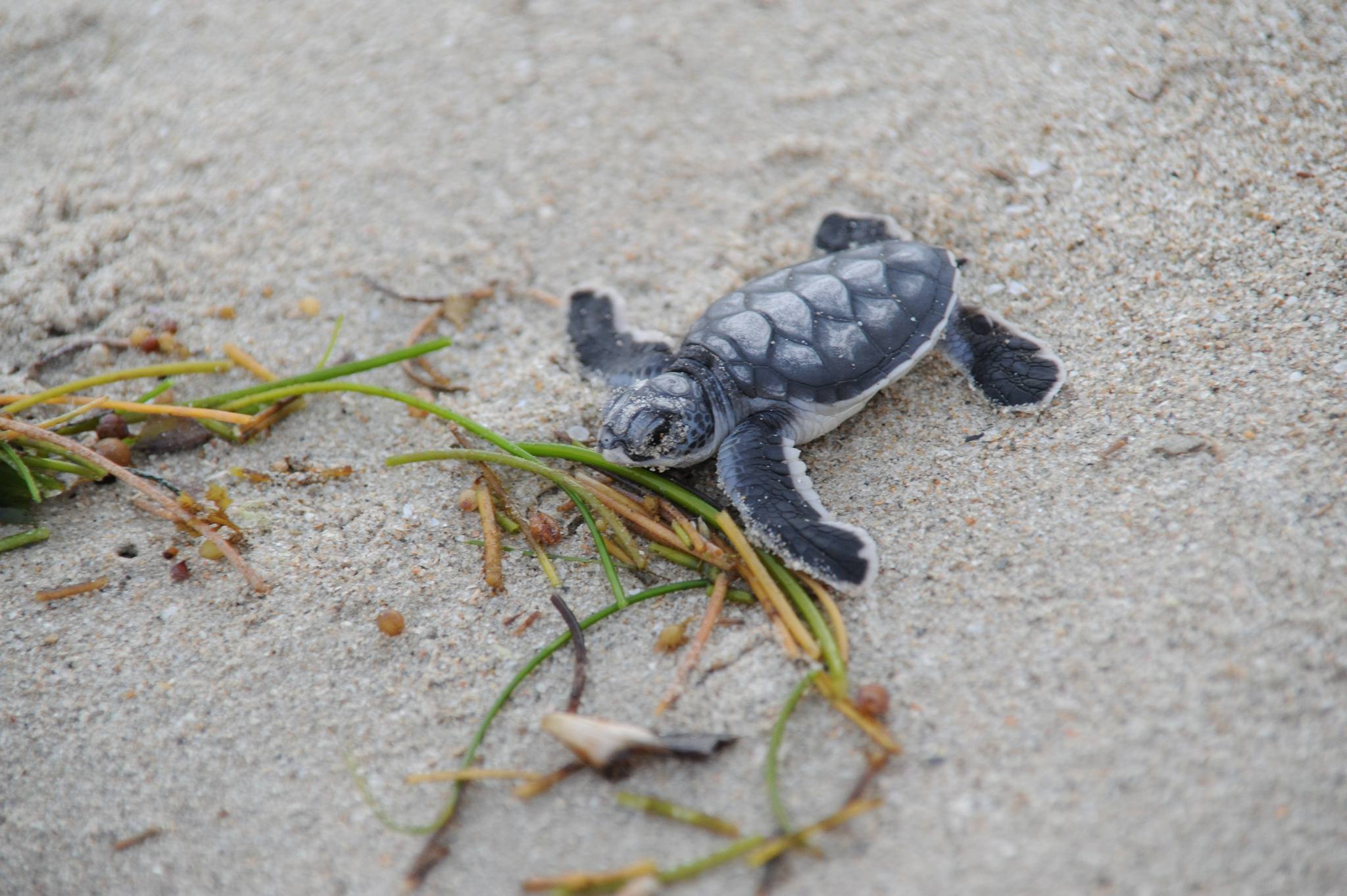
Madete Beach is home to one of the most vital populations of green turtles. Females lay eggs along the shore during a season stretching from January to March, with peak activity occurring between July and November.
Zaraninge Forest
This evergreen, lowland coastal forest features a closed canopy and is a sanctuary for rare and endemic species. During the dry season, it provides a critical habitat for the park’s elephant population.
Mafui Sandbank
Located in the marine section of the park, this sandbank is surrounded by vivid coral reefs that act as nurseries for countless fish species. It is a premier spot for snorkeling and diving.
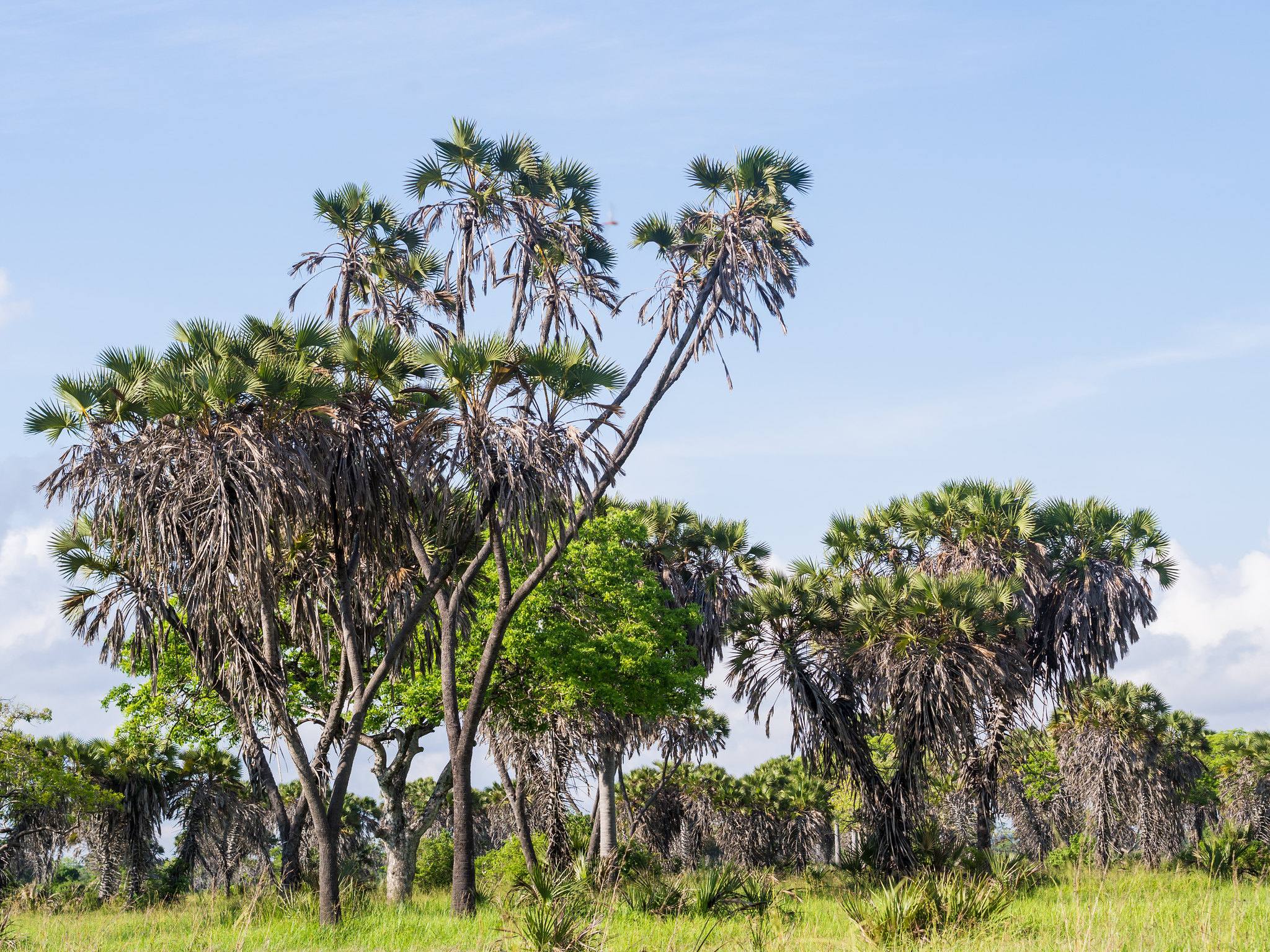
Expedition Gallery
Destinations Near Saadani
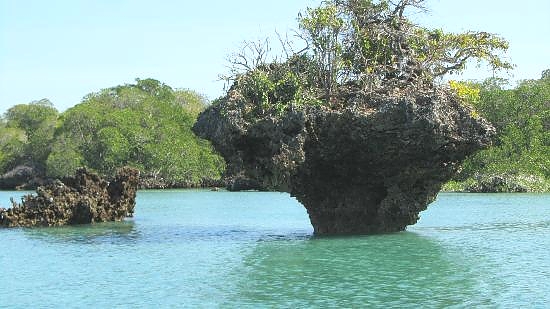
Yambe Island
Ocean Islands, Tanga
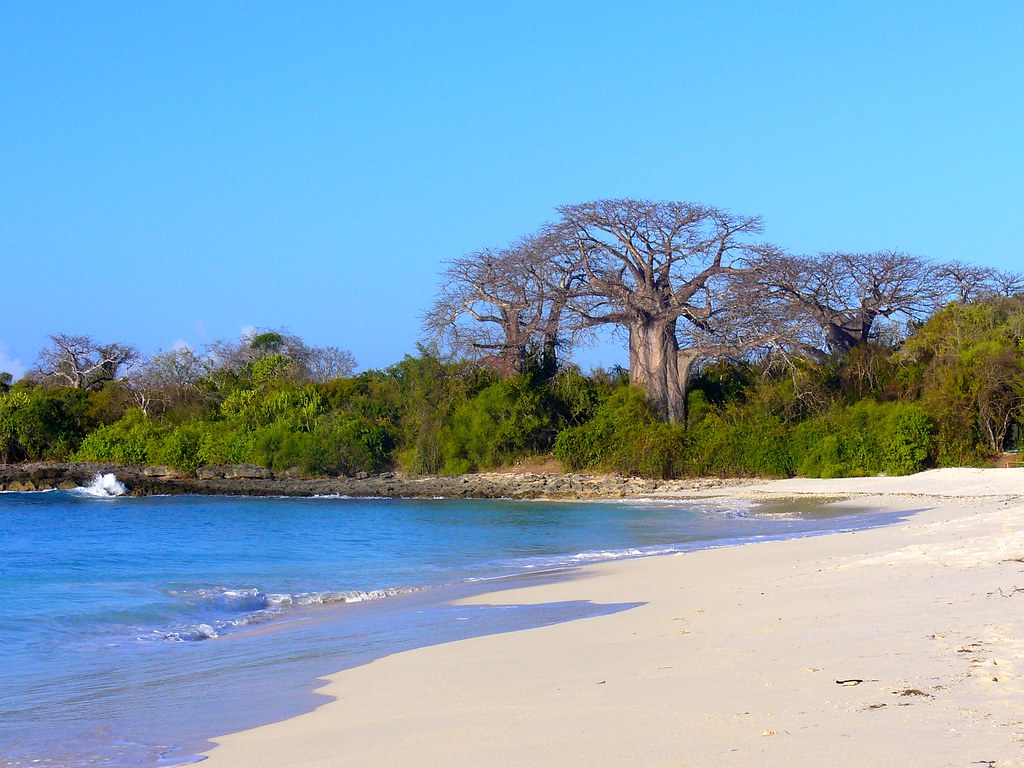
Kirui Island
Marine Reserve, Tanga
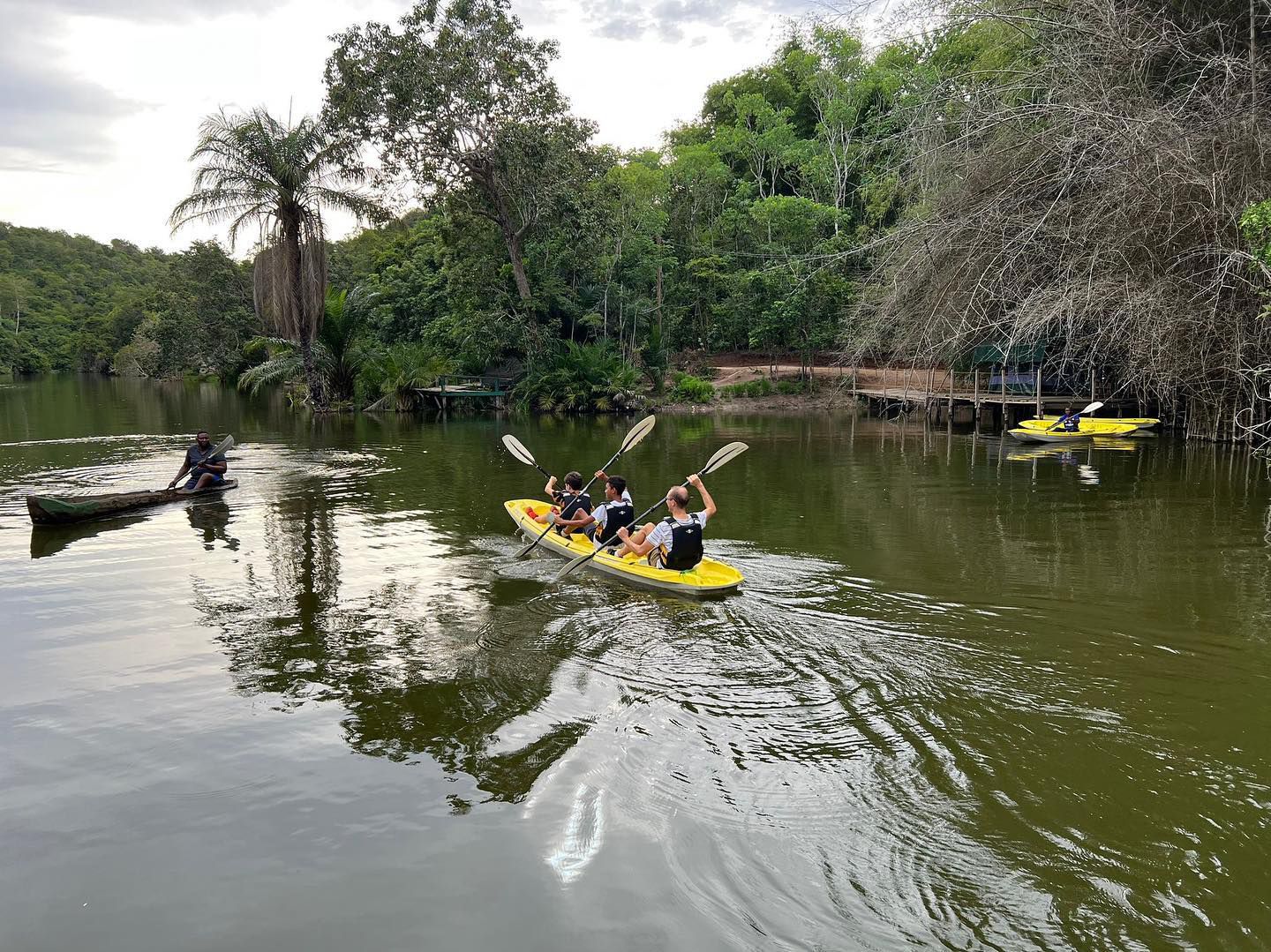
Pugu Kazimzumbwi
Nature Forest Reserve
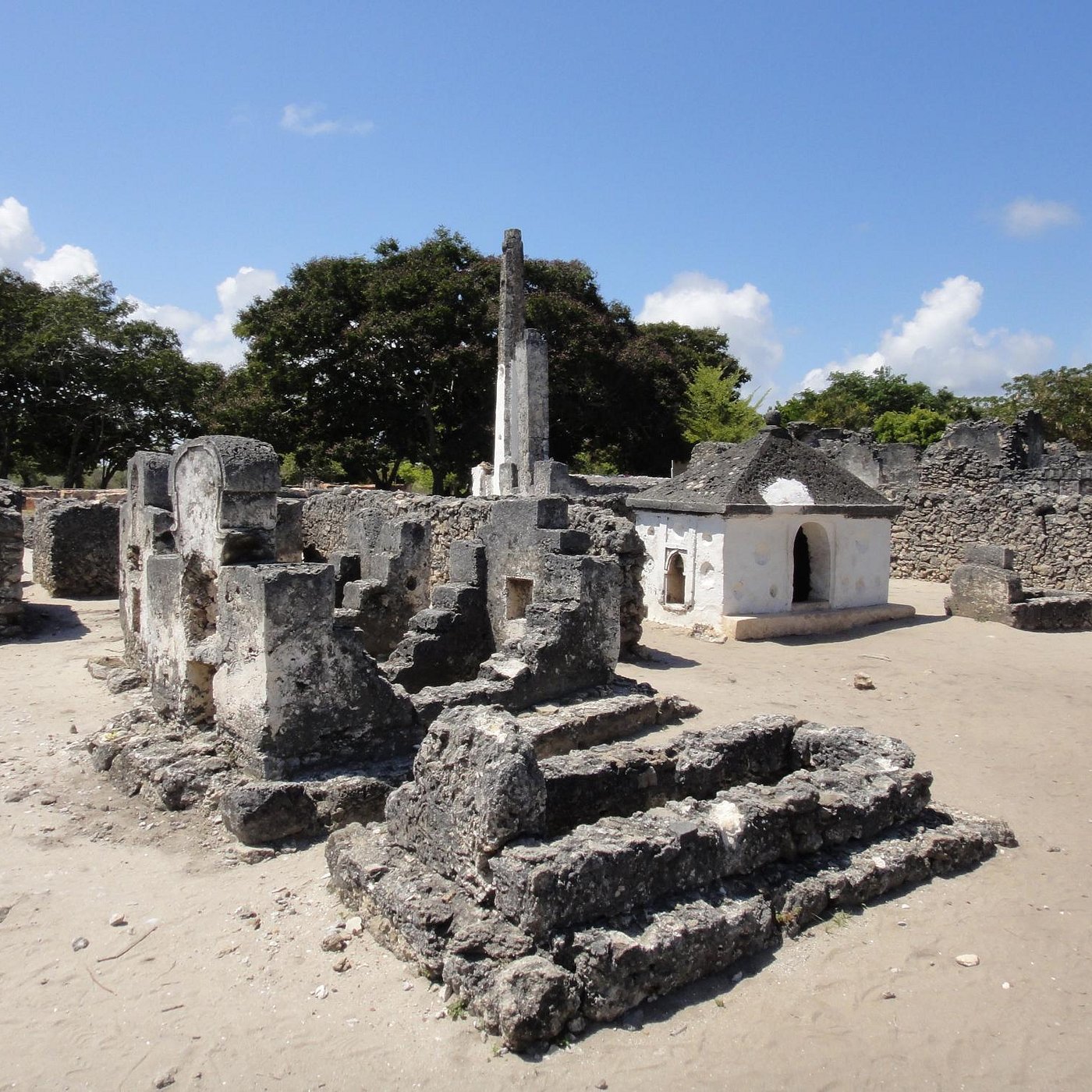
Bagamoyo
Historic Coastal Town
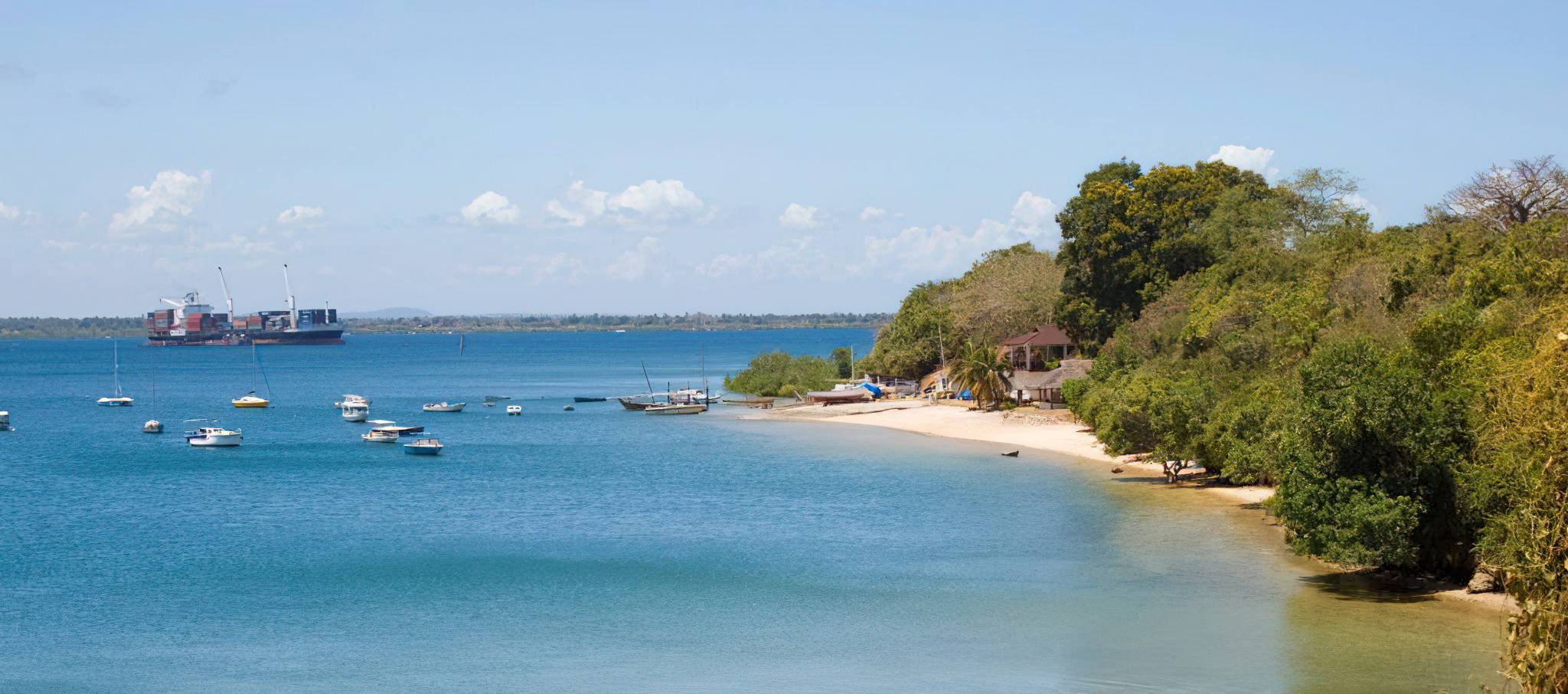
Toten Island
Tanga Bay
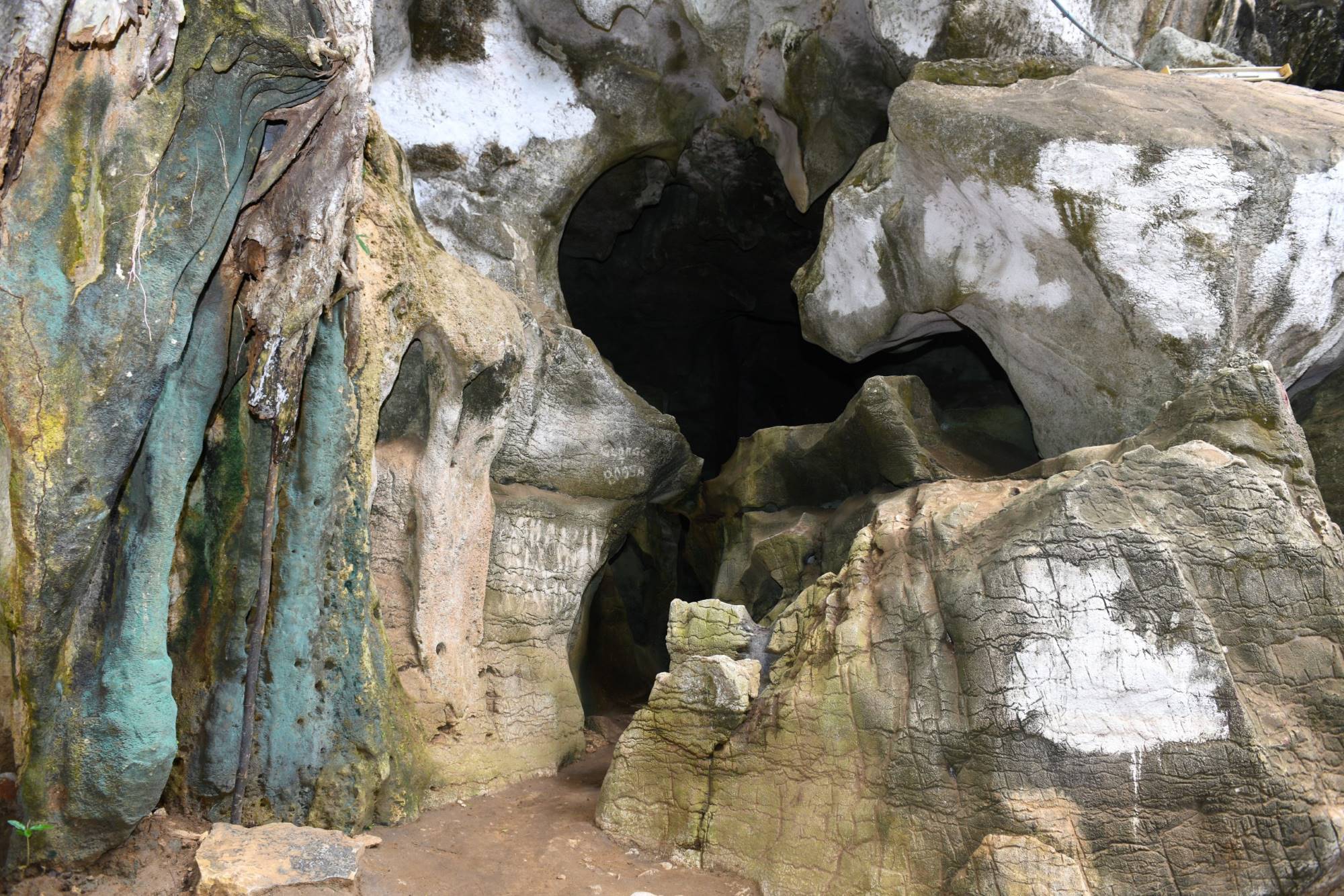
Amboni Caves
Natural Limestone Caves