What Travelers Planning Mikumi Safaris Must Know Before Booking
Travelers planning safaris from Dar es Salaam to Mikumi National Park in 2026–2027 are facing a new reality that few travel websites are discussing honestly: global geopolitical conflicts are beginning to directly influence safari costs, transport logistics, and travel planning decisions.
The ongoing conflict involving the United States, Israel, and Iran has triggered global fuel price volatility, airline disruptions, and economic uncertainty that are already affecting Tanzania’s tourism and safari transport sector.
While Mikumi National Park remains open, safe, and operational, the cost structure and logistics behind safaris are quietly changing.
This article explains:
- How the conflict affects safari costs
- Why fuel prices matter for Mikumi safaris
- What safari operators are adjusting
- How travel prices may change
- Whether travelers should delay trips
- Practical advice for booking smart
This guide is written from the perspective of safari logistics and real travel planning rather than general geopolitics.

Understanding Why a Middle East War Affects Safaris in Tanzania
Many travelers ask: How can a war thousands of kilometers away affect a safari in Tanzania?
The answer is simple: Fuel.
Safari operations depend heavily on fuel through: Transport vehicles, Tourist flights, Food logistics, Hotel supply chains, Park vehicle operations.
The US-Israel-Iran conflict has disrupted global oil supply chains due to instability around the Strait of Hormuz, one of the most important shipping routes for petroleum products. About 20% of global oil supply passes through this route, meaning any disruption affects prices worldwide. When oil prices rise globally: Transport costs increase, Tour costs increase, Air travel increases, Safari pricing adjusts. This is exactly what is happening now.
Current Global Oil Price Changes Linked to the Conflict
Recent reports show oil prices rising significantly due to the conflict.
- Reuters
- Business Insider
- Africanews
- The Chanzo Inititative
- The Guardian
As of April 2026: Oil prices rose above $110 per barrel amid supply disruptions. (Reuters). Airlines are already facing higher jet fuel costs and reducing flights due to rising prices. (Business Insider). Energy disruptions are expected to affect many economies globally if the conflict continues. (Africanews).
This matters for safari travelers because Tanzania imports petroleum products.
Fuel Prices in Tanzania – The Real Impact on Safari Costs
Recent economic reports show fuel prices in Tanzania have already increased sharply. In April 2026: Fuel prices increased by over 30% in one month due to global oil disruptions. (The Chanzo Inititative). Diesel reached around: 3800 TZS per litre. This is only in Dar es Salaam, imagine other parts of Tanzania that face up to 45% increase. Transport companies are already adjusting pricing because fuel is the largest operating cost. (The Citizen).
For safari operations this matters because: Safari vehicles are diesel powered. Long distances consume large fuel volumes. Park driving consumes additional fuel. A typical Dar es Salaam – Mikumi safari can consume: 150–250 liters total. This means fuel increases directly change safari pricing.
Real Effect on Dar es Salaam to Mikumi Safari Packages
What operators are seeing: Transport costs are increasing. Margins shrinking. Package prices adjusting. Operators typically cannot absorb fuel increases long term. What usually happens: New bookings reflect new pricing. Existing bookings may be honored. Future packages adjusted. This is normal during fuel shocks.
Why Private Safaris Are More Affected Than Group Tours
Private safaris may see larger price adjustments. Why? Because: Vehicle cost not shared. Fuel cost fully applied to few travelers. Group safaris spread cost across passengers. However: Private safari still offers flexibility advantages. Many travelers still choose private options for experience quality.
Airlines and Zanzibar Connections May Also Be Affected
Travelers combining: Zanzibar + Mikumi, Flights + safari, should monitor airline schedules. Airlines globally are already adjusting operations due to fuel cost pressure. Possible impacts: Higher flight prices, Route adjustments, Schedule changes. However: Tourism demand remains stable so far.
How This Conflict Could Affect Tanzania Tourism Industry
Tourism depends on: Transport affordability, Travel confidence, Currency stability. Energy shocks typically affect: Transport sector first, Tour pricing second, Travel demand later. Economic forecasts suggest prolonged fuel price increases may slow global growth and spending. This could influence: Budget travel decisions, Safari duration choices, Luxury travel resilience. Historically: High-end tourism less affected, Budget travel more sensitive.
Real Situation on the Ground – Mikumi Safari Still Operating Normally
Important clarification: Mikumi safaris are still running normally. There are: No travel bans, No park closures, No safety alerts. The only changes are economic: Costs, Pricing, Logistics planning. Wildlife tourism continues normally. Animals unaffected. Parks remain stable.
How Safari Operators Are Adapting
Experienced operators respond through: Route optimization, Fuel planning, Vehicle efficiency, Pricing adjustments. Some are: Bundling trips, Increasing group departures, Adjusting margins. This is typical response to fuel shocks. Experienced operators survived: COVID travel collapse, Fuel price spikes, Currency changes. Tourism is a resilient industry.
What Experienced Mikumi Travelers Are Doing Differently in 2026
Travel behavior changes include: Booking earlier, Choosing group safaris, Shortening itineraries, Comparing operators more carefully. Experienced travelers now ask: Fuel surcharge included? Price guaranteed? Payment terms? Smart questions reduce surprises.


Should Travelers Delay Mikumi Safaris Because of the War?
Short answer: No. Why: Conflict geographically distant, Tanzania politically stable, Tourism operating normally. Only pricing is affected. Travel decisions should focus on: Budget, Flexibility, Booking timing, Not fear.
Practical Booking Advice for 2026–2027 Travelers
Best strategies: Book early, Confirm price validity, Ask fuel surcharge policy, Choose experienced operator. Booking early often protects price. Waiting may increase cost if fuel rises.
How Fuel Price Changes Affect Safari Experience Itself
Important reality: Experience usually unchanged. Fuel increases affect: Price, Not wildlife, Not guides, Not park access. Safari experience remains same. Animals still move, Game drives still operate, Guides still track wildlife. This distinction matters.
Economic Ripple Effects Travelers May Notice
Indirect changes: Hotel food costs, Transport rates, Park logistics. Fuel affects supply chains. Hotels transport: Food, Water, Supplies. Cost increases sometimes reflected slowly. Not immediate.
Long Term Tourism Outlook If Conflict Continues
If fuel prices remain high, possible outcomes: Slight safari price increases, More group travel, Shorter safari packages. Unlikely outcomes: Tourism shutdown, Park closures, Travel bans. Tourism historically adapts.
How This Situation Compares to Past Tourism Disruptions
Tourism has survived: COVID shutdown, Global recessions, Fuel crises. Safari demand usually rebounds. Wildlife tourism particularly resilient because: Unique experience, Bucket list travel, Limited substitutes.
Advice From Real Mikumi Travel Experience
Travelers who understand safari logistics focus on: Guide quality, Vehicle quality, Time in park, Not just price. Cheapest safari rarely best. Value matters more. Better: Good guide, Reliable vehicle, Clear itinerary, than small price difference.
Smart Traveler Questions to Ask Before Booking
Ask: Is price fixed? Any fuel surcharge? Vehicle type? Guide experience? Park time included? Professional operators answer clearly. Transparency builds trust.
How Travelers Can Reduce Safari Costs During Fuel Volatility
Options: Travel in group, Choose 2 day instead of 3, Travel shoulder season, Compare packages. Flexible travelers find best value.
Why Mikumi Remains Best Safari From Dar es Salaam Despite Fuel Costs
Because alternatives require: Flights, Longer drives, Higher logistics. Mikumi remains: Closest park, Lowest transport cost, Best short safari. This advantage remains unchanged.
Expert Traveler Advice for 2026–2027 Safari Planning
Key recommendations: Book with established operators, Avoid unrealistic cheap offers, Understand cost changes, Focus on experience value. Experienced travelers prioritize reliability.
Frequently Asked Questions
Final Travel Advice for Mikumi Safari Travelers
Despite global conflict impacts on fuel and logistics, Mikumi remains one of the most practical safaris from Dar es Salaam. Travelers who plan intelligently can still get excellent value and experience. Best approach: Book early, Choose reliable operator, Focus on experience, Stay flexible. Safari remains one of the most rewarding travel experiences available in Tanzania even during global economic uncertainty.
Contact our Safari Specialist:
Call: +255 672 530 415 |
Email: info@kaitoursandsafaris.com
Written By:
Justus Kahwa (@mr_jmasterz)
Why Kai Tours?
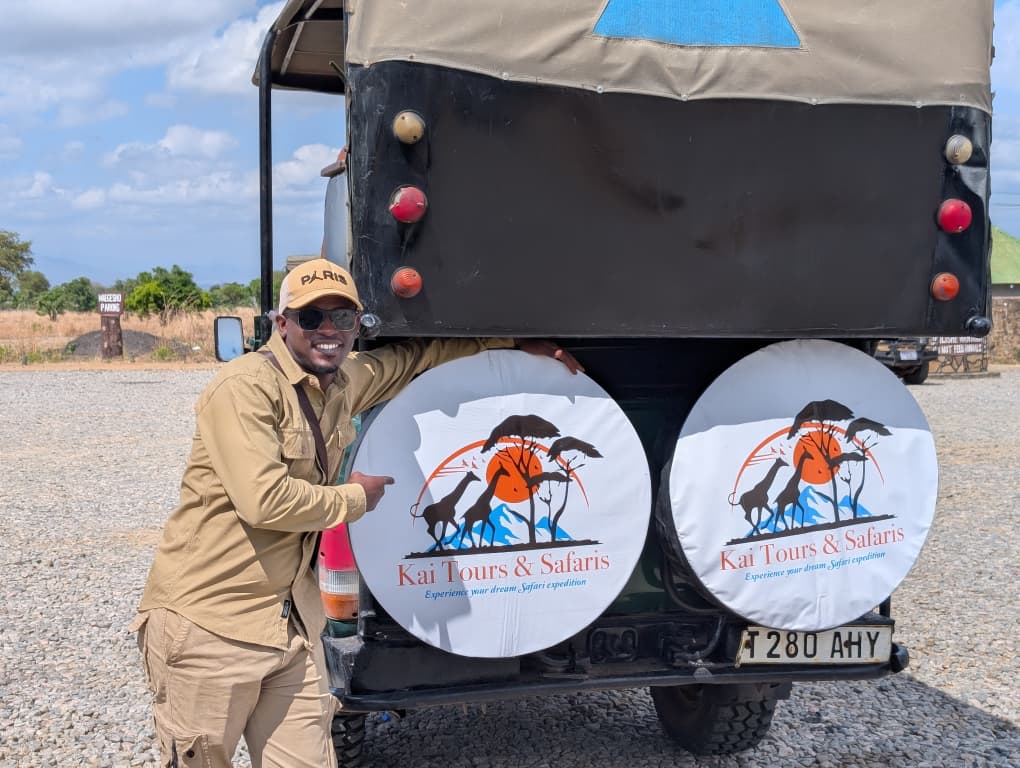
Kai Tours and Safaris is your local expert for navigating global logistics challenges. We ensure your Tanzanian adventure remains high-quality and reliable despite changing global conditions.